
What is Luminance Contrast
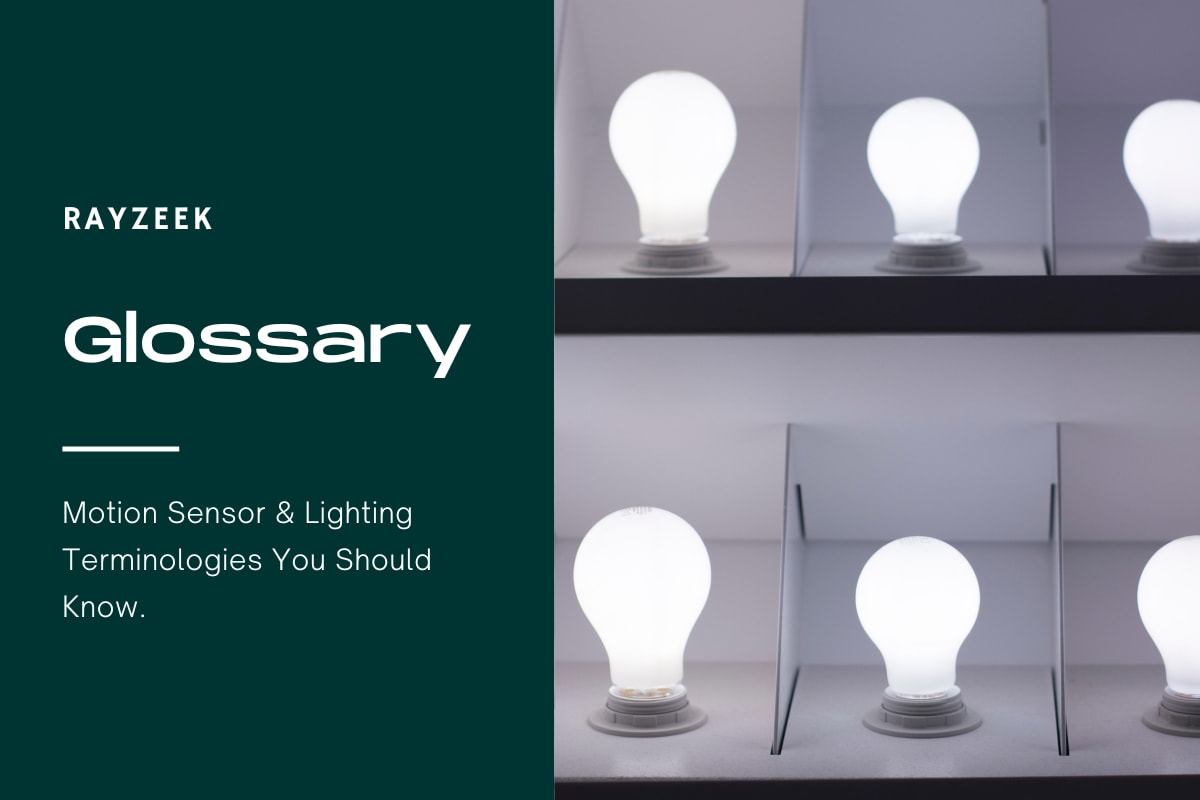
Luminance contrast is the difference in the amount of light reflected from one surface or component compared to another surface or component. It is a measure of the visual distinction between the object and its background. Luminance contrast is not the difference in color or color contrast, but rather the difference in the light reflective properties of each color.
The calculation of luminance contrast can be expressed as a ratio or fraction, typically using the luminance values of the object and background. The formula for calculating luminance contrast is (L1 – L2)/L1 or (L2 – L1)/L1 = | Δ L/L1 |, where L1 and L2 represent the luminances of the background and the object, respectively. This equation specifies the form of the luminance contrast calculation.
모션 감지 에너지 절약 솔루션을 찾고 계신가요?
완제품 PIR 모션 센서, 모션 감지 에너지 절약 제품, 모션 센서 스위치 및 상업용 재실/공실(Occupancy/Vacancy) 솔루션에 대해 문의해 주세요.
The ratio Δ L/L1 in the equation is known as Weber’s fraction, which describes the smallest detectable difference in luminance. This helps determine the perceptual sensitivity to changes in brightness. In some cases, when only reflecting surfaces are involved, luminance contrast can be expressed in terms of reflectance. Reflectance refers to the ratio of light reflected by a surface to the incident light falling on it. The contrast formula using reflectance is (ρ1 – ρ2)/ρ1 or (ρ2 – ρ1)/ρ1, where ρ1 and ρ2 represent the reflectances of the background and the object, respectively. The method of computing contrast using reflectance holds true only for perfectly diffusing surfaces. For other surfaces, additional factors such as angles of incidence and view need to be taken into consideration.
어쩌면 다음 제품에도 관심이 있으실 수 있습니다

- 무전압 접점(dry-contact) 릴레이 출력을 갖춘 천장 장착형 PIR 재실 감지 센서
- 12/24VDC 또는 12/24VAC 저전압 전원 공급
- EMS, HVAC 및 빌딩 제어 입력을 위한 COM, NO, NC 절연 릴레이 접점

- 저전압 DC 천장 매립형 마이크로웨이브 모션 센서 스위치
- 10-30 VDC 범위의 12 VDC / 24 VDC 입력
- 시간 지연, 조도(Lux) 임계값 및 감도 조절이 가능한 최대 10A 작동 전류
- 고부하용 천장 매립형 마이크로웨이브 모션 센서 스위치
- 100-265 VAC 상용전압 입력, 10A 모델
- 시간 지연, 조도(Lux) 임계값 및 감도 조절이 가능한 5.8 GHz 마이크로웨이브 감지
- 천장 매립형 마이크로웨이브 모션 센서 스위치
- 100-265 VAC 상용전압 입력, 5A model
- 시간 지연, 조도(Lux) 임계값 및 감도 조절이 가능한 5.8 GHz 마이크로웨이브 감지
- 220V 전원용 천장 장착형 RZ037 PIR 재실 감지 센서 디머
- 정격 부하 660W, 최대 작동 전류 3A
- 조도 센서 켜짐/꺼짐(ON/OFF) 및 사용자 설정 디밍 밝기를 제어하는 LUX 버튼
- 110V 전원용 천장 장착형 RZ037 PIR 재실 감지 센서 디머
- 정격 부하 330W, 최대 작동 전류 3A
- 조도 센서 켜짐/꺼짐(ON/OFF) 및 사용자 설정 디밍 밝기를 제어하는 LUX 버튼

- 저전압 DC 천장 매립형 마이크로웨이브 모션 센서 스위치
- 10-30 VDC 범위의 12 VDC / 24 VDC 입력
- 시간 지연, 조도(Lux) 임계값 및 감도 조절이 가능한 최대 10A 작동 전류
- 고부하 천장 매립형 마이크로웨이브 모션 센서 스위치
- 100-265 VAC 상용전압 입력, 10A 모델
- 시간 지연, 조도(Lux) 임계값 및 감도 조절이 가능한 5.8 GHz 마이크로웨이브 감지
- 천장 매립형 마이크로웨이브 모션 센서 스위치
- 100-265 VAC 상용전압 입력, 5A model
- 시간 지연, 조도(Lux) 임계값 및 감도 조절이 가능한 5.8 GHz 마이크로웨이브 감지

- 저전압 DC 매립형 천장 장착 PIR 모션 센서 스위치
- 10-30 VDC 범위의 12 VDC / 24 VDC 입력
- 최대 작동 전류 10A (시간 지연, 조도 값, 감도 조절 가능)

- 고부하 매립형 천장 장착 PIR 모션 센서 스위치
- 100-265 VAC 상용전압 입력, 10A 모델
- 360도 감지 (시간 지연, 조도 값, 감도 조절 가능)
- 매립형 천장 장착 PIR 모션 센서 스위치
- 100-265 VAC 상용전압 입력, 5A model
- 360도 감지 (시간 지연, 조도 값, 감도 조절 가능)

- 실내 조명 ON/OFF 제어용 무선 스위치 및 수신기 키트
- 100-230VAC, 50/60Hz 수신기 (정격 전류 5A)
- CR2032 배터리 구동 무선 스위치 (2.4GHz 통신)
- 재실 감지 (Auto-ON/Auto-OFF)
- 12–24V DC (10–30VDC), 최대 10A
- 360° 감지 범위, 직경 8–12 m
- 시간 지연 15초–30분
- 조도 센서 Off/15/25/35 Lux
- 감도 높음/낮음
- Auto-ON/Auto-OFF 재실 모드
- 100–265V AC, 10A (중성선 필수)
- 360° 감지 범위, 감지 직경 8–12 m
- 시간 지연 15초–30분, 조도 OFF/15/25/35, 감도 높음/낮음
- Auto-ON/Auto-OFF 재실 모드
- 100–265V AC, 5A (중성선 필요)
- 360° 감지 범위, 감지 직경 8–12 m
- 시간 지연 15초–30분, 조도 OFF/15/25/35, 감도 높음/낮음
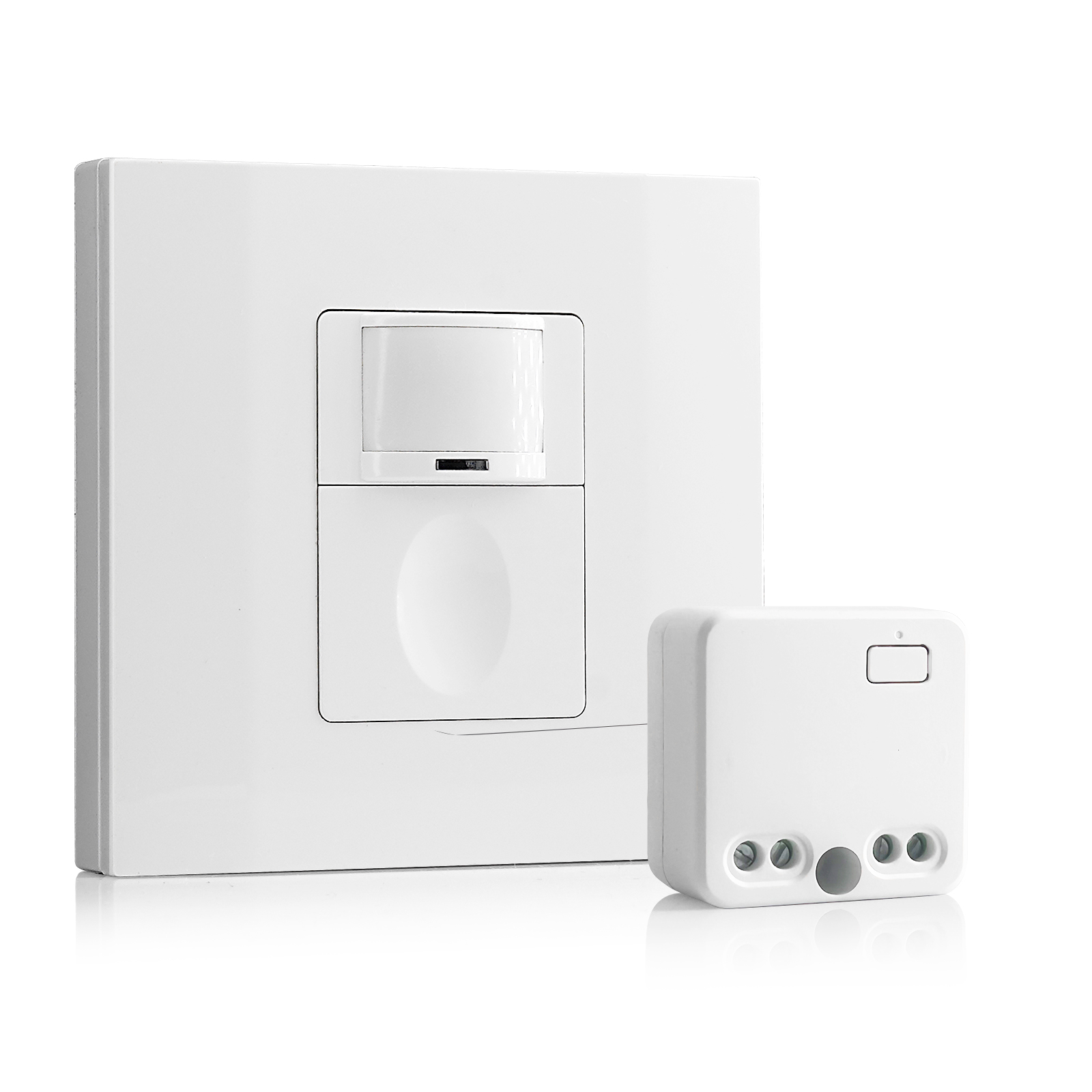
- 100V-230VAC
- 전송 거리: 최대 20m
- 무선 모션 센서
- 유선 제어
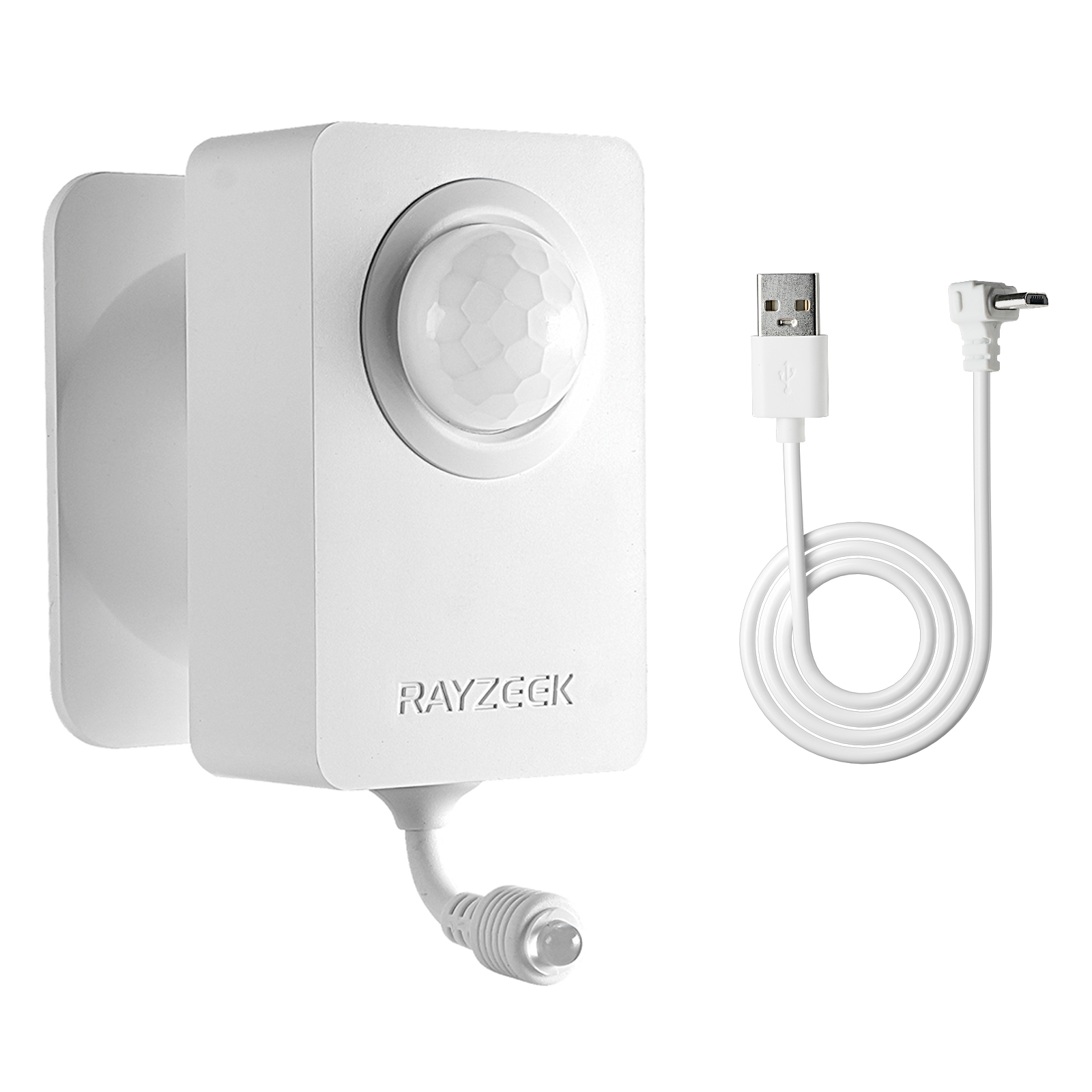
- 전압: AAA 배터리 2개 / 5V DC (Micro USB)
- 주간/야간 모드
- 시간 지연: 15분, 30분, 1시간(기본값), 2시간
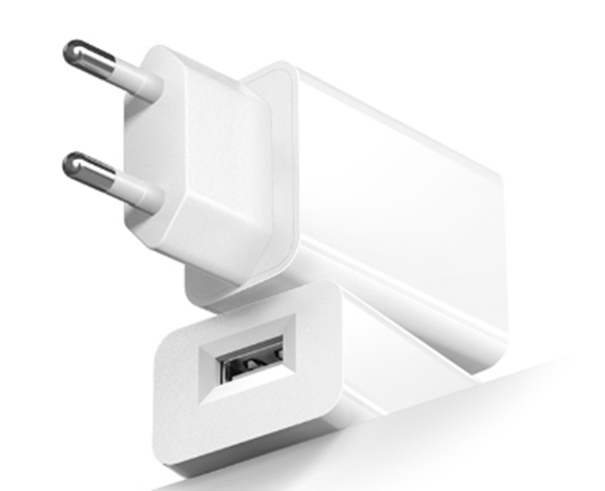
- EU 플러그 전원 어댑터
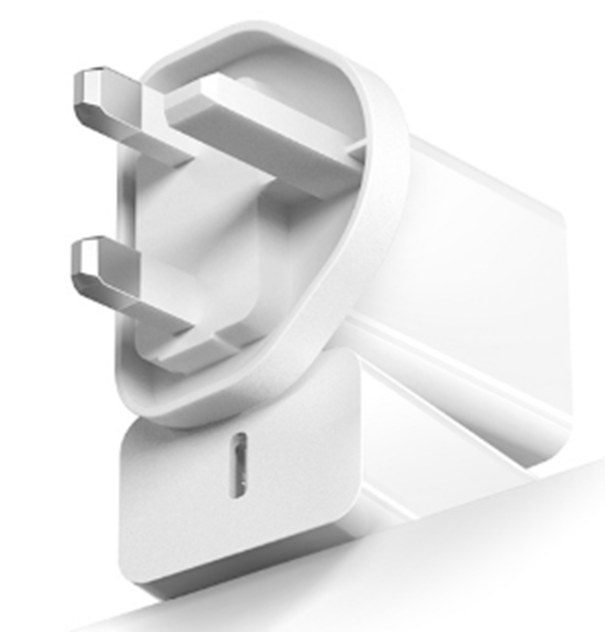
- UK 플러그 전원 어댑터
Frequently Asked Questions
Does Luminance Mean Brightness of Colors
Luminance refers to a measurement that describes the perceived brightness of a color. It indicates how bright a color appears when reflected from a surface. Additionally, relative luminance is defined as the relative brightness of a specific point within a colorspace, with black normalized to 0% and white normalized to 100%.
What Is a Good Luminance
The recommended luminance ratio between the working area and the walls is less than 5:1. However, recent studies indicate that the luminance ratio between the working area and the normal field of vision (ambient area = wall/ceiling surfaces) should be 2:1, with an illuminance of 500 lux in the working area.
What Color Has the Highest Luminosity
Blue stars are typically the most luminous, while red stars are the least luminous. However, seasoned observers may come across red stars during nighttime that are brighter than white or blue stars.
What Is Normal Luminance
Earlier, normal luminance for normal activities typically ranged from 100 to 300 lux. However, nowadays, the light level commonly falls within the range of 500 to 1000 lux, depending on the specific activity. In cases that require precision and detailed work, the light level may even reach as high as 1500 to 2000 lux.
What Should the Maximum Luminance Be
SDR formats are capable of displaying a maximum luminance level of approximately 100 nits. However, in the case of HDR, this value significantly increases to a range of 1,000 to 10,000 nits. HDR technology allows for deeper black levels and more vibrant and saturated colors.
Does Luminance Change With Distance
With regards to point luminance, there was an observed variation of approximately 3% for every 1m increase in distance from the measured point. However, the influence of distance on surface luminance was comparatively less significant than that of point luminance. These findings from the study suggest that luminance values do indeed fluctuate depending on the distance at which they are measured.







