
Corridors
Discover the energy-saving potential of corridors with Rayzeek’s occupancy sensor design guide. Uncover the power of automated lighting control in your commercial building’s passageways.
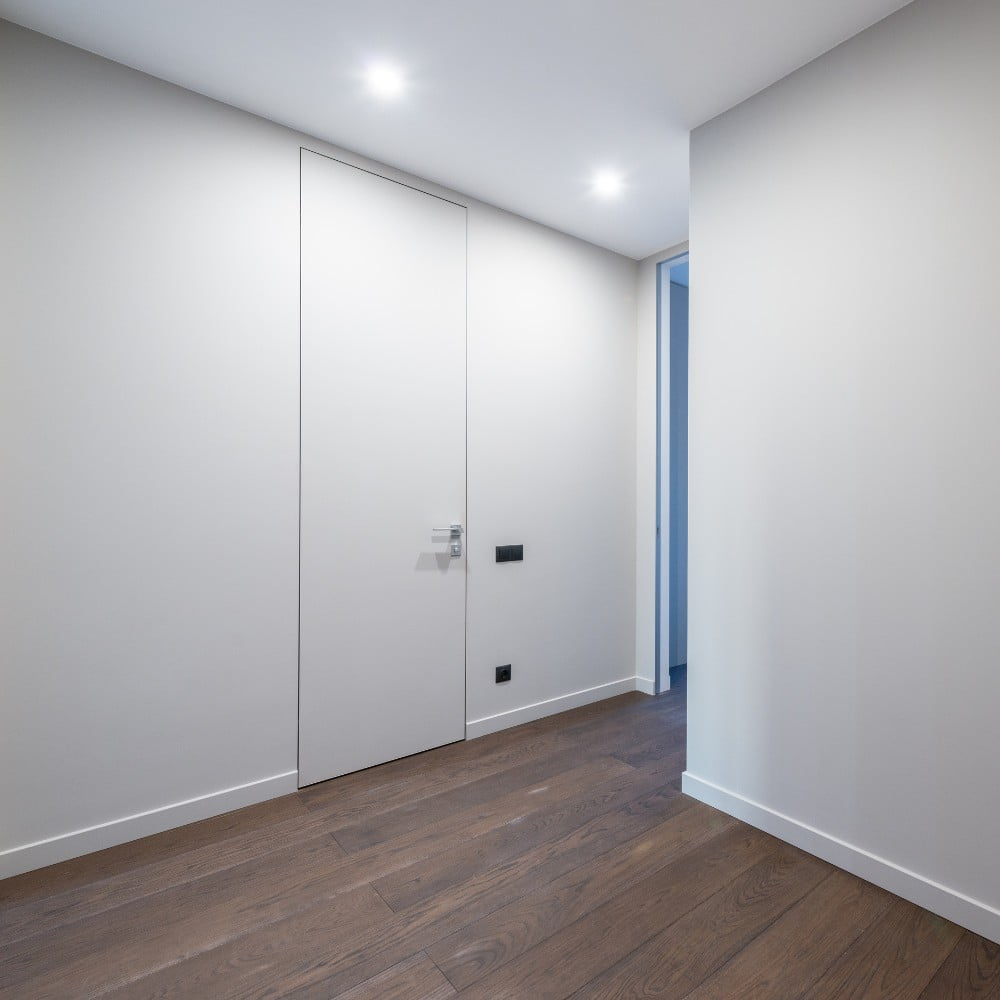
Lighting the Way to Energy Efficiency in Corridors
Corridors, whether in commercial buildings, educational institutions, or healthcare facilities, are high-traffic areas that often remain illuminated throughout the day, leading to significant energy consumption. These spaces typically use fluorescent or LED lighting, which, while energy-efficient, can still contribute to high energy costs when left on unnecessarily.
The challenge lies in the fact that corridors are intermittently occupied, with periods of high foot traffic interspersed with times of vacancy. Traditional manual lighting controls can lead to lights being left on during these vacant periods, resulting in unnecessary energy waste.
By integrating our occupancy sensors into your corridor lighting system, you can ensure that lights are only on when needed, saving energy and reducing costs. Our sensors, including wall and ceiling-mounted options, are designed to comply with US Energy Codes, making them an essential component in meeting energy efficiency requirements for commercial buildings.
エネルギー規格に適合

国際省エネルギー規格(IECC)は、国際規格協会(ICC)が開発したモデル規格で、建築物のエネルギー効率に関する最低設計および施工要件を確立するものです。IECCは、最新的な省エネルギー慣行と技術を組み込むために3年ごとに更新されます。
IECC、なぜ注目すべきか
IECCは、米国中の州および自治体で広く採用されています。IECCは、建築物外皮(壁、屋根、窓)、暖房・冷房システム、照明システムなど、エネルギー使用のさまざまな側面をカバーしています。
IECCは、さまざまなエリアの無人スペースでのエネルギー浪費を最小限に抑えるために、在室センサーなどの特定の照明制御を義務付けています。

ANSI/ASHRAE/IES規格90.1「低層住宅建築物を除くサイトおよび建築物のエネルギー規格」は、米国暖房冷凍空調学会(ASHRAE)が発行した広く認識されているエネルギー規格です。
ASHRAE 90.1、なぜ注目すべきか
ASHRAE 90.1は、米国全体の建築エネルギーコードのベンチマークとして使用され、商業建築の建築外皮、HVACシステム、給湯システム、照明システムなどのエネルギー効率性能の最低要件を定めるIECCにおける適合経路として機能します。
ASHRAE 90.1規格は、特定エリアでの在室センサーの使用を含む、最大許容照明電力密度および最低照明制御要件を定めています。

カリフォルニア州建築基準規則のTitle 24、パート6は、公式には「住宅および非住宅建築物の建築エネルギー効率基準」と呼ばれ、カリフォルニア州エネルギー委員会が管理し、最新のエネルギー効率技術と方法を反映するために定期的に更新されます。
Title 24、なぜ注目すべきか
Title 24は、米国内の多くの他のエネルギーコードよりも厳しいとされる、厳格な要件で知られています。Title 24は、暖房、換気、空調(HVAC)、給湯、照明を含む建築工事のすべての側面に厳格なエネルギー性能基準を義務付けています。
Title 24は、商業建築の特定エリアにおいて、部屋の利用状況に基づいて照明を調整する在室センサーの設置を要求し、エネルギーが無駄にならないようにします。
州別エネルギー規格採用状況
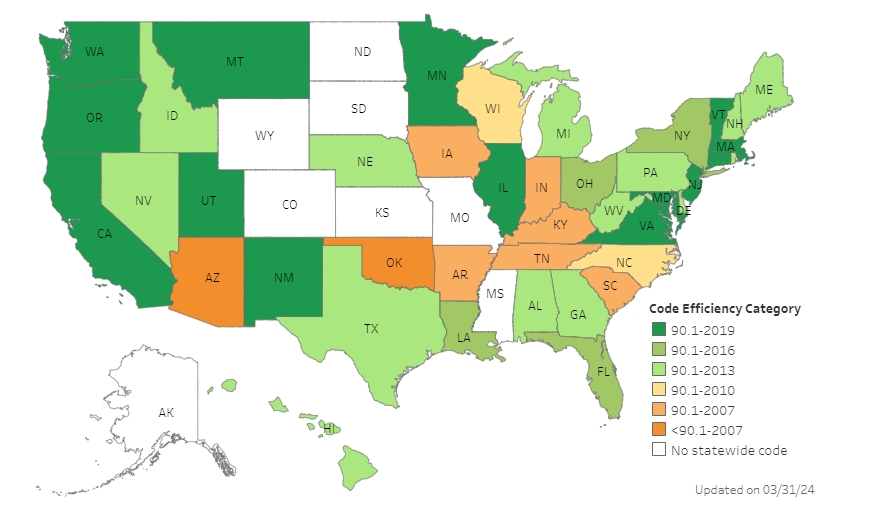
詳細な表を展開するには ↓
| 州 | 現在の商業規則 | 商業規則の効率カテゴリ |
|---|---|---|
| アラバマ州 | 90.1-2013 | 90.1-2013 |
| アラスカ州 | 州全体のコードなし | 州全体のコードなし |
| アリゾナ州 | ホームルール | <90.1-2007 |
| アーカンソー州 | 2009 IECCおよび90.1-2007 | 90.1-2007 |
| カリフォルニア州 | 2022年建築物エネルギー効率基準 | 90.1-2019 |
| コロラド州 | ホームルール | 州全体のコードなし |
| コネチカット州 | 2021 IECCおよび90.1-2019 | 90.1-2019 |
| デラウェア州 | 2018 IECCおよび90.1-2016 | 90.1-2013 |
| コロンビア特別区 | 90.1-2013^ | 90.1-2019 |
| フロリダ | 2021 IECCおよび90.1-2019^ | 90.1-2016 |
| ジョージア | 2015 IECCおよび90.1-2013^ | 90.1-2013 |
| ハワイ | ホームルール | 90.1-2013 |
| アイダホ | 2018 IECCおよび90.1-2016 | 90.1-2013 |
| イリノイ | 2021 IECCおよび90.1-2019 | 90.1-2019 |
| インディアナ | 90.1-2007 | 90.1-2007 |
| アイオワ | 2012 IECCおよび90.1-2010 | 90.1-2007 |
| カンザス | ホームルール | 州全体のコードなし |
| ケンタッキー | 2012 IECCおよび90.1-2010 | 90.1-2007 |
| ルイジアナ | 2021 IECCおよび90.1-2019^ | 90.1-2016 |
| メイン | 2015 IECCおよび90.1-2013 | 90.1-2013 |
| メリーランド | 2021 IECCおよび90.1-2019^ | 90.1-2019 |
| マサチューセッツ | 2018 IECCおよび90.1-2016^ | 90.1-2019 |
| ミシガン | 2015 IECCおよび90.1-2013^ | 90.1-2013 |
| ミネソタ州 | 90.1-2019^ | 90.1-2019 |
| ミシシッピ州 | 州全体のコードなし | 州全体のコードなし |
| ミズーリ州 | ホームルール | 州全体のコードなし |
| モンタナ州 | 2021 IECCおよび90.1-2019 | 90.1-2019 |
| ネブラスカ州 | 2018 IECCおよび90.1-2016 | 90.1-2013 |
| ネバダ州 | 2018 IECCおよび90.1-2016 | 90.1-2013 |
| ニューハンプシャー州 | 2018 IECCおよび90.1-2016^ | 90.1-2013 |
| ニュージャージー州 | 90.1-2019 | 90.1-2019 |
| ニューメキシコ州 | 2021 IECCおよび90.1-2019^ | 90.1-2019 |
| ニューヨーク州 | 2018 IECCおよび90.1-2016^ | 90.1-2016 |
| ノースカロライナ州 | 2015 IECCおよび90.1-2013^ | 90.1-2010 |
| ノースダコタ州 | ホームルール | 州全体のコードなし |
| オハイオ州 | 2021 IECCおよび90.1-2019^ | 90.1-2016 |
| オクラホマ州 | 2006 IECC 及び 90.1-2004 | <90.1-2007 |
| オレゴン州 | 90.1-2019 | 90.1-2019 |
| ペンシルベニア州 | 2018 IECCおよび90.1-2016 | 90.1-2013 |
| ロードアイランド州 | 2018 IECCおよび90.1-2016^ | 90.1-2013 |
| サウスカロライナ州 | 2009 IECCおよび90.1-2007 | 90.1-2007 |
| サウスダコタ州 | ホームルール | 州全体のコードなし |
| テネシー州 | 2021年IECCおよび90.1-2013 | 90.1-2007 |
| テキサス州 | 2015 IECCおよび90.1-2013 | 90.1-2013 |
| ユタ州 | 2021 IECCおよび90.1-2019^ | 90.1-2019 |
| バーモント州 | 2021 IECCおよび90.1-2019^ | 90.1-2019 |
| バージニア州 | 2021 IECCおよび90.1-2019^ | 90.1-2019 |
| ワシントン州 | 2018年ワシントン州エネルギー法典 | 90.1-2019 |
| テネシー州 | 2012 IECCおよび90.1-2010 | 90.1-2007 |
| テキサス州 | 2015 IECCおよび90.1-2013 | 90.1-2013 |
| ユタ州 | 2021 IECCおよび90.1-2019^ | 90.1-2019 |
| バーモント州 | 2018 IECCおよび90.1-2016^ | 90.1-2019 |
| バージニア州 | 2021 IECCおよび90.1-2019^ | 90.1-2019 |
| ワシントン州 | 2018年ワシントン州エネルギー法典 | 90.1-2019 |
| ウェストバージニア州 | 90.1-2013 | 90.1-2013 |
| ウィスコンシン州 | 2015 IECCおよび90.1-2013^ | 90.1-2010 |
| ワイオミング州 | ホームルール | 州全体のコードなし |
- ^ DOEプロトタイプビルモデルを使用してエネルギー効率に影響を与える改正を定量化できる場合、それらは分析に組み込まれました。
- IECCと90.1の両方を採用している州については、IECCに広範な改正が加えられている州を除き、本研究では通常、州の現行コードとしてIECCコードが分析されます。
Design Guide Key Concepts for Corridors
Designing an energy-efficient lighting control solution for corridors involves strategic placement of occupancy sensors to ensure comprehensive coverage of the space.
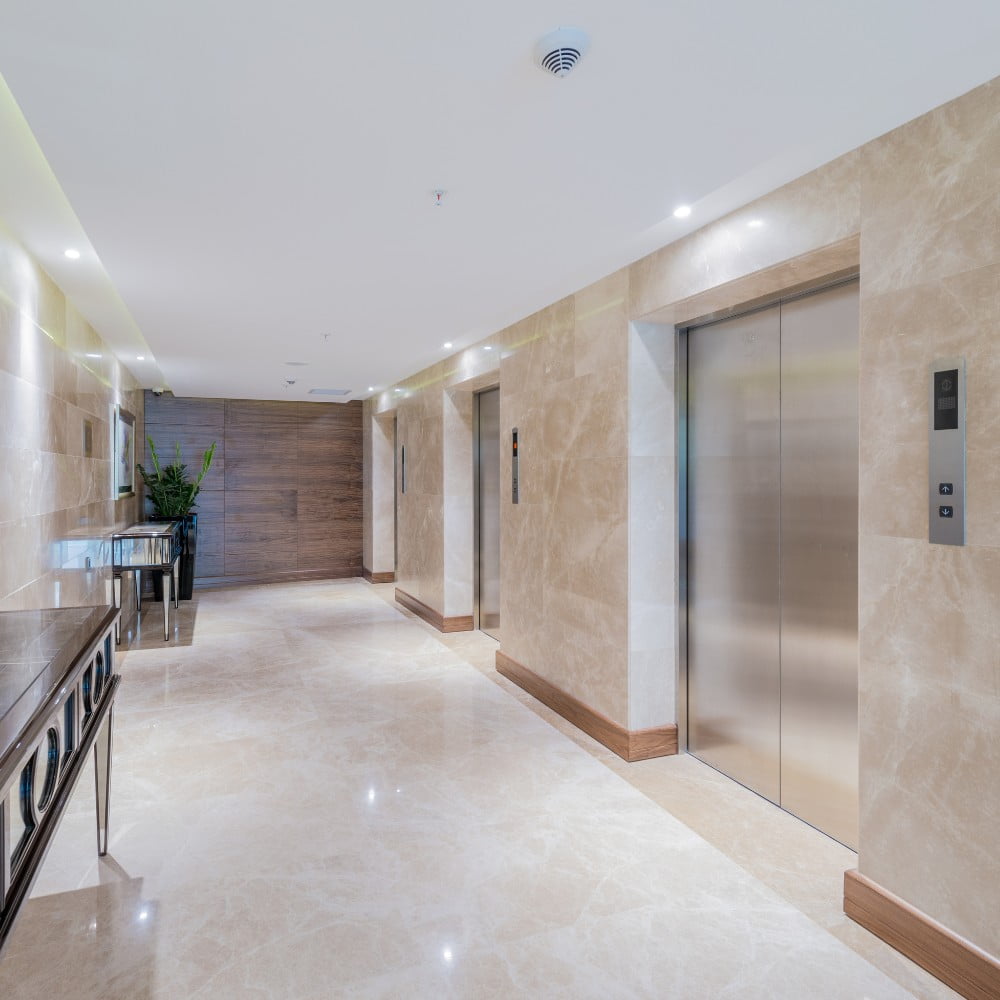
In a corridor, the primary goal is to ensure safe and well-lit passage for occupants while minimizing energy waste and all potential access points and the entire length of the corridor are covered by the sensors. Here are some design considerations:
- Sensor Placement: For long corridors, multiple sensors may be required. Ceiling-mounted sensors can be placed at regular intervals along the length of the corridor to ensure comprehensive coverage. Alternatively, wall-mounted sensors can be placed at both ends of the corridor, with their coverage areas overlapping in the middle to avoid any blind spots. Also, consider the height and range of the sensors to ensure they can effectively detect movement across the entire corridor.
- Sensor Type: Depending on the ceiling height and the presence of any potential obstructions, either ceiling-mounted or wall-mounted sensors can be used. Rayzeek’s ceiling sensors offer automatic ON and full OFF functionality, while our wall sensors provide manual ON and full OFF functionality.
- Additional Manual Controls: In addition to occupancy sensors, manual controls can be integrated for instances where manual override is necessary. These controls can be conveniently located near entrances or exits.
- Avoiding False Triggers: Sensors should be placed such that they do not directly face doors leading to other spaces, external light sources and air vents, as this could lead to false triggers when movement is detected in these adjacent spaces.
注目の製品&ソリューション
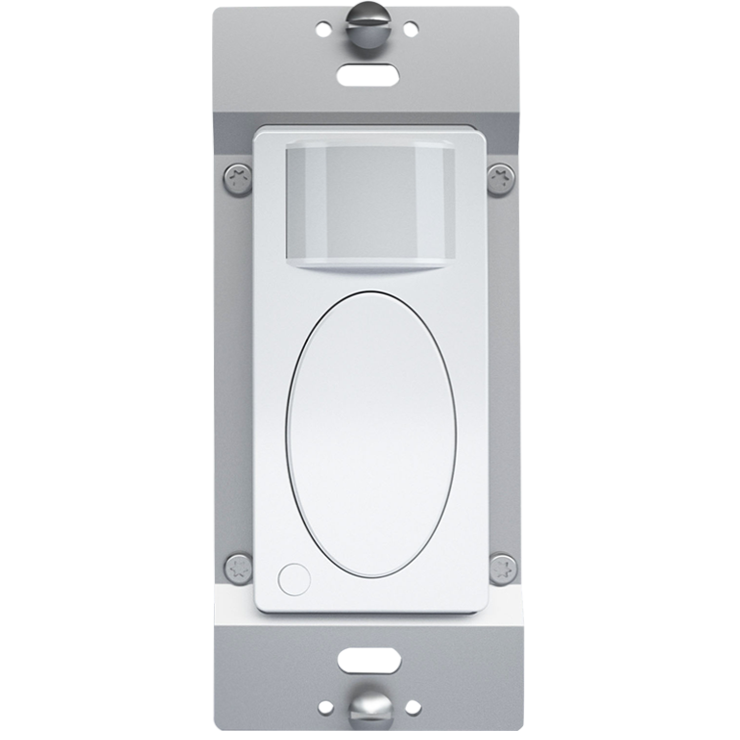
壁付けセンサースイッチ
RZ020/021 動作センサースイッチ
- 2線式、3線式、4線式配線オプション
- Occupancy、Vacancy、手動 ON/OFF
- 調整可能な時間遅延および環境光制御
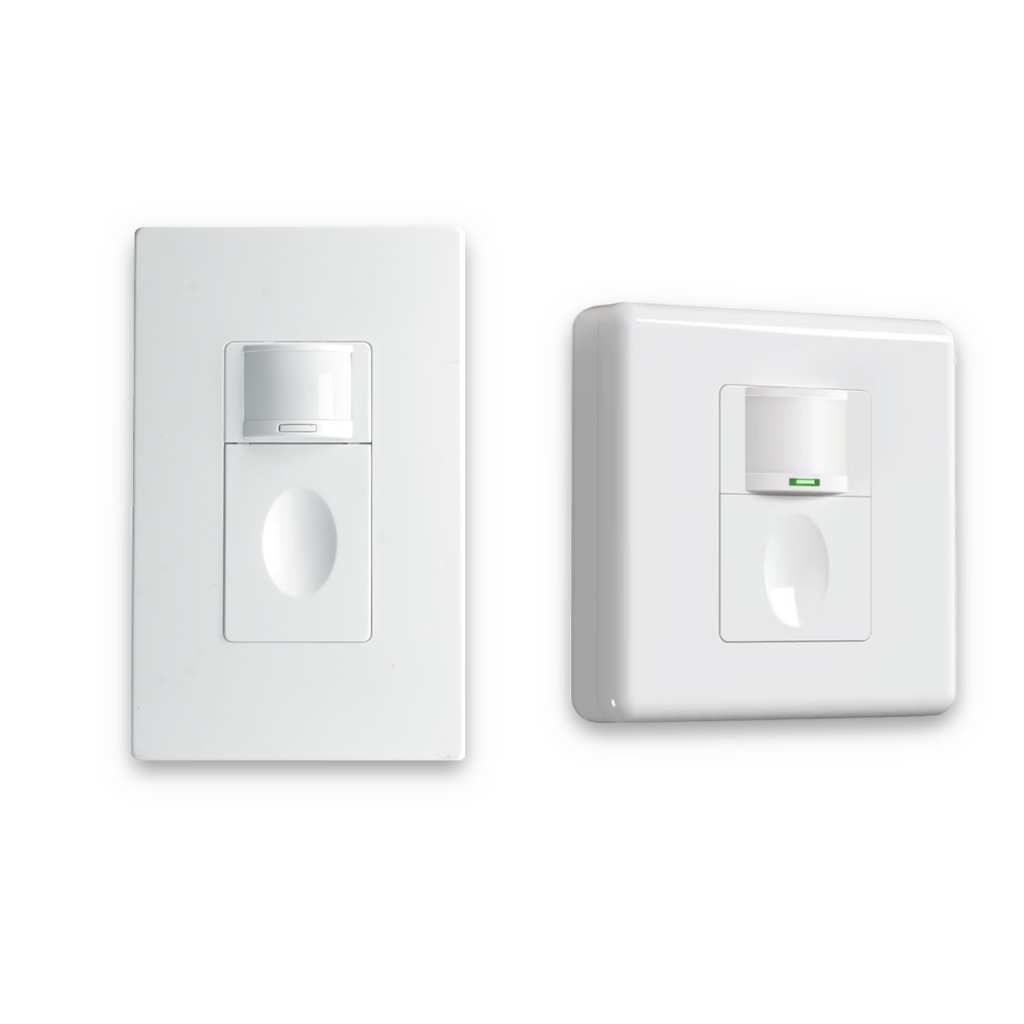
マルチロケーションワイヤレス壁付けセンサー
RZ020A/021A + RZ022W キット
- 有線式 RZ021A/022A Occupancy センサースイッチ
- 複数箇所制御用のワイヤレスコンパニオンスイッチ(RZ022W)

天井式人感センサー
RZ036
- 有線人感センサー
- 自動点灯、自動消灯
- ライン電圧および低電圧対応
主な機能:
- 全照明の統合マニュアルON/OFF制御
- 空室センサー(マニュアルONのみ):照明は手動でのみ点灯可能
- 時間遅延の調整が可能。15分後に照明が完全にオフになる
- 追加機能:配線換えなしで制御範囲を拡張できる複数箇所対応ワイヤレスキット
- 追加機能:新築工事および改修工事の両方に対応する複数の配線オプションを用意
必須規定に適合
IECC – 2011
C405.2.1 居住者センサー制御
その空間の照明を制御するための居住者センサーを設置しなければならない。
C405.2.1.1 居住者センサーの制御機能
- 50%以下の電力でマニュアルONまたは部分的にONにする。
- 全員がその空間を去った後、20分以内に完全にオフにする。
- 照明をオフにするマニュアル制御。
Full automatic-on controls with no manual control are permitted in corridors where manual operation would endanger occupant safety or security.
C405.2.1.4 Occupant sensor control function in corridors.
Occupant sensor controls in corridors shall uniformly reduce lighting power to an occupied setpoint not more than 50 percent offull power within 20 minutes after all occupants have left the space.
Exception: Corridors provided with less than two footcandles of illumination on the floor at the darkest point with all lights on.
ASHRAE 90.1 – 2022
9.4.1.1 a ローカル制御
空間全体の照明をオンおよびオフ制御できる手動照明制御デバイスを1つ以上設けること。
空間内のすべての照明。
9.4.1.1 g Automatic reduction control
The general lighting power in the space shall be automatically reduced by at least 50% within 15 minutes of all occupants leaving the space.
9.4.1.1 h Automatic full OFF control
All lighting in the space shall be automatically shut off within 15 minutes of all occupants leaving the space.
9.4.1.1 i Scheduled shutoff
All lighting in the space shall be automatically shut off during periods when the space is scheduled to be unoccupied.
** NOTE: At least one 9.4.1.1 h or 9.4.1.1 i shall be implemented.
Title 24 – 2022
130.1 (a) 手動エリア制御。
天井高の仕切りで囲まれた各エリアには、そのエリアの照明を手動でオンおよびオフできる照明制御を提供すること。
130.1 (c) シャットオフ制御。
In corridors, lighting shall be controlled by Full or partial-OFF occupant sensing controls that separately reduce the lighting power in each space by at least 50 percent when the space is unoccupied. The occupant sensing controls shall be capable of automatically turning the lighting fully ON only in the separately controlled space, and shall be automatically activated from all designed paths of egress.
ご意見をお聞かせください。
Rayzeekがあなたのために特注の省エネ照明ソリューションの設計と提供をお手伝いします。