

What is E26/E27
E26/E27 is a term used in the lighting industry to describe the standard screw-in base types for light bulbs. The E26 base is the standard base used in North America, while the E27 base is the standard base used in Europe. These bases are commonly referred to as Edison screw bases.
Lasciati ispirare dalla gamma di sensori di movimento Rayzeek.
Non trovi quello che cerchi? Non preoccuparti. Ci sono sempre modi alternativi per risolvere i tuoi problemi. Forse una delle nostre linee di prodotti può aiutarti.
The main difference between the E26 and E27 bases lies in their mechanical design and the required standard voltage. The E26 base is designed for use with 120V AC voltage, which is the standard voltage in North America. On the other hand, the E27 base is designed for use with 240V AC voltage, which is the standard voltage in Europe.
In terms of specific dimensions, there are slight variations between the E26 and E27 bases. The length of the screw for the E26 base is typically around 19.56 mm, while for the E27 base it is around 22.0 mm. The live contact pad width for the E26 base ranges from 9.14 mm to 11.56 mm, while for the E27 base it ranges from 4.8 mm to 11.5 mm. The insulator height for the E26 base is typically around 3.25 mm, while for the E27 base it is around 5 mm. The screw diameter at the thread peak for both bases is approximately 26.05 mm to 26.41 mm. The screw diameter at the thread trough is slightly smaller for the E27 base, measuring around 24.26 mm compared to 24.72 mm for the E26 base. The distance between threads, also known as the OC (on-center) distance, is the same for both bases, measuring approximately 3.629 mm.
Forse ti interessa anche

- Sensore di presenza PIR da soffitto con uscita a relè con contatto pulito
- Alimentazione a bassa tensione 12/24VDC o 12/24VAC
- Contatti relè isolati COM, NO e NC per ingressi EMS, HVAC e controllo dell'edificio

- Interruttore con sensore di movimento a microonde da soffitto a incasso a bassa tensione DC
- Ingresso 12 VDC / 24 VDC con intervallo 10-30 VDC
- Corrente massima di lavoro 10A con ritardo temporale, soglia Lux e sensibilità regolabili
- Interruttore con sensore di movimento a microonde da soffitto a incasso per carichi più elevati
- Ingresso tensione di rete 100-265 VAC, modello da 10A
- Rilevamento a microonde a 5.8 GHz con ritardo temporale, soglia Lux e sensibilità regolabili
- Interruttore con sensore di movimento a microonde da soffitto a incasso
- Ingresso tensione di rete 100-265 VAC, modello da 5A
- Rilevamento a microonde a 5.8 GHz con ritardo temporale, soglia Lux e sensibilità regolabili
- Dimmer con sensore di presenza PIR da soffitto RZ037 per alimentazione a 220V
- Corrente massima di lavoro 3A con carico nominale di 660W
- Il pulsante LUX controlla l'accensione/spegnimento del sensore di luce e la luminosità di regolazione impostata dall'utente
- Dimmer con sensore di presenza PIR da soffitto RZ037 per alimentazione a 110V
- Corrente massima di lavoro 3A con carico nominale di 330W
- Il pulsante LUX controlla l'accensione/spegnimento del sensore di luce e la luminosità di regolazione impostata dall'utente

- Interruttore con sensore di movimento a microonde da soffitto a bassa tensione DC
- Ingresso 12 VDC / 24 VDC con intervallo 10-30 VDC
- Corrente massima di lavoro 10A con ritardo temporale, soglia Lux e sensibilità regolabili
- Interruttore con sensore di movimento a microonde da soffitto per carichi più elevati
- Ingresso tensione di rete 100-265 VAC, modello da 10A
- Rilevamento a microonde a 5.8 GHz con ritardo temporale, soglia Lux e sensibilità regolabili
- Interruttore con sensore di movimento a microonde da soffitto
- Ingresso tensione di rete 100-265 VAC, modello da 5A
- Rilevamento a microonde a 5.8 GHz con ritardo temporale, soglia Lux e sensibilità regolabili

- Interruttore con sensore di movimento PIR da soffitto a incasso a bassa tensione DC
- Ingresso 12 VDC / 24 VDC con intervallo 10-30 VDC
- Corrente massima di lavoro 10A con ritardo temporale, soglia Lux e sensibilità regolabili

- Interruttore con sensore di movimento PIR da soffitto a incasso per carichi più elevati
- Ingresso tensione di rete 100-265 VAC, modello da 10A
- Rilevamento a 360 gradi con ritardo, soglia Lux e sensibilità regolabili
- Interruttore con sensore di movimento PIR da soffitto a incasso
- Ingresso tensione di rete 100-265 VAC, modello da 5A
- Rilevamento a 360 gradi con ritardo, soglia Lux e sensibilità regolabili

- Kit interruttore e ricevitore wireless per il controllo dell'illuminazione ON/OFF per interni
- Ricevitore 100-230VAC, 50/60Hz con corrente nominale di 5A
- Interruttore wireless alimentato da CR2032 con comunicazione a 2.4GHz
- Presenza (Auto-ON/Auto-OFF)
- 12–24V DC (10–30VDC), fino a 10A
- Copertura a 360°, diametro 8–12 m
- Ritardo da 15 s a 30 min
- Sensore di luce Off/15/25/35 Lux
- Sensibilità Alta/Bassa
- Modalità presenza Auto-ON/Auto-OFF
- 100–265V AC, 10A (neutro richiesto)
- Copertura a 360°; diametro di rilevamento 8–12 m
- Ritardo 15 s–30 min; Lux OFF/15/25/35; Sensibilità Alta/Bassa
- Modalità presenza Auto-ON/Auto-OFF
- 100–265V AC, 5A (neutro richiesto)
- Copertura a 360°; diametro di rilevamento 8–12 m
- Ritardo 15 s–30 min; Lux OFF/15/25/35; Sensibilità Alta/Bassa
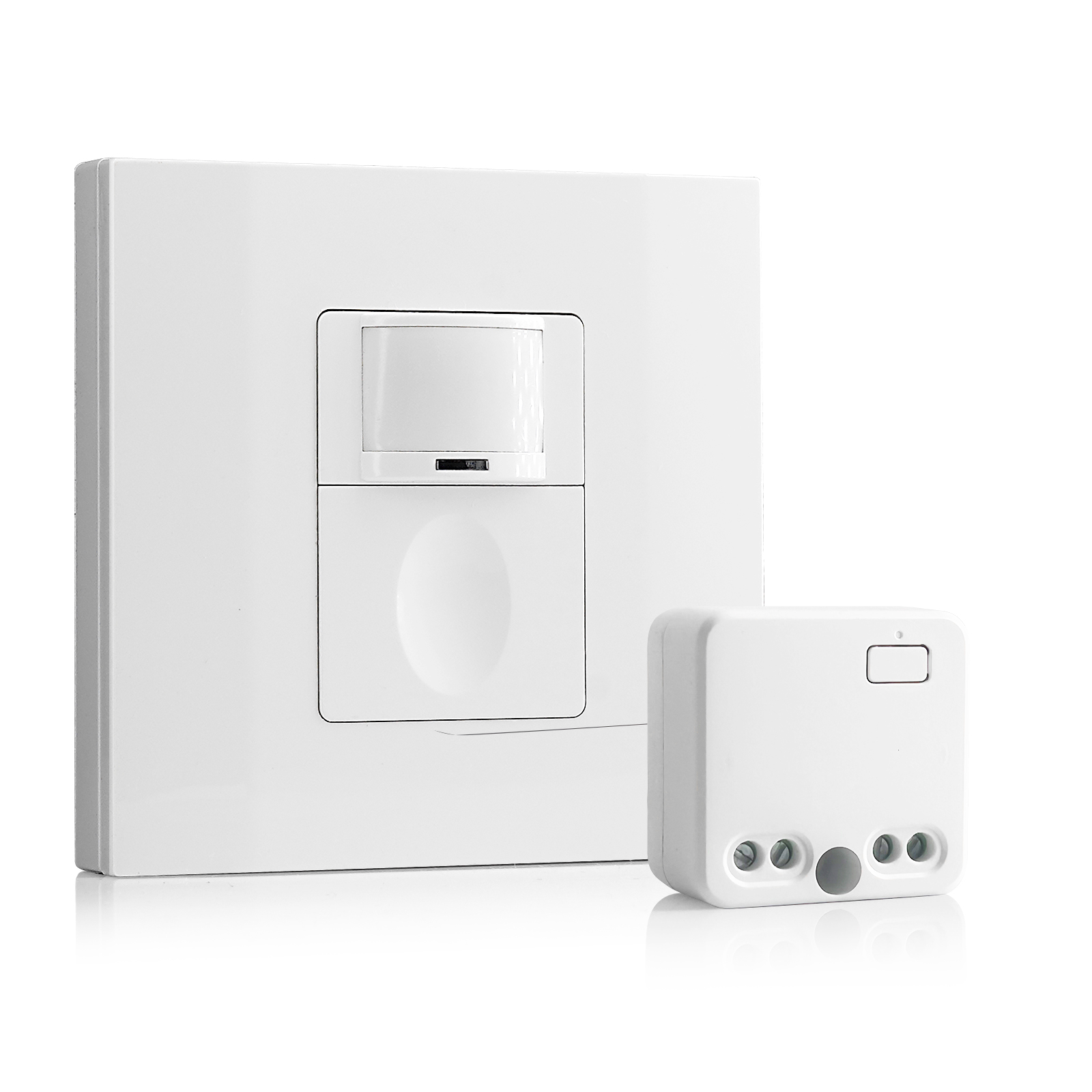
- 100V-230VAC
- Distanza di trasmissione: fino a 20m
- Sensore di movimento wireless
- Controllo cablato
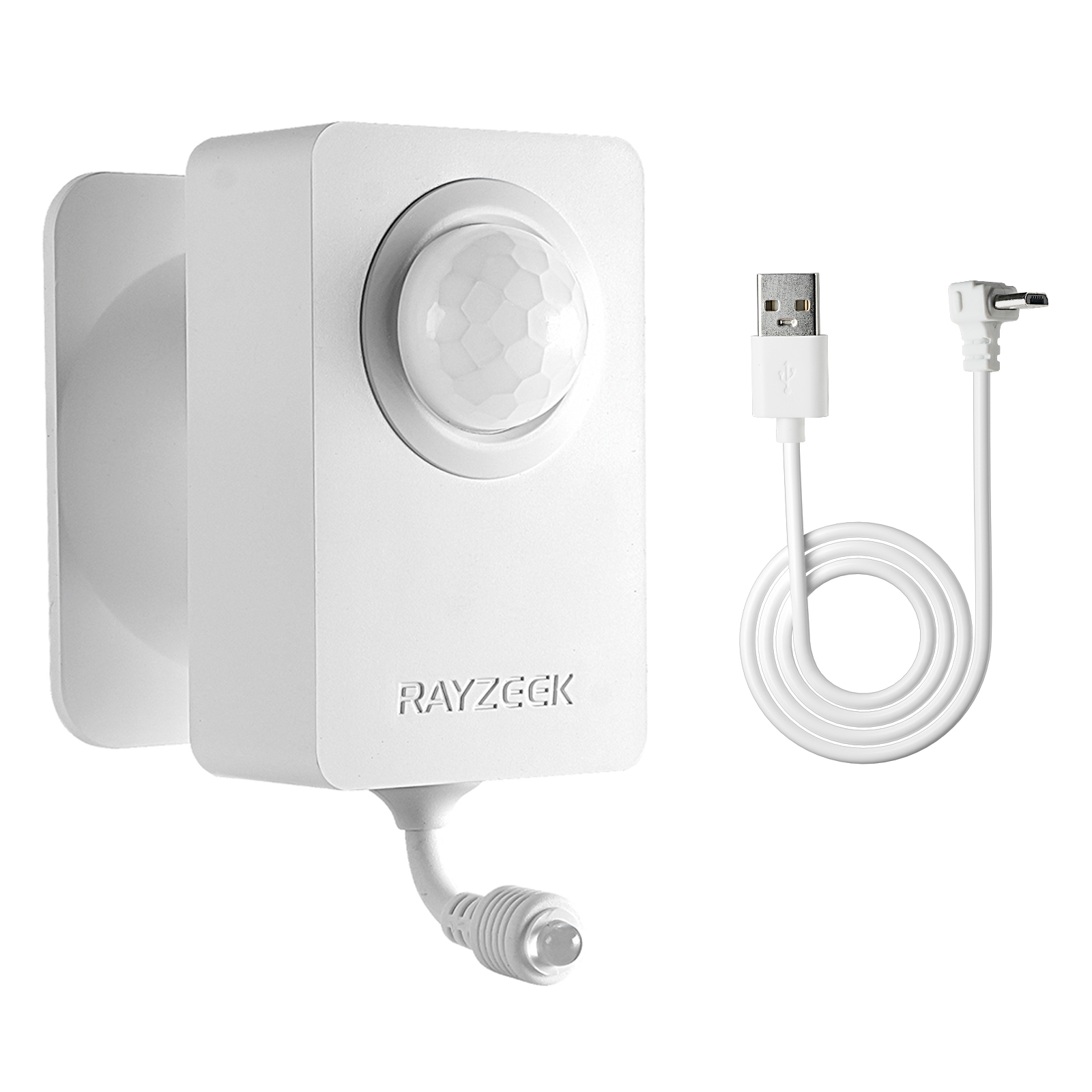
- Tensione: 2 batterie AAA / 5 V CC (Micro USB)
- Modalità Giorno/Notte
- Ritardo di spegnimento: 15 min, 30 min, 1 h (predefinito), 2 h
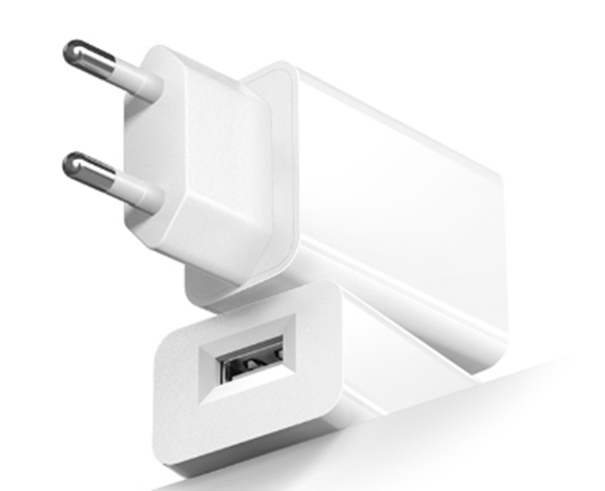
- Adattatore di alimentazione con spina UE
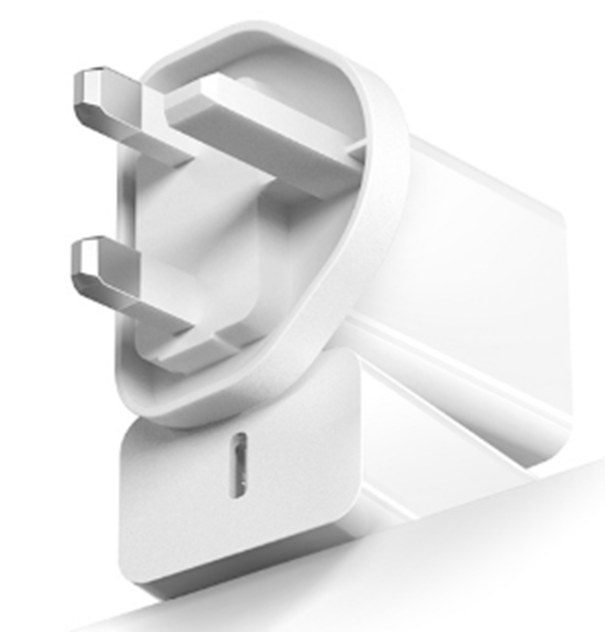
- Adattatore di alimentazione con spina per Regno Unito
Frequently Asked Questions
How Do I Know if My Light Bulb Is Compatible
Every light fixture has a specific maximum wattage. To determine if your light bulb is compatible, it is important to select a bulb with a wattage that is equal to or lower than the maximum wattage indicated on your fixture. It is crucial to avoid using a high wattage bulb in a light fixture with a lower wattage capacity.
Do I Need an A19 or E26 Light Bulb Base
Yes, the A19 and E26 light bulb bases can be used interchangeably. The only distinction between the two is their size and shape. The standard base type for A19 light bulbs is E26. A19 bulbs are designed with an E26 base and can be inserted into sockets that are compatible with Edison bulbs.
How Do I Know if My Bulb Is E27
To determine if your bulb is E27, you can check the label on the base. The code used for the bulb base will be similar to the one used for the bulb itself. For instance, an E27 base refers to an Edison screw base that has a measurement of 27mm. The measurement is taken across the bottom of the screw or bayonet base.
What Is Difference Between E26 and A19
A19 is a term used to describe the shape and size of the bulb, while E26 refers to the type and size of the base. The “A” in A19 stands for Arbitrary, which is simply the name given to the familiar bulb shape. The number “19” represents the size of the bulb, specifically 19/8″ or 2 3/8″ across. On the other hand, E26 refers to the base of the bulb, which is the part that is inserted into the light socket.
Are E27 Bulbs Being Discontinued
The lamps that will no longer be allowed to be sold after October 1st, 2021 include self-ballasted compact fluorescent retrofit lamps with caps B22, E27, and others, as well as linear halogen R7s lamps with over 2,700 lumens. Additionally, 12V halogen reflector lamps such as MR11/GU4 and MR16/GU5 will also be discontinued.
Can You Use E27 in USA
E26 lamps are specifically designed for the North American market, where the standard voltage is 120V AC. On the other hand, E27 lamps are intended for use in other markets where the standard voltage is 240V AC.







