
What is Load Wire
In a light switch, load wire refers to the wire that carries electricity from the switch to the light fixture or device. This wire is responsible for delivering power to the load when the switch is turned on. It is important to note that the load wire is distinct from the line wire, which carries power from the source to the switch.
When the switch is in the on position, the load wire enables the flow of electricity to the light fixture, allowing it to be powered. Conversely, when the switch is turned off, the load wire interrupts the power supply, resulting in the light being turned off.
Cerchi soluzioni per il risparmio energetico attivate dal movimento?
Contattaci per sensori di movimento PIR completi, prodotti per il risparmio energetico attivati dal movimento, interruttori con sensore di movimento e soluzioni commerciali di presenza/assenza.
In the context of a series of outlets wired in sequence, the load wire plays a crucial role. It is the wire that feeds electricity from the first outlet to the remaining outlets on the same line. This ensures that power is distributed to all the outlets in the circuit.
Identifying the load wire is essential when working with electrical components to ensure proper installation and operation. It is typically connected to the switch along with the wire that goes from the switch to the lights. The load wire is commonly colored black, although it may vary depending on the country or the specific wiring configuration, such as in the case of a three-way switch.
Forse ti interessa anche

- Sensore di presenza PIR da soffitto con uscita a relè con contatto pulito
- Alimentazione a bassa tensione 12/24VDC o 12/24VAC
- Contatti relè isolati COM, NO e NC per ingressi EMS, HVAC e controllo dell'edificio

- Interruttore con sensore di movimento a microonde da soffitto a incasso a bassa tensione DC
- Ingresso 12 VDC / 24 VDC con intervallo 10-30 VDC
- Corrente massima di lavoro 10A con ritardo temporale, soglia Lux e sensibilità regolabili
- Interruttore con sensore di movimento a microonde da soffitto a incasso per carichi più elevati
- Ingresso tensione di rete 100-265 VAC, modello da 10A
- Rilevamento a microonde a 5.8 GHz con ritardo temporale, soglia Lux e sensibilità regolabili
- Interruttore con sensore di movimento a microonde da soffitto a incasso
- Ingresso tensione di rete 100-265 VAC, modello da 5A
- Rilevamento a microonde a 5.8 GHz con ritardo temporale, soglia Lux e sensibilità regolabili
- Dimmer con sensore di presenza PIR da soffitto RZ037 per alimentazione a 220V
- Corrente massima di lavoro 3A con carico nominale di 660W
- Il pulsante LUX controlla l'accensione/spegnimento del sensore di luce e la luminosità di regolazione impostata dall'utente
- Dimmer con sensore di presenza PIR da soffitto RZ037 per alimentazione a 110V
- Corrente massima di lavoro 3A con carico nominale di 330W
- Il pulsante LUX controlla l'accensione/spegnimento del sensore di luce e la luminosità di regolazione impostata dall'utente

- Interruttore con sensore di movimento a microonde da soffitto a bassa tensione DC
- Ingresso 12 VDC / 24 VDC con intervallo 10-30 VDC
- Corrente massima di lavoro 10A con ritardo temporale, soglia Lux e sensibilità regolabili
- Interruttore con sensore di movimento a microonde da soffitto per carichi più elevati
- Ingresso tensione di rete 100-265 VAC, modello da 10A
- Rilevamento a microonde a 5.8 GHz con ritardo temporale, soglia Lux e sensibilità regolabili
- Interruttore con sensore di movimento a microonde da soffitto
- Ingresso tensione di rete 100-265 VAC, modello da 5A
- Rilevamento a microonde a 5.8 GHz con ritardo temporale, soglia Lux e sensibilità regolabili

- Interruttore con sensore di movimento PIR da soffitto a incasso a bassa tensione DC
- Ingresso 12 VDC / 24 VDC con intervallo 10-30 VDC
- Corrente massima di lavoro 10A con ritardo temporale, soglia Lux e sensibilità regolabili

- Interruttore con sensore di movimento PIR da soffitto a incasso per carichi più elevati
- Ingresso tensione di rete 100-265 VAC, modello da 10A
- Rilevamento a 360 gradi con ritardo, soglia Lux e sensibilità regolabili
- Interruttore con sensore di movimento PIR da soffitto a incasso
- Ingresso tensione di rete 100-265 VAC, modello da 5A
- Rilevamento a 360 gradi con ritardo, soglia Lux e sensibilità regolabili

- Kit interruttore e ricevitore wireless per il controllo dell'illuminazione ON/OFF per interni
- Ricevitore 100-230VAC, 50/60Hz con corrente nominale di 5A
- Interruttore wireless alimentato da CR2032 con comunicazione a 2.4GHz
- Presenza (Auto-ON/Auto-OFF)
- 12–24V DC (10–30VDC), fino a 10A
- Copertura a 360°, diametro 8–12 m
- Ritardo da 15 s a 30 min
- Sensore di luce Off/15/25/35 Lux
- Sensibilità Alta/Bassa
- Modalità presenza Auto-ON/Auto-OFF
- 100–265V AC, 10A (neutro richiesto)
- Copertura a 360°; diametro di rilevamento 8–12 m
- Ritardo 15 s–30 min; Lux OFF/15/25/35; Sensibilità Alta/Bassa
- Modalità presenza Auto-ON/Auto-OFF
- 100–265V AC, 5A (neutro richiesto)
- Copertura a 360°; diametro di rilevamento 8–12 m
- Ritardo 15 s–30 min; Lux OFF/15/25/35; Sensibilità Alta/Bassa
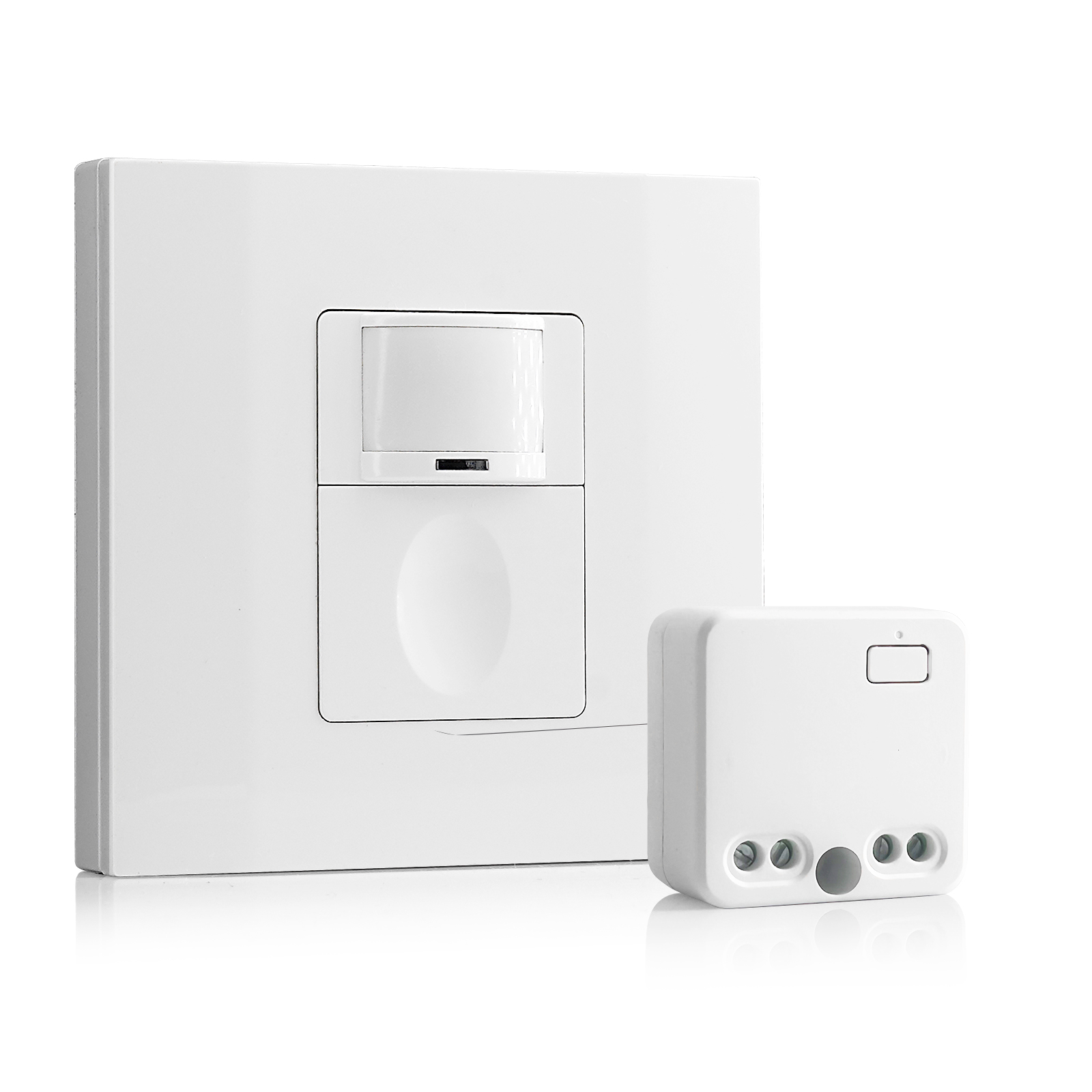
- 100V-230VAC
- Distanza di trasmissione: fino a 20m
- Sensore di movimento wireless
- Controllo cablato
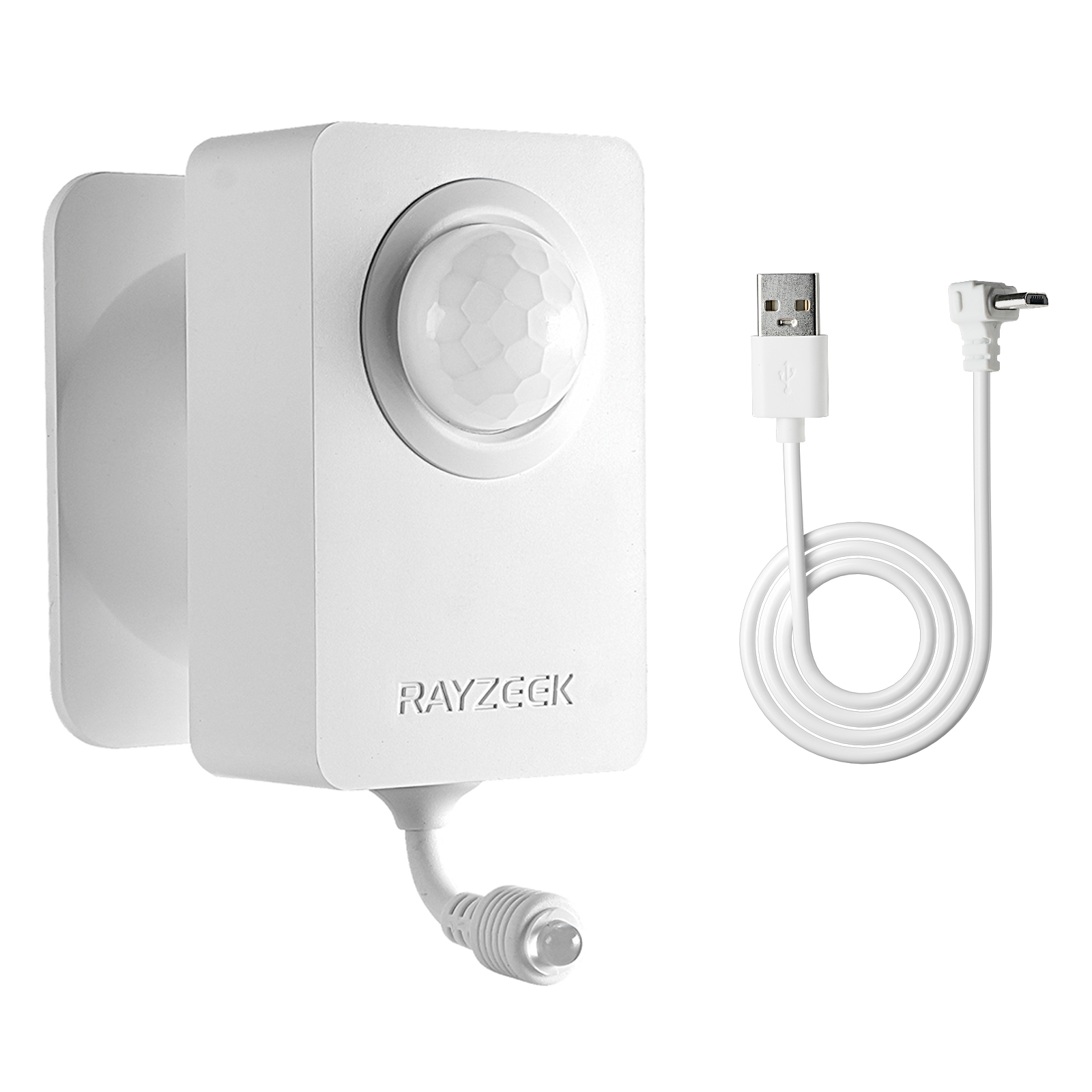
- Tensione: 2 batterie AAA / 5 V CC (Micro USB)
- Modalità Giorno/Notte
- Ritardo di spegnimento: 15 min, 30 min, 1 h (predefinito), 2 h
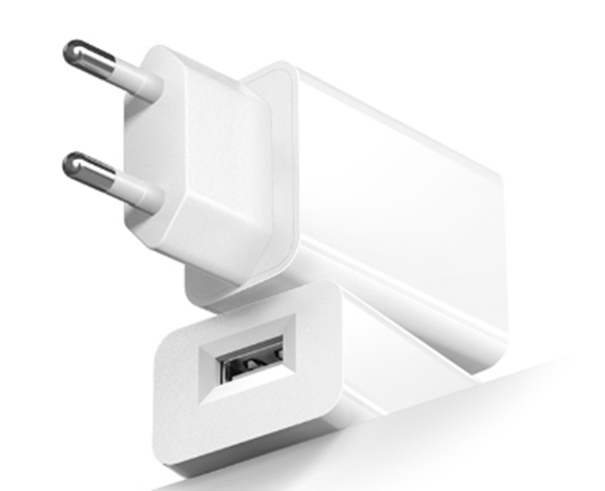
- Adattatore di alimentazione con spina UE
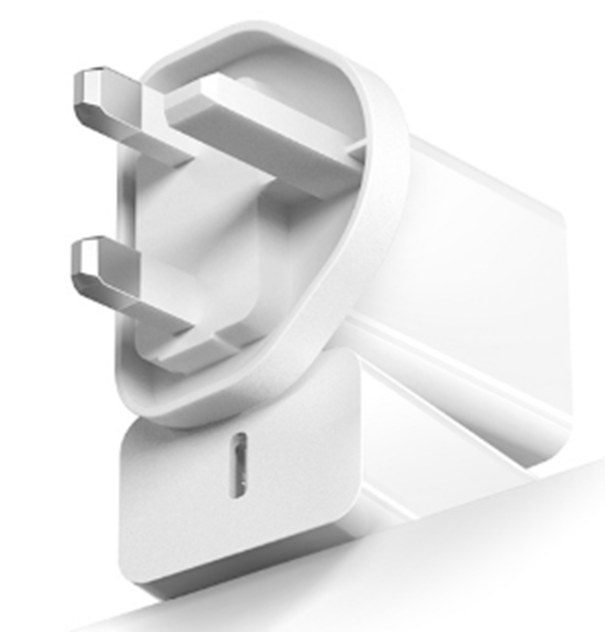
- Adattatore di alimentazione con spina per Regno Unito
Frequently Asked Questions
Does It Matter Which Wire Goes Where on a Light Switch
It is not important which wire goes where on a light switch because the switch terminals can be interchanged.
How Do You Tell Which Wire Is Hot When Both Are Black
Use a test lamp, which is essentially a light bulb with two wires extending from the holder. To determine which wire is hot when both are black, simply connect one lamp wire to one of the black wires and the other lamp wire to the ground wire. If the bulb illuminates, it indicates that the wire is hot.
What Happens if You Mix Up Hot and Neutral Wires on Light Fixture
If you mistakenly swap the hot and neutral wires, the circuit will not function properly. The light or appliance will fail to turn on, and there is a possibility of tripping a circuit breaker.
Which Wire Is Load and Which Is Line
In the electrical industry, the terms “line” and “load” are commonly used to distinguish between the wires that transmit power from the source to a device (line) and the wires that carry power to other devices along the circuit (load).
What Is the Difference Between a Live Wire and a Load Wire
Line wires are constantly carrying electricity, making them live at all times. On the other hand, load wires are only live when they are connected to an active outlet or switch. This means that load wires are only carrying electricity when they are in use. In most homes, there are two hot wires (line wires) and one neutral wire (load wire). The hot wires are typically colored black or red, while the neutral wire is colored white.
Do All Light Switches Have a Load Wire
A load wire is necessary for a switch to function properly and control the on and off functions. In the case of 3-way switches, it is common for the white wire to be used as a current carrier. To distinguish it as potentially hot, the white wire may have a black mark or black tape on it.
Is Load Wire Same as Neutral
Load wires and neutral wires serve different purposes in an electrical system. Load wires are responsible for delivering power directly to the controlled appliance or device, while neutral wires carry the return current back to the control from the load. Line wires, on the other hand, originate from the source, such as a transformer, substation, or power plant. Therefore, load wires and neutral wires are not the same.







