
What is Load Wire
In a light switch, load wire refers to the wire that carries electricity from the switch to the light fixture or device. This wire is responsible for delivering power to the load when the switch is turned on. It is important to note that the load wire is distinct from the line wire, which carries power from the source to the switch.
When the switch is in the on position, the load wire enables the flow of electricity to the light fixture, allowing it to be powered. Conversely, when the switch is turned off, the load wire interrupts the power supply, resulting in the light being turned off.
Mencari Solusi Hemat Energi Berbasis Sensor Gerak?
Hubungi kami untuk sensor gerak PIR lengkap, produk hemat energi berbasis sensor gerak, sakelar sensor gerak, serta solusi komersial Occupancy/Vacancy.
In the context of a series of outlets wired in sequence, the load wire plays a crucial role. It is the wire that feeds electricity from the first outlet to the remaining outlets on the same line. This ensures that power is distributed to all the outlets in the circuit.
Identifying the load wire is essential when working with electrical components to ensure proper installation and operation. It is typically connected to the switch along with the wire that goes from the switch to the lights. The load wire is commonly colored black, although it may vary depending on the country or the specific wiring configuration, such as in the case of a three-way switch.
Mungkin Anda Tertarik Dengan

- Ceiling-mounted PIR occupancy sensor dengan output dry-contact relay
- Suplai tegangan rendah 12/24VDC atau 12/24VAC
- Kontak relai terisolasi COM, NO, dan NC untuk input EMS, HVAC, dan kontrol gedung

- Low-voltage DC recessed ceiling-mounted microwave motion sensor switch
- Input 12 VDC / 24 VDC dengan rentang 10-30 VDC
- Arus kerja maks 10A dengan waktu tunda (time delay), ambang batas Lux, dan sensitivitas yang dapat disesuaikan
- Higher-load recessed ceiling-mounted microwave motion sensor switch
- Input tegangan jala-jala 100-265 VAC, model 10A
- Penginderaan gelombang mikro 5.8 GHz dengan waktu tunda (time delay), ambang batas Lux, dan sensitivitas yang dapat disesuaikan
- Recessed ceiling-mounted microwave motion sensor switch
- Input tegangan jala-jala 100-265 VAC, model 5A
- Penginderaan gelombang mikro 5.8 GHz dengan waktu tunda (time delay), ambang batas Lux, dan sensitivitas yang dapat disesuaikan
- Ceiling-mounted RZ037 PIR occupancy sensor dimmer untuk daya 220V
- Arus kerja maksimum 3A dengan beban pengenal 660W
- Tombol LUX mengontrol ON/OFF sensor cahaya dan kecerahan peredupan yang diatur pengguna
- Ceiling-mounted RZ037 PIR occupancy sensor dimmer untuk daya 110V
- Arus kerja maksimum 3A dengan beban pengenal 330W
- Tombol LUX mengontrol ON/OFF sensor cahaya dan kecerahan peredupan yang diatur pengguna

- Sakelar sensor gerak gelombang mikro plafon DC tegangan rendah
- Input 12 VDC / 24 VDC dengan rentang 10-30 VDC
- Arus kerja maks 10A dengan waktu tunda (time delay), ambang batas Lux, dan sensitivitas yang dapat disesuaikan
- Sakelar sensor gerak gelombang mikro plafon beban lebih tinggi
- Input tegangan jala-jala 100-265 VAC, model 10A
- Penginderaan gelombang mikro 5.8 GHz dengan waktu tunda (time delay), ambang batas Lux, dan sensitivitas yang dapat disesuaikan
- Sakelar sensor gerak gelombang mikro plafon
- Input tegangan jala-jala 100-265 VAC, model 5A
- Penginderaan gelombang mikro 5.8 GHz dengan waktu tunda (time delay), ambang batas Lux, dan sensitivitas yang dapat disesuaikan

- Sakelar sensor gerak PIR tanam plafon DC tegangan rendah
- Input 12 VDC / 24 VDC dengan rentang 10-30 VDC
- Arus kerja maks 10A dengan jeda waktu, ambang batas Lux, dan sensitivitas yang dapat disesuaikan

- Sakelar sensor gerak PIR tanam plafon beban lebih tinggi
- Input tegangan jala-jala 100-265 VAC, model 10A
- Deteksi 360 derajat dengan jeda waktu, ambang batas Lux, dan sensitivitas yang dapat disesuaikan
- Sakelar sensor gerak PIR tanam plafon
- Input tegangan jala-jala 100-265 VAC, model 5A
- Deteksi 360 derajat dengan jeda waktu, ambang batas Lux, dan sensitivitas yang dapat disesuaikan

- Kit penerima dan sakelar nirkabel untuk kontrol pencahayaan ON/OFF dalam ruangan
- Penerima 100-230VAC, 50/60Hz dengan arus nominal 5A
- Sakelar nirkabel bertenaga CR2032 dengan komunikasi 2.4GHz
- Okupansi (Auto-ON/Auto-OFF)
- 12–24V DC (10–30VDC), hingga 10A
- Cakupan 360°, diameter 8–12 m
- Jeda waktu 15 dtk–30 mnt
- Sensor cahaya Mati/15/25/35 Lux
- Sensitivitas Tinggi/Rendah
- Mode okupansi Auto-ON/Auto-OFF
- 100–265V AC, 10A (diperlukan kabel netral)
- Cakupan 360°; diameter deteksi 8–12 m
- Jeda waktu 15 dtk–30 mnt; Lux MATI/15/25/35; Sensitivitas Tinggi/Rendah
- Mode okupansi Auto-ON/Auto-OFF
- 100–265V AC, 5A (diperlukan kabel netral)
- Cakupan 360°; diameter deteksi 8–12 m
- Jeda waktu 15 dtk–30 mnt; Lux MATI/15/25/35; Sensitivitas Tinggi/Rendah
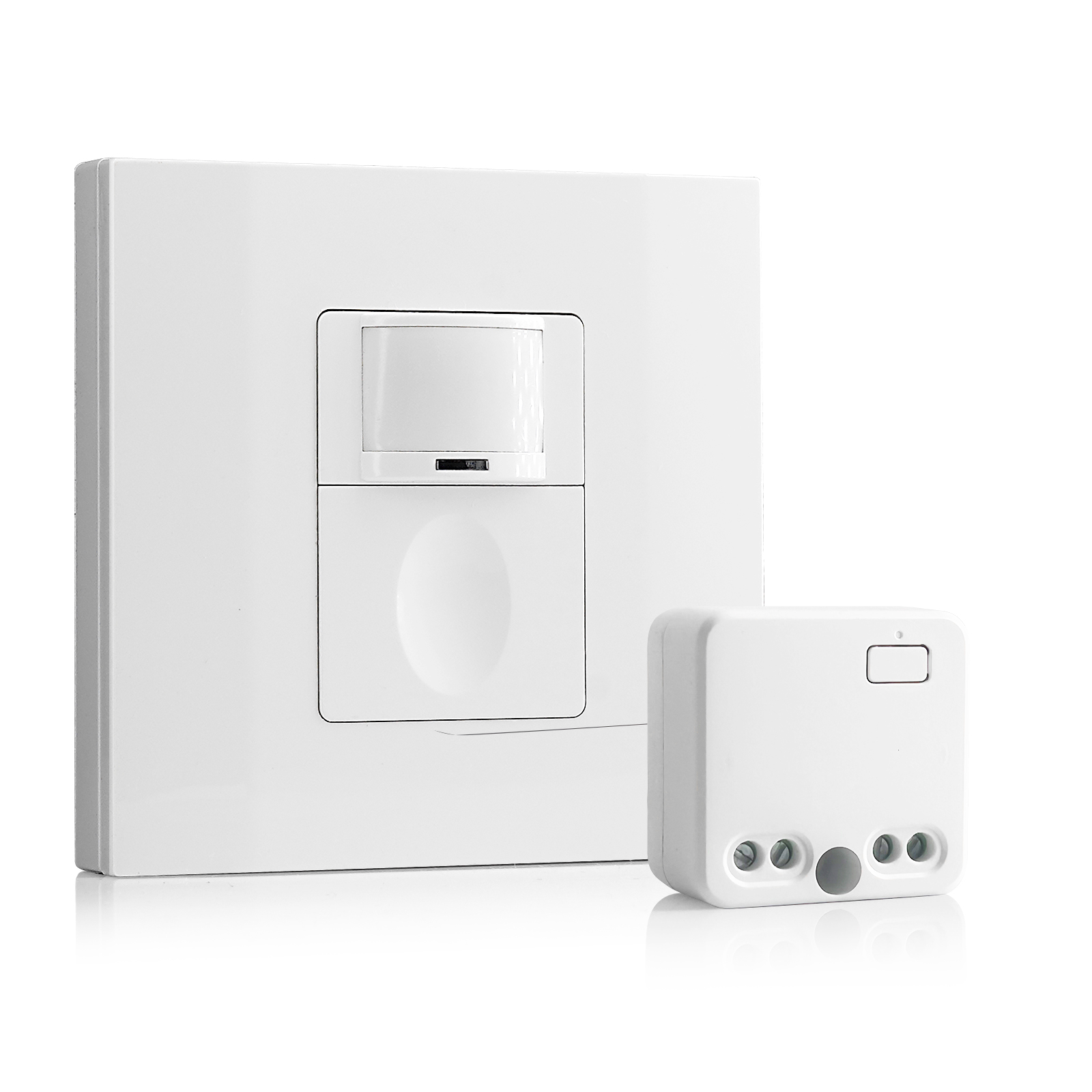
- 100V-230VAC
- Jarak Transmisi: hingga 20m
- Sensor gerak nirkabel
- Kontrol berkabel
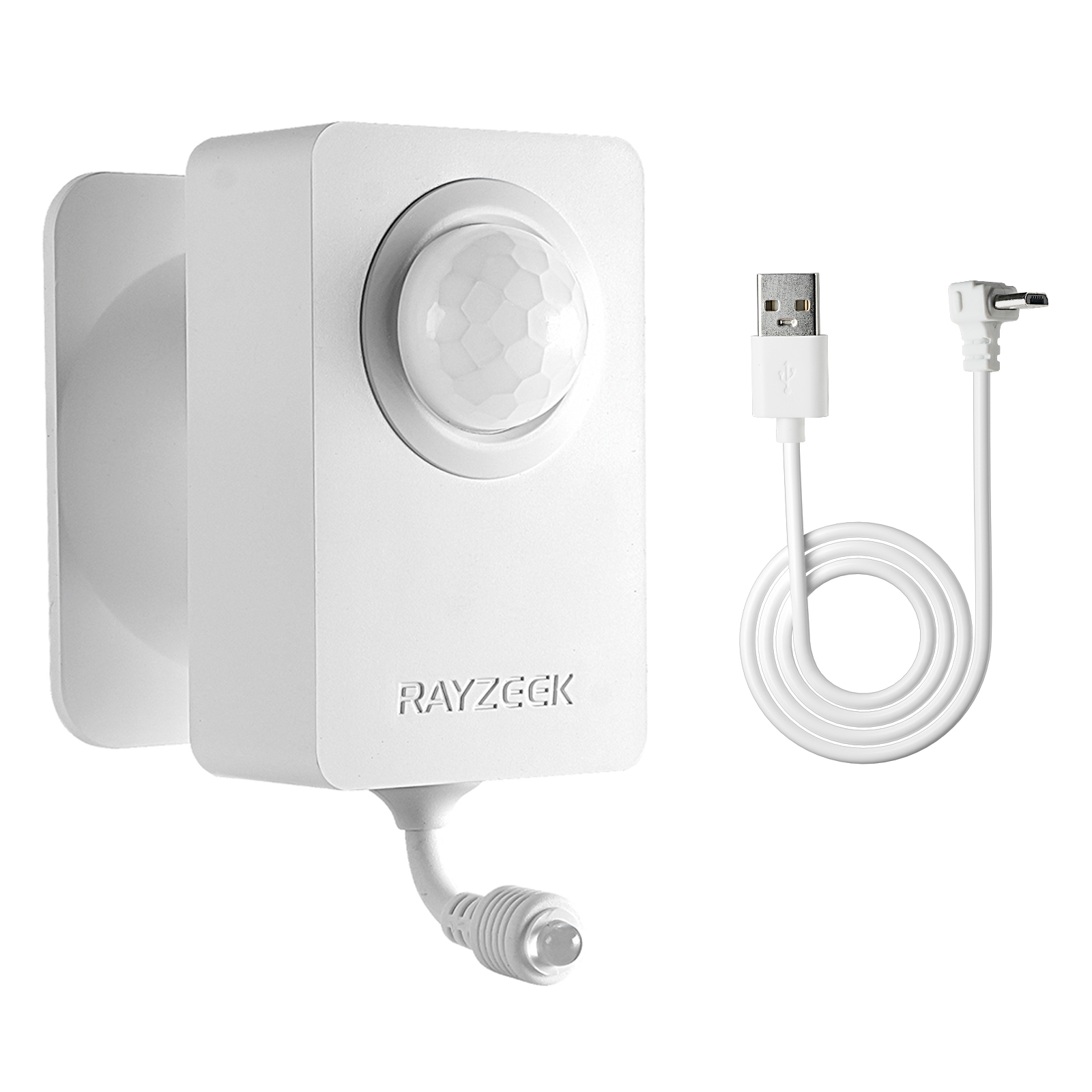
- Tegangan: 2x Baterai AAA / 5V DC (Micro USB)
- Mode Siang/Malam
- Jeda waktu: 15mnt, 30mnt, 1j (bawaan), 2j
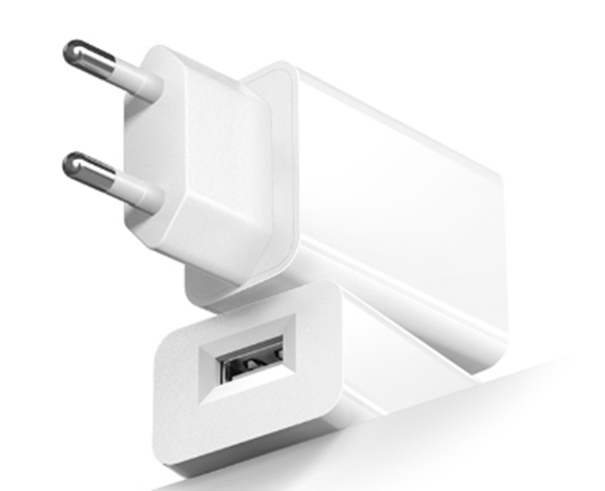
- Adaptor daya colokan UE
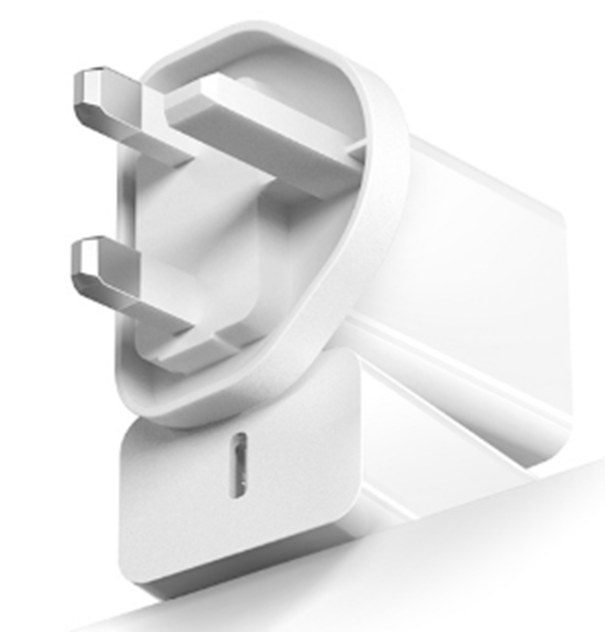
- Adaptor daya colokan Inggris
Frequently Asked Questions
Does It Matter Which Wire Goes Where on a Light Switch
It is not important which wire goes where on a light switch because the switch terminals can be interchanged.
How Do You Tell Which Wire Is Hot When Both Are Black
Use a test lamp, which is essentially a light bulb with two wires extending from the holder. To determine which wire is hot when both are black, simply connect one lamp wire to one of the black wires and the other lamp wire to the ground wire. If the bulb illuminates, it indicates that the wire is hot.
What Happens if You Mix Up Hot and Neutral Wires on Light Fixture
If you mistakenly swap the hot and neutral wires, the circuit will not function properly. The light or appliance will fail to turn on, and there is a possibility of tripping a circuit breaker.
Which Wire Is Load and Which Is Line
In the electrical industry, the terms “line” and “load” are commonly used to distinguish between the wires that transmit power from the source to a device (line) and the wires that carry power to other devices along the circuit (load).
What Is the Difference Between a Live Wire and a Load Wire
Line wires are constantly carrying electricity, making them live at all times. On the other hand, load wires are only live when they are connected to an active outlet or switch. This means that load wires are only carrying electricity when they are in use. In most homes, there are two hot wires (line wires) and one neutral wire (load wire). The hot wires are typically colored black or red, while the neutral wire is colored white.
Do All Light Switches Have a Load Wire
A load wire is necessary for a switch to function properly and control the on and off functions. In the case of 3-way switches, it is common for the white wire to be used as a current carrier. To distinguish it as potentially hot, the white wire may have a black mark or black tape on it.
Is Load Wire Same as Neutral
Load wires and neutral wires serve different purposes in an electrical system. Load wires are responsible for delivering power directly to the controlled appliance or device, while neutral wires carry the return current back to the control from the load. Line wires, on the other hand, originate from the source, such as a transformer, substation, or power plant. Therefore, load wires and neutral wires are not the same.







