
What is High Bay
High bay is a specific type of lighting fixture designed for illuminating large areas with high ceilings, typically ranging from 20 to 40 feet in height from the floor. These fixtures are commonly found in industrial and commercial spaces, where they provide strong and evenly distributed light while minimizing glare.
High bay lighting fixtures are specifically engineered to meet the challenges posed by tall ceilings. They are mounted onto high ceilings, ensuring that the light is effectively directed downwards to illuminate the intended area. This design helps to maximize the efficiency of the lighting and minimize wasted light.
Get Inspired by Rayzeek Motion Sensor Portfolios.
Doesn't find what you want? Don't worry. There are always alternate ways to solve your problems. Maybe one of our portfolios can help.
One key distinction between high bay lighting and other types of lighting fixtures, such as low bay lighting, is the ceiling height. High bay fixtures are specifically designed for spaces with taller ceilings, typically between 20 to 45 feet high. This ensures that the light is appropriately distributed across the larger vertical space.
In terms of installation, high bay lighting fixtures offer flexibility. They can be hung from the ceiling using various methods, such as hooks, chains, or pendants. Alternatively, they can be fixed directly to the ceiling, similar to troffer lights. This versatility allows for different installation options based on the specific requirements of the space.
Maybe You Are Interested In

- Ceiling-mounted RZ037 PIR occupancy sensor dimmer for 220V power
- 3A maximum working current with 660W rated load
- LUX button controls light-sensor ON/OFF and user-set dimming brightness
- Ceiling-mounted RZ037 PIR occupancy sensor dimmer for 110V power
- 3A maximum working current with 330W rated load
- LUX button controls light-sensor ON/OFF and user-set dimming brightness
- Ceiling-mounted PIR occupancy sensor with dry-contact relay output
- 12/24VDC or 12/24VAC low-voltage supply
- COM, NO, and NC isolated relay contacts for EMS, HVAC, and building control inputs
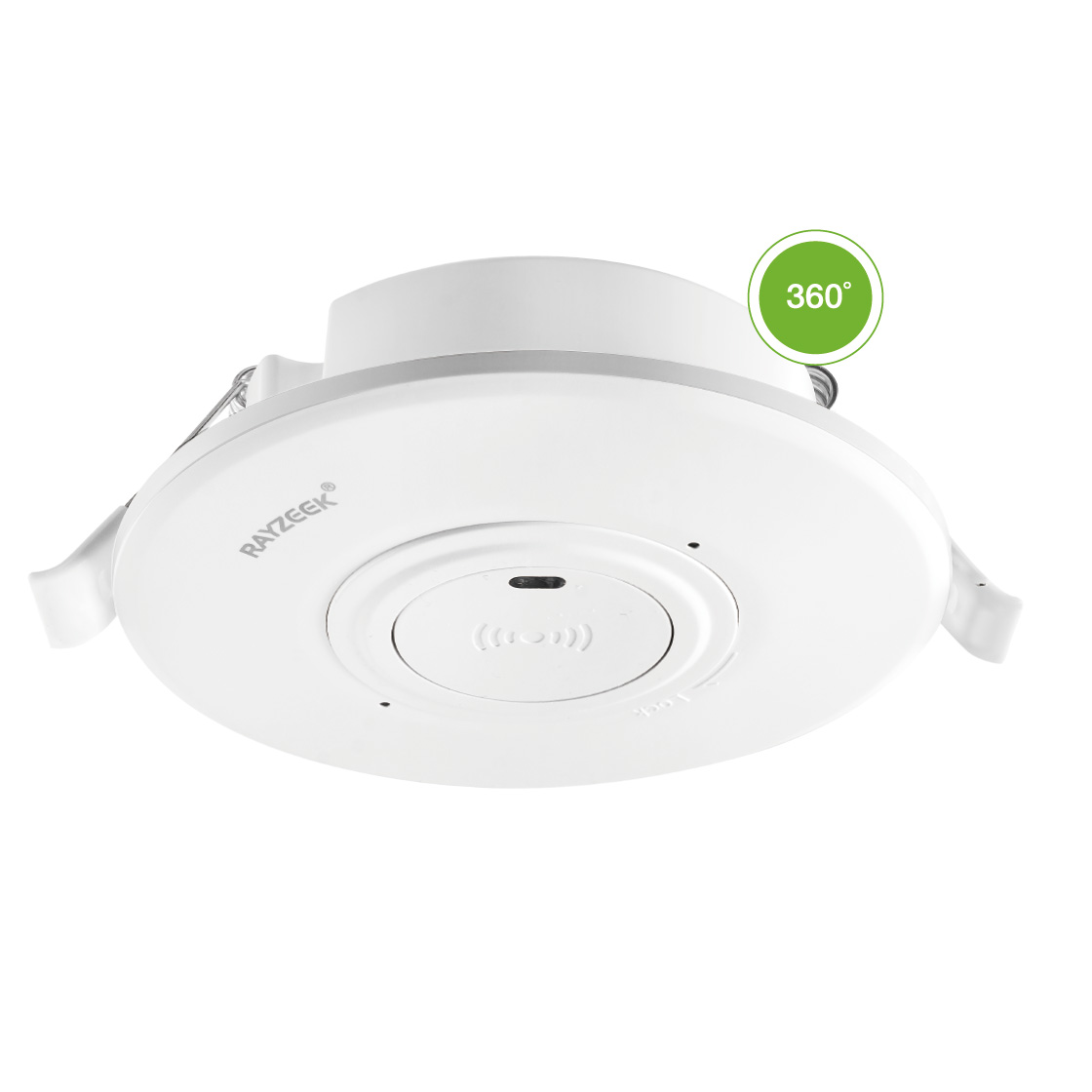
- Low-voltage DC recessed ceiling-mounted microwave motion sensor switch
- 12 VDC / 24 VDC input with 10-30 VDC range
- 10A max work current with adjustable time delay, Lux threshold, and sensitivity
- Higher-load recessed ceiling-mounted microwave motion sensor switch
- 100-265 VAC line-voltage input, 10A model
- 5.8 GHz microwave sensing with adjustable time delay, Lux threshold, and sensitivity
- Recessed ceiling-mounted microwave motion sensor switch
- 100-265 VAC line-voltage input, 5A model
- 5.8 GHz microwave sensing with adjustable time delay, Lux threshold, and sensitivity

- Low-voltage DC ceiling-mounted microwave motion sensor switch
- 12 VDC / 24 VDC input with 10-30 VDC range
- 10A max work current with adjustable time delay, Lux threshold, and sensitivity
- Higher-load ceiling-mounted microwave motion sensor switch
- 100-265 VAC line-voltage input, 10A model
- 5.8 GHz microwave sensing with adjustable time delay, Lux threshold, and sensitivity
- Ceiling-mounted microwave motion sensor switch
- 100-265 VAC line-voltage input, 5A model
- 5.8 GHz microwave sensing with adjustable time delay, Lux threshold, and sensitivity
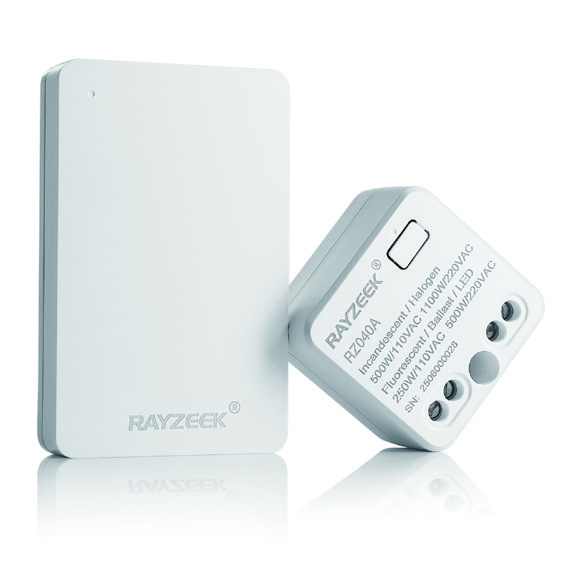
- Wireless switch and receiver kit for indoor ON/OFF lighting control
- 100-230VAC, 50/60Hz receiver with 5A rated current
- CR2032-powered wireless switch with 2.4GHz communication
- Occupancy (Auto-ON/Auto-OFF)
- 12–24V DC (10–30VDC), up to 10A
- 360° coverage, 8–12 m diameter
- Time delay 15 s–30 min
- Light sensor Off/15/25/35 Lux
- High/Low sensitivity
- Auto-ON/Auto-OFF occupancy mode
- 100–265V AC, 10A (neutral required)
- 360° coverage; 8–12 m detection diameter
- Time delay 15 s–30 min; Lux OFF/15/25/35; Sensitivity High/Low
- Auto-ON/Auto-OFF occupancy mode
- 100–265V AC, 5A (neutral required)
- 360° coverage; 8–12 m detection diameter
- Time delay 15 s–30 min; Lux OFF/15/25/35; Sensitivity High/Low
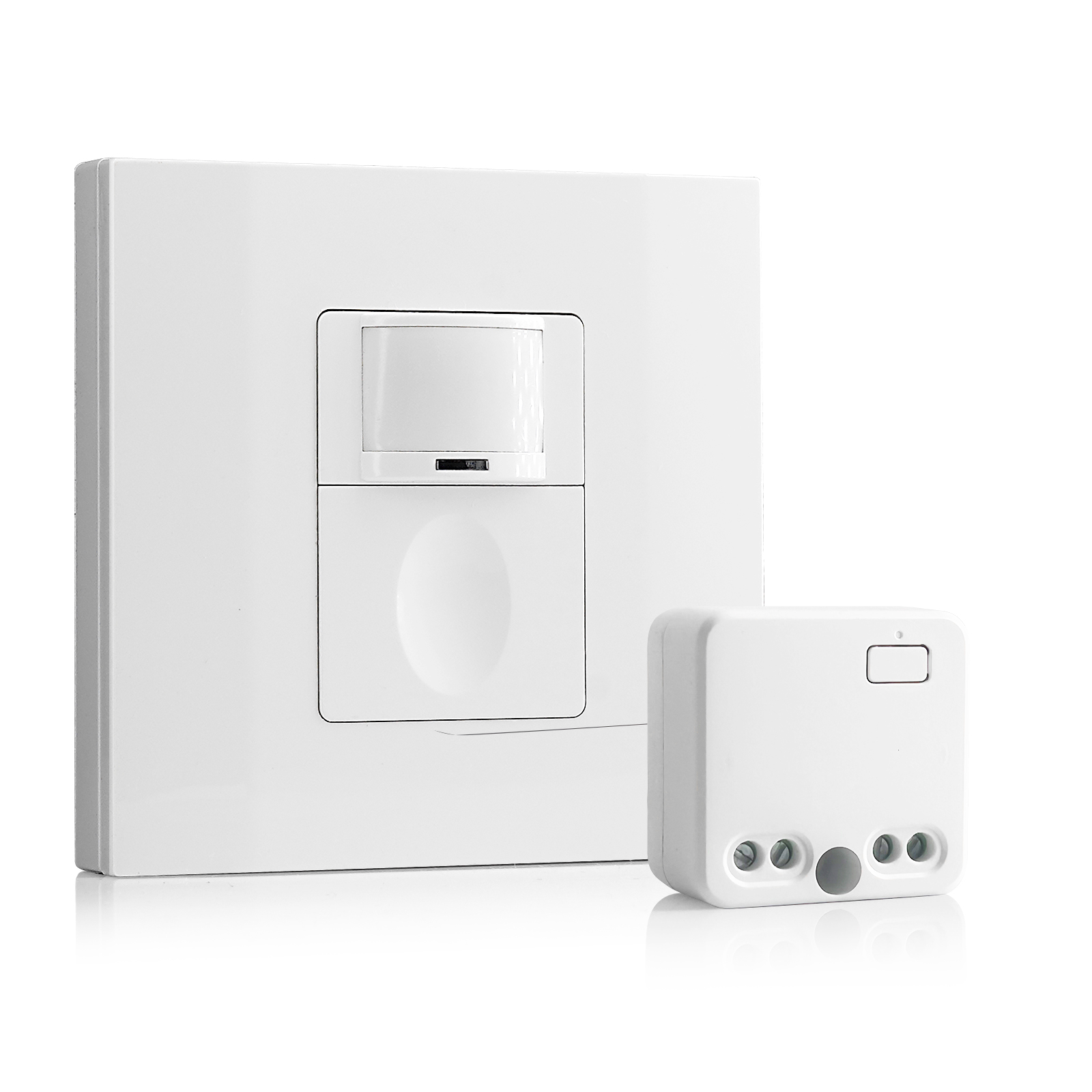
- 100V-230VAC
- Transmission Distance: up to 20m
- Wireless motion sensor
- Hardwired control
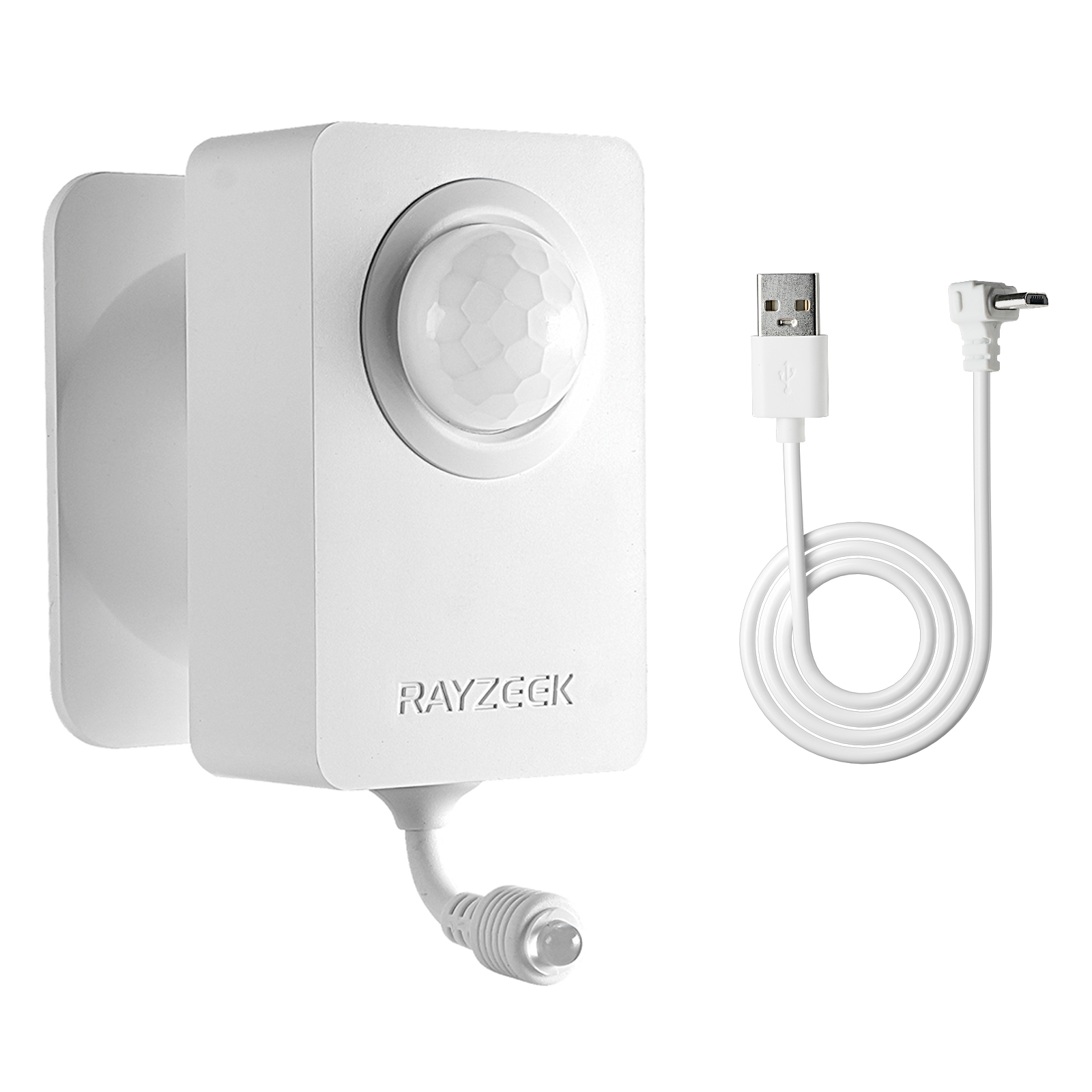
- Voltage: 2x AAA Batteries / 5V DC (Micro USB)
- Day/Night Mode
- Time delay: 15min, 30min, 1h(default), 2h
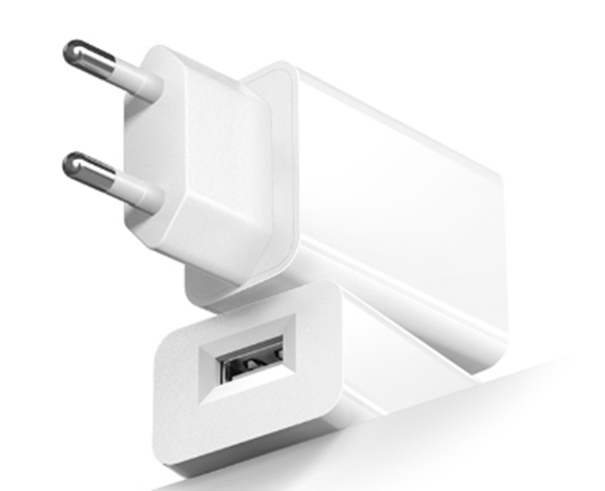
- EU plug power adapter
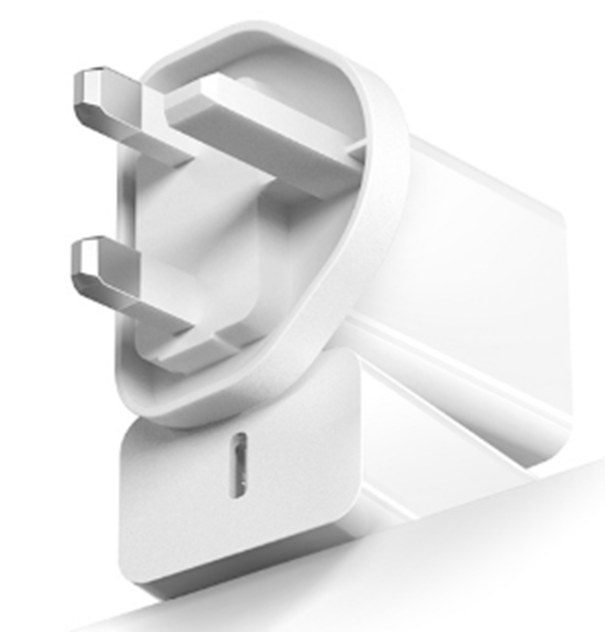
- UK plug power adapter
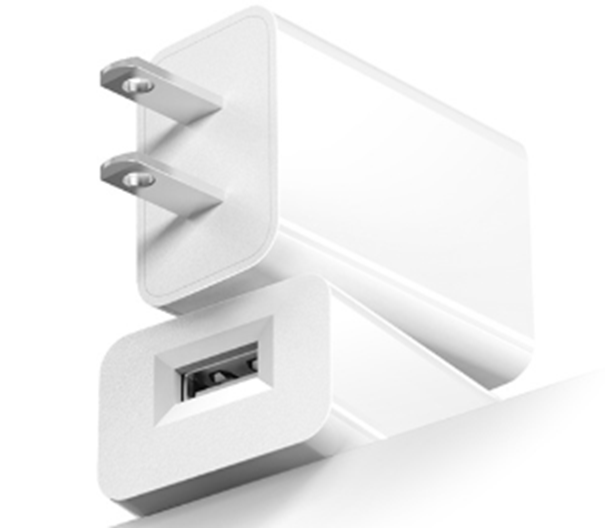
- US plug power adapter
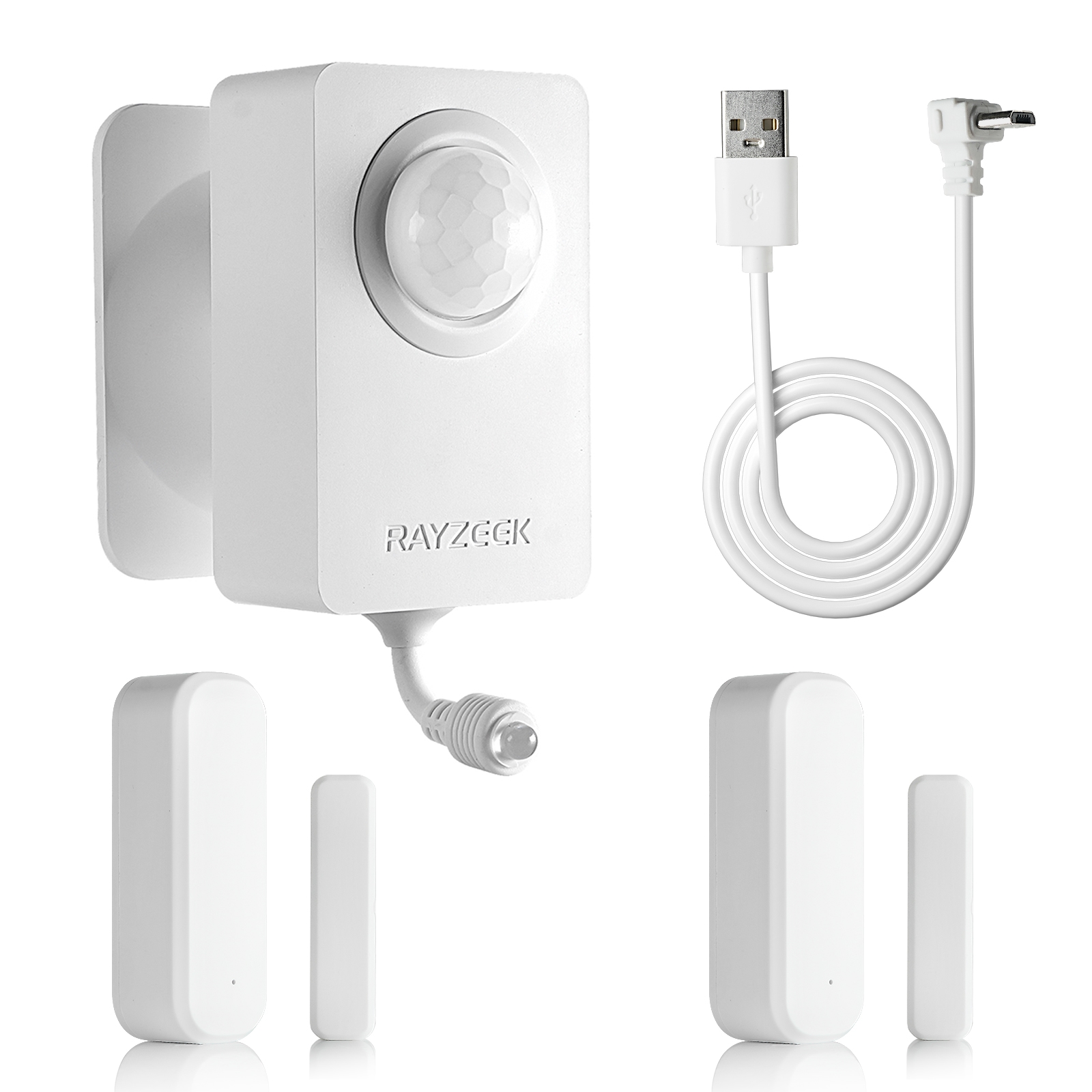
- 5V DC
- Transmission Distance: up to 30m
- Day/Night mode
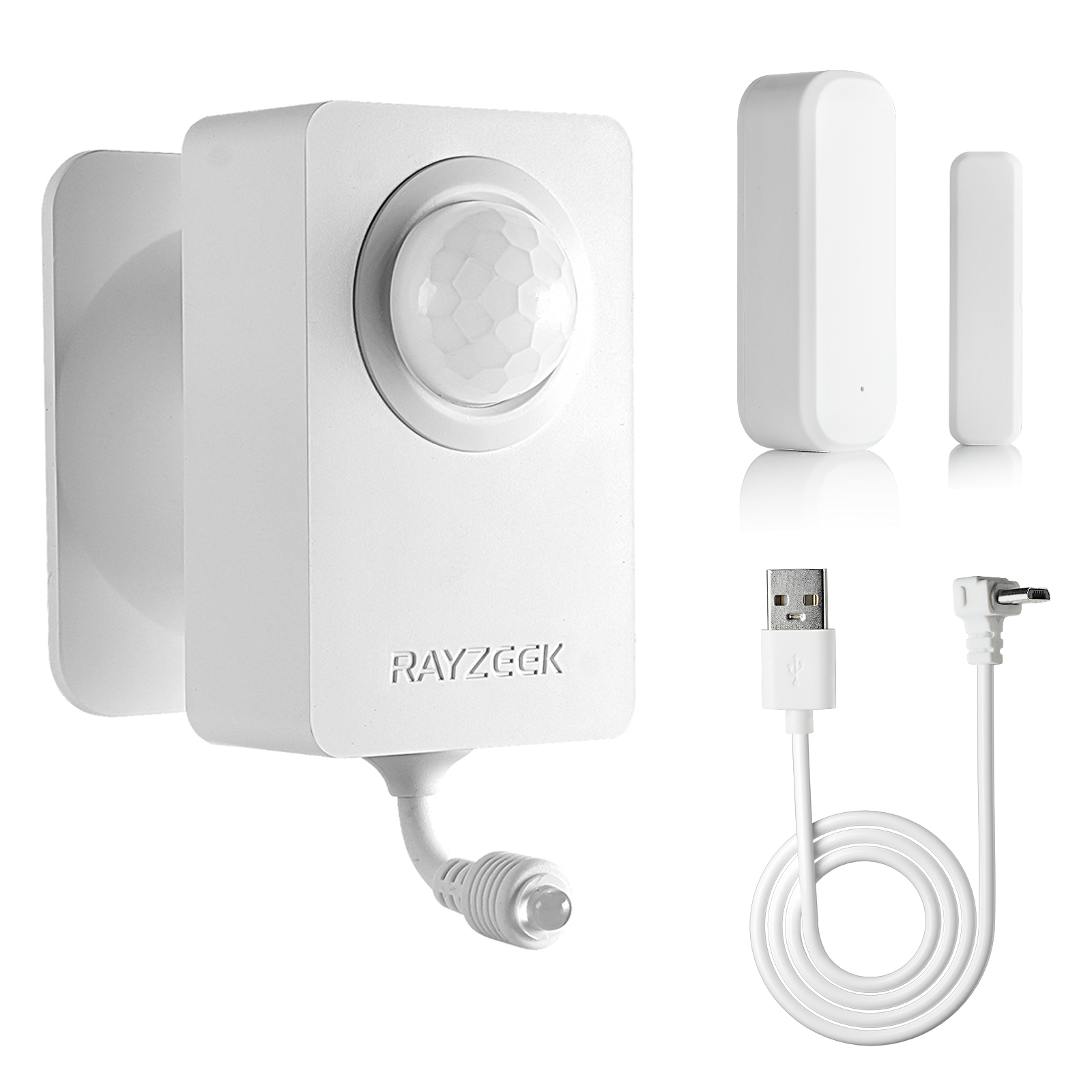
- 5V DC
- Transmission Distance: up to 30m
- Day/Night mode
Frequently Asked Questions
How Many Lumens Do I Need for a 16 Foot Ceiling
To determine the number of lumens needed for a 16-foot ceiling, you can calculate the square footage of the room by multiplying its length and width. For instance, if the room measures 16 feet in length and 14 feet in width, the square footage would be 224. Consequently, by multiplying 224 by 15, we arrive at a total of 3,360 lumens required.
What Does High Bay Mean
A high bay light is typically described as a lighting fixture designed for installation in a ceiling that is typically 20-40 feet above the floor. These types of ceilings are commonly found in industrial and certain commercial settings.
What Is the Difference Between Floodlight and High Bay Light
Although both floodlights and high bay lights have a wide range of applications and can be used in the same place, there is a key difference between them. High bay lights are primarily used in indoor areas with high ceilings, while floodlights are preferred for outdoor applications.
What Are LED High Bay Lights Used For
High-bay lights are primarily utilized for illuminating areas with high ceilings, typically ranging from 20 feet to around 45 feet. Conversely, low-bay lights are designed for ceilings that are 20 feet and below.
What Are the Benefits of High Bay Lights
High bay LED lights have a longer lifespan compared to other lighting options such as CFL and fluorescent lights. They also produce minimal heat. Apart from the safety benefits, this reduced heat generation can result in lower cooling expenses for a facility.
Do I Need High Bay or Low Bay Lighting
The height of the ceiling in the area you wish to light up is the deciding factor in whether you should use high-bay or low-bay lighting. If the ceiling is higher than 15–20 feet, you should opt for high-bay lighting. On the other hand, if the ceiling is lower than 20 feet, low-bay lighting is the appropriate choice.
What Is a High Bay in Construction
A high-bay warehouse in construction refers to a storage solution that has a minimum height of 12 meters and can reach up to approximately 50 meters. This vertical storage system efficiently utilizes the available space in a building, ensuring optimal utilization of both floor space and volume.
How Long Do LED High Bay Lights Last
So, what is the typical lifespan of LED high bay lights? There have been numerous reports regarding the longevity of commercial LED lights, with most estimating it to be around 50,000 to 100,000 hours.
How Do I Choose High Bay Lights
You can select the appropriate high bay lights based on the installation height. Different wattage options are available for different height levels. For heights ranging from 10-15 feet, lights with 10,000 to 15,000 lumens are ideal. For heights ranging from 15-20 feet, lights with 16,000 to 20,000 lumens are recommended.
What Wattage High Bay Lights Do I Need
For spaces measuring 10 – 15 feet, it is recommended to use 100-watt high bay lights. For spaces measuring 14 – 18 feet, it is recommended to use 150-watt high bay lights. For spaces measuring 18 – 20 feet, it is recommended to use 200-watt high bay lights. For spaces measuring 21+ feet, it is recommended to use 240-watt high bay lights.






