
What is Equivalent Wattage
Equivalent wattage compares the brightness of different types of light bulbs. It is a metric that indicates the wattage of an incandescent bulb that produces a similar level of brightness as the bulb being compared. This metric serves as a way for consumers to easily understand and compare the brightness of different bulbs using a familiar unit of measurement.
Looking For Motion-Activated Energy-Saving Solutions?
Contact us for complete PIR motion sensors, motion-activated energy-saving products, motion sensor switches, and Occupancy/Vacancy commercial solutions.
The concept of Equivalent Wattage is particularly relevant in the context of newer, more energy-efficient lighting technologies such as LED and CFL bulbs. These bulbs can produce the same level of brightness as traditional incandescent bulbs while consuming significantly less power. By providing an Equivalent Wattage value, manufacturers make it easier for consumers to choose bulbs that match the brightness they desire, even when using different types of bulbs.
While equivalent wattage can be a useful reference point, it may not always accurately reflect the actual brightness of a bulb. The most accurate way to compare the brightness of bulbs is by looking at the “lumens” rating, which measures the amount of light emitted by a bulb. Therefore, it is recommended to consider both the equivalent wattage and the lumens rating when selecting a bulb that meets your desired level of brightness.
Maybe You Are Interested In

- Ceiling-mounted RZ037 PIR occupancy sensor dimmer for 220V power
- 3A maximum working current with 660W rated load
- LUX button controls light-sensor ON/OFF and user-set dimming brightness
- Ceiling-mounted RZ037 PIR occupancy sensor dimmer for 110V power
- 3A maximum working current with 330W rated load
- LUX button controls light-sensor ON/OFF and user-set dimming brightness
- Ceiling-mounted PIR occupancy sensor with dry-contact relay output
- 12/24VDC or 12/24VAC low-voltage supply
- COM, NO, and NC isolated relay contacts for EMS, HVAC, and building control inputs
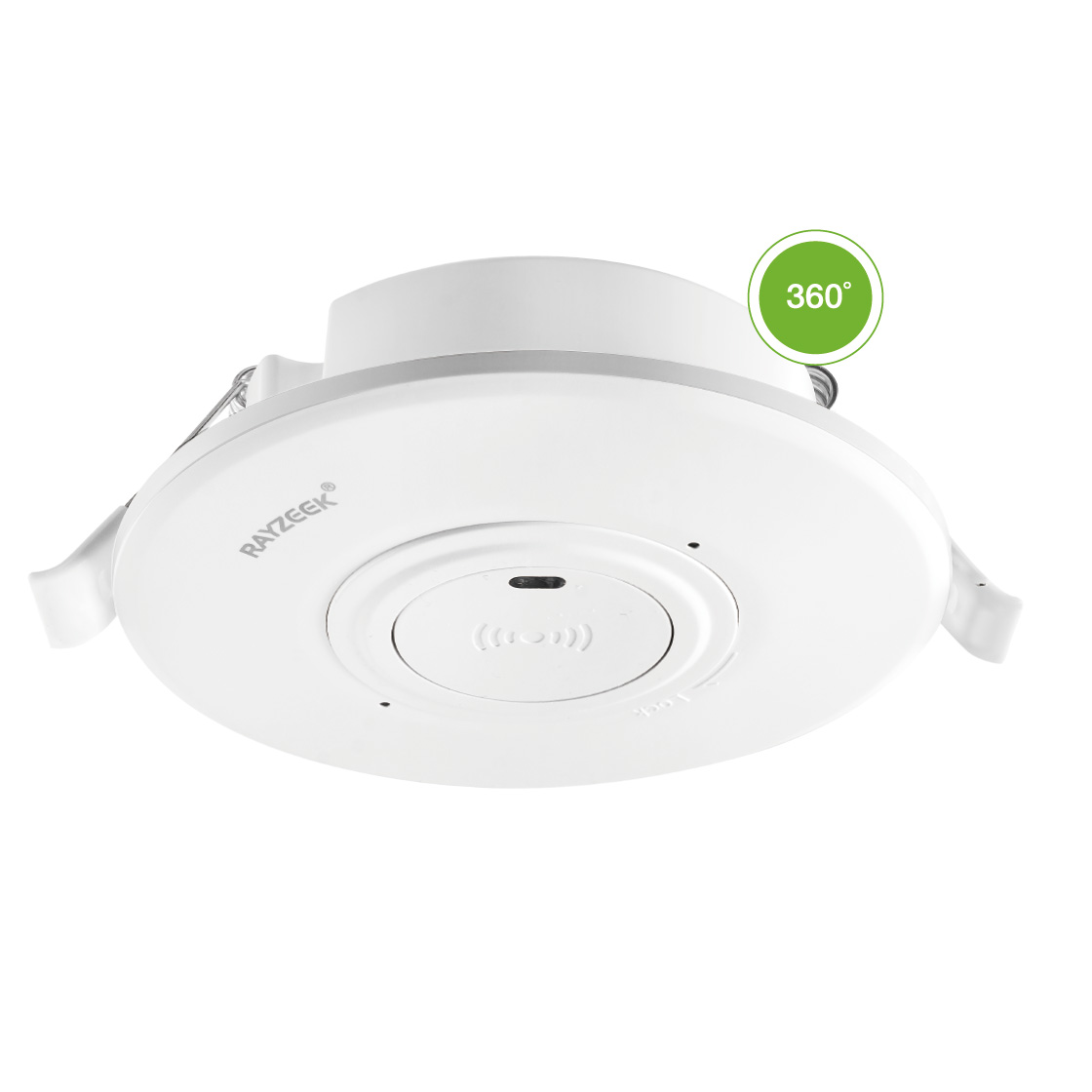
- Low-voltage DC recessed ceiling-mounted microwave motion sensor switch
- 12 VDC / 24 VDC input with 10-30 VDC range
- 10A max work current with adjustable time delay, Lux threshold, and sensitivity
- Higher-load recessed ceiling-mounted microwave motion sensor switch
- 100-265 VAC line-voltage input, 10A model
- 5.8 GHz microwave sensing with adjustable time delay, Lux threshold, and sensitivity
- Recessed ceiling-mounted microwave motion sensor switch
- 100-265 VAC line-voltage input, 5A model
- 5.8 GHz microwave sensing with adjustable time delay, Lux threshold, and sensitivity

- Low-voltage DC ceiling-mounted microwave motion sensor switch
- 12 VDC / 24 VDC input with 10-30 VDC range
- 10A max work current with adjustable time delay, Lux threshold, and sensitivity
- Higher-load ceiling-mounted microwave motion sensor switch
- 100-265 VAC line-voltage input, 10A model
- 5.8 GHz microwave sensing with adjustable time delay, Lux threshold, and sensitivity
- Ceiling-mounted microwave motion sensor switch
- 100-265 VAC line-voltage input, 5A model
- 5.8 GHz microwave sensing with adjustable time delay, Lux threshold, and sensitivity
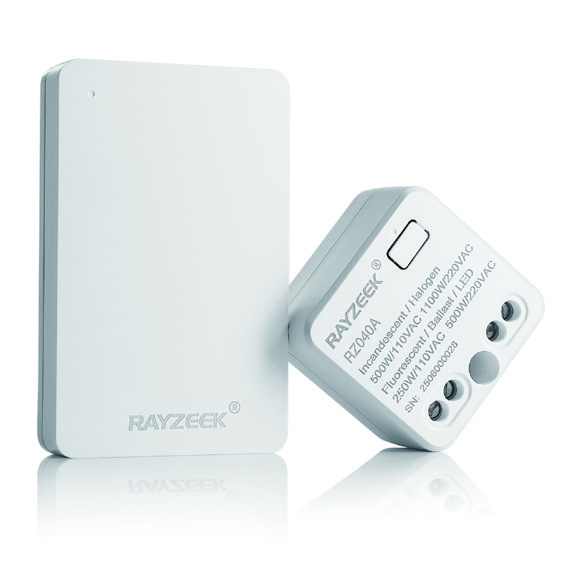
- Wireless switch and receiver kit for indoor ON/OFF lighting control
- 100-230VAC, 50/60Hz receiver with 5A rated current
- CR2032-powered wireless switch with 2.4GHz communication
- Occupancy (Auto-ON/Auto-OFF)
- 12–24V DC (10–30VDC), up to 10A
- 360° coverage, 8–12 m diameter
- Time delay 15 s–30 min
- Light sensor Off/15/25/35 Lux
- High/Low sensitivity
- Auto-ON/Auto-OFF occupancy mode
- 100–265V AC, 10A (neutral required)
- 360° coverage; 8–12 m detection diameter
- Time delay 15 s–30 min; Lux OFF/15/25/35; Sensitivity High/Low
- Auto-ON/Auto-OFF occupancy mode
- 100–265V AC, 5A (neutral required)
- 360° coverage; 8–12 m detection diameter
- Time delay 15 s–30 min; Lux OFF/15/25/35; Sensitivity High/Low
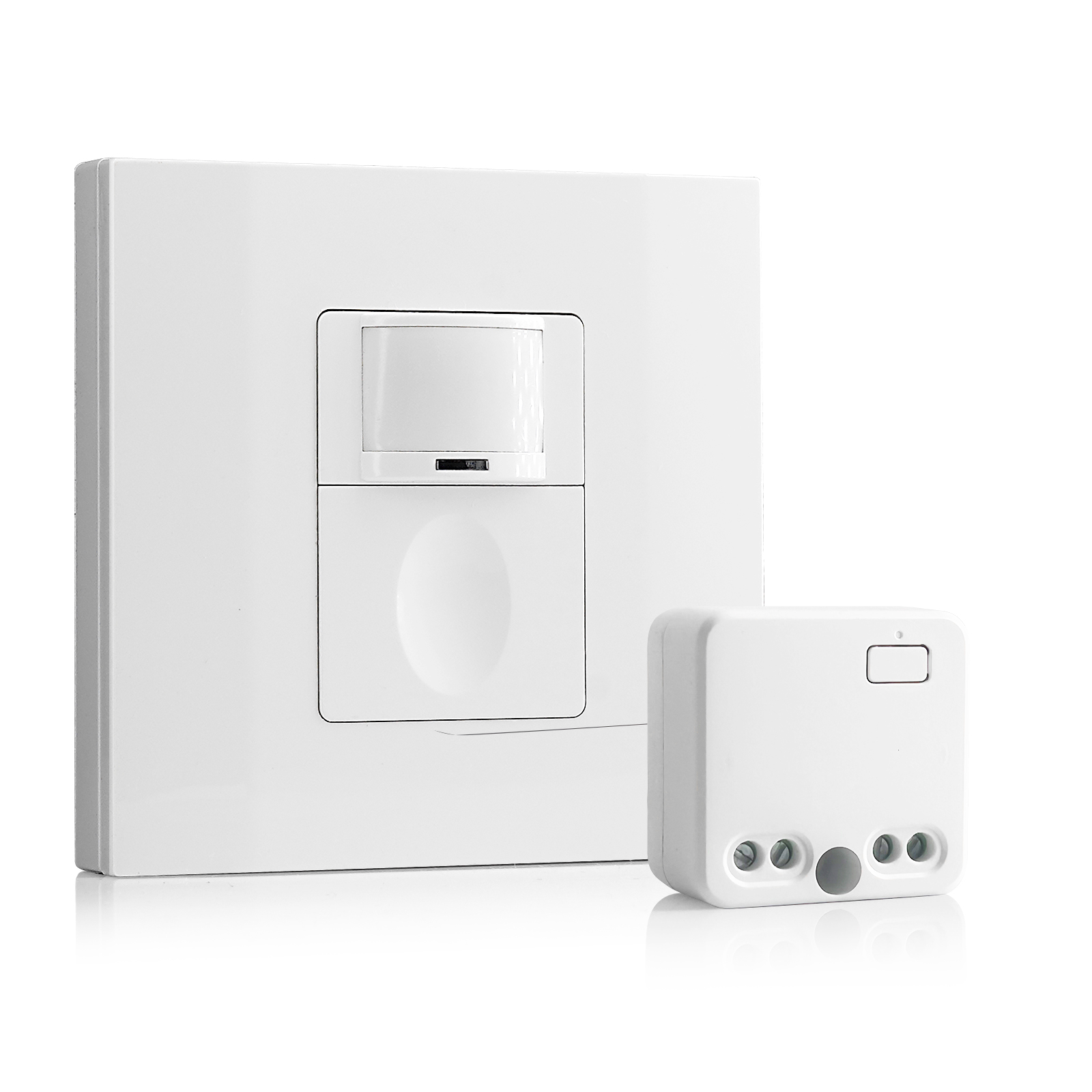
- 100V-230VAC
- Transmission Distance: up to 20m
- Wireless motion sensor
- Hardwired control
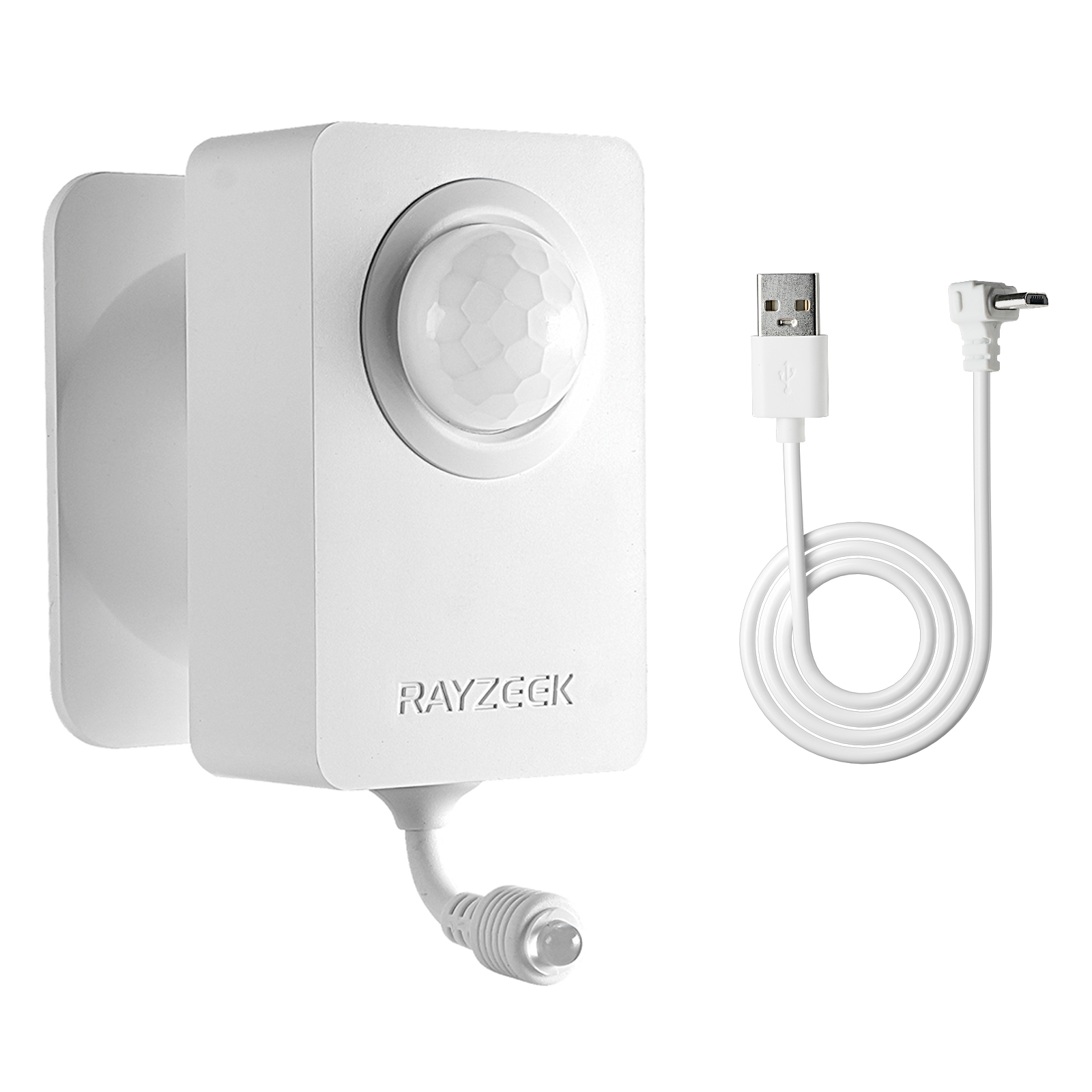
- Voltage: 2x AAA Batteries / 5V DC (Micro USB)
- Day/Night Mode
- Time delay: 15min, 30min, 1h(default), 2h
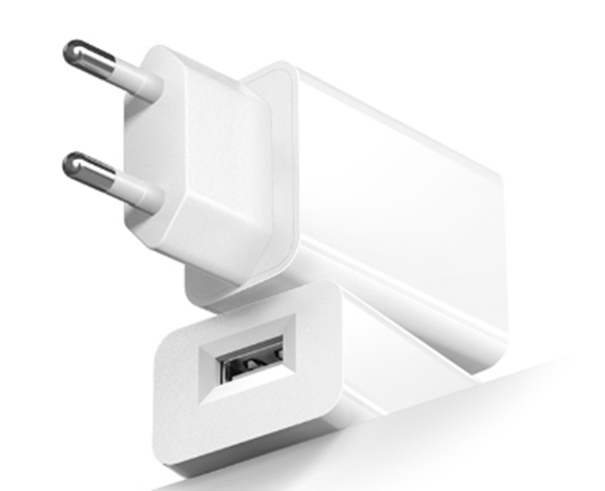
- EU plug power adapter
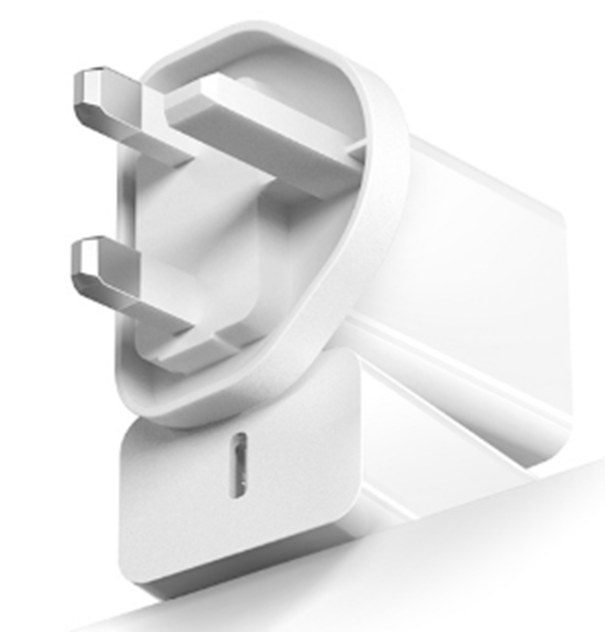
- UK plug power adapter
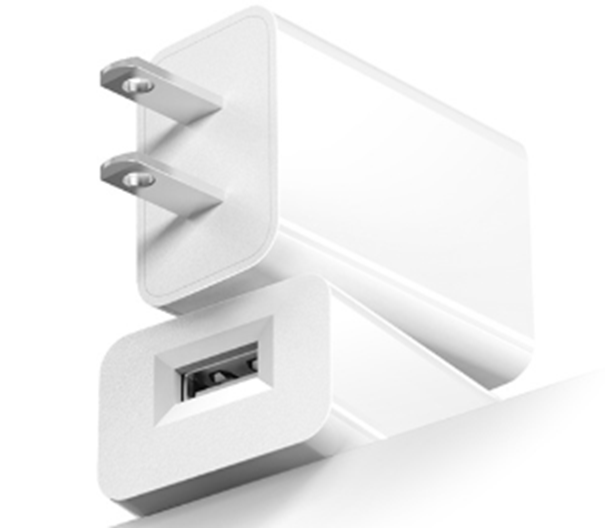
- US plug power adapter
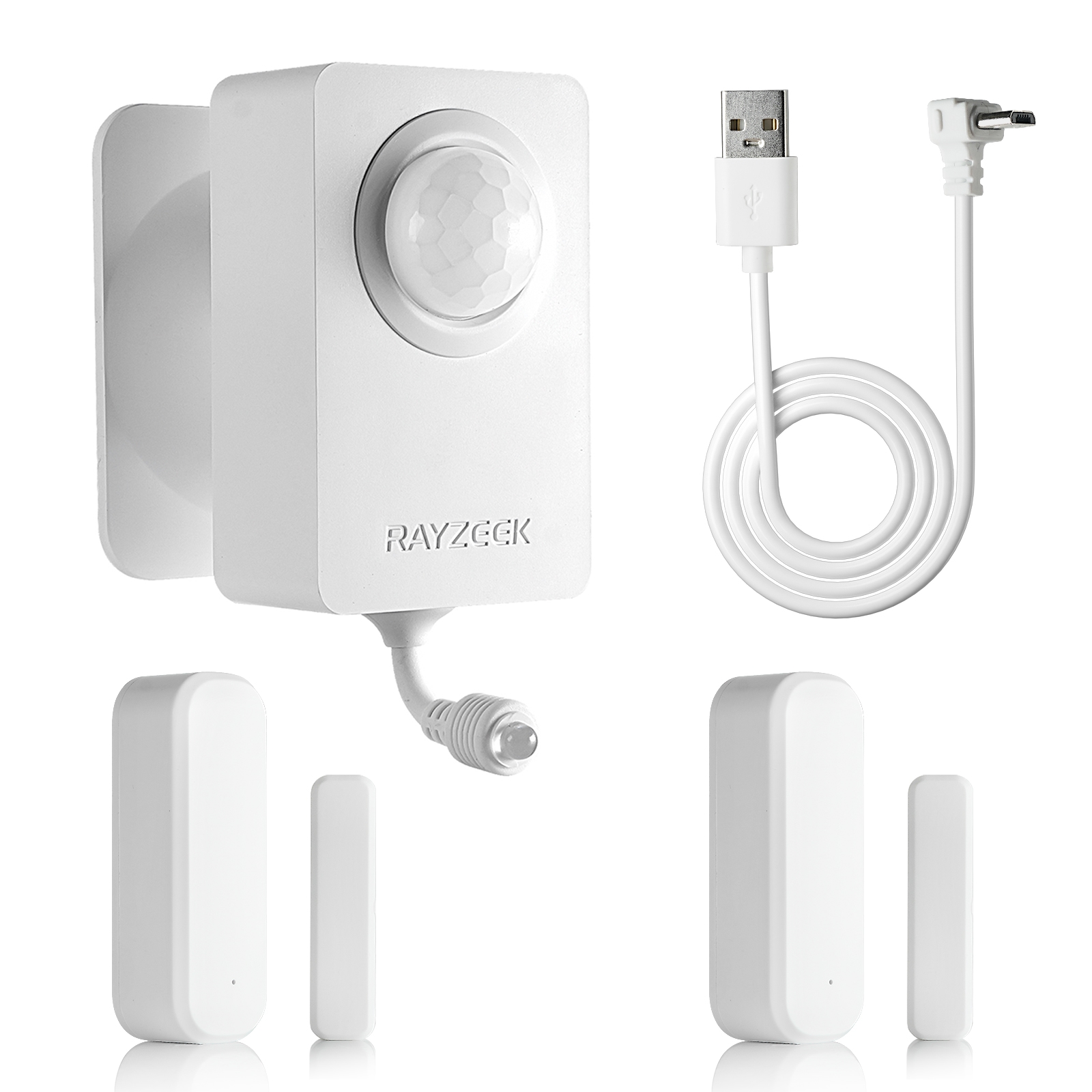
- 5V DC
- Transmission Distance: up to 30m
- Day/Night mode
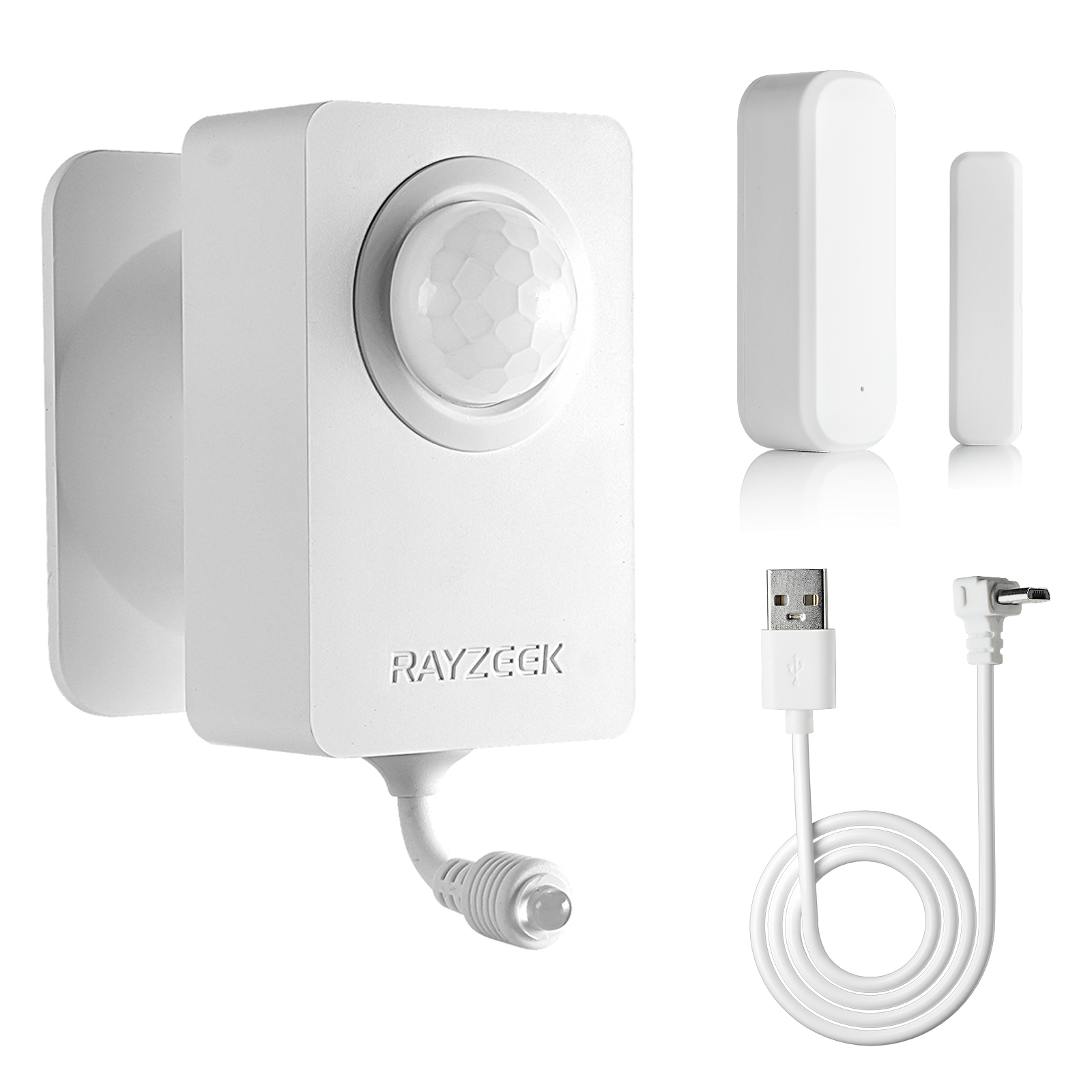
- 5V DC
- Transmission Distance: up to 30m
- Day/Night mode
Frequently Asked Questions
Is 100W LED Brighter Than 60W LED
Answer: If you are looking for a brighter option, the Philips 100W replacement LED (on the right) will provide an even more noticeable increase in brightness compared to the 60W incandescent bulb (on the left).
What Is the LED Equivalent to a 60 W Bulb
For instance, if you usually buy 60W incandescent bulbs that emit approximately 700-800 lumens, you can opt for a more energy-efficient alternative such as a 42W halogen bulb, a 12W CFL, or even a 10W LED bulb to achieve the same level of brightness.






