
What is Downlighting
Downlighting is a technique or fixture that is specifically designed to direct illumination downward. This technique is commonly used in outdoor settings and is particularly important in meeting “dark sky” ordinances aimed at controlling light pollution. The goal of downlighting is to minimize the dispersal of light to the sides or into the night sky, focusing the illumination on the ground.
Maybe You Are Interested In

- Ceiling-mounted PIR occupancy sensor with dry-contact relay output
- 12/24VDC or 12/24VAC low-voltage supply
- COM, NO, and NC isolated relay contacts for EMS, HVAC, and building control inputs

- Low-voltage DC recessed ceiling-mounted microwave motion sensor switch
- 12 VDC / 24 VDC input with 10-30 VDC range
- 10A max work current with adjustable time delay, Lux threshold, and sensitivity
- Higher-load recessed ceiling-mounted microwave motion sensor switch
- 100-265 VAC line-voltage input, 10A model
- 5.8 GHz microwave sensing with adjustable time delay, Lux threshold, and sensitivity
- Recessed ceiling-mounted microwave motion sensor switch
- 100-265 VAC line-voltage input, 5A model
- 5.8 GHz microwave sensing with adjustable time delay, Lux threshold, and sensitivity
- Ceiling-mounted RZ037 PIR occupancy sensor dimmer for 220V power
- 3A maximum working current with 660W rated load
- LUX button controls light-sensor ON/OFF and user-set dimming brightness
- Ceiling-mounted RZ037 PIR occupancy sensor dimmer for 110V power
- 3A maximum working current with 330W rated load
- LUX button controls light-sensor ON/OFF and user-set dimming brightness

- Low-voltage DC ceiling-mounted microwave motion sensor switch
- 12 VDC / 24 VDC input with 10-30 VDC range
- 10A max work current with adjustable time delay, Lux threshold, and sensitivity
- Higher-load ceiling-mounted microwave motion sensor switch
- 100-265 VAC line-voltage input, 10A model
- 5.8 GHz microwave sensing with adjustable time delay, Lux threshold, and sensitivity
- Ceiling-mounted microwave motion sensor switch
- 100-265 VAC line-voltage input, 5A model
- 5.8 GHz microwave sensing with adjustable time delay, Lux threshold, and sensitivity

- Low-voltage DC recessed ceiling mount PIR motion sensor switch
- 12 VDC / 24 VDC input with 10-30 VDC range
- Max work current 10A with adjustable time delay, Lux threshold, and sensitivity

- Higher-load recessed ceiling mount PIR motion sensor switch
- 100-265 VAC line-voltage input, 10A model
- 360-degree detection with adjustable time delay, Lux threshold, and sensitivity
- Recessed ceiling mount PIR motion sensor switch
- 100-265 VAC line-voltage input, 5A model
- 360-degree detection with adjustable time delay, Lux threshold, and sensitivity

- Wireless switch and receiver kit for indoor ON/OFF lighting control
- 100-230VAC, 50/60Hz receiver with 5A rated current
- CR2032-powered wireless switch with 2.4GHz communication
- Occupancy (Auto-ON/Auto-OFF)
- 12–24V DC (10–30VDC), up to 10A
- 360° coverage, 8–12 m diameter
- Time delay 15 s–30 min
- Light sensor Off/15/25/35 Lux
- High/Low sensitivity
- Auto-ON/Auto-OFF occupancy mode
- 100–265V AC, 10A (neutral required)
- 360° coverage; 8–12 m detection diameter
- Time delay 15 s–30 min; Lux OFF/15/25/35; Sensitivity High/Low
- Auto-ON/Auto-OFF occupancy mode
- 100–265V AC, 5A (neutral required)
- 360° coverage; 8–12 m detection diameter
- Time delay 15 s–30 min; Lux OFF/15/25/35; Sensitivity High/Low
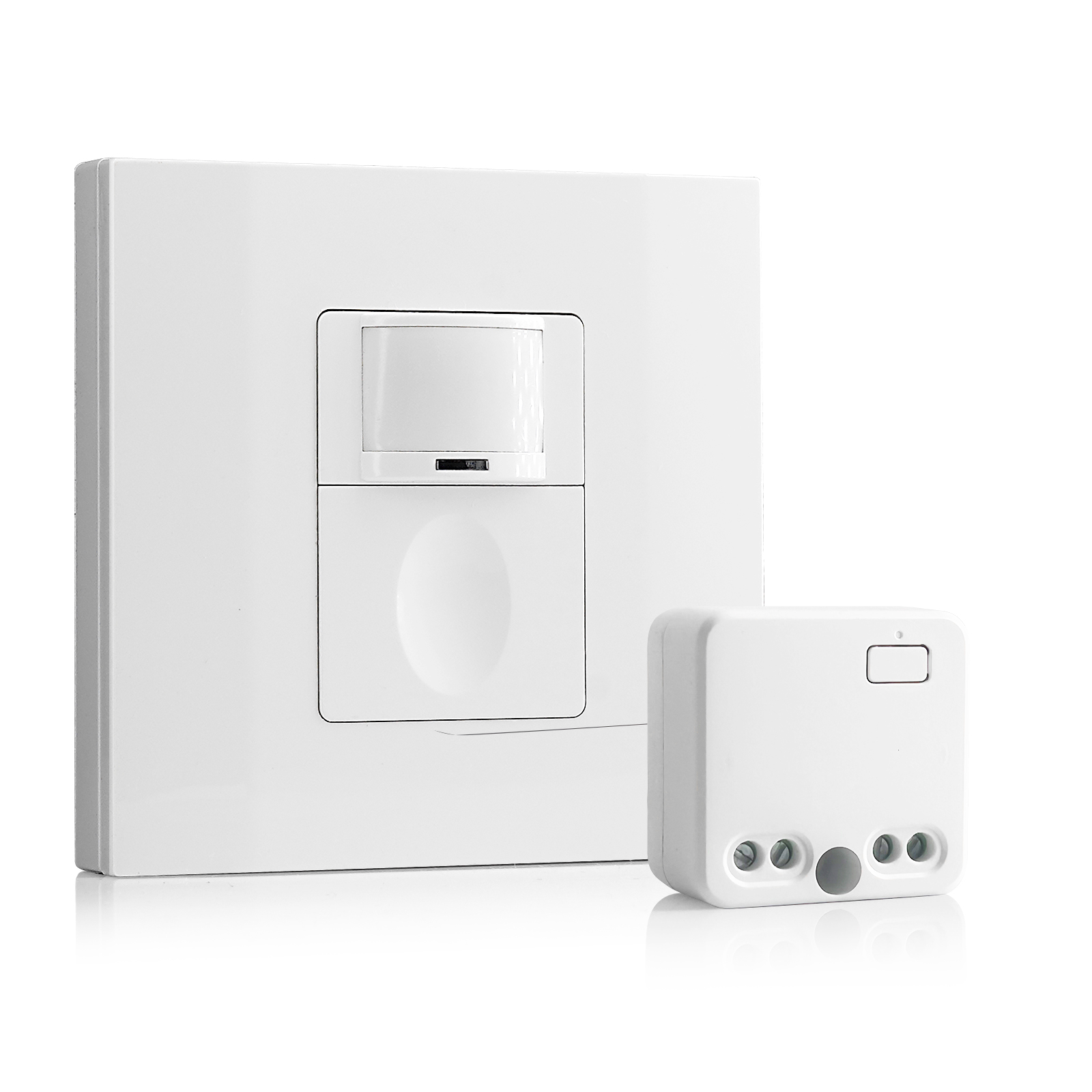
- 100V-230VAC
- Transmission Distance: up to 20m
- Wireless motion sensor
- Hardwired control
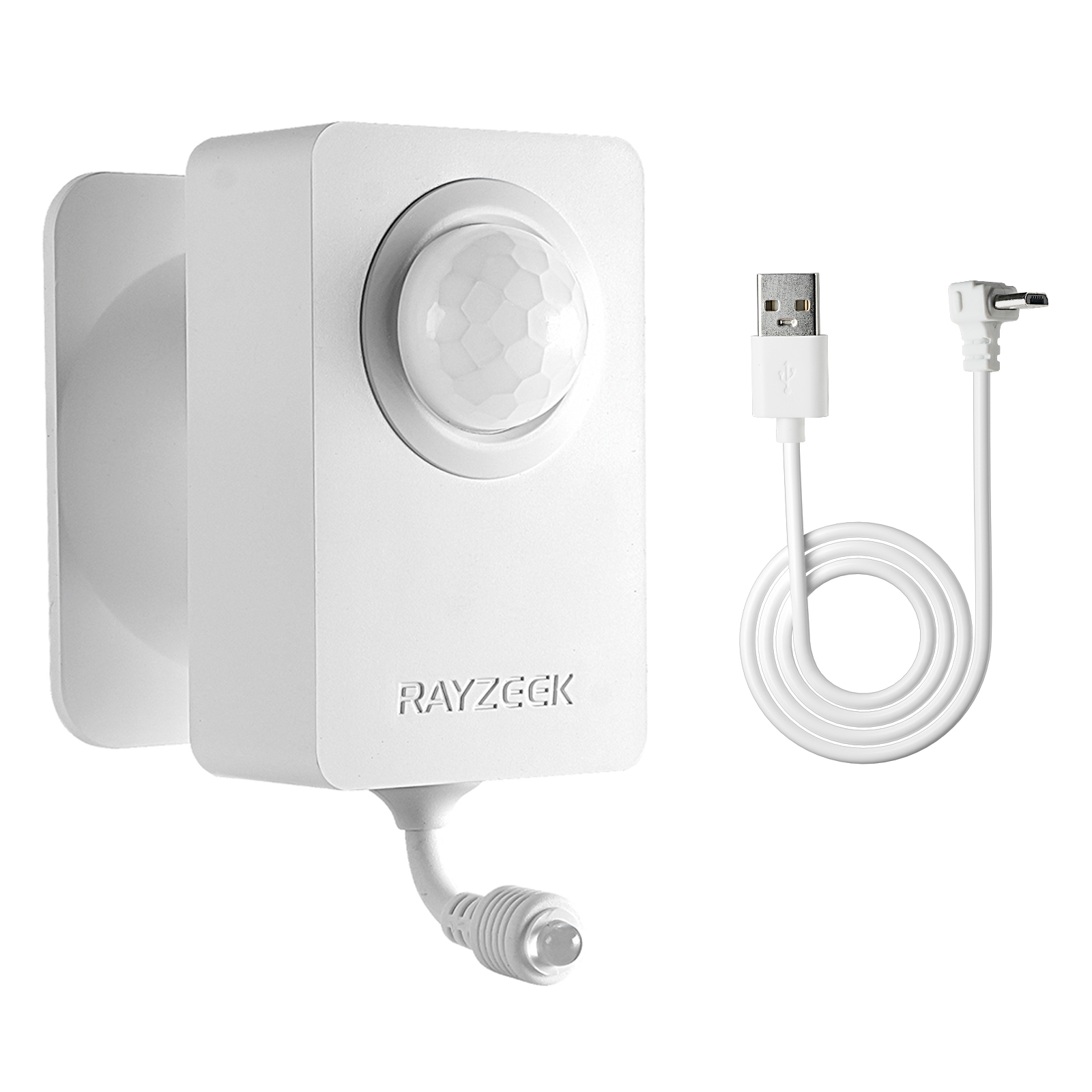
- Voltage: 2x AAA Batteries / 5V DC (Micro USB)
- Day/Night Mode
- Time delay: 15min, 30min, 1h(default), 2h
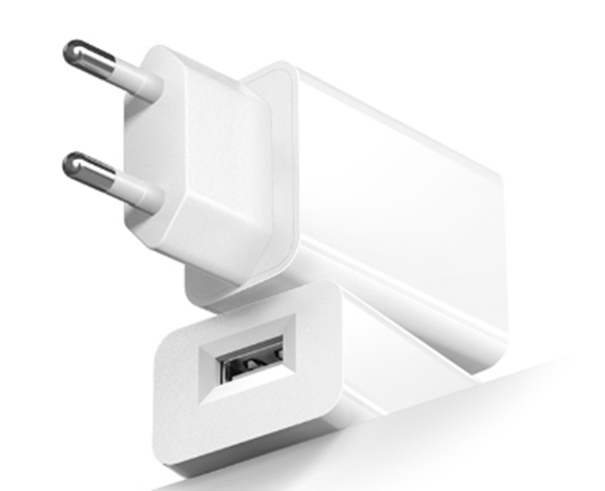
- EU plug power adapter
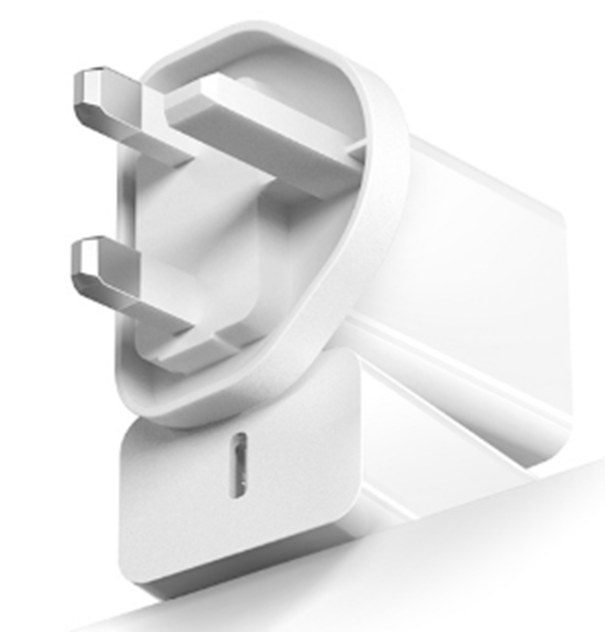
- UK plug power adapter
To achieve down lighting, various elements are employed, such as reflectors, shields, cut-off angles, and specific bulb types. These components work together to ensure that the light is directed towards the ground, creating a focused and concentrated illumination. By minimizing light pollution, downlighting helps to preserve the natural darkness of the night sky and reduce the negative environmental impact of artificial lighting.
Downlights are sometimes used interchangeably with recessed downlights, although some designers may use the term to describe any fixture that aims light straight down. Regardless of the specific fixture type, the key characteristic of down lighting is its ability to direct illumination downward, providing targeted lighting for specific areas or objects while minimizing light spillage and environmental impact.
Looking For Motion-Activated Energy-Saving Solutions?
Contact us for complete PIR motion sensors, motion-activated energy-saving products, motion sensor switches, and Occupancy/Vacancy commercial solutions.
Frequently Asked Questions
Should Bedrooms Have Downlights
The recommended guideline is to have approximately 1 downlight for every 1.4m2 of bedroom space, resulting in around 4 downlights for a typical bedroom. In addition to downlights, bedside lamps can be placed on the wall, headboard, or even the floor, with the option of having more than one on each side of the bed. Incorporating task lighting is beneficial for optimizing illumination in specific areas.
How Many Downlights Should You Have in a Room
A good guideline to follow is to have approximately 1 downlight for every 1.4 square meters of space, assuming the average height of the room’s ceiling, to ensure sufficient lighting coverage.
Are Downlights Still Fashionable
A lighting trend that will remain popular in 2023 is the versatile use of downlights. These recessed lights are not only great for highlighting architectural features, but they also excel in providing task lighting in kitchens.
Do I Need an Electrician to Change an LED Downlight
For complete downlight fixtures, it is typically necessary to hire an electrician for installation. However, if your ceiling already has compatible power sockets in place, you have the option to purchase a new downlight with a plug and install it yourself.
Are LED Downlights a Fire Hazard
LED downlights do not pose a fire hazard as they operate at lower temperatures compared to halogen and compact fluorescent downlights. Additionally, although they may be slightly more expensive initially, they prove to be cost-effective in the long run.







