
What is Laser Light
Laser light is a focused and highly concentrated beam of light that falls within the visible spectrum, typically between 400 and 700 nanometers (nm) in wavelength. It is characterized by its monochromatic nature, meaning it consists of a single color or wavelength. The term “laser” itself stands for “Light Amplification by Stimulated Emission of Radiation,” which refers to the process by which laser light is generated.
Laser lights are commonly used in projection systems to create sharp and precise light beams, making them ideal for entertainment purposes. They offer various effects, such as animated images and patterns, which can be further enhanced by incorporating other media like smoke, fog, or video projections. This results in visually stunning laser shows that captivate audiences.
Laissez-vous inspirer par les gammes de capteurs de mouvement Rayzeek.
Vous ne trouvez pas ce que vous cherchez ? Ne vous inquiétez pas. Il existe toujours d'autres solutions pour résoudre vos problèmes. L'une de nos gammes de produits pourra peut-être vous aider.
Laser light can maintain its consistency and directionality over long distances. Unlike ordinary light sources, laser light does not rapidly decrease in intensity or scatter, allowing it to be focused on a specific point with high intensity. However, it is important to note that laser light can be harmful to the eyes if directly viewed without proper protection.
Ces produits pourraient vous intéresser

- Détecteur de présence PIR pour montage au plafond avec sortie relais à contact sec
- Alimentation basse tension 12/24VDC ou 12/24VAC
- Contacts de relais isolés COM, NO et NC pour les entrées de gestion technique des bâtiments (GTB), de CVC et de contrôle des bâtiments

- Interrupteur détecteur de mouvement à micro-ondes basse tension DC encastrable au plafond
- Entrée 12 VDC / 24 VDC avec une plage de 10-30 VDC
- Courant de fonctionnement max de 10A avec temporisation, seuil Lux et sensibilité réglables
- Interrupteur détecteur de mouvement à micro-ondes encastrable au plafond pour charges plus élevées
- Entrée de tension secteur 100-265 VAC, modèle 10A
- Détection micro-ondes 5,8 GHz avec temporisation, seuil Lux et sensibilité réglables
- Interrupteur détecteur de mouvement à micro-ondes encastrable au plafond
- Entrée de tension secteur 100-265 VAC, modèle 5A
- Détection micro-ondes 5,8 GHz avec temporisation, seuil Lux et sensibilité réglables
- Variateur détecteur de présence PIR RZ037 pour montage au plafond pour alimentation 220V
- Courant de fonctionnement maximum de 3A avec charge nominale de 660W
- Le bouton LUX contrôle l'activation/désactivation du capteur de lumière et la luminosité de variation définie par l'utilisateur
- Variateur détecteur de présence PIR RZ037 pour montage au plafond pour alimentation 110V
- Courant de fonctionnement maximum de 3A avec charge nominale de 330W
- Le bouton LUX contrôle l'activation/désactivation du capteur de lumière et la luminosité de variation définie par l'utilisateur

- Interrupteur de détecteur de mouvement à micro-ondes pour montage au plafond, CC basse tension
- Entrée 12 VDC / 24 VDC avec une plage de 10-30 VDC
- Courant de fonctionnement max de 10A avec temporisation, seuil Lux et sensibilité réglables
- Interrupteur de détecteur de mouvement à micro-ondes pour montage au plafond à charge plus élevée
- Entrée de tension secteur 100-265 VAC, modèle 10A
- Détection micro-ondes 5,8 GHz avec temporisation, seuil Lux et sensibilité réglables
- Interrupteur de détecteur de mouvement à micro-ondes pour montage au plafond
- Entrée de tension secteur 100-265 VAC, modèle 5A
- Détection micro-ondes 5,8 GHz avec temporisation, seuil Lux et sensibilité réglables

- Interrupteur de détecteur de mouvement PIR encastré au plafond, CC basse tension
- Entrée 12 VDC / 24 VDC avec une plage de 10-30 VDC
- Courant de fonctionnement max. 10A avec temporisation, seuil Lux et sensibilité réglables

- Interrupteur de détecteur de mouvement PIR encastré au plafond à charge plus élevée
- Entrée de tension secteur 100-265 VAC, modèle 10A
- Détection à 360 degrés avec temporisation, seuil Lux et sensibilité réglables
- Interrupteur de détecteur de mouvement PIR encastré au plafond
- Entrée de tension secteur 100-265 VAC, modèle 5A
- Détection à 360 degrés avec temporisation, seuil Lux et sensibilité réglables

- Kit d'interrupteur et récepteur sans fil pour le contrôle de l'éclairage intérieur ON/OFF
- Récepteur 100-230VAC, 50/60Hz avec courant nominal de 5A
- Interrupteur sans fil alimenté par pile CR2032 avec communication 2.4GHz
- Mode d'occupation (Auto-ON/Auto-OFF)
- 12–24V DC (10–30VDC), jusqu'à 10A
- Couverture à 360°, diamètre de 8–12 m
- Temporisation de 15 s à 30 min
- Capteur de lumière Désactivé/15/25/35 Lux
- Sensibilité Haute/Basse
- Mode d'occupation Auto-ON/Auto-OFF
- 100–265V AC, 10A (neutre requis)
- Couverture à 360° ; diamètre de détection de 8–12 m
- Temporisation de 15 s à 30 min ; Lux DÉSACTIVÉ/15/25/35 ; Sensibilité Haute/Basse
- Mode d'occupation Auto-ON/Auto-OFF
- 100–265V AC, 5A (neutre requis)
- Couverture à 360° ; diamètre de détection de 8–12 m
- Temporisation de 15 s à 30 min ; Lux DÉSACTIVÉ/15/25/35 ; Sensibilité Haute/Basse
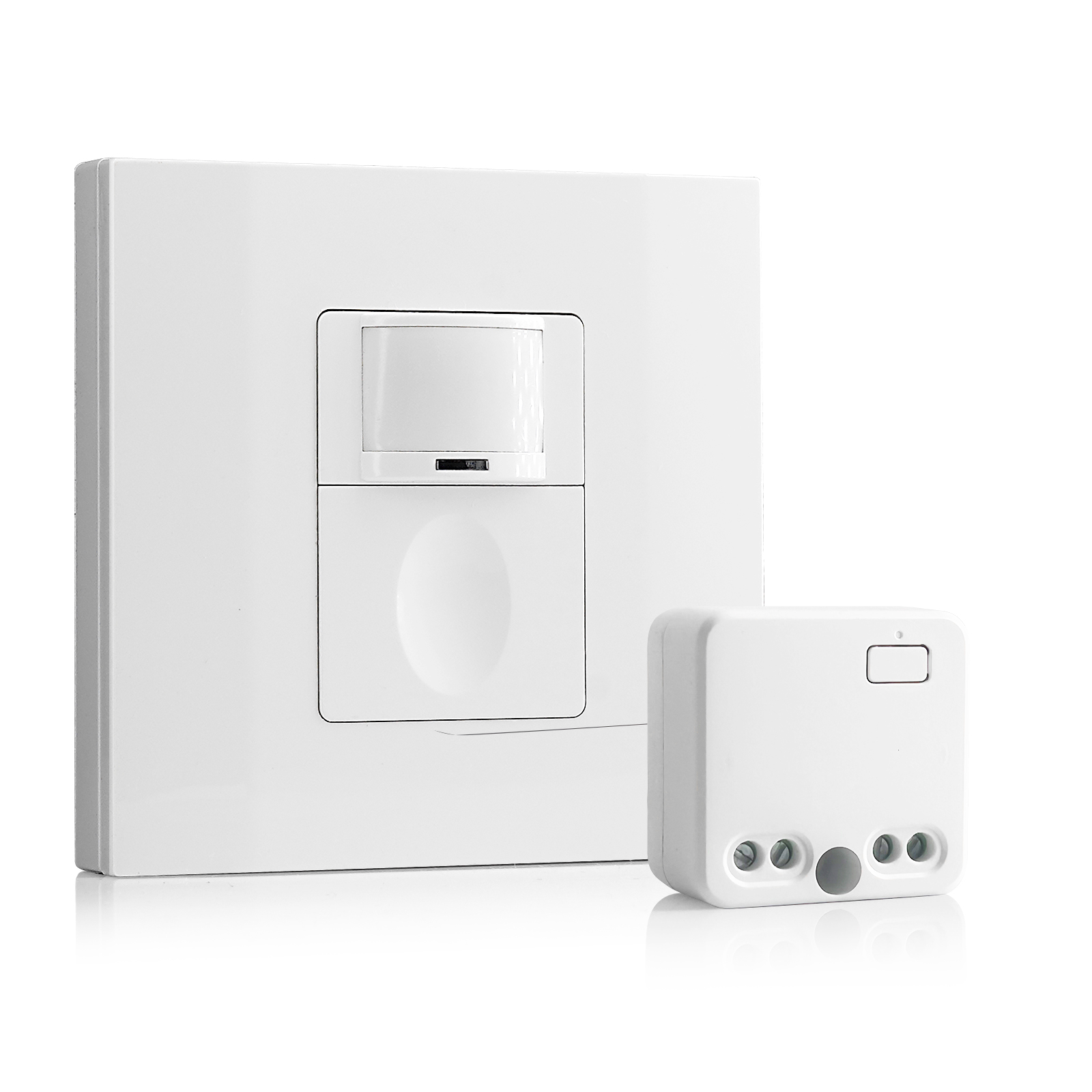
- 100V-230VAC
- Distance de transmission : jusqu'à 20m
- Détecteur de mouvement sans fil
- Contrôle filaire
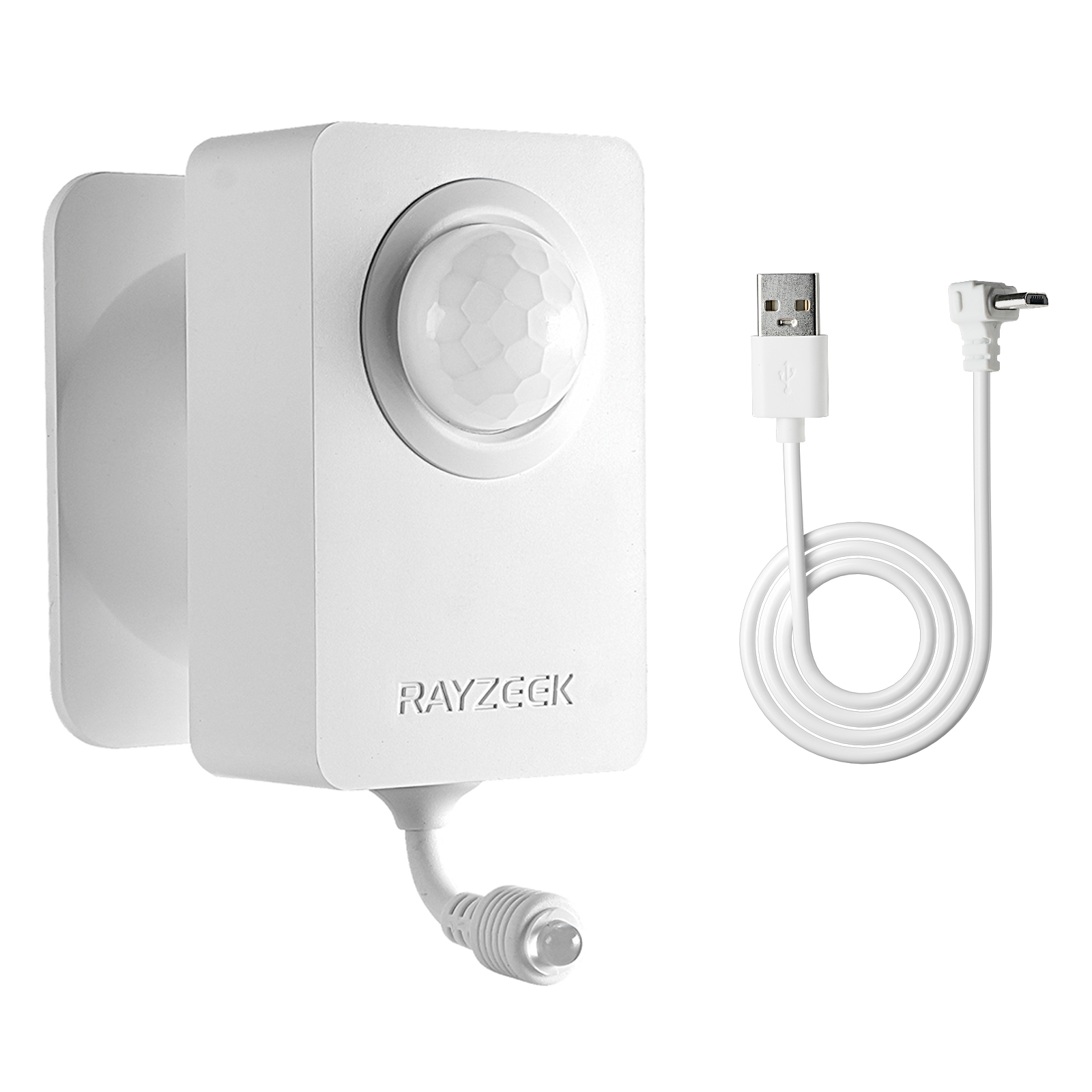
- Tension : 2x piles AAA / 5V DC (Micro USB)
- Mode Jour/Nuit
- Temporisation : 15min, 30min, 1h (par défaut), 2h
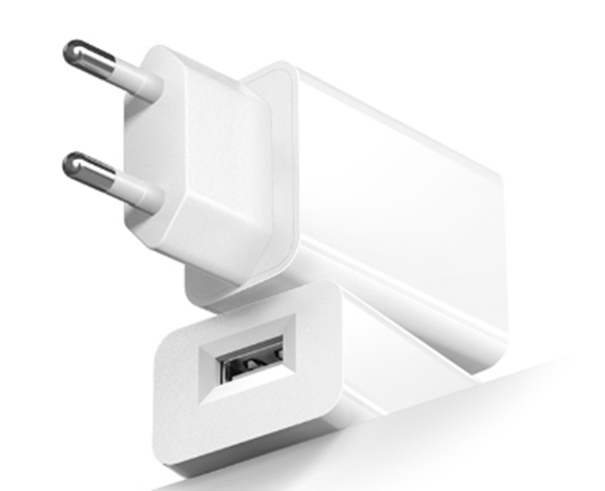
- Adaptateur secteur prise UE
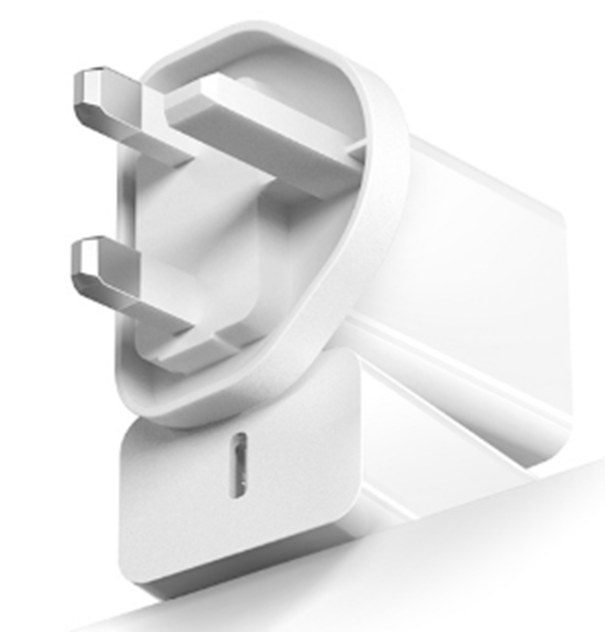
- Adaptateur secteur prise UK
Frequently Asked Questions
What Is the Difference Between Regular Light and Laser Light
Normal light is divergent and incoherent, while laser light is highly directional and coherent. Unlike normal light, which is a mixture of electromagnetic waves with different wavelengths, laser light is monochromatic. This is the primary distinction between normal light and laser light.
What Is the Difference Between LED Lights and Laser Lights
The primary distinction between LED lights and laser lights lies in their functionality. LED lights have a greater output and wider bandwidths, allowing them to generate a diverse range of less-focused light. On the other hand, laser lights have a lower output and a narrow bandwidth, emitting a concentrated beam of light from a tiny point.
Is Laser Light Better Than LED
Lasers are known for their superior power and faster operating speeds compared to LEDs. Additionally, lasers have the capability to transmit light over longer distances with minimal errors. It is important to note that lasers are considerably more expensive than LEDs.
What Is Laser Light Good For
Lasers have a wide range of applications, such as assisting in object highlighting during presentations, facilitating material alignment in construction and household settings, and aiding doctors in performing cosmetic and surgical procedures.
Do Laser Lights Work in Daylight
Laser pointers can effectively function as signaling tools, even when used in daylight. They have the capability to generate a strong signal that can be easily detected by search and rescue vehicles. This is achieved through the use of a compact, lightweight, and affordable device, making it convenient to include in emergency kits.
What Is the Disadvantage of LED Light Over Laser Light
Heating issues are more prevalent in LED lights compared to LASER lights.
Why Is Laser Light Better Than Ordinary Light
Laser light is superior to ordinary light due to its ability to travel long distances without scattering. Unlike ordinary light, which is diffused and lacks focus, laser light can concentrate its intensity on a specific point, thanks to its directional structure.







