
What is Joule
A joule is a unit of measurement for energy in the International System of Units (SI). It is used to quantify the amount of energy released or transferred over a period of time. In the context of the lighting industry, joules are particularly relevant when determining the joule rating of surge protectors.
The joule rating of a surge protector indicates its ability to absorb and dissipate energy before it fails. A higher joule rating signifies a greater capacity for surge protection. For example, an average lightning strike releases about one billion joules of energy over a fraction of a second. Therefore, a surge protector with a higher joule rating can withstand larger power surges and provide better protection for connected electrical devices.
Maybe You Are Interested In

- Ceiling-mounted PIR occupancy sensor with dry-contact relay output
- 12/24VDC or 12/24VAC low-voltage supply
- COM, NO, and NC isolated relay contacts for EMS, HVAC, and building control inputs

- Low-voltage DC recessed ceiling-mounted microwave motion sensor switch
- 12 VDC / 24 VDC input with 10-30 VDC range
- 10A max work current with adjustable time delay, Lux threshold, and sensitivity
- Higher-load recessed ceiling-mounted microwave motion sensor switch
- 100-265 VAC line-voltage input, 10A model
- 5.8 GHz microwave sensing with adjustable time delay, Lux threshold, and sensitivity
- Recessed ceiling-mounted microwave motion sensor switch
- 100-265 VAC line-voltage input, 5A model
- 5.8 GHz microwave sensing with adjustable time delay, Lux threshold, and sensitivity
- Ceiling-mounted RZ037 PIR occupancy sensor dimmer for 220V power
- 3A maximum working current with 660W rated load
- LUX button controls light-sensor ON/OFF and user-set dimming brightness
- Ceiling-mounted RZ037 PIR occupancy sensor dimmer for 110V power
- 3A maximum working current with 330W rated load
- LUX button controls light-sensor ON/OFF and user-set dimming brightness

- Low-voltage DC ceiling-mounted microwave motion sensor switch
- 12 VDC / 24 VDC input with 10-30 VDC range
- 10A max work current with adjustable time delay, Lux threshold, and sensitivity
- Higher-load ceiling-mounted microwave motion sensor switch
- 100-265 VAC line-voltage input, 10A model
- 5.8 GHz microwave sensing with adjustable time delay, Lux threshold, and sensitivity
- Ceiling-mounted microwave motion sensor switch
- 100-265 VAC line-voltage input, 5A model
- 5.8 GHz microwave sensing with adjustable time delay, Lux threshold, and sensitivity

- Low-voltage DC recessed ceiling mount PIR motion sensor switch
- 12 VDC / 24 VDC input with 10-30 VDC range
- Max work current 10A with adjustable time delay, Lux threshold, and sensitivity

- Higher-load recessed ceiling mount PIR motion sensor switch
- 100-265 VAC line-voltage input, 10A model
- 360-degree detection with adjustable time delay, Lux threshold, and sensitivity
- Recessed ceiling mount PIR motion sensor switch
- 100-265 VAC line-voltage input, 5A model
- 360-degree detection with adjustable time delay, Lux threshold, and sensitivity

- Wireless switch and receiver kit for indoor ON/OFF lighting control
- 100-230VAC, 50/60Hz receiver with 5A rated current
- CR2032-powered wireless switch with 2.4GHz communication
- Occupancy (Auto-ON/Auto-OFF)
- 12–24V DC (10–30VDC), up to 10A
- 360° coverage, 8–12 m diameter
- Time delay 15 s–30 min
- Light sensor Off/15/25/35 Lux
- High/Low sensitivity
- Auto-ON/Auto-OFF occupancy mode
- 100–265V AC, 10A (neutral required)
- 360° coverage; 8–12 m detection diameter
- Time delay 15 s–30 min; Lux OFF/15/25/35; Sensitivity High/Low
- Auto-ON/Auto-OFF occupancy mode
- 100–265V AC, 5A (neutral required)
- 360° coverage; 8–12 m detection diameter
- Time delay 15 s–30 min; Lux OFF/15/25/35; Sensitivity High/Low
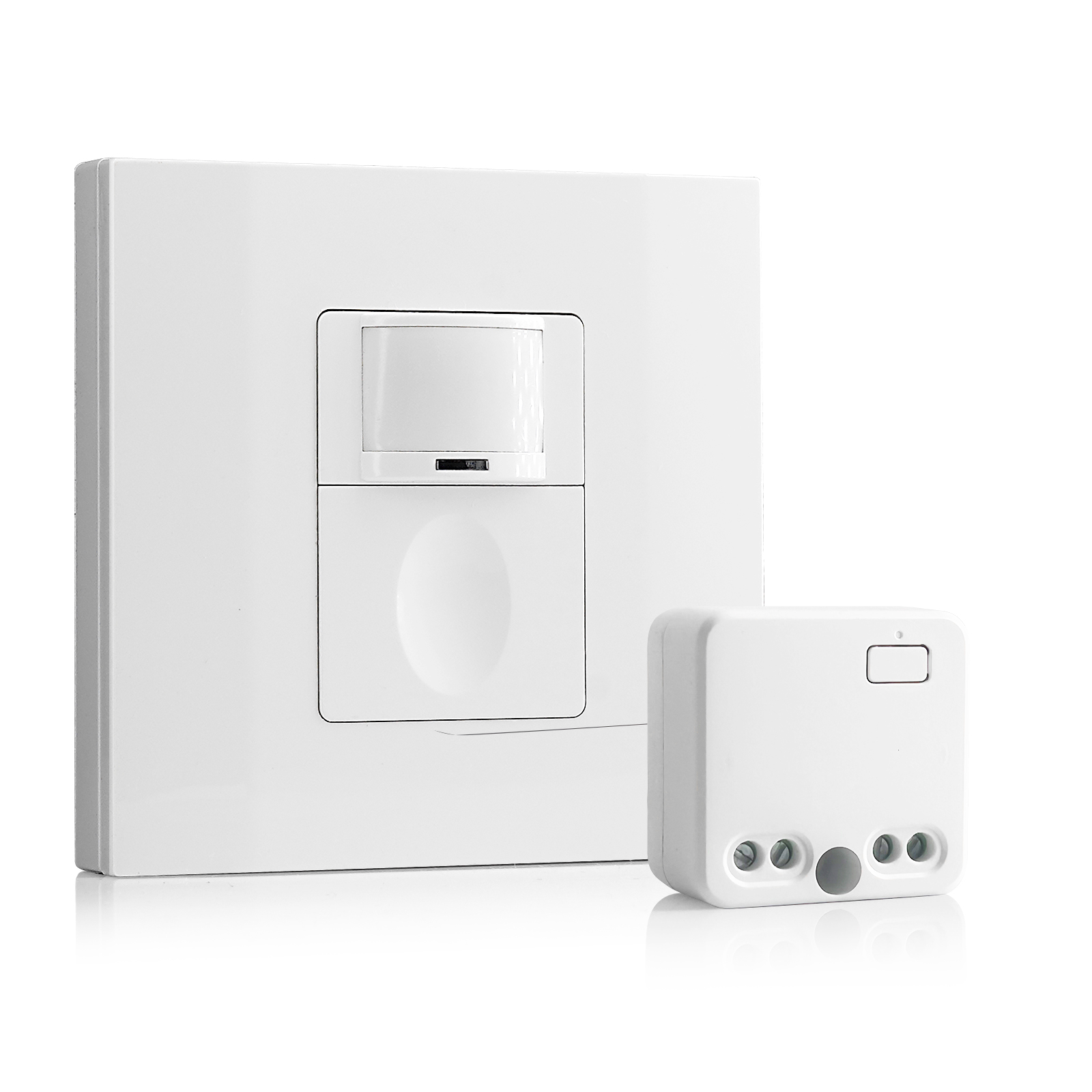
- 100V-230VAC
- Transmission Distance: up to 20m
- Wireless motion sensor
- Hardwired control
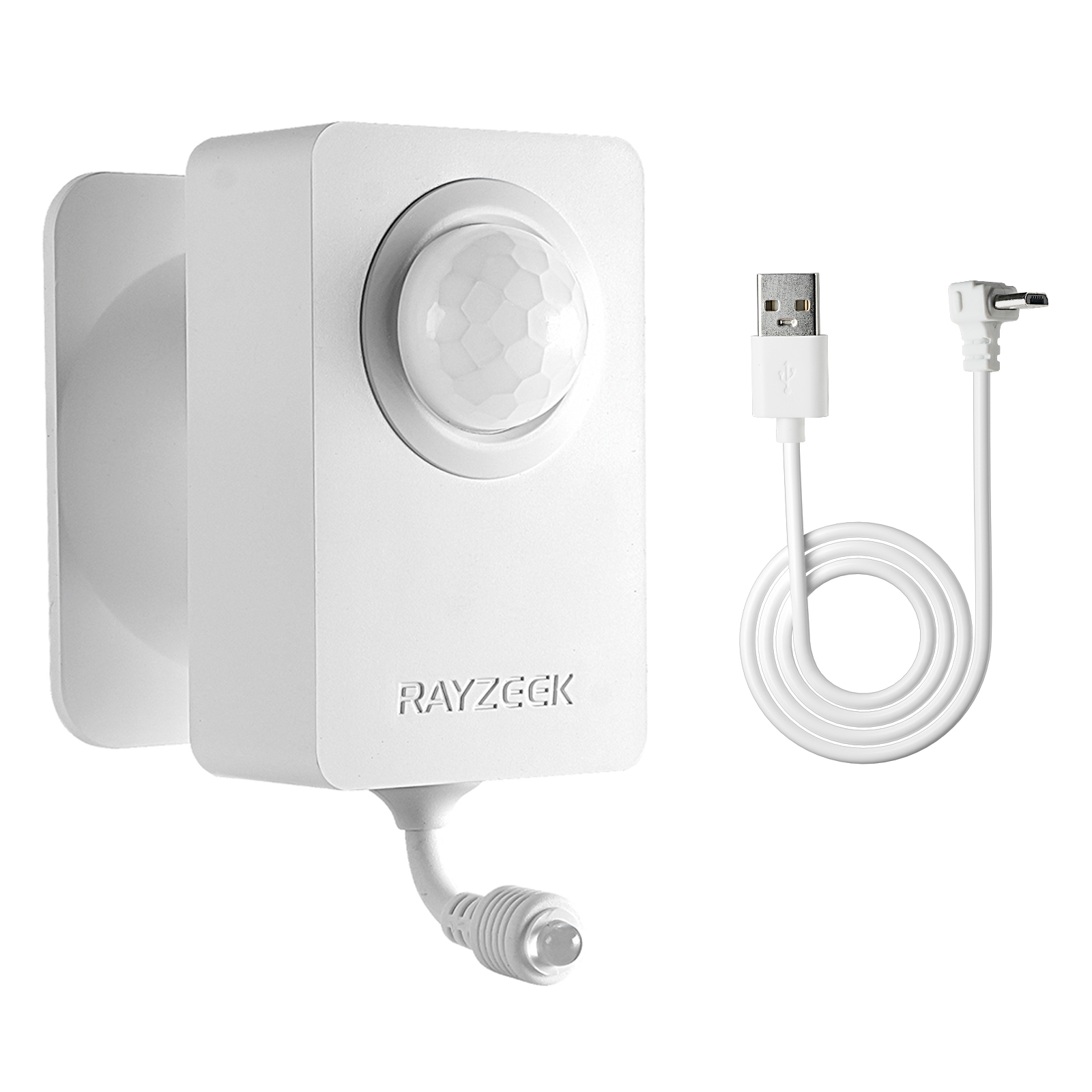
- Voltage: 2x AAA Batteries / 5V DC (Micro USB)
- Day/Night Mode
- Time delay: 15min, 30min, 1h(default), 2h
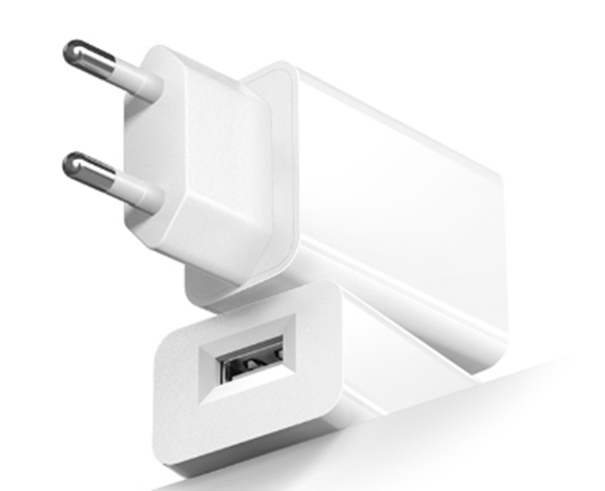
- EU plug power adapter
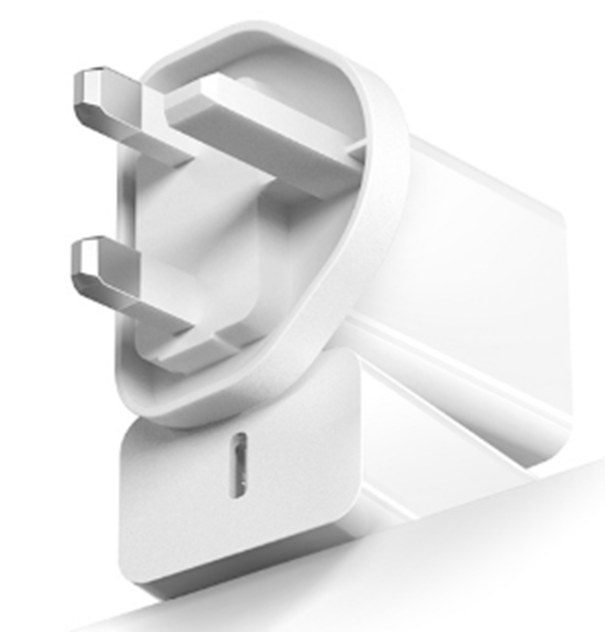
- UK plug power adapter
When selecting a surge protector, one needs to consider the value and type of equipment to be protected. Devices containing microprocessors, such as computers or home entertainment systems, require surge protection. The joule rating of the surge protector should be chosen accordingly to ensure adequate protection.
Joules required to absorb a power surge are permanently depleted with each occurrence. Over time, the joule rating of a surge protector may diminish, reducing its effectiveness in providing protection. Regular monitoring and replacement of surge protectors are recommended, especially after inclement weather or if unsure of their status.
Get Inspired by Rayzeek Motion Sensor Portfolios.
Doesn't find what you want? Don't worry. There are always alternate ways to solve your problems. Maybe one of our portfolios can help.
Frequently Asked Questions
Is 4000 Joules Good for a Surge Protector
Generally, it is recommended to choose surge protectors with a rating of at least 200-400 joules for point-of-use applications. However, surge protectors with a rating of 600 joules or higher are even more preferable. For optimal protection of electrical devices such as lamps, small kitchen appliances, and digital clocks, surge protectors with a rating of 1000 joules or more are recommended.
How Many Joules Is a Good Surge Protector
If you’re looking to safeguard devices such as cell phones, basic laptops, printers, routers, and copiers, it is recommended to use a surge protector with a joule rating ranging from 1,000 to 2,000. This rating is also suitable for protecting power tools and other household appliances.
Is 2700 Joules Enough
From my understanding, a joule rate of 2000 or higher is considered sufficient for most purposes. However, it is important to note that a higher joule rate provides greater protection, so it is advisable to opt for a surge protector with a higher joule rate to safeguard valuable equipment.
Are More Joules Better
Generally, it is preferable to have a higher number of joules, as this indicates that the device is capable of withstanding either a single large surge or multiple smaller surges without putting your equipment at risk. It is important to note that the effectiveness of the protector diminishes over time due to wear and tear on its internal components.
What to Look for When Buying a Surge Protector
A surge protector with a higher joule rating is the most reliable way to ensure better protection. It is recommended to select a surge protector with a joule rating of at least 200 to 400. However, for sensitive or expensive equipment like computers, displays, and audio/video equipment, it is advisable to opt for a surge protector with a joule rating of at least 1000.
Is More Joules Better for Surge Protector
With surge protection, the joule rating is crucial. The joule rating of a surge protector determines its ability to absorb energy. A surge protector with a higher joule rating provides better protection.
Is 2500 Joules Enough for a Surge Protector
With joule ratings, it is important to have a higher rating as it indicates the surge protector’s ability to handle larger or multiple power surges. While a 1000 joule protector is suitable for small electronics, it is recommended to use a surge protector with a minimum rating of 2500 joules for larger devices.
How Many Joules Does the Average House Use
The typical amount of electrical energy consumed by an average household in the United States is approximately 50,000,000 Joules per day.







