
What is Dimmable Light Bulb
A dimmable light bulb is a type of light bulb that can be adjusted to emit varying levels of brightness. It is specifically designed to be used with dimmable fittings, which are equipped with a dimmer switch on the wall. This feature allows users to control the intensity of the light output, providing flexibility in creating different lighting atmospheres or adjusting the brightness according to personal preferences.
Dimmable light bulbs are available in various types, including LEDs (Light Emitting Diodes) and halogen bulbs. These bulbs are designed with special components that allow them to be dimmed without flickering or affecting their lifespan. They are often preferred over non-dimmable bulbs because they provide greater control over the lighting intensity in a room.
Vous recherchez des solutions d'économie d'énergie activées par le mouvement ?
Contactez-nous pour obtenir des détecteurs de mouvement RPT complets, des produits d'économie d'énergie activés par le mouvement, des interrupteurs à détecteur de mouvement et des solutions commerciales de présence/absence.
Dimmable light bulbs are famous for their energy-saving potential. By lowering the brightness level, less energy is consumed, resulting in reduced electricity costs. This feature is particularly beneficial in areas where lighting needs may vary throughout the day or in spaces where creating a specific ambiance is desired. Not all types of light bulbs are inherently dimmable. For example, fluorescent tubes require a dimmable ballast to be fitted in order to be used with a dimmer switch. This is because the ballast is responsible for regulating the electrical current flowing through the tube, and a non-dimmable ballast would not be able to handle the varying voltage required for dimming.
Ces produits pourraient vous intéresser

- Détecteur de présence PIR pour montage au plafond avec sortie relais à contact sec
- Alimentation basse tension 12/24VDC ou 12/24VAC
- Contacts de relais isolés COM, NO et NC pour les entrées de gestion technique des bâtiments (GTB), de CVC et de contrôle des bâtiments

- Interrupteur détecteur de mouvement à micro-ondes basse tension DC encastrable au plafond
- Entrée 12 VDC / 24 VDC avec une plage de 10-30 VDC
- Courant de fonctionnement max de 10A avec temporisation, seuil Lux et sensibilité réglables
- Interrupteur détecteur de mouvement à micro-ondes encastrable au plafond pour charges plus élevées
- Entrée de tension secteur 100-265 VAC, modèle 10A
- Détection micro-ondes 5,8 GHz avec temporisation, seuil Lux et sensibilité réglables
- Interrupteur détecteur de mouvement à micro-ondes encastrable au plafond
- Entrée de tension secteur 100-265 VAC, modèle 5A
- Détection micro-ondes 5,8 GHz avec temporisation, seuil Lux et sensibilité réglables
- Variateur détecteur de présence PIR RZ037 pour montage au plafond pour alimentation 220V
- Courant de fonctionnement maximum de 3A avec charge nominale de 660W
- Le bouton LUX contrôle l'activation/désactivation du capteur de lumière et la luminosité de variation définie par l'utilisateur
- Variateur détecteur de présence PIR RZ037 pour montage au plafond pour alimentation 110V
- Courant de fonctionnement maximum de 3A avec charge nominale de 330W
- Le bouton LUX contrôle l'activation/désactivation du capteur de lumière et la luminosité de variation définie par l'utilisateur

- Interrupteur de détecteur de mouvement à micro-ondes pour montage au plafond, CC basse tension
- Entrée 12 VDC / 24 VDC avec une plage de 10-30 VDC
- Courant de fonctionnement max de 10A avec temporisation, seuil Lux et sensibilité réglables
- Interrupteur de détecteur de mouvement à micro-ondes pour montage au plafond à charge plus élevée
- Entrée de tension secteur 100-265 VAC, modèle 10A
- Détection micro-ondes 5,8 GHz avec temporisation, seuil Lux et sensibilité réglables
- Interrupteur de détecteur de mouvement à micro-ondes pour montage au plafond
- Entrée de tension secteur 100-265 VAC, modèle 5A
- Détection micro-ondes 5,8 GHz avec temporisation, seuil Lux et sensibilité réglables

- Interrupteur de détecteur de mouvement PIR encastré au plafond, CC basse tension
- Entrée 12 VDC / 24 VDC avec une plage de 10-30 VDC
- Courant de fonctionnement max. 10A avec temporisation, seuil Lux et sensibilité réglables

- Interrupteur de détecteur de mouvement PIR encastré au plafond à charge plus élevée
- Entrée de tension secteur 100-265 VAC, modèle 10A
- Détection à 360 degrés avec temporisation, seuil Lux et sensibilité réglables
- Interrupteur de détecteur de mouvement PIR encastré au plafond
- Entrée de tension secteur 100-265 VAC, modèle 5A
- Détection à 360 degrés avec temporisation, seuil Lux et sensibilité réglables

- Kit d'interrupteur et récepteur sans fil pour le contrôle de l'éclairage intérieur ON/OFF
- Récepteur 100-230VAC, 50/60Hz avec courant nominal de 5A
- Interrupteur sans fil alimenté par pile CR2032 avec communication 2.4GHz
- Mode d'occupation (Auto-ON/Auto-OFF)
- 12–24V DC (10–30VDC), jusqu'à 10A
- Couverture à 360°, diamètre de 8–12 m
- Temporisation de 15 s à 30 min
- Capteur de lumière Désactivé/15/25/35 Lux
- Sensibilité Haute/Basse
- Mode d'occupation Auto-ON/Auto-OFF
- 100–265V AC, 10A (neutre requis)
- Couverture à 360° ; diamètre de détection de 8–12 m
- Temporisation de 15 s à 30 min ; Lux DÉSACTIVÉ/15/25/35 ; Sensibilité Haute/Basse
- Mode d'occupation Auto-ON/Auto-OFF
- 100–265V AC, 5A (neutre requis)
- Couverture à 360° ; diamètre de détection de 8–12 m
- Temporisation de 15 s à 30 min ; Lux DÉSACTIVÉ/15/25/35 ; Sensibilité Haute/Basse
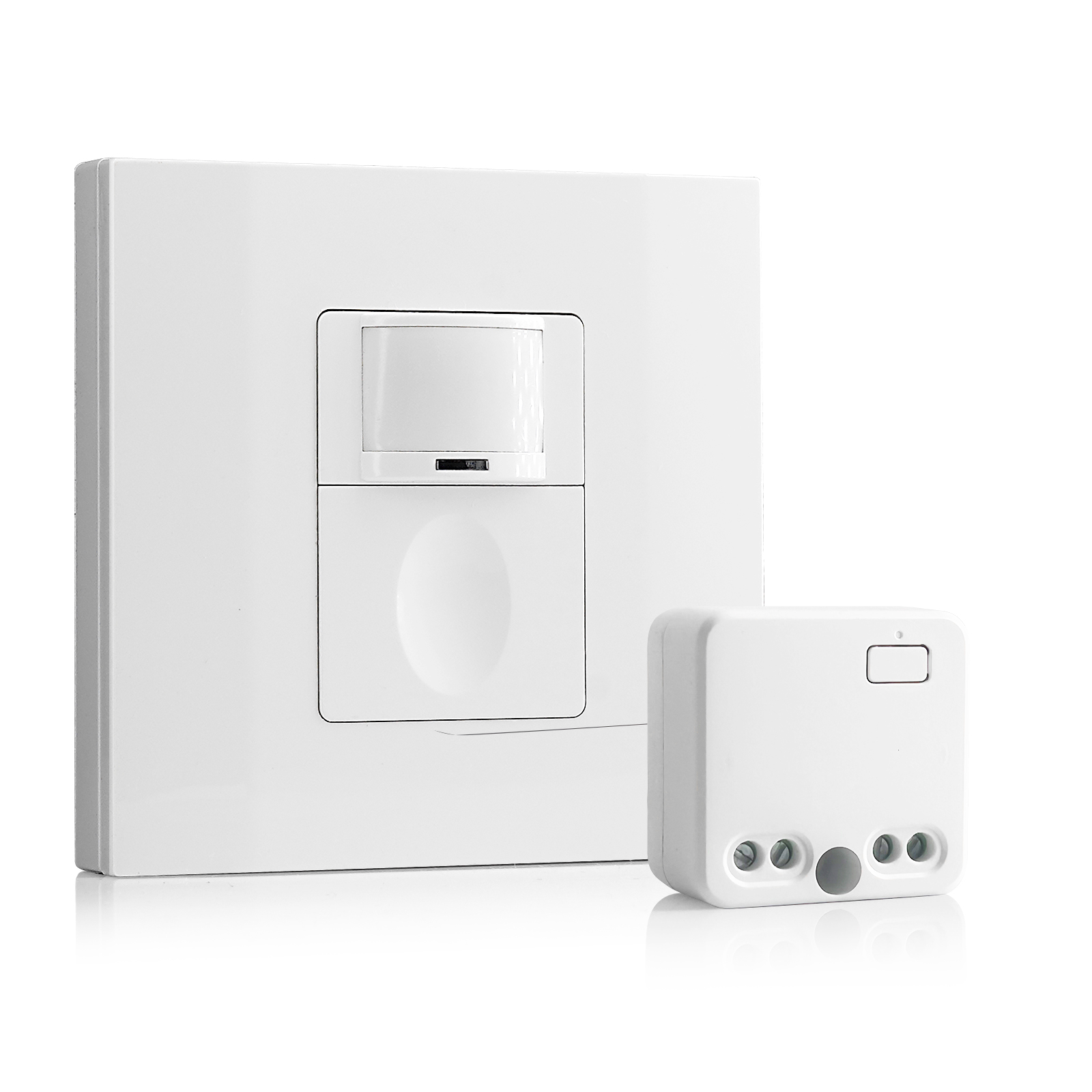
- 100V-230VAC
- Distance de transmission : jusqu'à 20m
- Détecteur de mouvement sans fil
- Contrôle filaire
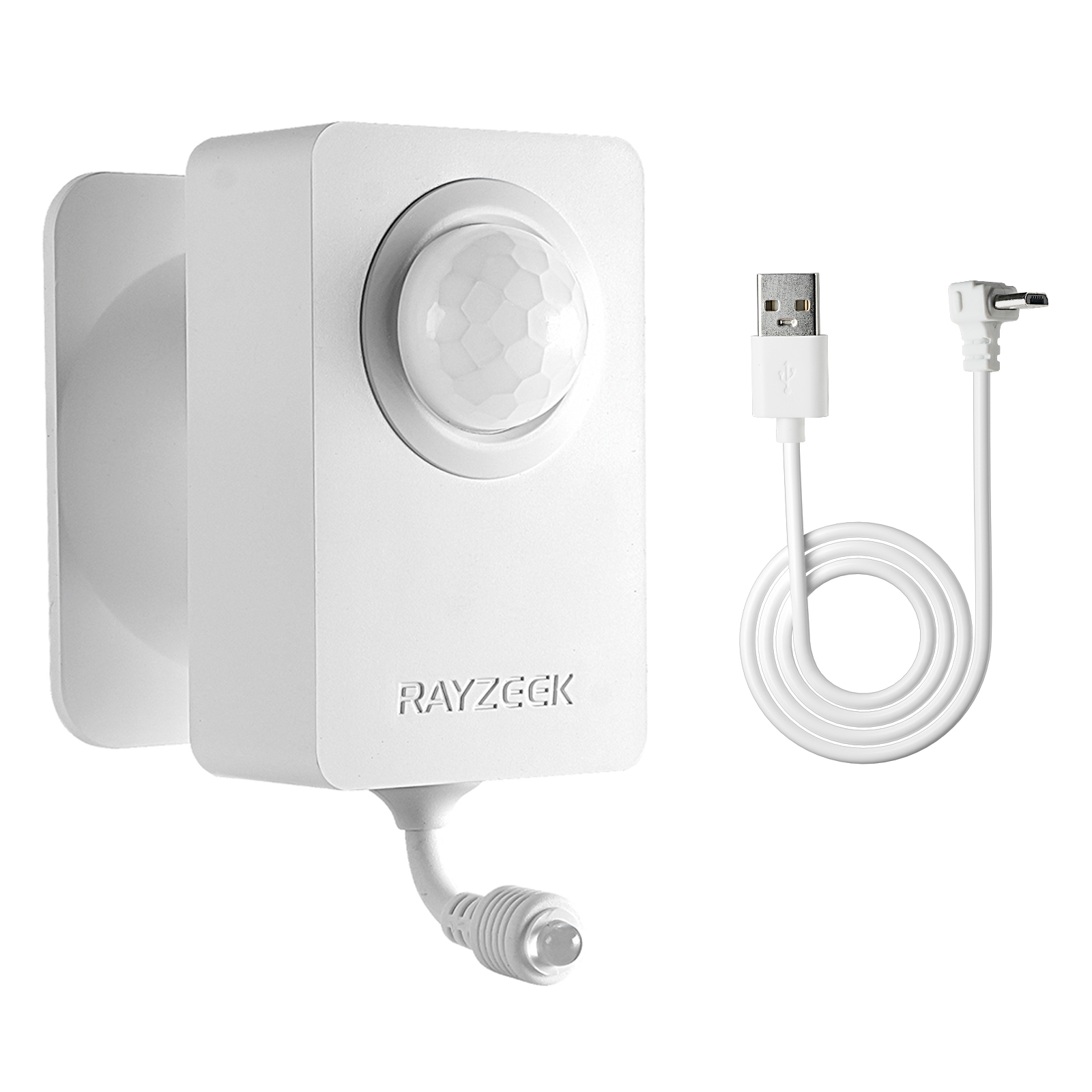
- Tension : 2x piles AAA / 5V DC (Micro USB)
- Mode Jour/Nuit
- Temporisation : 15min, 30min, 1h (par défaut), 2h
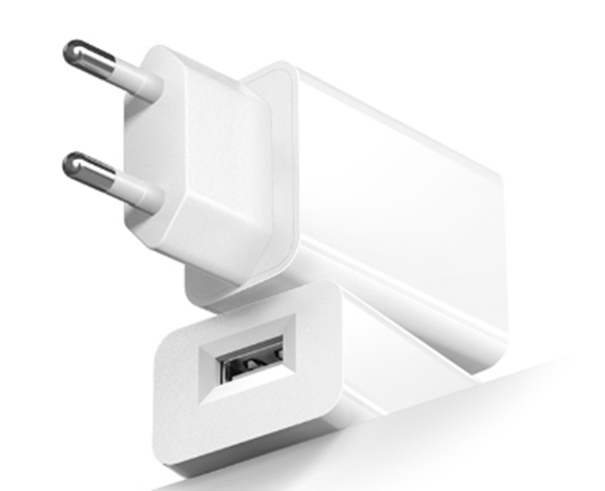
- Adaptateur secteur prise UE
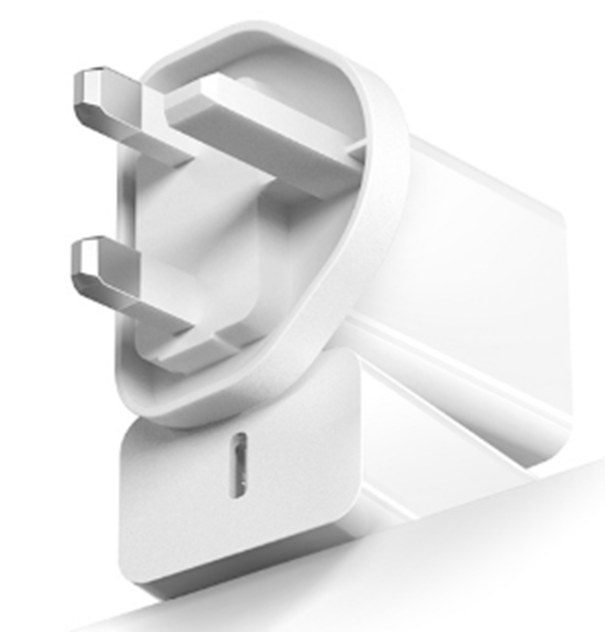
- Adaptateur secteur prise UK
Frequently Asked Questions
What Makes a Light Bulb Brighter or Dimmer
Lumens are the unit of measurement for the amount of light emitted by a bulb. A higher number of lumens indicates a brighter light, while a lower number of lumens indicates a dimmer light. Therefore, when purchasing light bulbs, it is important to consider the lumens rather than the watts to ensure you get the desired level of brightness.
What Light Bulbs Cannot Be Dimmed
According to standard guidelines, it is not recommended to use CFL or compact fluorescent light bulbs with dimmer switches. If the voltage is lowered while using a CFL bulb, it will turn off completely instead of dimming.
What Is the Disadvantage of a Dimmer Switch
Perhaps one drawback of utilizing a dimmer switch compared to a traditional switch is the potential incompatibility between the dimmer and certain light fixtures within the household. As a result, homeowners may need to replace not only the switches but also the light fixtures themselves.
Is It Safe to Install a Dimmable LED Bulb in a Fixture That Is Not Dimmable and Has Only on and Off Settings
Yes, it is possible to use dimmable LED bulbs in a fixture that does not have dimming capabilities or only has on and off settings. This means that you can use dimmable LEDs without the need for a dimmer switch, similar to regular light bulbs. This information is useful as it allows you to have more options when purchasing LED bulbs, especially since some retailers are decreasing their stock of non-dimmable options.
Are Dimmable Bulbs More Expensive
Dimmable LEDs may have a higher price tag compared to non-dimmable LEDs. This is due to the additional technology required for dimming functionality, which increases the manufacturing cost. It is worth noting that LEDs are generally more expensive than halogen bulbs, but they offer significant savings on energy bills and have a longer lifespan.
Do People Still Use Dimmer Switches
Over the years, there has been a significant advancement in lighting technology for residential use. In addition to being more energy-efficient, modern dimmer switches also have the added benefit of prolonging the lifespan of light bulbs. These switches utilize a “Triac Switch” mechanism to rapidly alternate the flow of energy to the light circuit, resulting in reduced energy consumption.
How Do I Know if My Light Bulb Is Dimmable
The packaging or labeling of the light bulb should indicate whether it is dimmable and provide information on compatible dimmer switches. It is important to note that different CFLs may yield different results when used with their corresponding dimmers. In some cases, the CFL may only dim down to a specific percentage, typically ranging from 10% to 40% of the full light levels, before the light completely turns off.
How Do I Know if My LED Dimmer Is Compatible
The most effective method to determine if your existing LED dimmer is compatible is to examine the range of load it can handle, both in terms of minimum and maximum load. Additionally, it is important to take into account the information we have discussed regarding the different types of dimmers, such as Trailing Edge Dimmers, which are specifically designed for LED bulbs due to their ability to handle low wattage.







