
What is BUG Rating
Bug rating is a measurement system used to evaluate the performance of nighttime luminaires. It is a lingo specifically used in the lighting industry and is part of the BUG lighting classification system, which was developed by the Illuminating Engineering Society (IES) and the International Dark Sky Association.
The BUG lighting classification system was created to assess outdoor light fixtures and their performance in terms of three types of stray light: Backlight, Uplight, and Glare. The term “BUG” is an acronym for these three types of stray light.
Backlight refers to the light emitted behind the fixture, causing a glow or halo effect. Uplight refers to the light emitted upward from the fixture, contributing to light pollution and skyglow. Glare refers to the excessive brightness or discomfort caused by the light fixture, affecting visibility and creating visual discomfort.
Ces produits pourraient vous intéresser

- Détecteur de présence PIR pour montage au plafond avec sortie relais à contact sec
- Alimentation basse tension 12/24VDC ou 12/24VAC
- Contacts de relais isolés COM, NO et NC pour les entrées de gestion technique des bâtiments (GTB), de CVC et de contrôle des bâtiments

- Interrupteur détecteur de mouvement à micro-ondes basse tension DC encastrable au plafond
- Entrée 12 VDC / 24 VDC avec une plage de 10-30 VDC
- Courant de fonctionnement max de 10A avec temporisation, seuil Lux et sensibilité réglables
- Interrupteur détecteur de mouvement à micro-ondes encastrable au plafond pour charges plus élevées
- Entrée de tension secteur 100-265 VAC, modèle 10A
- Détection micro-ondes 5,8 GHz avec temporisation, seuil Lux et sensibilité réglables
- Interrupteur détecteur de mouvement à micro-ondes encastrable au plafond
- Entrée de tension secteur 100-265 VAC, modèle 5A
- Détection micro-ondes 5,8 GHz avec temporisation, seuil Lux et sensibilité réglables
- Variateur détecteur de présence PIR RZ037 pour montage au plafond pour alimentation 220V
- Courant de fonctionnement maximum de 3A avec charge nominale de 660W
- Le bouton LUX contrôle l'activation/désactivation du capteur de lumière et la luminosité de variation définie par l'utilisateur
- Variateur détecteur de présence PIR RZ037 pour montage au plafond pour alimentation 110V
- Courant de fonctionnement maximum de 3A avec charge nominale de 330W
- Le bouton LUX contrôle l'activation/désactivation du capteur de lumière et la luminosité de variation définie par l'utilisateur

- Interrupteur de détecteur de mouvement à micro-ondes pour montage au plafond, CC basse tension
- Entrée 12 VDC / 24 VDC avec une plage de 10-30 VDC
- Courant de fonctionnement max de 10A avec temporisation, seuil Lux et sensibilité réglables
- Interrupteur de détecteur de mouvement à micro-ondes pour montage au plafond à charge plus élevée
- Entrée de tension secteur 100-265 VAC, modèle 10A
- Détection micro-ondes 5,8 GHz avec temporisation, seuil Lux et sensibilité réglables
- Interrupteur de détecteur de mouvement à micro-ondes pour montage au plafond
- Entrée de tension secteur 100-265 VAC, modèle 5A
- Détection micro-ondes 5,8 GHz avec temporisation, seuil Lux et sensibilité réglables

- Interrupteur de détecteur de mouvement PIR encastré au plafond, CC basse tension
- Entrée 12 VDC / 24 VDC avec une plage de 10-30 VDC
- Courant de fonctionnement max. 10A avec temporisation, seuil Lux et sensibilité réglables

- Interrupteur de détecteur de mouvement PIR encastré au plafond à charge plus élevée
- Entrée de tension secteur 100-265 VAC, modèle 10A
- Détection à 360 degrés avec temporisation, seuil Lux et sensibilité réglables
- Interrupteur de détecteur de mouvement PIR encastré au plafond
- Entrée de tension secteur 100-265 VAC, modèle 5A
- Détection à 360 degrés avec temporisation, seuil Lux et sensibilité réglables

- Kit d'interrupteur et récepteur sans fil pour le contrôle de l'éclairage intérieur ON/OFF
- Récepteur 100-230VAC, 50/60Hz avec courant nominal de 5A
- Interrupteur sans fil alimenté par pile CR2032 avec communication 2.4GHz
- Mode d'occupation (Auto-ON/Auto-OFF)
- 12–24V DC (10–30VDC), jusqu'à 10A
- Couverture à 360°, diamètre de 8–12 m
- Temporisation de 15 s à 30 min
- Capteur de lumière Désactivé/15/25/35 Lux
- Sensibilité Haute/Basse
- Mode d'occupation Auto-ON/Auto-OFF
- 100–265V AC, 10A (neutre requis)
- Couverture à 360° ; diamètre de détection de 8–12 m
- Temporisation de 15 s à 30 min ; Lux DÉSACTIVÉ/15/25/35 ; Sensibilité Haute/Basse
- Mode d'occupation Auto-ON/Auto-OFF
- 100–265V AC, 5A (neutre requis)
- Couverture à 360° ; diamètre de détection de 8–12 m
- Temporisation de 15 s à 30 min ; Lux DÉSACTIVÉ/15/25/35 ; Sensibilité Haute/Basse
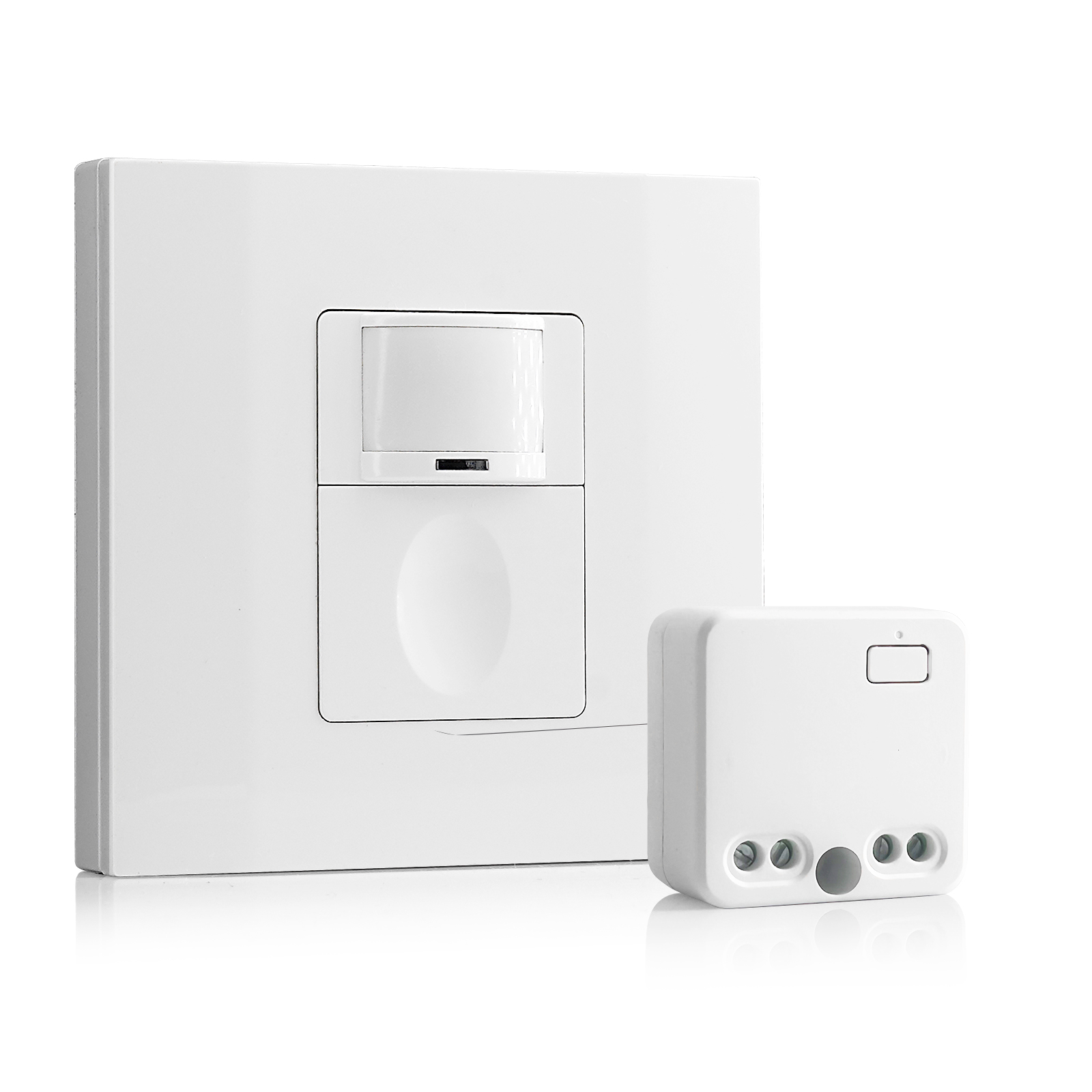
- 100V-230VAC
- Distance de transmission : jusqu'à 20m
- Détecteur de mouvement sans fil
- Contrôle filaire
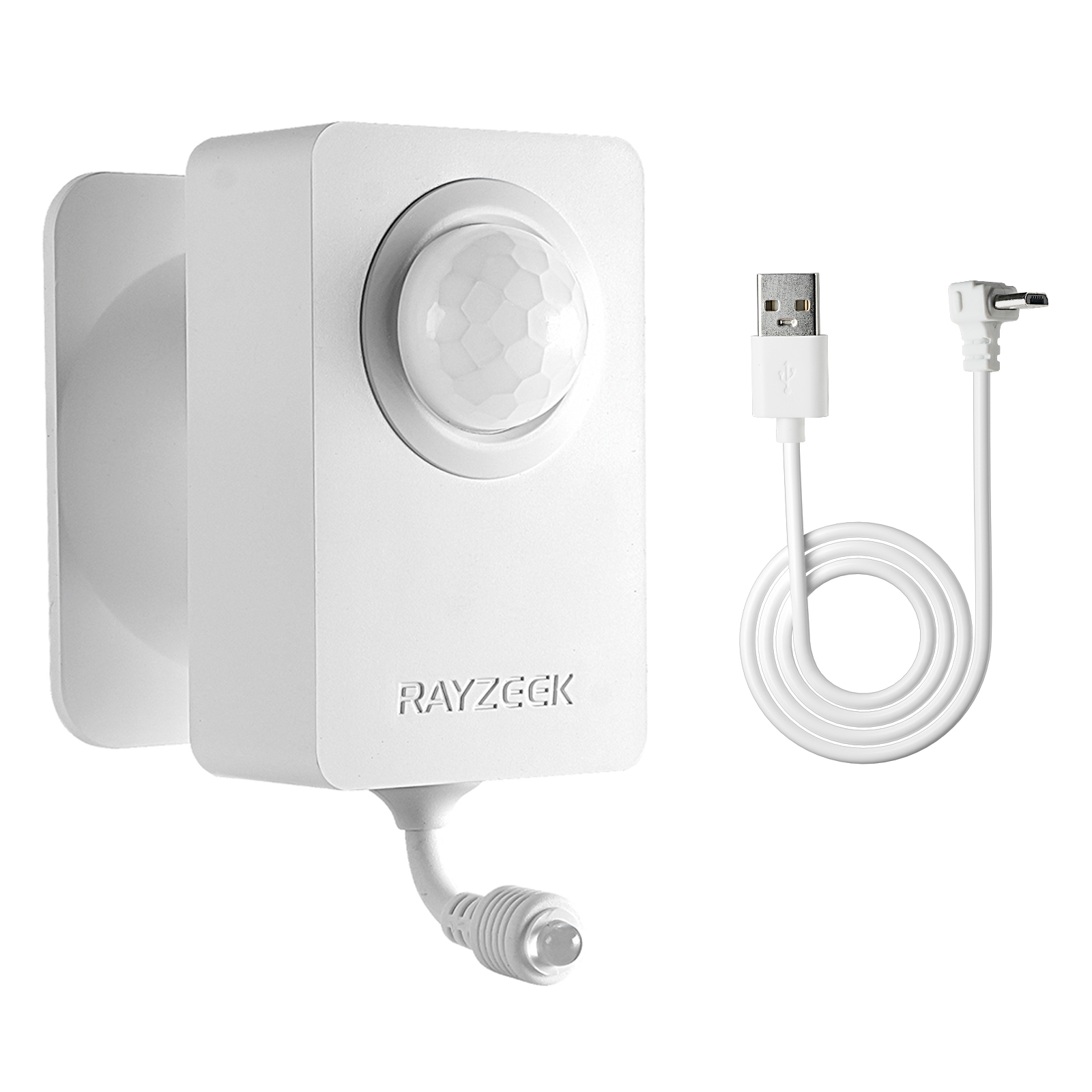
- Tension : 2x piles AAA / 5V DC (Micro USB)
- Mode Jour/Nuit
- Temporisation : 15min, 30min, 1h (par défaut), 2h
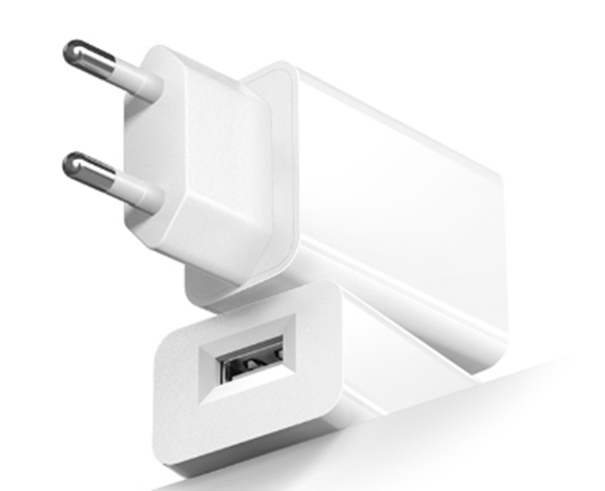
- Adaptateur secteur prise UE
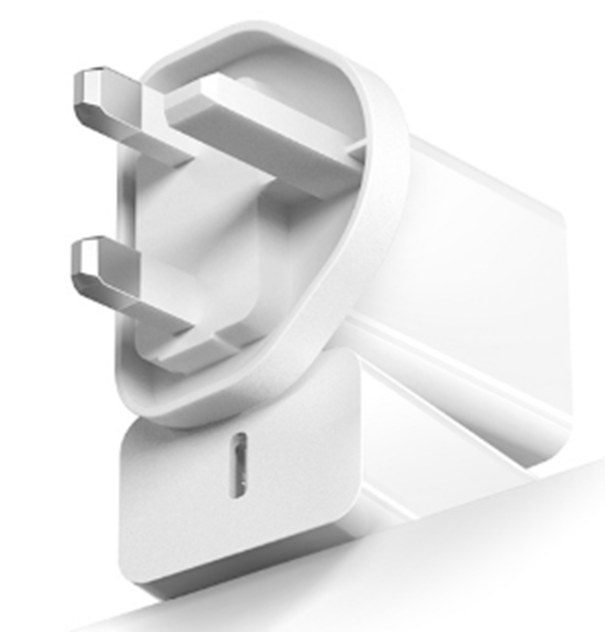
- Adaptateur secteur prise UK
The Bug Rating system helps quantify and classify the performance of a luminaire in terms of these three types of stray light. It is typically expressed as a combination of three letters, each representing the level of stray light in a specific category. The letters are assigned a value ranging from 0 to 5, with 0 indicating no stray light and 5 indicating the highest level of stray light. A lower Bug Rating indicates better control over light distribution and reduced light pollution.
Laissez-vous inspirer par les gammes de capteurs de mouvement Rayzeek.
Vous ne trouvez pas ce que vous cherchez ? Ne vous inquiétez pas. Il existe toujours d'autres solutions pour résoudre vos problèmes. L'une de nos gammes de produits pourra peut-être vous aider.
By using the Bug Rating system, lighting professionals and designers can make informed decisions about the selection and placement of outdoor light fixtures. They can choose luminaires with lower Bug Ratings to minimize the negative impact of stray light and reduce light pollution while still meeting the specific lighting requirements of the application.
Frequently Asked Questions
What Is an Example of a BUG Rating
For instance, a light with 136 lumens in zone BH would be classified as a B1 rating for that specific sub-zone. In the case where it had an output of 930 lumens in zone BM and 985 lumens in zone BL, the overall backlight rating would be categorized as B2, as it represents the highest backlight value among the sub-zones.
How Is BUG Rating Determined
Simply put, a BUG rating is a measurement that determines the direction of light emitted from a fixture, particularly during nighttime in outdoor areas such as parking lots. The definition of BUG ratings is provided by the Illuminating Engineering Society (IES), and their enforcement is carried out by the International Dark-Sky Association (IDA).
What Is the Acronym for BUG Light
In relation to these ratings, the term “BUG” stands for Backlight, Uplight, and Glare.







