

What is E26/E27
E26/E27 is a term used in the lighting industry to describe the standard screw-in base types for light bulbs. The E26 base is the standard base used in North America, while the E27 base is the standard base used in Europe. These bases are commonly referred to as Edison screw bases.
Inspírese con los catálogos de sensores de movimiento de Rayzeek.
¿No encuentra lo que busca? No se preocupe. Siempre hay formas alternativas de resolver sus problemas. Quizás uno de nuestros catálogos pueda ayudarle.
The main difference between the E26 and E27 bases lies in their mechanical design and the required standard voltage. The E26 base is designed for use with 120V AC voltage, which is the standard voltage in North America. On the other hand, the E27 base is designed for use with 240V AC voltage, which is the standard voltage in Europe.
In terms of specific dimensions, there are slight variations between the E26 and E27 bases. The length of the screw for the E26 base is typically around 19.56 mm, while for the E27 base it is around 22.0 mm. The live contact pad width for the E26 base ranges from 9.14 mm to 11.56 mm, while for the E27 base it ranges from 4.8 mm to 11.5 mm. The insulator height for the E26 base is typically around 3.25 mm, while for the E27 base it is around 5 mm. The screw diameter at the thread peak for both bases is approximately 26.05 mm to 26.41 mm. The screw diameter at the thread trough is slightly smaller for the E27 base, measuring around 24.26 mm compared to 24.72 mm for the E26 base. The distance between threads, also known as the OC (on-center) distance, is the same for both bases, measuring approximately 3.629 mm.
Quizás le interese

- Sensor de presencia PIR para montaje en techo con salida de relé de contacto seco
- Alimentación de bajo voltaje de 12/24VDC o 12/24VAC
- Contactos de relé aislados COM, NO y NC para entradas de EMS, HVAC y control de edificios

- Interruptor sensor de movimiento por microondas empotrable en techo de bajo voltaje DC
- Entrada de 12 VDC / 24 VDC con rango de 10-30 VDC
- Corriente de funcionamiento máxima de 10A con retardo de tiempo, umbral de Lux y sensibilidad ajustables
- Interruptor sensor de movimiento por microondas empotrable en techo para cargas más altas
- Entrada de voltaje de línea de 100-265 VAC, modelo de 10A
- Detección por microondas de 5.8 GHz con retardo de tiempo, umbral de Lux y sensibilidad ajustables
- Interruptor sensor de movimiento por microondas empotrable en techo
- Entrada de voltaje de línea de 100-265 VAC, modelo de 5A
- Detección por microondas de 5.8 GHz con retardo de tiempo, umbral de Lux y sensibilidad ajustables
- Dimmer sensor de presencia PIR RZ037 para montaje en techo para alimentación de 220V
- Corriente de funcionamiento máxima de 3A con carga nominal de 660W
- El botón LUX controla el encendido/apagado del sensor de luz y el brillo de regulación establecido por el usuario
- Dimmer sensor de presencia PIR RZ037 para montaje en techo para alimentación de 110V
- Corriente de funcionamiento máxima de 3A con carga nominal de 330W
- El botón LUX controla el encendido/apagado del sensor de luz y el brillo de regulación establecido por el usuario

- Interruptor de sensor de movimiento por microondas de techo de CC de bajo voltaje
- Entrada de 12 VDC / 24 VDC con rango de 10-30 VDC
- Corriente de funcionamiento máxima de 10A con retardo de tiempo, umbral de Lux y sensibilidad ajustables
- Interruptor de sensor de movimiento por microondas de techo para cargas más altas
- Entrada de voltaje de línea de 100-265 VAC, modelo de 10A
- Detección por microondas de 5.8 GHz con retardo de tiempo, umbral de Lux y sensibilidad ajustables
- Interruptor de sensor de movimiento por microondas de techo
- Entrada de voltaje de línea de 100-265 VAC, modelo de 5A
- Detección por microondas de 5.8 GHz con retardo de tiempo, umbral de Lux y sensibilidad ajustables

- Interruptor de sensor de movimiento PIR de techo empotrado de CC de bajo voltaje
- Entrada de 12 VDC / 24 VDC con rango de 10-30 VDC
- Corriente de trabajo máxima de 10A con retardo de tiempo, umbral de Lux y sensibilidad ajustables

- Interruptor de sensor de movimiento PIR de techo empotrado para cargas más altas
- Entrada de voltaje de línea de 100-265 VAC, modelo de 10A
- Detección de 360 grados con retardo de tiempo, umbral de Lux y sensibilidad ajustables
- Interruptor de sensor de movimiento PIR de techo empotrado
- Entrada de voltaje de línea de 100-265 VAC, modelo de 5A
- Detección de 360 grados con retardo de tiempo, umbral de Lux y sensibilidad ajustables

- Kit de receptor e interruptor inalámbrico para control de iluminación de encendido/apagado en interiores
- Receptor de 100-230VAC, 50/60Hz con corriente nominal de 5A
- Interruptor inalámbrico alimentado por CR2032 con comunicación de 2.4GHz
- Presencia (Encendido automático/Apagado automático)
- 12–24V DC (10–30VDC), hasta 10A
- Cobertura de 360°, 8–12 m de diámetro
- Retardo de tiempo de 15 s–30 min
- Sensor de luz Apagado/15/25/35 Lux
- Sensibilidad Alta/Baja
- Modo de presencia de encendido automático/apagado automático
- 100–265V AC, 10A (requiere neutro)
- Cobertura de 360°; diámetro de detección de 8–12 m
- Retardo de tiempo de 15 s–30 min; Lux APAGADO/15/25/35; Sensibilidad Alta/Baja
- Modo de presencia de encendido automático/apagado automático
- 100–265V CA, 5A (se requiere neutro)
- Cobertura de 360°; diámetro de detección de 8–12 m
- Retardo de tiempo de 15 s–30 min; Lux APAGADO/15/25/35; Sensibilidad Alta/Baja
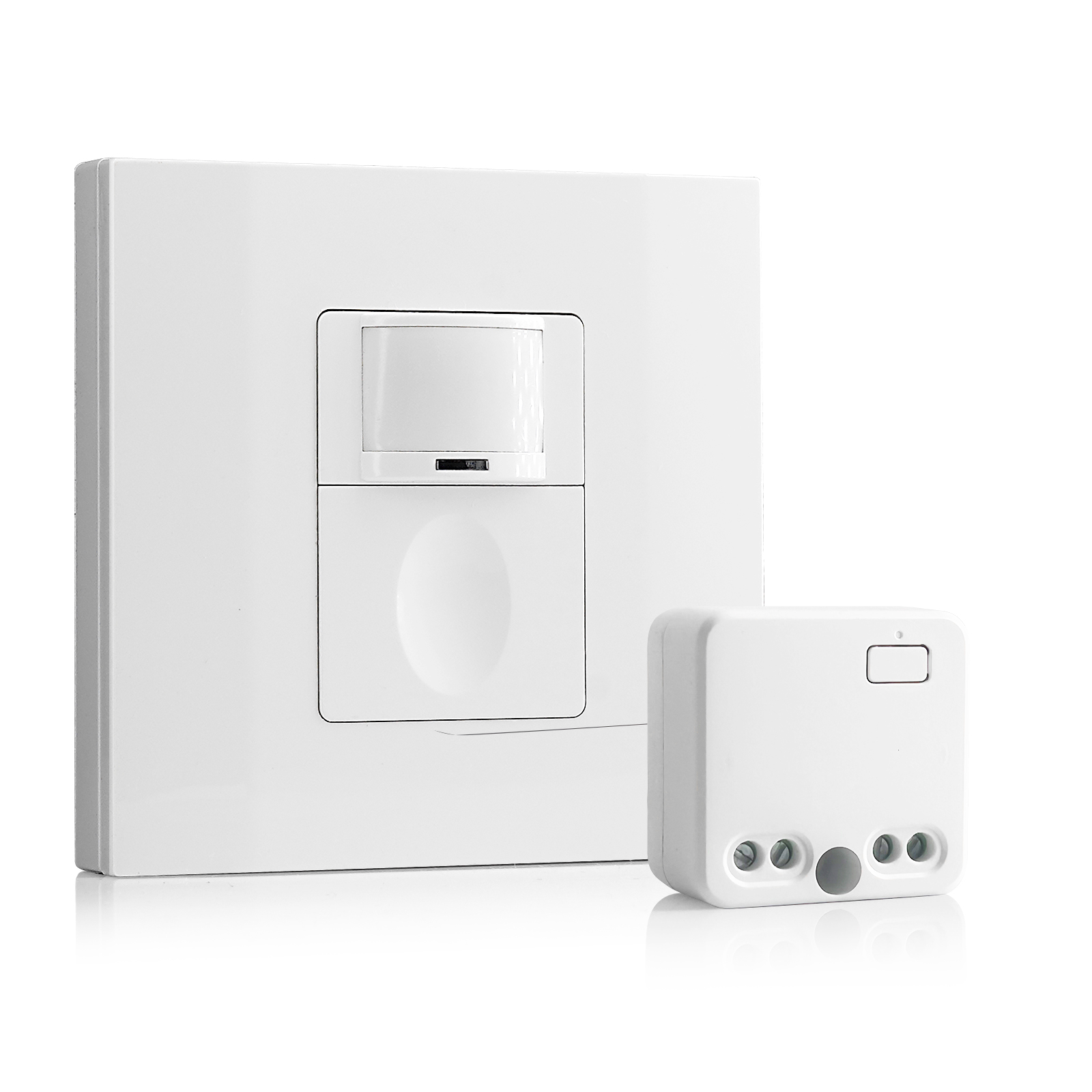
- 100V-230V CA
- Distancia de transmisión: hasta 20 m
- Sensor de movimiento inalámbrico
- Control cableado
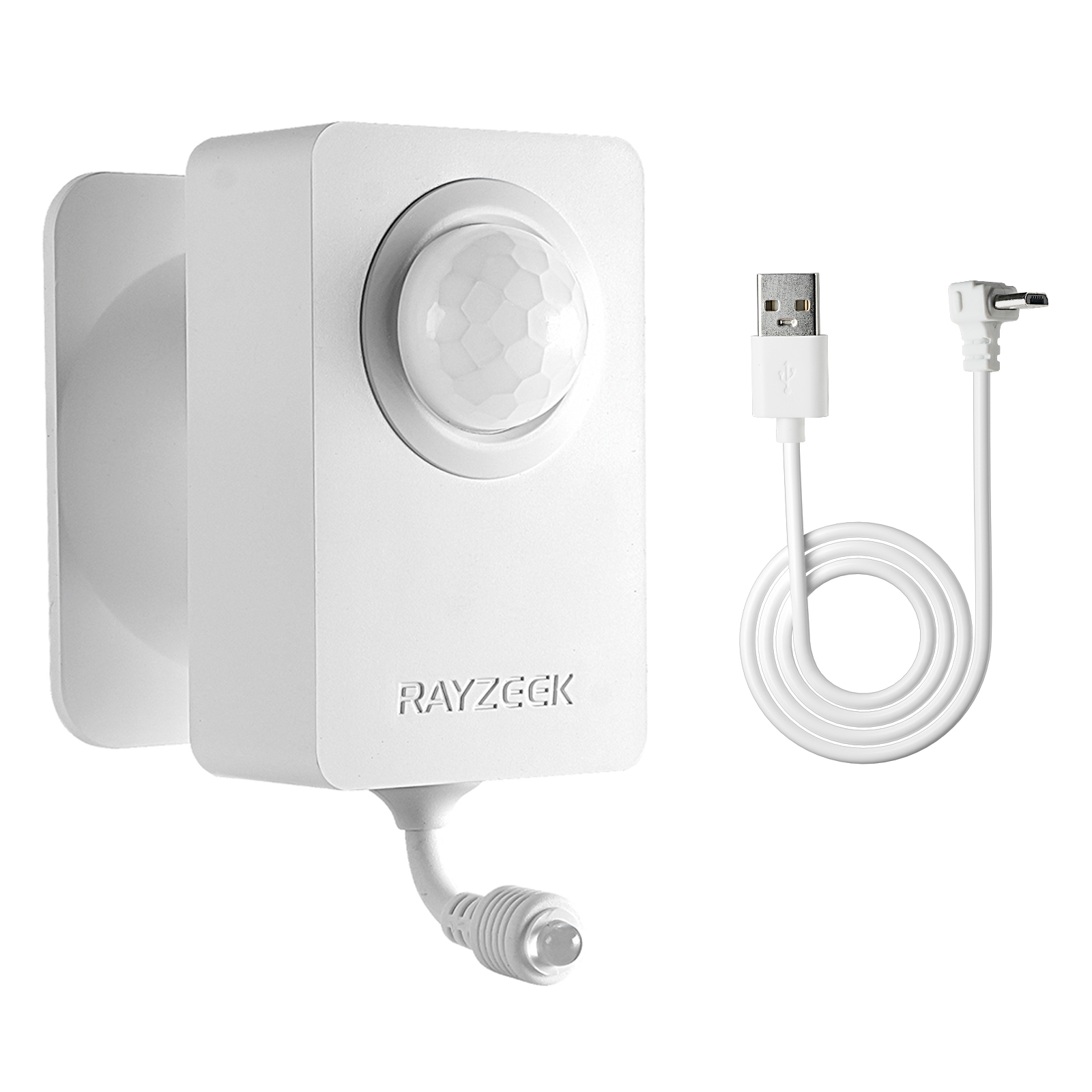
- Voltaje: 2 baterías AAA / 5V CC (Micro USB)
- Modo día/noche
- Tiempo de retardo: 15 min, 30 min, 1 h (por defecto), 2 h
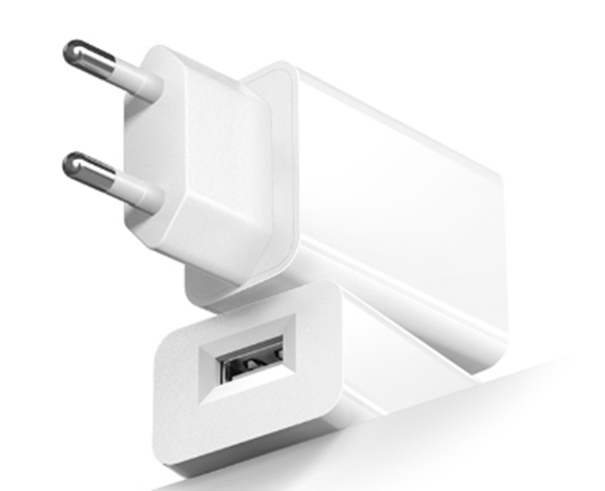
- Adaptador de corriente con enchufe de la UE
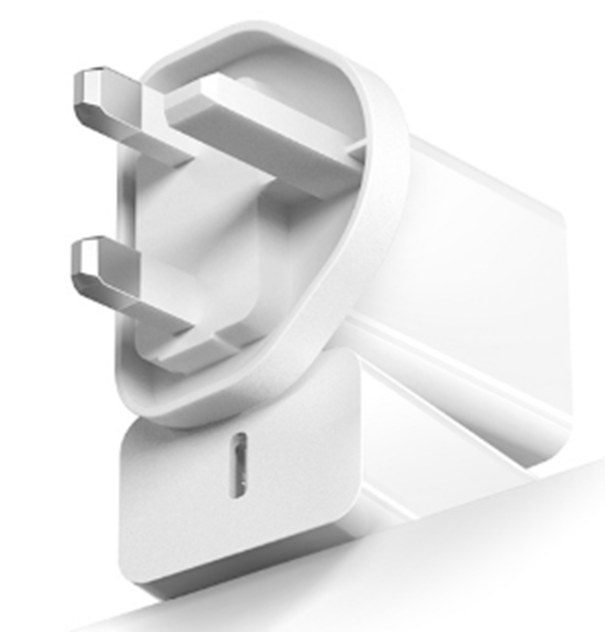
- Adaptador de corriente con enchufe del Reino Unido
Frequently Asked Questions
How Do I Know if My Light Bulb Is Compatible
Every light fixture has a specific maximum wattage. To determine if your light bulb is compatible, it is important to select a bulb with a wattage that is equal to or lower than the maximum wattage indicated on your fixture. It is crucial to avoid using a high wattage bulb in a light fixture with a lower wattage capacity.
Do I Need an A19 or E26 Light Bulb Base
Yes, the A19 and E26 light bulb bases can be used interchangeably. The only distinction between the two is their size and shape. The standard base type for A19 light bulbs is E26. A19 bulbs are designed with an E26 base and can be inserted into sockets that are compatible with Edison bulbs.
How Do I Know if My Bulb Is E27
To determine if your bulb is E27, you can check the label on the base. The code used for the bulb base will be similar to the one used for the bulb itself. For instance, an E27 base refers to an Edison screw base that has a measurement of 27mm. The measurement is taken across the bottom of the screw or bayonet base.
What Is Difference Between E26 and A19
A19 is a term used to describe the shape and size of the bulb, while E26 refers to the type and size of the base. The “A” in A19 stands for Arbitrary, which is simply the name given to the familiar bulb shape. The number “19” represents the size of the bulb, specifically 19/8″ or 2 3/8″ across. On the other hand, E26 refers to the base of the bulb, which is the part that is inserted into the light socket.
Are E27 Bulbs Being Discontinued
The lamps that will no longer be allowed to be sold after October 1st, 2021 include self-ballasted compact fluorescent retrofit lamps with caps B22, E27, and others, as well as linear halogen R7s lamps with over 2,700 lumens. Additionally, 12V halogen reflector lamps such as MR11/GU4 and MR16/GU5 will also be discontinued.
Can You Use E27 in USA
E26 lamps are specifically designed for the North American market, where the standard voltage is 120V AC. On the other hand, E27 lamps are intended for use in other markets where the standard voltage is 240V AC.







