
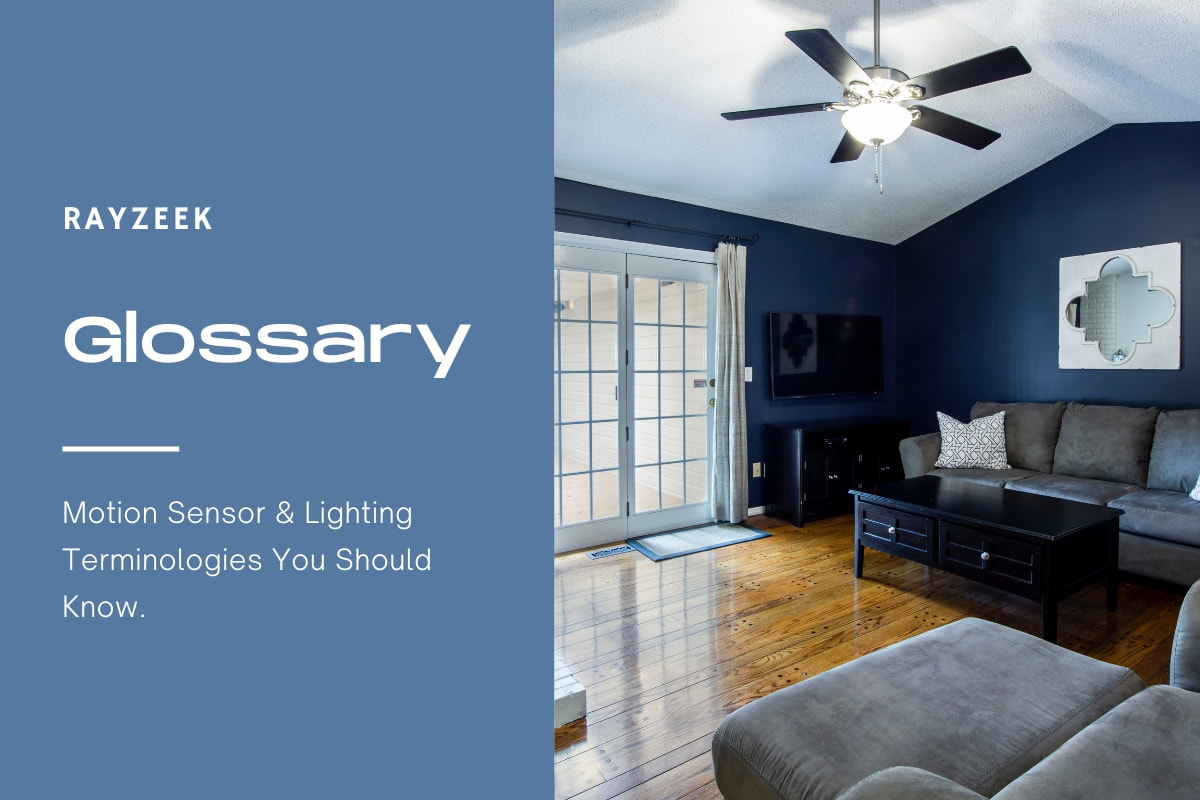
What is Smart Lighting
Smart lighting, also known as adaptive lighting, is a technology that integrates intelligence and logic into lamps or luminaires, enabling communication and interaction with the surrounding environment, occupants of a building, and other devices in an automated manner. This innovative lighting solution brings flexibility and automation to lighting infrastructure, allowing for control over various lighting features, ranging from simple on/off switching to complex adaptive lighting.
The primary objective of smart lighting is to provide an intelligent translation of the lighting needs and preferences of the environment and its occupants with minimal human intervention. It aims to maximize energy savings in commercial facilities and enhance convenience for users in private residences. Smart lighting systems can be implemented at different scales, from individual luminaires with a point-to-point connection structure to a network of interconnected luminaires forming a mesh network. These systems are designed to work across projects of all sizes and can communicate using a wide range of protocols over various communication channels.
Quizás le interese

- Sensor de presencia PIR para montaje en techo con salida de relé de contacto seco
- Alimentación de bajo voltaje de 12/24VDC o 12/24VAC
- Contactos de relé aislados COM, NO y NC para entradas de EMS, HVAC y control de edificios

- Interruptor sensor de movimiento por microondas empotrable en techo de bajo voltaje DC
- Entrada de 12 VDC / 24 VDC con rango de 10-30 VDC
- Corriente de funcionamiento máxima de 10A con retardo de tiempo, umbral de Lux y sensibilidad ajustables
- Interruptor sensor de movimiento por microondas empotrable en techo para cargas más altas
- Entrada de voltaje de línea de 100-265 VAC, modelo de 10A
- Detección por microondas de 5.8 GHz con retardo de tiempo, umbral de Lux y sensibilidad ajustables
- Interruptor sensor de movimiento por microondas empotrable en techo
- Entrada de voltaje de línea de 100-265 VAC, modelo de 5A
- Detección por microondas de 5.8 GHz con retardo de tiempo, umbral de Lux y sensibilidad ajustables
- Dimmer sensor de presencia PIR RZ037 para montaje en techo para alimentación de 220V
- Corriente de funcionamiento máxima de 3A con carga nominal de 660W
- El botón LUX controla el encendido/apagado del sensor de luz y el brillo de regulación establecido por el usuario
- Dimmer sensor de presencia PIR RZ037 para montaje en techo para alimentación de 110V
- Corriente de funcionamiento máxima de 3A con carga nominal de 330W
- El botón LUX controla el encendido/apagado del sensor de luz y el brillo de regulación establecido por el usuario

- Interruptor de sensor de movimiento por microondas de techo de CC de bajo voltaje
- Entrada de 12 VDC / 24 VDC con rango de 10-30 VDC
- Corriente de funcionamiento máxima de 10A con retardo de tiempo, umbral de Lux y sensibilidad ajustables
- Interruptor de sensor de movimiento por microondas de techo para cargas más altas
- Entrada de voltaje de línea de 100-265 VAC, modelo de 10A
- Detección por microondas de 5.8 GHz con retardo de tiempo, umbral de Lux y sensibilidad ajustables
- Interruptor de sensor de movimiento por microondas de techo
- Entrada de voltaje de línea de 100-265 VAC, modelo de 5A
- Detección por microondas de 5.8 GHz con retardo de tiempo, umbral de Lux y sensibilidad ajustables

- Interruptor de sensor de movimiento PIR de techo empotrado de CC de bajo voltaje
- Entrada de 12 VDC / 24 VDC con rango de 10-30 VDC
- Corriente de trabajo máxima de 10A con retardo de tiempo, umbral de Lux y sensibilidad ajustables

- Interruptor de sensor de movimiento PIR de techo empotrado para cargas más altas
- Entrada de voltaje de línea de 100-265 VAC, modelo de 10A
- Detección de 360 grados con retardo de tiempo, umbral de Lux y sensibilidad ajustables
- Interruptor de sensor de movimiento PIR de techo empotrado
- Entrada de voltaje de línea de 100-265 VAC, modelo de 5A
- Detección de 360 grados con retardo de tiempo, umbral de Lux y sensibilidad ajustables

- Kit de receptor e interruptor inalámbrico para control de iluminación de encendido/apagado en interiores
- Receptor de 100-230VAC, 50/60Hz con corriente nominal de 5A
- Interruptor inalámbrico alimentado por CR2032 con comunicación de 2.4GHz
- Presencia (Encendido automático/Apagado automático)
- 12–24V DC (10–30VDC), hasta 10A
- Cobertura de 360°, 8–12 m de diámetro
- Retardo de tiempo de 15 s–30 min
- Sensor de luz Apagado/15/25/35 Lux
- Sensibilidad Alta/Baja
- Modo de presencia de encendido automático/apagado automático
- 100–265V AC, 10A (requiere neutro)
- Cobertura de 360°; diámetro de detección de 8–12 m
- Retardo de tiempo de 15 s–30 min; Lux APAGADO/15/25/35; Sensibilidad Alta/Baja
- Modo de presencia de encendido automático/apagado automático
- 100–265V CA, 5A (se requiere neutro)
- Cobertura de 360°; diámetro de detección de 8–12 m
- Retardo de tiempo de 15 s–30 min; Lux APAGADO/15/25/35; Sensibilidad Alta/Baja
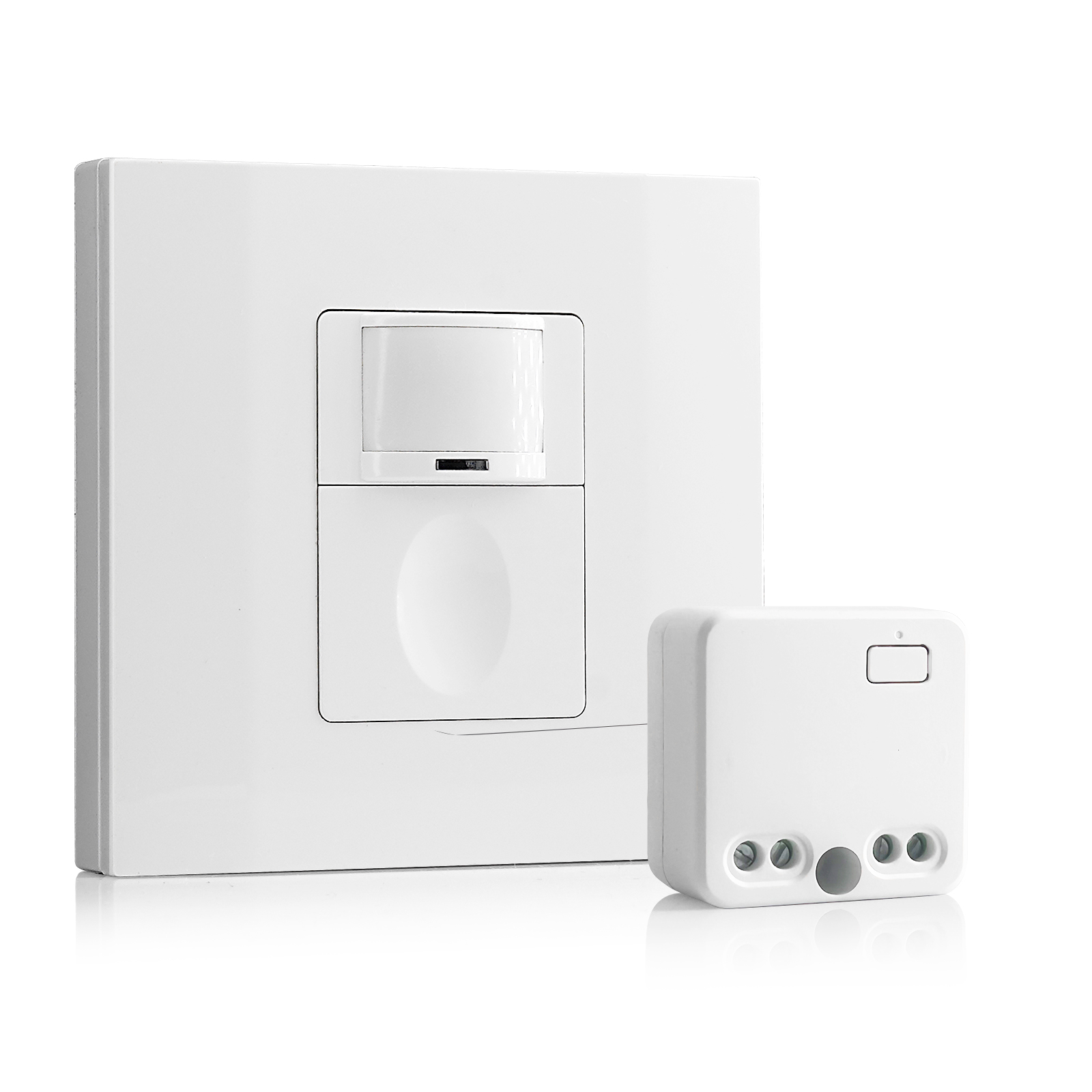
- 100V-230V CA
- Distancia de transmisión: hasta 20 m
- Sensor de movimiento inalámbrico
- Control cableado
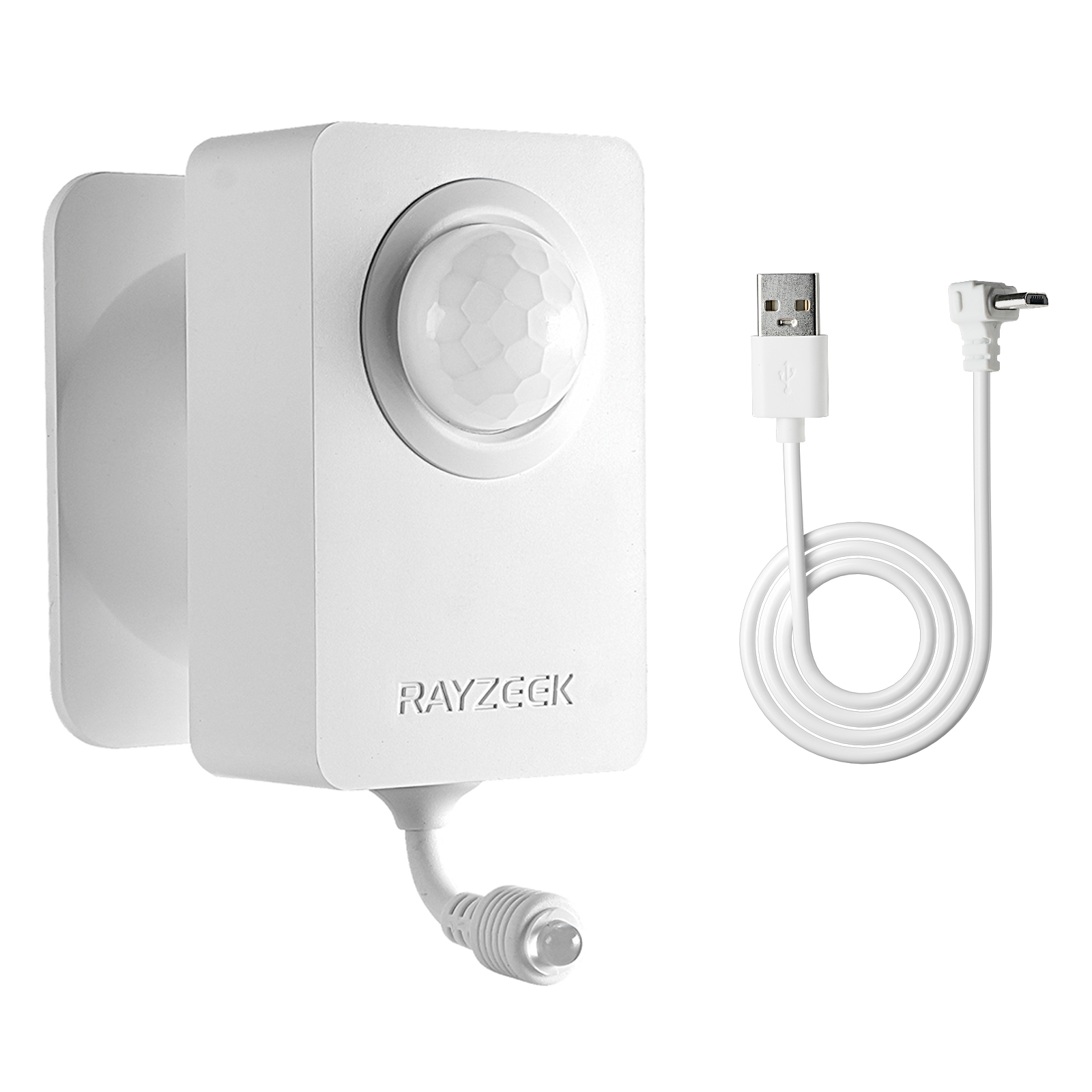
- Voltaje: 2 baterías AAA / 5V CC (Micro USB)
- Modo día/noche
- Tiempo de retardo: 15 min, 30 min, 1 h (por defecto), 2 h
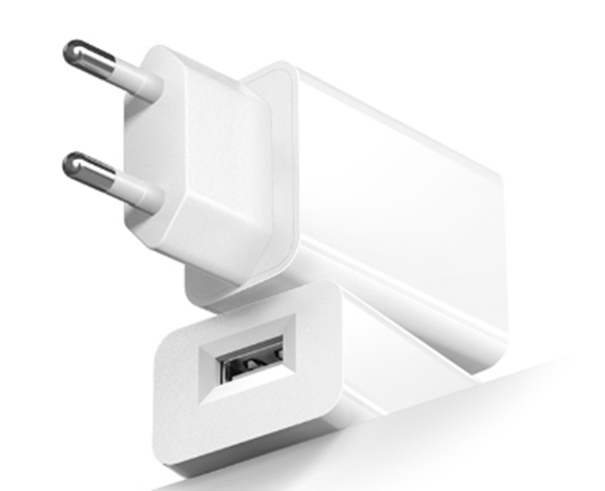
- Adaptador de corriente con enchufe de la UE
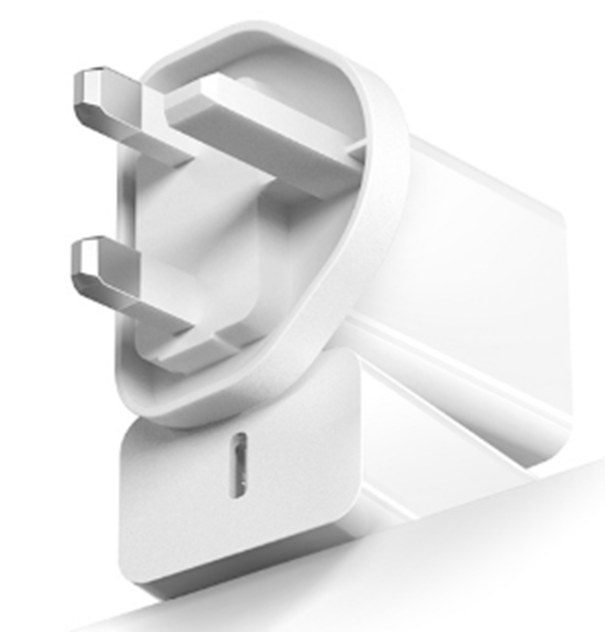
- Adaptador de corriente con enchufe del Reino Unido
By incorporating intelligence and connectivity into lighting systems, smart lighting enables a range of advanced functionalities. These functionalities include energy efficiency, personalization, automation, integration with other systems, data collection and analysis, remote control and monitoring, and maintenance and fault detection.
Inspírese con los catálogos de sensores de movimiento de Rayzeek.
¿No encuentra lo que busca? No se preocupe. Siempre hay formas alternativas de resolver sus problemas. Quizás uno de nuestros catálogos pueda ayudarle.
Frequently Asked Questions
What Is the Difference Between Smart Light and Normal Light
They differ in terms of energy efficiency and lifespan. LED Smart Lights are designed to produce more brightness while consuming less energy compared to regular lights. Additionally, they have a longer lifespan. LED Smart Lights also feature an advanced control system that enables convenient operation through a mobile app or voice commands.
What Are the Benefits of Smart Lighting
Smart lighting offers the advantage of incorporating motion sensors in any room equipped with either a smart light switch or smart light bulb. By programming the bulbs to turn off when a room is unoccupied and only activate when motion is detected, energy conservation is further enhanced, especially when utilizing LED bulbs.
Do Smart Lights Increase Your Electric Bill
Smart lights are more energy-efficient compared to CFL light bulbs and incandescent bulbs. They consume less electricity and produce less heat while maintaining the same level of light quality. Therefore, using smart lights will not increase your electric bill.
Is Smart Lighting Expensive
Ordinary LED bulbs from well-known brands such as GE and Philips typically range in price from $1 to $3. However, when it comes to smart bulbs from these same brands, you’ll notice that their prices begin at $8 per bulb and can reach up to $15. But what is the reason behind the higher cost of smart light bulbs? Let’s delve into why smart lighting tends to be more expensive.
Do Smart Lights Require Wi-Fi
Smart lights do not require Wi-Fi to function. They operate similarly to regular LED lighting and still possess energy-saving features. Additionally, many smart lights are equipped with Bluetooth connectivity, allowing you to control them using your mobile phone, even if the Wi-Fi is unavailable.
Do Smart Lights Have Memory
The power-off memory function allows a smart light to retain information about its light status, color, and color temperature even after it has been turned off.







