

What is High Pressure Sodium (HPS)
HPS, which stands for High Pressure Sodium, is a type of grow light widely used in indoor gardening and horticulture. These lights are specifically designed to stimulate plant growth by emitting a specific portion of the electromagnetic spectrum that is ideal for photosynthesis. HPS lights mimic natural sunlight, providing plants with the necessary light spectrum for healthy development.
¿Busca soluciones de ahorro de energía activadas por movimiento?
Contáctenos para obtener sensores de movimiento PIR completos, productos de ahorro de energía activados por movimiento, interruptores con sensor de movimiento y soluciones comerciales de presencia/ausencia.
HPS lights are part of the high intensity discharge (HID) category of grow lights, known for their high light output and efficiency. They are particularly popular among growers due to their affordability and effectiveness in promoting plant growth. HPS systems require additional equipment, including a ballast, reflector, and a specific light bulb.
The ballast is responsible for converting the electrical current from the home outlet to a voltage suitable for the HPS light bulb. There are two types of ballasts: magnetic and digital, with digital ballasts being more common and efficient. The reflector, typically made of polished aluminum, maximizes light reflection and focuses the maximum amount of light energy on the plants. The reflector may include a socket that plugs into the ballast or be combined with the ballast to minimize wire connections and reduce magnetic interference.
Quizás le interese

- Sensor de presencia PIR para montaje en techo con salida de relé de contacto seco
- Alimentación de bajo voltaje de 12/24VDC o 12/24VAC
- Contactos de relé aislados COM, NO y NC para entradas de EMS, HVAC y control de edificios

- Interruptor sensor de movimiento por microondas empotrable en techo de bajo voltaje DC
- Entrada de 12 VDC / 24 VDC con rango de 10-30 VDC
- Corriente de funcionamiento máxima de 10A con retardo de tiempo, umbral de Lux y sensibilidad ajustables
- Interruptor sensor de movimiento por microondas empotrable en techo para cargas más altas
- Entrada de voltaje de línea de 100-265 VAC, modelo de 10A
- Detección por microondas de 5.8 GHz con retardo de tiempo, umbral de Lux y sensibilidad ajustables
- Interruptor sensor de movimiento por microondas empotrable en techo
- Entrada de voltaje de línea de 100-265 VAC, modelo de 5A
- Detección por microondas de 5.8 GHz con retardo de tiempo, umbral de Lux y sensibilidad ajustables
- Dimmer sensor de presencia PIR RZ037 para montaje en techo para alimentación de 220V
- Corriente de funcionamiento máxima de 3A con carga nominal de 660W
- El botón LUX controla el encendido/apagado del sensor de luz y el brillo de regulación establecido por el usuario
- Dimmer sensor de presencia PIR RZ037 para montaje en techo para alimentación de 110V
- Corriente de funcionamiento máxima de 3A con carga nominal de 330W
- El botón LUX controla el encendido/apagado del sensor de luz y el brillo de regulación establecido por el usuario

- Interruptor de sensor de movimiento por microondas de techo de CC de bajo voltaje
- Entrada de 12 VDC / 24 VDC con rango de 10-30 VDC
- Corriente de funcionamiento máxima de 10A con retardo de tiempo, umbral de Lux y sensibilidad ajustables
- Interruptor de sensor de movimiento por microondas de techo para cargas más altas
- Entrada de voltaje de línea de 100-265 VAC, modelo de 10A
- Detección por microondas de 5.8 GHz con retardo de tiempo, umbral de Lux y sensibilidad ajustables
- Interruptor de sensor de movimiento por microondas de techo
- Entrada de voltaje de línea de 100-265 VAC, modelo de 5A
- Detección por microondas de 5.8 GHz con retardo de tiempo, umbral de Lux y sensibilidad ajustables

- Interruptor de sensor de movimiento PIR de techo empotrado de CC de bajo voltaje
- Entrada de 12 VDC / 24 VDC con rango de 10-30 VDC
- Corriente de trabajo máxima de 10A con retardo de tiempo, umbral de Lux y sensibilidad ajustables

- Interruptor de sensor de movimiento PIR de techo empotrado para cargas más altas
- Entrada de voltaje de línea de 100-265 VAC, modelo de 10A
- Detección de 360 grados con retardo de tiempo, umbral de Lux y sensibilidad ajustables
- Interruptor de sensor de movimiento PIR de techo empotrado
- Entrada de voltaje de línea de 100-265 VAC, modelo de 5A
- Detección de 360 grados con retardo de tiempo, umbral de Lux y sensibilidad ajustables

- Kit de receptor e interruptor inalámbrico para control de iluminación de encendido/apagado en interiores
- Receptor de 100-230VAC, 50/60Hz con corriente nominal de 5A
- Interruptor inalámbrico alimentado por CR2032 con comunicación de 2.4GHz
- Presencia (Encendido automático/Apagado automático)
- 12–24V DC (10–30VDC), hasta 10A
- Cobertura de 360°, 8–12 m de diámetro
- Retardo de tiempo de 15 s–30 min
- Sensor de luz Apagado/15/25/35 Lux
- Sensibilidad Alta/Baja
- Modo de presencia de encendido automático/apagado automático
- 100–265V AC, 10A (requiere neutro)
- Cobertura de 360°; diámetro de detección de 8–12 m
- Retardo de tiempo de 15 s–30 min; Lux APAGADO/15/25/35; Sensibilidad Alta/Baja
- Modo de presencia de encendido automático/apagado automático
- 100–265V CA, 5A (se requiere neutro)
- Cobertura de 360°; diámetro de detección de 8–12 m
- Retardo de tiempo de 15 s–30 min; Lux APAGADO/15/25/35; Sensibilidad Alta/Baja
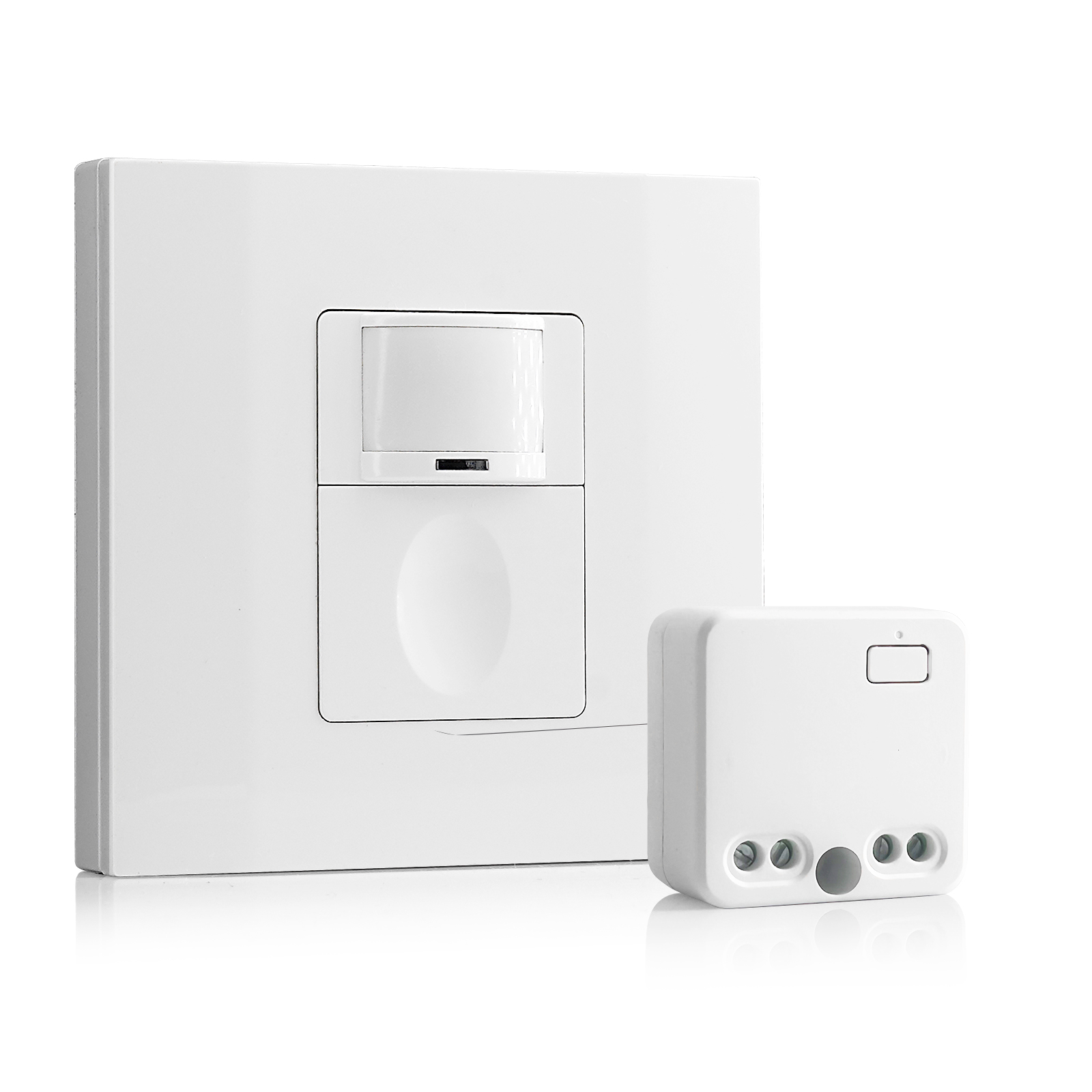
- 100V-230V CA
- Distancia de transmisión: hasta 20 m
- Sensor de movimiento inalámbrico
- Control cableado
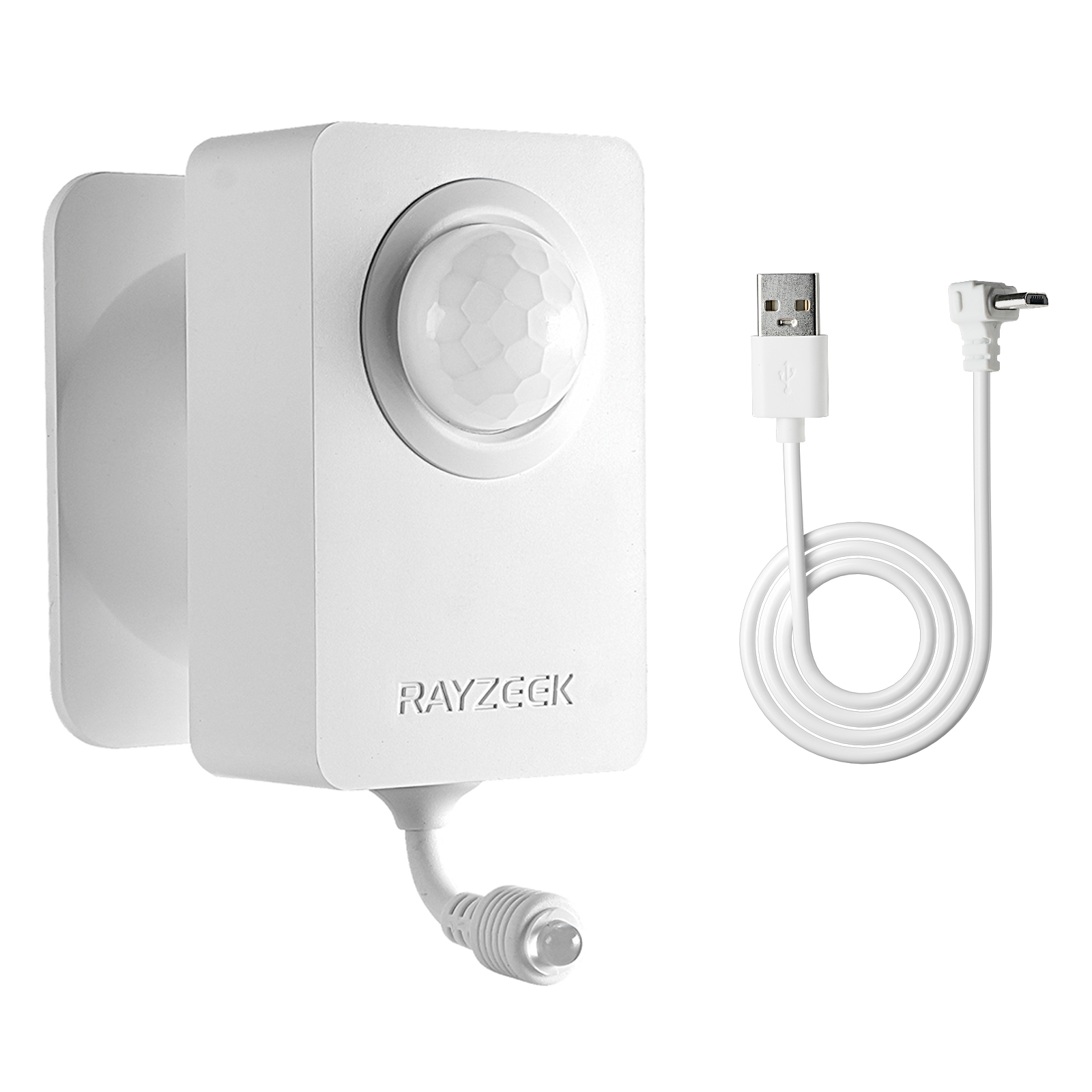
- Voltaje: 2 baterías AAA / 5V CC (Micro USB)
- Modo día/noche
- Tiempo de retardo: 15 min, 30 min, 1 h (por defecto), 2 h
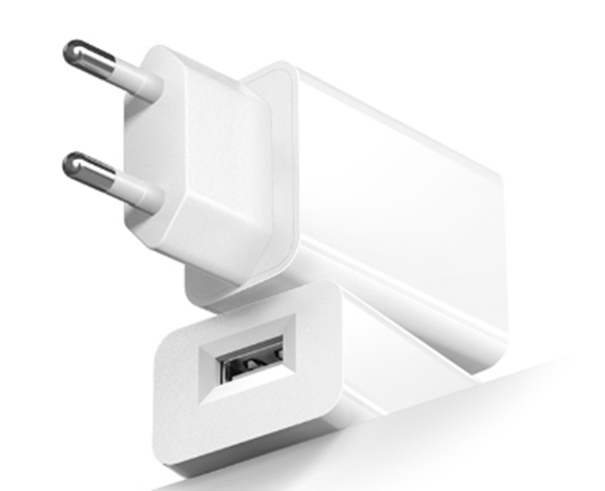
- Adaptador de corriente con enchufe de la UE
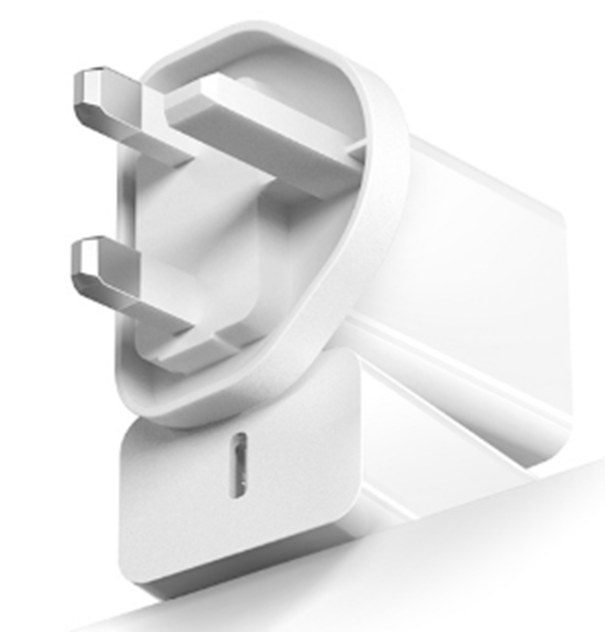
- Adaptador de corriente con enchufe del Reino Unido
The HPS light bulb consists of an external glass shell and an internal glass tube containing sodium gas. When an electric current passes through the pressurized tube, the sodium gas vaporizes and emits a reddish light, which is beneficial for plant growth. It is important to handle the light bulb with gloves and avoid touching it with bare hands, as the oils on the skin can degrade and crack the bulb over time.
Frequently Asked Questions
Are High Pressure Sodium Lights Being Phased Out
A variety of popular lighting types, including certain ‘standard’ high-pressure sodium lights (including retrofit), high-pressure mercury lights, and standard performance metal halide lights, will need to be phased out by 2017.
Which Bulb Is Better High Pressure Sodium or Metal Halide
MH lamps are preferred for plants that have limited access to natural light because they offer a more natural color appearance. On the other hand, HPS lamps are ideal for plants that are in the fruiting and flowering stage as they provide a yellow/red spectrum.
How Much LED Will a 400 Watt HPS Convert To
As a point of interest, a 400-watt HPS luminaire typically produces approximately 50,000 lumens. To estimate the LED lumen output, it is generally recommended to halve the HPS lumen output. Therefore, in this scenario, the LED lumen output would be approximately 25,000 lumens.
What Is the Disadvantage of Metal Halide Lighting
One major drawback of metal halide lighting is its tendency to generate excessive heat. This can pose a challenge in environments that are already hot, like greenhouses or during the summer season. Furthermore, the intense brightness of metal halide lights can lead to issues such as glare and the formation of shadows.
What LED Is Equivalent to 600 Watt HPS
For instance, the Platinum P450 274W LED grow light from the United States is a suitable alternative to a 600 watt HPS. This LED grow light provides 11 different bands of light, spanning from ultraviolet to infrared.
How Much Does 1000w HPS Cost Run Per Month
You can calculate the monthly cost of running a 1000w HPS by dividing the wattage by 1,000 (1,000 kilowatts in 1 watt). Assuming we run the 1000 watt grow light for 18 hours a day and use the kWh rate mentioned earlier, the formula would be: 1 x $0.1559 x 18 x 30 = $84.186/month.







