
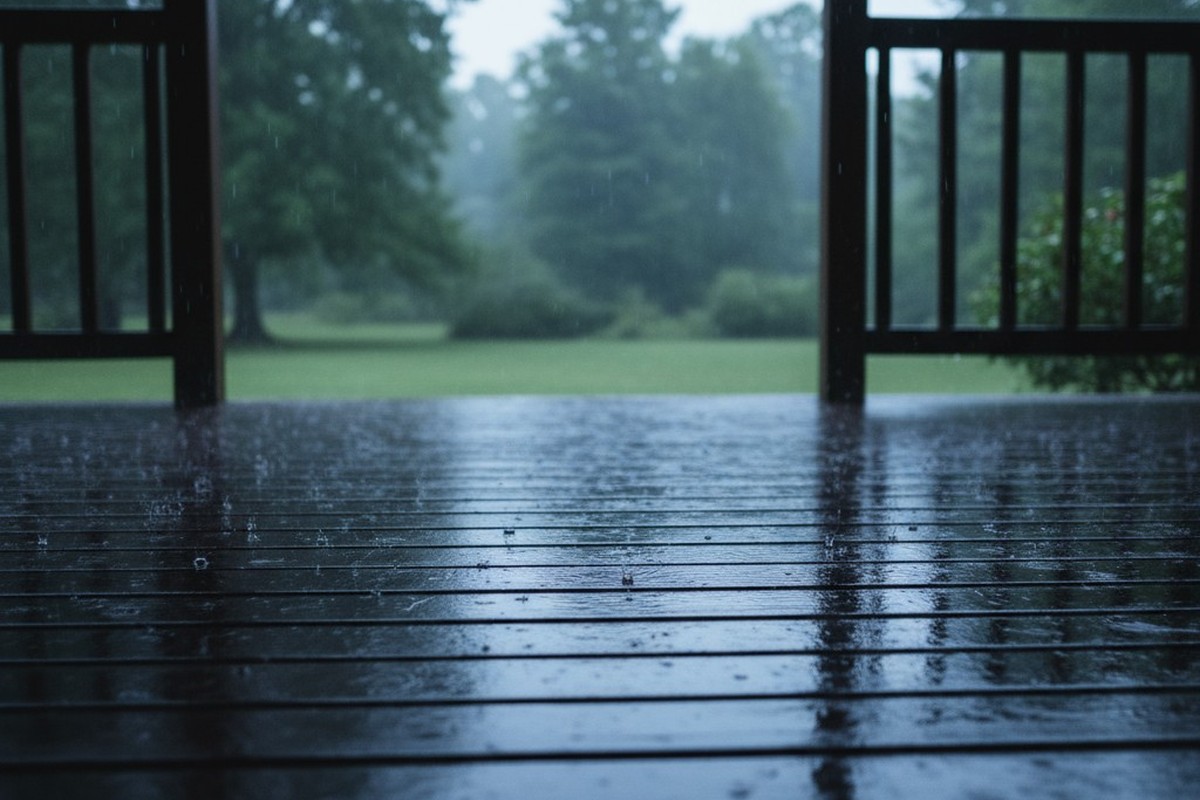
The appeal of motion sensor automation extends naturally to the outdoors. We want the same convenience and energy savings on a covered porch, in a garage, or under a carport as we do in our living rooms. It’s tempting to grab any sensor labeled for “outdoor use,” mount it with optimism, and expect it to work indefinitely.
But that optimism often leads to a predictable pattern of failure. The sensor works flawlessly for weeks or months, then develops a frustratingly erratic personality. False triggers multiply. Detection zones shrink. Eventually, the device dies. The failure is rarely a sudden event, but a gradual degradation driven by an environment that was harsher than the sensor could truly tolerate. The marketing language of “outdoor-rated” or “weather-resistant” obscures a complex reality: not all outdoor spaces are equal, and not every sensor is engineered for every kind of exposure.
This guide establishes clear boundaries for deploying Rayzeek sensors. We’ll define what “covered” really means, explain how moisture and temperature extremes destroy electronics, and map specific sensor models to the environments where they will perform reliably for years to come.
The Boundaries That Matter: Covered, Exposed, and Everything In-Between
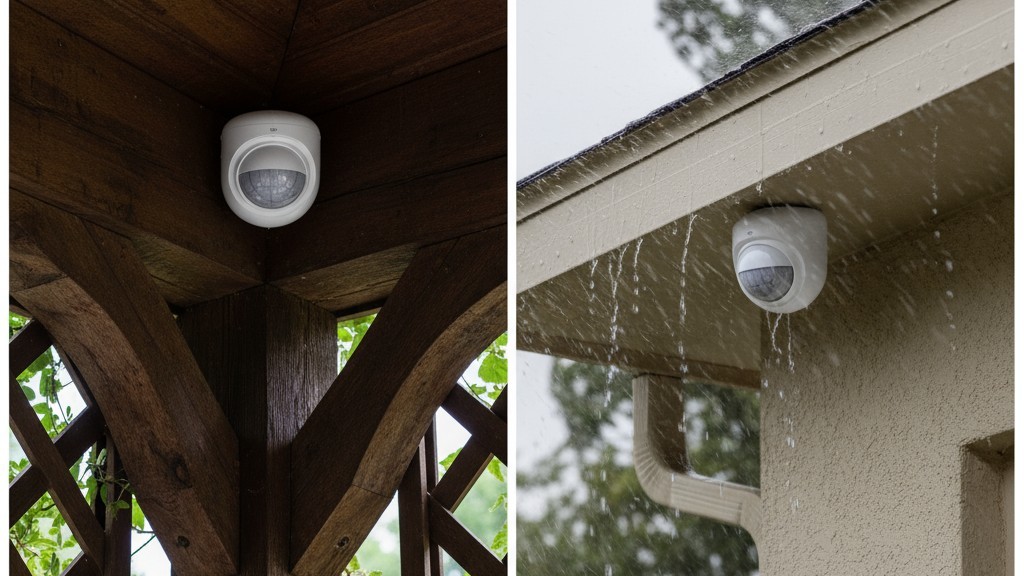
The line between a “covered” and an “exposed” location isn’t just about having a roof. A sensor mounted under a shallow overhang, facing prevailing winds that drive rain sideways, is in a fundamentally different world than one tucked into a fully enclosed three-season porch. A truly useful definition of “covered” must account for actual protection from water, sustained humidity, and condensation.
A truly covered location shields the sensor from direct rainfall and wind-driven moisture. The roof structure extends far enough that rain can’t reach the device, even in angled storms. Walls or partial enclosures on multiple sides bolster this protection. Airflow is moderate, allowing ambient moisture to dissipate rather than settle on surfaces. Think of a traditional front porch with a deep overhang, a breezeway with solid walls on two sides, or an entryway recessed deep into the building.
Αντλήστε έμπνευση από τα χαρτοφυλάκια αισθητήρων κίνησης της Rayzeek.
Δεν βρίσκετε αυτό που ψάχνετε; Μην ανησυχείτε. Υπάρχουν πάντα εναλλακτικοί τρόποι για την επίλυση των ζητημάτων σας. Ίσως κάποιο από τα χαρτοφυλάκια προϊόντων μας να μπορεί να βοηθήσει.
An exposed location offers little to no protection. Rain, snow, and wind hit the sensor directly. Humidity and temperature swing wildly with the weather. A sensor mounted on an open exterior wall, attached to a fence post, or placed under a minimal rain gutter falls squarely in this category. These spots demand a level of environmental sealing and component toughness that most standard motion sensors simply do not have.
Many spots, however, fall into a gray zone. A carport with a roof but open sides stops overhead rain but lets in wind-driven storms and humidity. A covered patio with a retractable screen offers protection that changes with the weather. A garage with its door left open for ventilation is a semi-exposed space. For these borderline environments, the critical question is not if there is a roof, but whether the combination of coverage, enclosures, and local weather will keep the sensor dry and within its operational temperature range, year-round. If a location allows even occasional water exposure during a heavy storm, it must be treated as an exposed location for durability’s sake.
This brings us to the nature of dampness itself, which requires its own clarification. High ambient humidity—the persistent moisture in a basement or on a coastal porch in August—is a different threat than direct water contact. A sensor rated to tolerate humidity may still fail if it gets splashed by rain or covered in condensation. The distinction matters because it dictates which failure mode is most likely and which protective rating is truly necessary.
Why Moisture and Temperature Extremes Destroy Motion Sensors
Environmental limits aren’t arbitrary rules. They are the direct result of how electronic components respond to physical stress. Understanding why sensors fail is the key to placing them correctly and spotting the early warning signs of damage.
The Physics of Moisture Intrusion
Water is the primary enemy. It attacks electronics through two main pathways. The most obvious is direct intrusion, where liquid water gets inside the device housing through tiny gaps around seams, cable entry points, or adjustment covers. Pure water is a poor conductor of electricity, but the contaminants it carries—dissolved minerals, salt, and dirt—create conductive bridges across circuit boards. These unintended connections cause short circuits, erratic behavior, and immediate failure.
The second pathway is corrosion, a more insidious threat. Water, oxygen, and contaminants initiate an electrochemical reaction on metal surfaces. Solder joints, connector pins, and component leads begin to oxidize. This rust and corrosion increases electrical resistance, slowly choking off the flow of signals. A connection that once worked perfectly becomes intermittent. The sensor may seem fine when first powered on, but as it warms up, the corroded joints expand and fail. This pattern of intermittent, creeping failure is a hallmark of moisture damage.
Condensation and Humidity: The Silent Threats
A sensor doesn’t need to be rained on to get wet. Condensation, a more subtle process, is just as destructive. When a sensor cools below the dew point of the surrounding air, moisture condenses directly onto its surfaces, both inside and out. This happens constantly in unheated spaces like a covered porch; the sensor cools overnight, and as the morning sun warms the air, condensation forms on the still-cold device.
Each condensation cycle deposits a thin film of water on internal components. As the water evaporates, it leaves behind any contaminants it carried, gradually building up conductive or corrosive residues. High humidity alone, even without condensation, accelerates the chemical breakdown of materials. Circuit boards can absorb moisture and warp, stressing solder joints. Adhesives weaken. Plastic housings turn brittle.
Temperature Extremes and Component Stress
Temperature extremes attack sensors in two ways: by directly stressing components and by amplifying the effects of moisture. The electrical properties of electronic components change with temperature. The pyroelectric materials inside passive infrared (PIR) sensors, which detect motion by sensing body heat, become less sensitive at very high or very low temperatures. A sensor pushed outside its rated temperature range will suffer from a reduced detection distance, more false triggers, or a complete loss of sensitivity.
Mechanical stress also builds from thermal cycling: the repeated expansion and contraction as temperatures swing between daily highs and lows. This constant movement creates microscopic cracks in solder joints and loosens connections. Because different materials expand at different rates, the components on a circuit board are constantly being pulled and pushed apart. A sensor exposed to a 50-degree temperature swing every day accumulates this damage with alarming speed. Extreme temperatures also make moisture problems worse—cold increases condensation, while heat accelerates corrosion.
Decoding Protection Levels: IP Ratings and What They Mean
The Ingress Protection (IP) rating system is a standardized code that describes how well an enclosure protects against solids and liquids. The rating consists of “IP” followed by two digits. The first digit rates protection against solids (like dust), and the second rates protection against water. For placing motion sensors, that second digit is everything.
Higher numbers mean better protection. An IPX0 rating means zero protection from water. IPX4 means it’s safe from water splashes from any direction. IPX7 allows for temporary immersion. Each level represents a specific, tested threshold of water resistance.
Ίσως σας ενδιαφέρει επίσης

- Τάση: 2 Μπαταρίες AAA
- Λειτουργία Ημέρας/Νύχτας
- Καθυστέρηση χρόνου: 15min, 30min, 1h(προεπιλογή), 2h

- Ανιχνευτής πληρότητας PIR οροφής με έξοδο ξηρής επαφής ρελέ
- Τροφοδοσία χαμηλής τάσης 12/24VDC ή 12/24VAC
- Απομονωμένες επαφές ρελέ COM, NO και NC για εισόδους συστημάτων EMS, HVAC και ελέγχου κτιρίων

- Χωνευτός διακόπτης ανιχνευτή κίνησης μικροκυμάτων οροφής χαμηλής τάσης DC
- Είσοδος 12 VDC / 24 VDC με εύρος 10-30 VDC
- Μέγιστο ρεύμα λειτουργίας 10A με ρυθμιζόμενη καθυστέρηση χρόνου, ουδός Lux και ευαισθησία
- Χωνευτός διακόπτης ανιχνευτή κίνησης μικροκυμάτων οροφής για υψηλότερα φορτία
- Είσοδος τάσης δικτύου 100-265 VAC, μοντέλο 10A
- Ανίχνευση μικροκυμάτων 5.8 GHz με ρυθμιζόμενη καθυστέρηση χρόνου, κατώφλι Lux και ευαισθησία
- Χωνευτός διακόπτης αισθητήρα κίνησης μικροκυμάτων τοποθέτησης σε οροφή
- Είσοδος τάσης γραμμής 100-265 VAC, μοντέλο 5A
- Ανίχνευση μικροκυμάτων 5.8 GHz με ρυθμιζόμενη καθυστέρηση χρόνου, κατώφλι Lux και ευαισθησία
- Ροοστάτης αισθητήρα πληρότητας PIR οροφής RZ037 για τροφοδοσία 220V
- Μέγιστο ρεύμα λειτουργίας 3A με ονομαστικό φορτίο 660W
- Το κουμπί LUX ελέγχει την ενεργοποίηση/απενεργοποίηση (ON/OFF) του αισθητήρα φωτός και τη φωτεινότητα ρύθμισης έντασης που ορίζει ο χρήστης
- Ροοστάτης αισθητήρα πληρότητας PIR οροφής RZ037 για τροφοδοσία 110V
- Μέγιστο ρεύμα λειτουργίας 3A με ονομαστικό φορτίο 330W
- Το κουμπί LUX ελέγχει την ενεργοποίηση/απενεργοποίηση (ON/OFF) του αισθητήρα φωτός και τη φωτεινότητα ρύθμισης έντασης που ορίζει ο χρήστης

- Διακόπτης αισθητήρα κίνησης μικροκυμάτων τοποθέτησης οροφής χαμηλής τάσης DC
- Είσοδος 12 VDC / 24 VDC με εύρος 10-30 VDC
- Μέγιστο ρεύμα λειτουργίας 10A με ρυθμιζόμενη καθυστέρηση χρόνου, ουδός Lux και ευαισθησία
- Διακόπτης αισθητήρα κίνησης μικροκυμάτων οροφής για υψηλότερα φορτία
- Είσοδος τάσης δικτύου 100-265 VAC, μοντέλο 10A
- Ανίχνευση μικροκυμάτων 5.8 GHz με ρυθμιζόμενη καθυστέρηση χρόνου, κατώφλι Lux και ευαισθησία
- Διακόπτης αισθητήρα κίνησης μικροκυμάτων τοποθέτησης σε οροφή
- Είσοδος τάσης γραμμής 100-265 VAC, μοντέλο 5A
- Ανίχνευση μικροκυμάτων 5.8 GHz με ρυθμιζόμενη καθυστέρηση χρόνου, κατώφλι Lux και ευαισθησία

- Διακόπτης αισθητήρα κίνησης PIR χωνευτής τοποθέτησης οροφής χαμηλής τάσης DC
- Είσοδος 12 VDC / 24 VDC με εύρος 10-30 VDC
- Μέγιστο ρεύμα λειτουργίας 10A με ρυθμιζόμενη καθυστέρηση χρόνου, κατώφλι Lux και ευαισθησία

- Διακόπτης αισθητήρα κίνησης PIR χωνευτής τοποθέτησης οροφής για υψηλότερο φορτίο
- Είσοδος τάσης δικτύου 100-265 VAC, μοντέλο 10A
- Ανίχνευση 360 μοιρών με ρυθμιζόμενη καθυστέρηση χρόνου, κατώφλι Lux και ευαισθησία
- Διακόπτης αισθητήρα κίνησης PIR χωνευτής τοποθέτησης οροφής
- Είσοδος τάσης γραμμής 100-265 VAC, μοντέλο 5A
- Ανίχνευση 360 μοιρών με ρυθμιζόμενη καθυστέρηση χρόνου, κατώφλι Lux και ευαισθησία

- Κιτ ασύρματου διακόπτη και δέκτη για έλεγχο φωτισμού ON/OFF εσωτερικού χώρου
- Δέκτης 100-230VAC, 50/60Hz με ονομαστικό ρεύμα 5A
- Ασύρματος διακόπτης τροφοδοτούμενος από μπαταρία CR2032 με επικοινωνία 2.4GHz
- Πληρότητα (Auto-ON/Auto-OFF)
- 12–24V DC (10–30VDC), έως 10A
- Κάλυψη 360°, διάμετρος 8–12 m
- Καθυστέρηση χρόνου 15 s–30 min
- Αισθητήρας φωτός Off/15/25/35 Lux
- Υψηλή/Χαμηλή ευαισθησία
- Function Auto-ON/Auto-OFF (Αυτόματη Ενεργοποίηση/Απενεργοποίηση) λειτουργία παρουσίας
- 100–265V AC, 10A (απαιτείται ουδέτερος)
- Κάλυψη 360°, διάμετρος ανίχνευσης 8–12 m
- Χρονοκαθυστέρηση 15 s–30 min, Lux OFF/15/25/35, Ευαισθησία Υψηλή/Χαμηλή
- Function Auto-ON/Auto-OFF (Αυτόματη Ενεργοποίηση/Απενεργοποίηση) λειτουργία παρουσίας
- 100–265V AC, 5A (απαιτείται ουδέτερος)
- Κάλυψη 360°, διάμετρος ανίχνευσης 8–12 m
- Χρονοκαθυστέρηση 15 s–30 min, Lux OFF/15/25/35, Ευαισθησία Υψηλή/Χαμηλή
IP20 (Indoor Only): This is the standard for indoor sensors. The device is protected from fingers and large objects but has no water protection at all. These sensors belong exclusively in climate-controlled spaces and will fail quickly if exposed to moisture or condensation.
IP44 (Covered Outdoor / Splash-Resistant): This sensor can tolerate water splashes from any direction, like angled rain or spray from a distant hose. This is the minimum rating for covered outdoor locations like a deep porch, a well-protected breezeway, or a garage. An IP44 sensor is not designed for direct, driving rain.
IP65 (Weather-Resistant / Watertight): This rating signifies protection against dust and low-pressure water jets from any direction. A sensor with this rating can handle direct rain and being cleaned with a hose. It’s suitable for fully exposed locations on exterior walls or eaves. Even so, an IP65 rating isn’t a license for abuse; it does not protect against submersion, ice formation, or continuous salt spray.
In practice, you must match the IP rating to the worst-case exposure the sensor will face, not the average. A covered porch that is dry 95% of the time but gets soaked during severe storms requires at least an IP44 rating, and IP65 is the safer bet. That one rare event is what determines the level of protection you need.
Matching Rayzeek Models to Environments
Choosing the right Rayzeek sensor is a simple matter of mapping the device’s capabilities to the demands of the installation site. To ensure reliable, long-term operation, the sensor’s IP rating and temperature tolerance must meet or exceed the location’s challenges.
Indoor-Only Models (IP20/IP40)
Rayzeek’s indoor sensors are built for stable, climate-controlled environments with temperatures between 50-100°F and humidity below 80%. They are perfect for living rooms, hallways, and offices. Their housings are not sealed against moisture. Installing one in an unheated garage, a damp basement, or even a humid mudroom is a recipe for failure. These environments demand a sensor with a proper environmental rating.
Covered Outdoor Models (IP44)
Models rated IP44 are designed for the specific challenges of covered outdoor spaces. They can handle the elevated humidity, temperature swings, and occasional splash typical of a well-protected porch. Their housings are sealed against splashes, and their internal components are coated to resist minor corrosion. The ideal location is a traditional porch with a deep overhang or a three-season room. The key is reliable coverage. If high winds can drive rain onto the sensor even occasionally, it’s facing conditions that exceed its rating and will eventually fail.
Weather-Resistant Models (IP65+)
Sensors rated IP65 or higher are built for full exposure. The enclosure is sealed against dust and rain, making them the right choice for exterior walls, fence posts, or any location with no overhead protection. But “weather-resistant” is not “invincible.” An IP65 sensor can’t handle being submerged in a puddle, encased in ice, or blasted by salt spray day after day without consequence. In harsh coastal or freezing climates, even these robust sensors require careful placement and periodic inspection.
Protective Measures for Borderline Locations
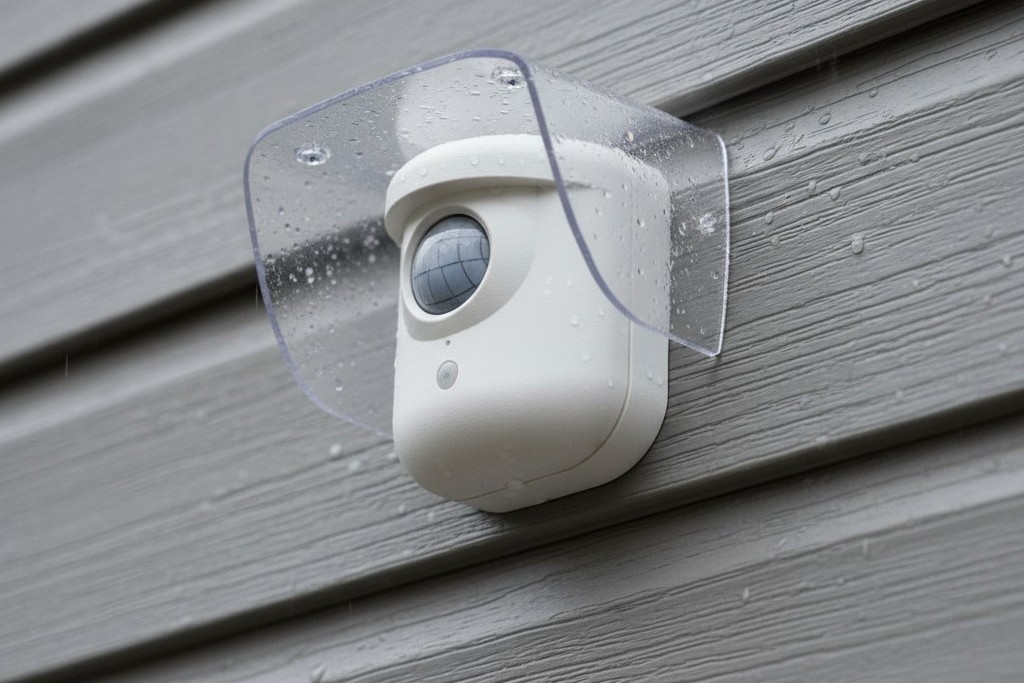
Sometimes, you have to install a sensor in a less-than-ideal spot. In these borderline cases, a few protective measures can significantly extend its life.
Positioning: Mount the sensor as far from open edges as possible to shield it from wind-driven rain. If possible, place it on a wall that faces away from prevailing winds. A slight downward tilt will also prevent water from pooling on the housing.
Supplemental Shielding: A small, purpose-built hood or awning mounted above the sensor can provide extra protection from rain without blocking its view. Just ensure the shield doesn’t trap moisture or block airflow, which could create a new condensation problem.
Maintenance: Periodically check sensors in harsh environments for any signs of water intrusion or corrosion. Wiping away dirt and cobwebs prevents buildup that can trap moisture against the housing.
These measures can help, but they don’t eliminate the underlying risk. A sensor pushed to the limits of its environmental rating will always have a shorter service life than one installed comfortably within its tolerances. This is a compromise, not a perfect solution.
Recognizing and Avoiding Failure
Environmental damage isn’t random; it follows predictable patterns. Knowing what to look for can help you diagnose a problem and make better choices next time.
The most common failure mode is gradual degradation. The sensor works fine at first, then becomes unreliable. Its detection range shrinks. It misses obvious motion or triggers for no reason. This slow decline is a classic sign of internal corrosion. The sensor is dying, and it will not recover. Replacement with a more suitable model is the only fix.
Αναζητάτε λύσεις εξοικονόμησης ενέργειας με ενεργοποίηση μέσω κίνησης;
Επικοινωνήστε μαζί μας για ολοκληρωμένους αισθητήρες κίνησης PIR, προϊόντα εξοικονόμησης ενέργειας με ενεργοποίηση μέσω κίνησης, διακόπτες αισθητήρων κίνησης και επαγγελματικές λύσεις Occupancy/Vacancy.
Less common is sudden failure, which happens when water intrusion causes an immediate short circuit or an extreme temperature swing kills a component. The sensor simply stops working.
If you realize a sensor is already installed in a location that’s too harsh for it, your best bet is to move it. If that’s not possible, add supplemental shielding. But if the device is already showing signs of degradation, these measures won’t reverse the damage. Replace the failing unit with a sensor that has the correct IP rating for the location.
The most effective strategy is to be conservative from the start. If a location feels borderline, don’t guess. Choose a sensor with a higher environmental rating or find a better spot. The small extra cost or inconvenience of choosing the right sensor upfront is nothing compared to the frustration of premature failure. Ultimately, environmental limits are physics. You can’t negotiate with them.







