
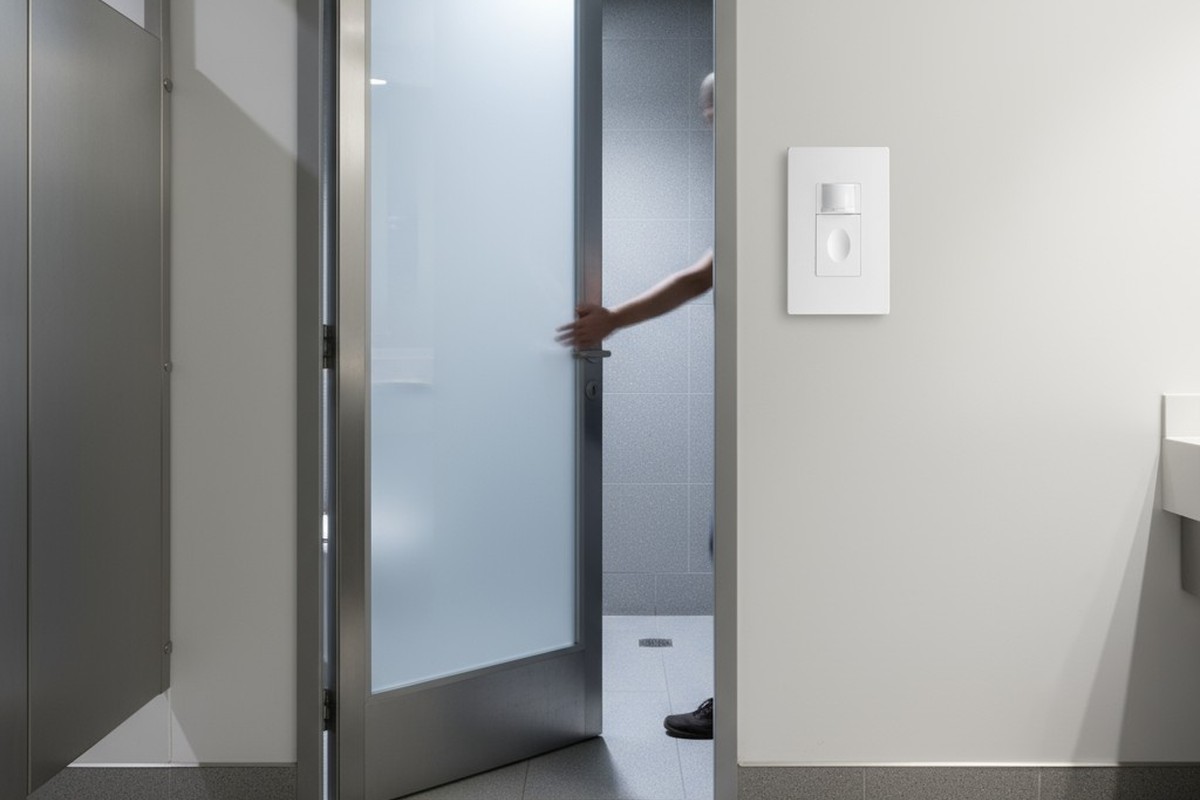
A light snaps off while someone is still working at their desk, plunging them into darkness. A hallway light stays on long after everyone has gone home, silently wasting electricity. These scenarios are two sides of the same coin in automated buildings: the conflict between user comfort and energy efficiency. The solution isn’t a more sensitive sensor, but an elegant and often misunderstood feature—the time delay.
This simple setting is the intelligence behind any good occupancy or motion sensor. It transforms a basic motion detector from a blunt instrument into a responsive, adaptable tool. Understanding how to use it is the key to creating an automated system that saves the maximum amount of energy without disrupting the people it serves.
The Core Problem: Balancing Energy Savings with User Experience
Every motion sensor system must navigate a fundamental trade-off. The primary goal is energy conservation, which demands that a light or HVAC system shut down the instant a room is empty. But a seamless human experience requires the system to accommodate periods of stillness, like a person reading at a desk or pausing in thought.

An aggressive focus on energy savings leads to “false-offs,” where the sensor misinterprets stillness as vacancy and cuts the power. The result is frustration, lost productivity, and a general distrust of the automation. On the other hand, a system that prioritizes avoiding false-offs at all costs can waste significant energy, with lights and utilities running for long periods in unoccupied rooms. Scaled across a commercial building, the cost of that inefficiency is substantial.
Αναζητάτε λύσεις εξοικονόμησης ενέργειας με ενεργοποίηση μέσω κίνησης;
Επικοινωνήστε μαζί μας για ολοκληρωμένους αισθητήρες κίνησης PIR, προϊόντα εξοικονόμησης ενέργειας με ενεργοποίηση μέσω κίνησης, διακόπτες αισθητήρων κίνησης και επαγγελματικές λύσεις Occupancy/Vacancy.
To work correctly, the system must answer a simple question: Is the room truly empty, or is the occupant just still? The time delay is that moment of hesitation. It’s a buffer, a grace period engineered to account for the natural, stop-and-start patterns of human occupancy.
How Time Delay Works: The Grace Period After Motion Stops
A time delay is a countdown timer that activates only after the sensor stops detecting motion. When you enter a room, the sensor detects your presence and turns on the lights. As long as you continue to move, even slightly, the sensor keeps resetting its internal clock, and the lights stay on.
The countdown begins the moment the sensor detects the last instance of motion. If the timer is set to 15 minutes, it will wait for 15 full minutes of complete stillness before concluding the room is vacant and shutting off the power. If the sensor detects any movement during that countdown—even with one second left—the timer immediately resets to the full 15 minutes. This simple mechanism is profoundly effective at preventing false-offs while still ensuring the system eventually does its job.
The Art of Calibration: Choosing the Right Setting
A time delay’s effectiveness depends on its configuration. Setting it correctly isn’t about finding a single magic number, but about understanding the unique characteristics of the space it serves. Proper calibration tunes a generic sensor to its specific environment.
Factors That Influence the Ideal Delay
The primary factor is the nature of the activity in the space. A room with constant foot traffic, like a main corridor, can use a very short delay. In contrast, a space for focused, sedentary work, such as a private office or a library, requires a much longer one. In these areas, occupants may remain still for long stretches, and a short delay would cause constant, disruptive false-offs. The room’s size and the types of tasks performed are also critical considerations.
The Consequences of an Incorrect Setting
An improper time delay can negate the benefits of the entire system. If the setting is too short, it creates an environment of annoyance, often leading users to find ways to disable the system. This not only defeats the purpose of automation but can actively hinder productivity. If the setting is too long, it directly undermines the goal of energy savings, creating a system that is only marginally better than a manual switch and contributes to high operational costs.
Recommended Time Delay Settings for Common Spaces
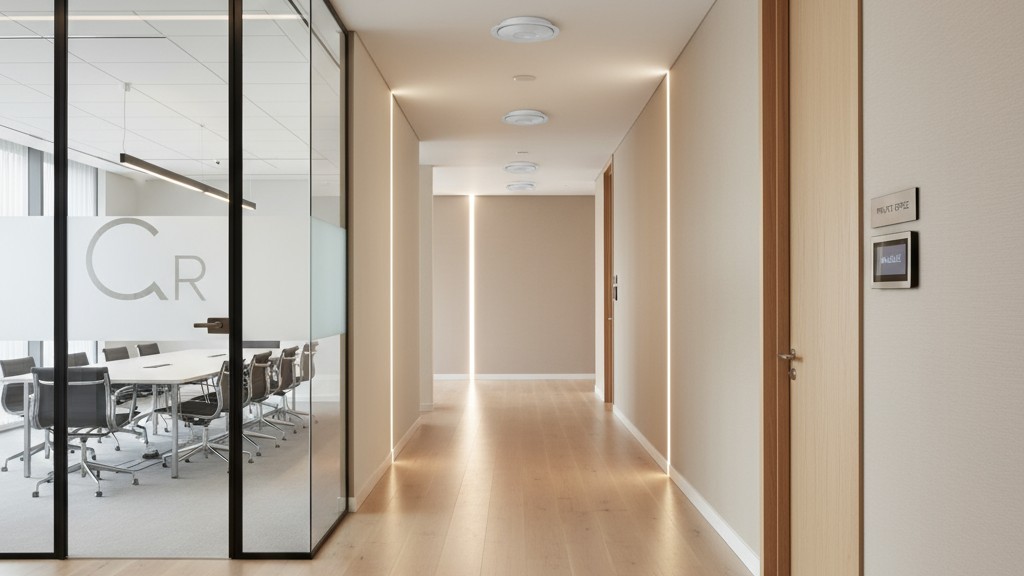
While every space is different, these guidelines provide a strong starting point for calibration by balancing efficiency with typical occupant behavior.
Ίσως σας ενδιαφέρει επίσης

- Τάση: 2 Μπαταρίες AAA
- Λειτουργία Ημέρας/Νύχτας
- Καθυστέρηση χρόνου: 15min, 30min, 1h(προεπιλογή), 2h

- Ανιχνευτής πληρότητας PIR οροφής με έξοδο ξηρής επαφής ρελέ
- Τροφοδοσία χαμηλής τάσης 12/24VDC ή 12/24VAC
- Απομονωμένες επαφές ρελέ COM, NO και NC για εισόδους συστημάτων EMS, HVAC και ελέγχου κτιρίων

- Χωνευτός διακόπτης ανιχνευτή κίνησης μικροκυμάτων οροφής χαμηλής τάσης DC
- Είσοδος 12 VDC / 24 VDC με εύρος 10-30 VDC
- Μέγιστο ρεύμα λειτουργίας 10A με ρυθμιζόμενη καθυστέρηση χρόνου, ουδός Lux και ευαισθησία
- Χωνευτός διακόπτης ανιχνευτή κίνησης μικροκυμάτων οροφής για υψηλότερα φορτία
- Είσοδος τάσης δικτύου 100-265 VAC, μοντέλο 10A
- Ανίχνευση μικροκυμάτων 5.8 GHz με ρυθμιζόμενη καθυστέρηση χρόνου, κατώφλι Lux και ευαισθησία
- Χωνευτός διακόπτης αισθητήρα κίνησης μικροκυμάτων τοποθέτησης σε οροφή
- Είσοδος τάσης γραμμής 100-265 VAC, μοντέλο 5A
- Ανίχνευση μικροκυμάτων 5.8 GHz με ρυθμιζόμενη καθυστέρηση χρόνου, κατώφλι Lux και ευαισθησία
- Ροοστάτης αισθητήρα πληρότητας PIR οροφής RZ037 για τροφοδοσία 220V
- Μέγιστο ρεύμα λειτουργίας 3A με ονομαστικό φορτίο 660W
- Το κουμπί LUX ελέγχει την ενεργοποίηση/απενεργοποίηση (ON/OFF) του αισθητήρα φωτός και τη φωτεινότητα ρύθμισης έντασης που ορίζει ο χρήστης
- Ροοστάτης αισθητήρα πληρότητας PIR οροφής RZ037 για τροφοδοσία 110V
- Μέγιστο ρεύμα λειτουργίας 3A με ονομαστικό φορτίο 330W
- Το κουμπί LUX ελέγχει την ενεργοποίηση/απενεργοποίηση (ON/OFF) του αισθητήρα φωτός και τη φωτεινότητα ρύθμισης έντασης που ορίζει ο χρήστης

- Διακόπτης αισθητήρα κίνησης μικροκυμάτων τοποθέτησης οροφής χαμηλής τάσης DC
- Είσοδος 12 VDC / 24 VDC με εύρος 10-30 VDC
- Μέγιστο ρεύμα λειτουργίας 10A με ρυθμιζόμενη καθυστέρηση χρόνου, ουδός Lux και ευαισθησία
- Διακόπτης αισθητήρα κίνησης μικροκυμάτων οροφής για υψηλότερα φορτία
- Είσοδος τάσης δικτύου 100-265 VAC, μοντέλο 10A
- Ανίχνευση μικροκυμάτων 5.8 GHz με ρυθμιζόμενη καθυστέρηση χρόνου, κατώφλι Lux και ευαισθησία
- Διακόπτης αισθητήρα κίνησης μικροκυμάτων τοποθέτησης σε οροφή
- Είσοδος τάσης γραμμής 100-265 VAC, μοντέλο 5A
- Ανίχνευση μικροκυμάτων 5.8 GHz με ρυθμιζόμενη καθυστέρηση χρόνου, κατώφλι Lux και ευαισθησία

- Διακόπτης αισθητήρα κίνησης PIR χωνευτής τοποθέτησης οροφής χαμηλής τάσης DC
- Είσοδος 12 VDC / 24 VDC με εύρος 10-30 VDC
- Μέγιστο ρεύμα λειτουργίας 10A με ρυθμιζόμενη καθυστέρηση χρόνου, κατώφλι Lux και ευαισθησία

- Διακόπτης αισθητήρα κίνησης PIR χωνευτής τοποθέτησης οροφής για υψηλότερο φορτίο
- Είσοδος τάσης δικτύου 100-265 VAC, μοντέλο 10A
- Ανίχνευση 360 μοιρών με ρυθμιζόμενη καθυστέρηση χρόνου, κατώφλι Lux και ευαισθησία
- Διακόπτης αισθητήρα κίνησης PIR χωνευτής τοποθέτησης οροφής
- Είσοδος τάσης γραμμής 100-265 VAC, μοντέλο 5A
- Ανίχνευση 360 μοιρών με ρυθμιζόμενη καθυστέρηση χρόνου, κατώφλι Lux και ευαισθησία

- Κιτ ασύρματου διακόπτη και δέκτη για έλεγχο φωτισμού ON/OFF εσωτερικού χώρου
- Δέκτης 100-230VAC, 50/60Hz με ονομαστικό ρεύμα 5A
- Ασύρματος διακόπτης τροφοδοτούμενος από μπαταρία CR2032 με επικοινωνία 2.4GHz
- Πληρότητα (Auto-ON/Auto-OFF)
- 12–24V DC (10–30VDC), έως 10A
- Κάλυψη 360°, διάμετρος 8–12 m
- Καθυστέρηση χρόνου 15 s–30 min
- Αισθητήρας φωτός Off/15/25/35 Lux
- Υψηλή/Χαμηλή ευαισθησία
- Function Auto-ON/Auto-OFF (Αυτόματη Ενεργοποίηση/Απενεργοποίηση) λειτουργία παρουσίας
- 100–265V AC, 10A (απαιτείται ουδέτερος)
- Κάλυψη 360°, διάμετρος ανίχνευσης 8–12 m
- Χρονοκαθυστέρηση 15 s–30 min, Lux OFF/15/25/35, Ευαισθησία Υψηλή/Χαμηλή
- Function Auto-ON/Auto-OFF (Αυτόματη Ενεργοποίηση/Απενεργοποίηση) λειτουργία παρουσίας
- 100–265V AC, 5A (απαιτείται ουδέτερος)
- Κάλυψη 360°, διάμετρος ανίχνευσης 8–12 m
- Χρονοκαθυστέρηση 15 s–30 min, Lux OFF/15/25/35, Ευαισθησία Υψηλή/Χαμηλή
Private Offices & Conference Rooms: These areas see long periods of sedentary work with little movement. A longer delay of 15 to 30 minutes prevents the lights from shutting off during deep concentration, reading, or computer use.
High-Traffic Hallways & Corridors: As transitional spaces with brief and constant movement, these function well with a shorter delay of 5 to 10 minutes. This ensures lights activate as people pass through but don’t stay on long after the area is clear.
Αντλήστε έμπνευση από τα χαρτοφυλάκια αισθητήρων κίνησης της Rayzeek.
Δεν βρίσκετε αυτό που ψάχνετε; Μην ανησυχείτε. Υπάρχουν πάντα εναλλακτικοί τρόποι για την επίλυση των ζητημάτων σας. Ίσως κάποιο από τα χαρτοφυλάκια προϊόντων μας να μπορεί να βοηθήσει.
Restrooms & Storage Closets: Occupancy here is usually short and task-oriented. A delay of 10 to 15 minutes provides enough time for use without leaving lights burning in these frequently but briefly used spaces.
The Interplay Between Sensor Sensitivity and Time Delay
The time delay setting works in tandem with the sensor’s sensitivity, which determines how much movement is required to trigger a reset. These two settings are levers that must be balanced for a reliable system.
A highly sensitive sensor that can detect fine motions like typing or turning a page allows for a shorter time delay. Because the sensor is less likely to miss an occupant’s subtle movements, a long grace period becomes less critical. Conversely, a sensor with lower sensitivity or one partially obstructed may need a longer time delay to compensate. The extended delay acts as a safety net, providing a larger buffer in case the sensor fails to register a small movement. Advanced dual-technology sensors, which combine passive infrared with ultrasonic or microwave detection, offer the highest reliability and often allow for more aggressive (shorter) time delays without compromising comfort.
More than a simple timer, the time delay is a critical tool for optimization. By carefully matching this setting to the function of a space and the behavior of its occupants, a building can save energy intelligently while remaining perfectly in sync with the people inside.







