
What is Fixture Efficiency
Fixture efficiency measures how effectively a lighting fixture converts electrical energy into visible light. It is a crucial metric used in the lighting industry to evaluate the efficiency of a lighting fixture in terms of its ability to produce light output while minimizing energy losses. This efficiency is typically calculated by dividing the luminous efficacy, which is a measure of how efficiently a light source produces visible light, by 683 lm/W, representing the maximum value of luminous efficacy that a light fixture can achieve.
Several factors can impact fixture efficiency. One such factor is the loss of generated light due to absorption. If a light fixture is located in an enclosed space surrounded by dark materials or walls, the light generated by the fixture may be absorbed, resulting in lower efficiency. To improve efficiency, it is recommended to apply white materials in buildings or rooms as they reflect or scatter most of the light instead of absorbing it, minimizing energy loss. Another factor that can affect fixture efficiency is the performance of the power supply. The context suggests that high-frequency switching in the power supply can reduce energy losses to only a few percent, requiring less power for the same level of illumination. This implies that the efficiency of the power supply can directly impact the overall efficiency of the light fixture.
ربما تكون مهتماً بـ

- مستشعر إشغال PIR يثبت على السقف مع مخرج ريليه تلامس جاف
- مزود طاقة بجهد منخفض 12/24VDC أو 12/24VAC
- نقاط تلامس ريليه معزولة COM و NO و NC لمدخلات أنظمة إدارة الطاقة (EMS) والتكييف (HVAC) والتحكم في المباني

- مفتاح مستشعر حركة ميكروويف غاطس يثبت على السقف بجهد تيار مستمر منخفض
- مدخل 12 VDC / 24 VDC مع نطاق 10-30 VDC
- تيار عمل أقصى 10A مع تأخير زمني قابل للتعديل، وعتبة Lux، والحساسية
- مفتاح مستشعر حركة ميكروويف غاطس يثبت على السقف للأحمال العالية
- مدخل جهد الخط 100-265 VAC، موديل 10A
- استشعار ميكروويف بتردد 5.8 جيجاهرتز مع تأخير زمني قابل للتعديل، وعتبة Lux، والحساسية
- مفتاح مستشعر حركة ميكروويف غاطس يثبت على السقف
- مدخل جهد الخط 100-265 VAC، موديل 5A
- استشعار ميكروويف بتردد 5.8 جيجاهرتز مع تأخير زمني قابل للتعديل، وعتبة Lux، والحساسية
- ديمر مستشعر إشغال RZ037 PIR يثبت على السقف لجهد 220V
- تيار عمل أقصى 3A مع حمل مقدر 660W
- تحكم بزر LUX لتشغيل/إطفاء مستشعر الضوء وسطوع التعتيم المحدد من قبل المستخدم
- ديمر مستشعر إشغال RZ037 PIR يثبت على السقف لجهد 110V
- تيار عمل أقصى 3A مع حمل مقدر 330W
- تحكم بزر LUX لتشغيل/إطفاء مستشعر الضوء وسطوع التعتيم المحدد من قبل المستخدم

- مفتاح مستشعر حركة بالموجات الدقيقة يركب على السقف بتيار مستمر جهد منخفض
- مدخل 12 VDC / 24 VDC مع نطاق 10-30 VDC
- تيار عمل أقصى 10A مع تأخير زمني قابل للتعديل، وعتبة Lux، والحساسية
- مفتاح مستشعر حركة بالموجات الدقيقة يركب على السقف للحمولات العالية
- مدخل جهد الخط 100-265 VAC، موديل 10A
- استشعار ميكروويف بتردد 5.8 جيجاهرتز مع تأخير زمني قابل للتعديل، وعتبة Lux، والحساسية
- مفتاح مستشعر حركة بالموجات الدقيقة يركب على السقف
- مدخل جهد الخط 100-265 VAC، موديل 5A
- استشعار ميكروويف بتردد 5.8 جيجاهرتز مع تأخير زمني قابل للتعديل، وعتبة Lux، والحساسية

- مفتاح مستشعر حركة بالأشعة تحت الحمراء PIR مدمج في السقف بتيار مستمر جهد منخفض
- مدخل 12 VDC / 24 VDC مع نطاق 10-30 VDC
- أقصى تيار تشغيل 10A مع إمكانية ضبط تأخير الوقت، وعتبة الإضاءة (Lux)، والحساسية

- مفتاح مستشعر حركة بالأشعة تحت الحمراء PIR مدمج في السقف للحمولات العالية
- مدخل جهد الخط 100-265 VAC، موديل 10A
- تغطية ورصد بزاوية 360 درجة مع إمكانية ضبط تأخير الوقت، وعتبة الإضاءة (Lux)، والحساسية
- مفتاح مستشعر حركة بالأشعة تحت الحمراء PIR مدمج في السقف
- مدخل جهد الخط 100-265 VAC، موديل 5A
- تغطية ورصد بزاوية 360 درجة مع إمكانية ضبط تأخير الوقت، وعتبة الإضاءة (Lux)، والحساسية

- طقم مفتاح لاسلكي وجهاز مستقبل للتحكم في تشغيل وإيقاف الإضاءة الداخلية
- مستقبل بجهد 100-230VAC وتردد 50/60Hz مع تيار مقنن 5A
- مفتاح لاسلكي يعمل ببطارية CR2032 مع اتصال بتردد 2.4GHz
- وضع الإشغال (تشغيل تلقائي/إيقاف تلقائي)
- 12–24V DC (10–30VDC)، حتى 10A
- تغطية 360 درجة، بقطر 8–12 متر
- تأخير الوقت من 15 ثانية إلى 30 دقيقة
- مستشعر الإضاءة: إيقاف/15/25/35 لوكس (Lux)
- حساسية عالية/منخفضة
- وضع الإشغال (تشغيل تلقائي/إيقاف تلقائي)
- 100–265V AC، بقوة 10A (يتطلب خط محايد)
- تغطية 360 درجة، قطر رصد 8–12 متر
- تأخير الوقت من 15 ثانية إلى 30 دقيقة، عتبة اللوكس: إيقاف/15/25/35، الحساسية: عالية/منخفضة
- وضع الإشغال (تشغيل تلقائي/إيقاف تلقائي)
- 100–265V AC, 5A (يتطلب خط محايد)
- تغطية 360 درجة، قطر رصد 8–12 متر
- تأخير الوقت من 15 ثانية إلى 30 دقيقة، عتبة اللوكس: إيقاف/15/25/35، الحساسية: عالية/منخفضة
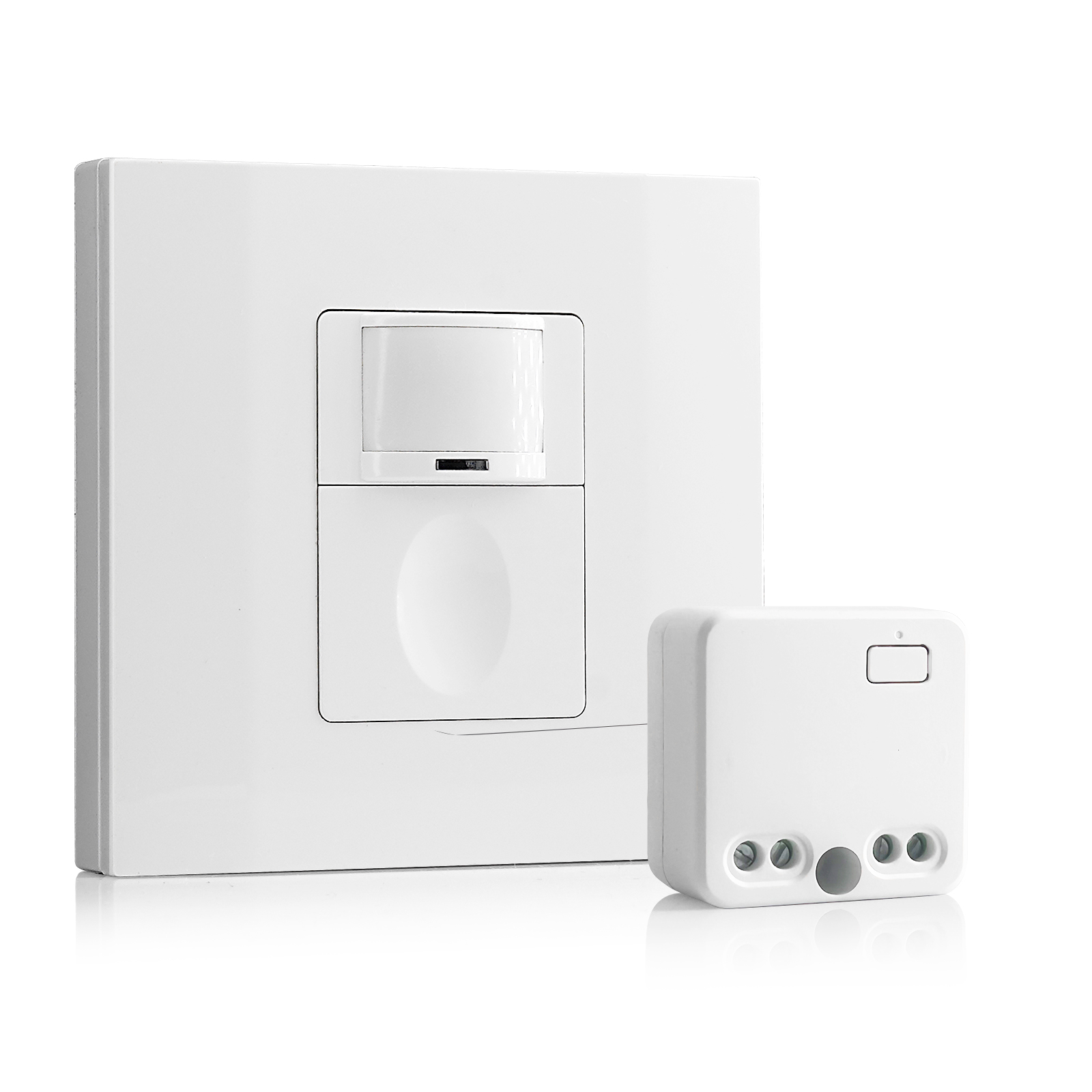
- 100V-230VAC
- مسافة الإرسال: تصل إلى 20m
- حساس حركة لاسلكي
- تحكم سلكي ثابت
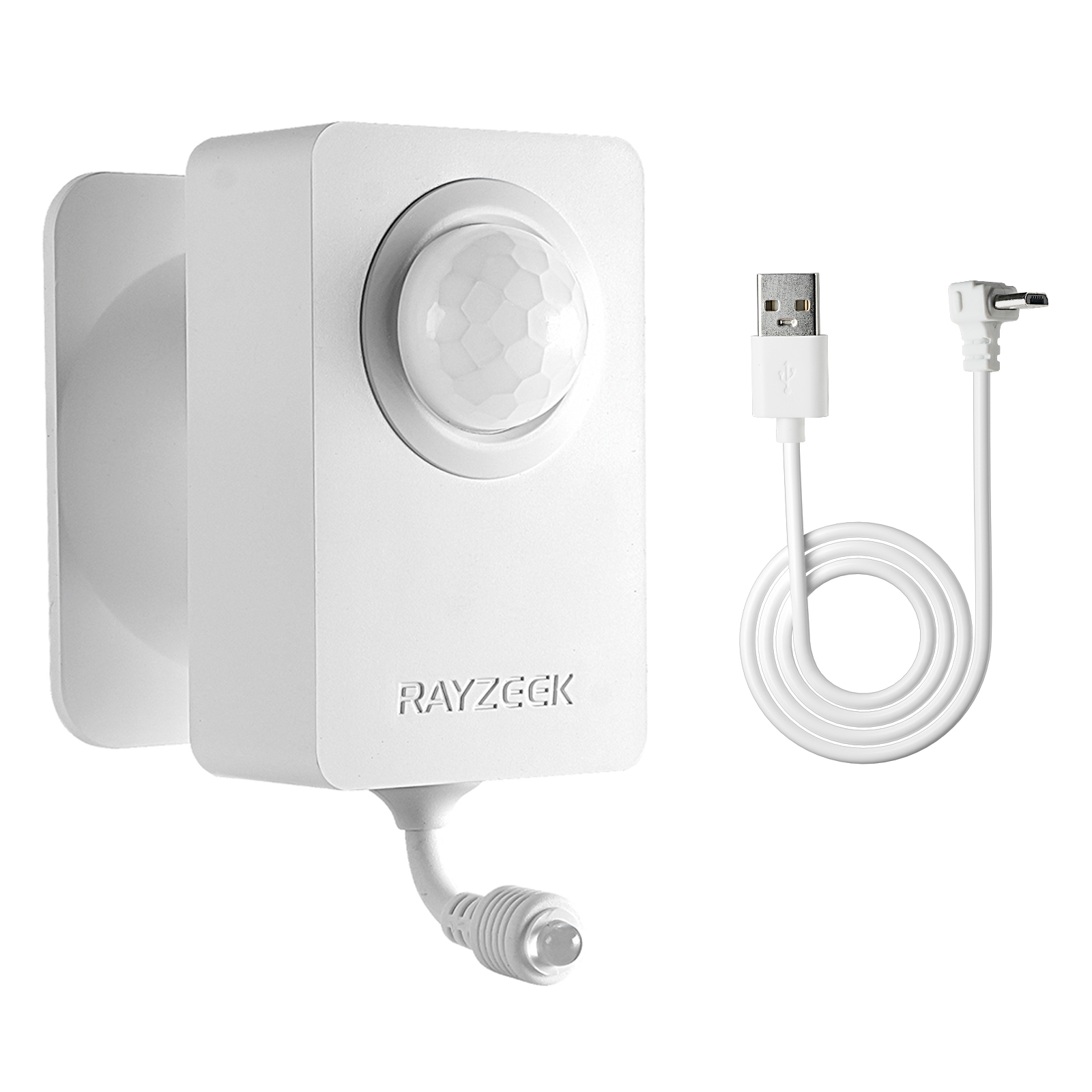
- الجهد الكهربائي: بطاريتان 2x AAA / 5V DC (Micro USB)
- الوضع الليلي/النهاري
- تأخير الوقت: 15min، 30min، 1h (افتراضي)، 2h
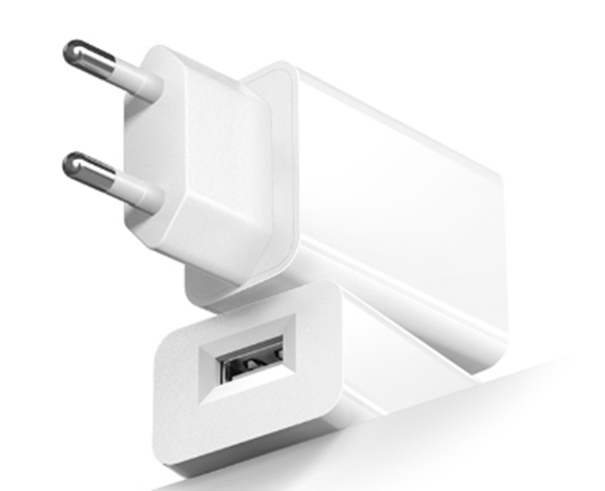
- محول طاقة بمقبس أوروبي
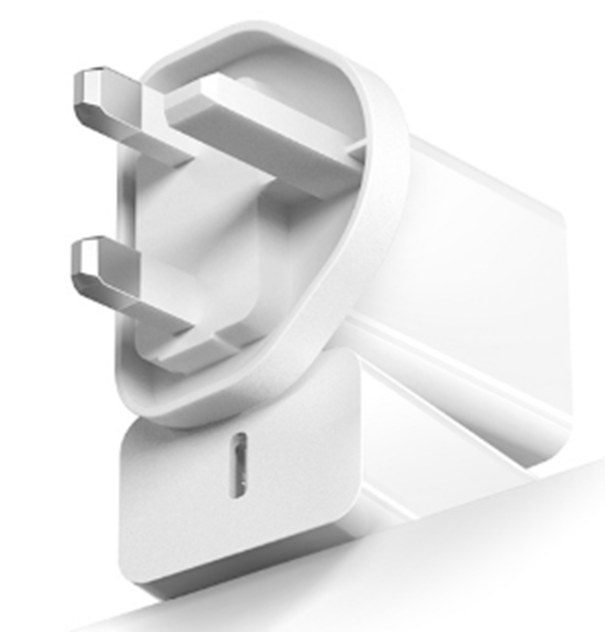
- محول طاقة بمقبس بريطاني
Frequently Asked Questions
What Is the Least Efficient Lighting
Incandescent bulbs are considered to be one of the least efficient lighting options due to the fact that they dissipate most of their energy as heat rather than light. In comparison to longer-lasting LED and CFL bulbs, incandescent bulbs typically have a lifespan of about 750 hours.
How Is Lighting Efficiency Measured
The measurement of lighting efficiency is commonly done through luminous efficacy, which calculates the brightness of light produced by light sources, taking into account the sensitivity of the human visual system to different wavelengths of light.
What Color LED Is Most Efficient
The most efficient LEDs have high correlated color temperatures (CCTs), typically above 5000K, resulting in a “cool” bluish light. However, warm white LEDs (2600K to 3500K) have made significant advancements and are now approaching the efficiency of CFLs.
Which Light Bulbs Use the Least Electricity
LEDs are a type of light bulb that consume significantly less electricity, up to 90% less, compared to traditional incandescent bulbs. Additionally, LEDs have a much longer lifespan, lasting up to 25 times longer than incandescent bulbs.







