
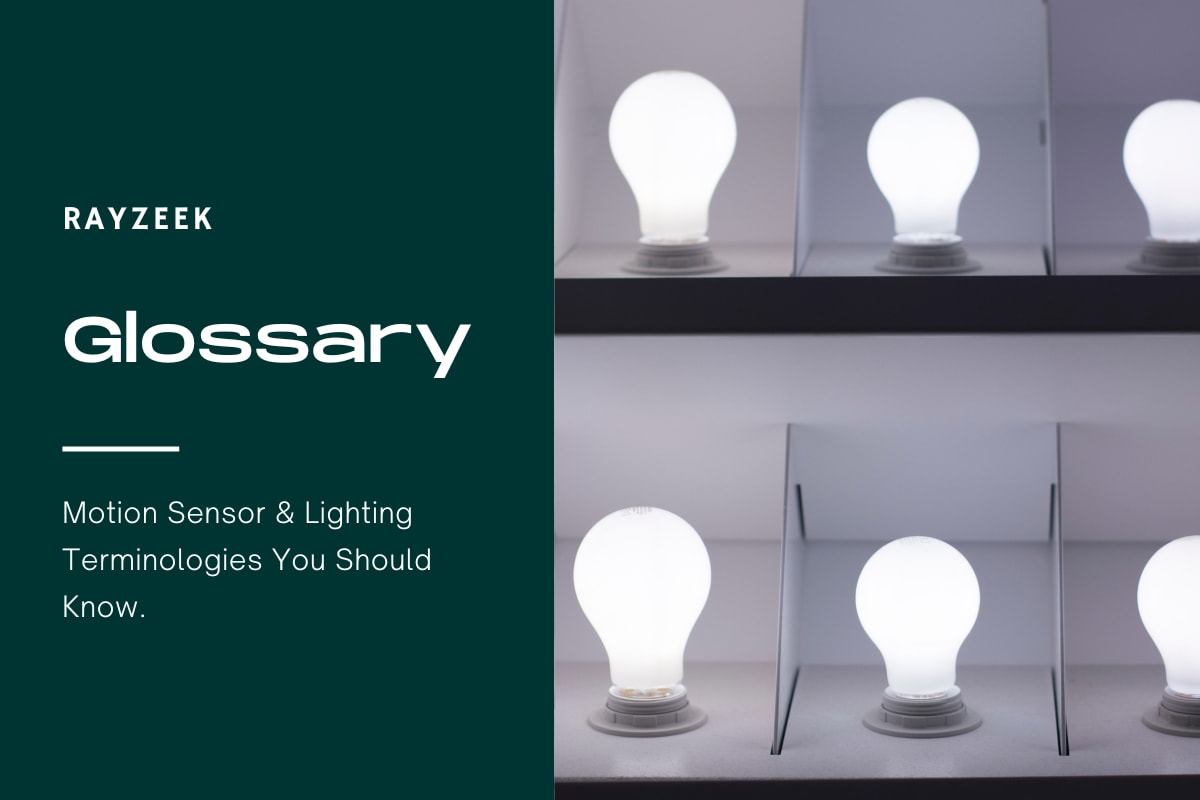
What is Luminance Contrast
Luminance contrast is the difference in the amount of light reflected from one surface or component compared to another surface or component. It is a measure of the visual distinction between the object and its background. Luminance contrast is not the difference in color or color contrast, but rather the difference in the light reflective properties of each color.
The calculation of luminance contrast can be expressed as a ratio or fraction, typically using the luminance values of the object and background. The formula for calculating luminance contrast is (L1 – L2)/L1 or (L2 – L1)/L1 = | Δ L/L1 |, where L1 and L2 represent the luminances of the background and the object, respectively. This equation specifies the form of the luminance contrast calculation.
هل تبحث عن حلول لتوفير الطاقة تعمل بالحركة؟
اتصل بنا للحصول على حساسات حركة PIR متكاملة، ومنتجات توفير الطاقة التي تعمل بالحركة، ومفاتيح حساسات الحركة، والحلول التجارية للتحكم بالإشغال/الخلو.
The ratio Δ L/L1 in the equation is known as Weber’s fraction, which describes the smallest detectable difference in luminance. This helps determine the perceptual sensitivity to changes in brightness. In some cases, when only reflecting surfaces are involved, luminance contrast can be expressed in terms of reflectance. Reflectance refers to the ratio of light reflected by a surface to the incident light falling on it. The contrast formula using reflectance is (ρ1 – ρ2)/ρ1 or (ρ2 – ρ1)/ρ1, where ρ1 and ρ2 represent the reflectances of the background and the object, respectively. The method of computing contrast using reflectance holds true only for perfectly diffusing surfaces. For other surfaces, additional factors such as angles of incidence and view need to be taken into consideration.
ربما تكون مهتماً بـ

- مستشعر إشغال PIR يثبت على السقف مع مخرج ريليه تلامس جاف
- مزود طاقة بجهد منخفض 12/24VDC أو 12/24VAC
- نقاط تلامس ريليه معزولة COM و NO و NC لمدخلات أنظمة إدارة الطاقة (EMS) والتكييف (HVAC) والتحكم في المباني

- مفتاح مستشعر حركة ميكروويف غاطس يثبت على السقف بجهد تيار مستمر منخفض
- مدخل 12 VDC / 24 VDC مع نطاق 10-30 VDC
- تيار عمل أقصى 10A مع تأخير زمني قابل للتعديل، وعتبة Lux، والحساسية
- مفتاح مستشعر حركة ميكروويف غاطس يثبت على السقف للأحمال العالية
- مدخل جهد الخط 100-265 VAC، موديل 10A
- استشعار ميكروويف بتردد 5.8 جيجاهرتز مع تأخير زمني قابل للتعديل، وعتبة Lux، والحساسية
- مفتاح مستشعر حركة ميكروويف غاطس يثبت على السقف
- مدخل جهد الخط 100-265 VAC، موديل 5A
- استشعار ميكروويف بتردد 5.8 جيجاهرتز مع تأخير زمني قابل للتعديل، وعتبة Lux، والحساسية
- ديمر مستشعر إشغال RZ037 PIR يثبت على السقف لجهد 220V
- تيار عمل أقصى 3A مع حمل مقدر 660W
- تحكم بزر LUX لتشغيل/إطفاء مستشعر الضوء وسطوع التعتيم المحدد من قبل المستخدم
- ديمر مستشعر إشغال RZ037 PIR يثبت على السقف لجهد 110V
- تيار عمل أقصى 3A مع حمل مقدر 330W
- تحكم بزر LUX لتشغيل/إطفاء مستشعر الضوء وسطوع التعتيم المحدد من قبل المستخدم

- مفتاح مستشعر حركة بالموجات الدقيقة يركب على السقف بتيار مستمر جهد منخفض
- مدخل 12 VDC / 24 VDC مع نطاق 10-30 VDC
- تيار عمل أقصى 10A مع تأخير زمني قابل للتعديل، وعتبة Lux، والحساسية
- مفتاح مستشعر حركة بالموجات الدقيقة يركب على السقف للحمولات العالية
- مدخل جهد الخط 100-265 VAC، موديل 10A
- استشعار ميكروويف بتردد 5.8 جيجاهرتز مع تأخير زمني قابل للتعديل، وعتبة Lux، والحساسية
- مفتاح مستشعر حركة بالموجات الدقيقة يركب على السقف
- مدخل جهد الخط 100-265 VAC، موديل 5A
- استشعار ميكروويف بتردد 5.8 جيجاهرتز مع تأخير زمني قابل للتعديل، وعتبة Lux، والحساسية

- مفتاح مستشعر حركة بالأشعة تحت الحمراء PIR مدمج في السقف بتيار مستمر جهد منخفض
- مدخل 12 VDC / 24 VDC مع نطاق 10-30 VDC
- أقصى تيار تشغيل 10A مع إمكانية ضبط تأخير الوقت، وعتبة الإضاءة (Lux)، والحساسية

- مفتاح مستشعر حركة بالأشعة تحت الحمراء PIR مدمج في السقف للحمولات العالية
- مدخل جهد الخط 100-265 VAC، موديل 10A
- تغطية ورصد بزاوية 360 درجة مع إمكانية ضبط تأخير الوقت، وعتبة الإضاءة (Lux)، والحساسية
- مفتاح مستشعر حركة بالأشعة تحت الحمراء PIR مدمج في السقف
- مدخل جهد الخط 100-265 VAC، موديل 5A
- تغطية ورصد بزاوية 360 درجة مع إمكانية ضبط تأخير الوقت، وعتبة الإضاءة (Lux)، والحساسية

- طقم مفتاح لاسلكي وجهاز مستقبل للتحكم في تشغيل وإيقاف الإضاءة الداخلية
- مستقبل بجهد 100-230VAC وتردد 50/60Hz مع تيار مقنن 5A
- مفتاح لاسلكي يعمل ببطارية CR2032 مع اتصال بتردد 2.4GHz
- وضع الإشغال (تشغيل تلقائي/إيقاف تلقائي)
- 12–24V DC (10–30VDC)، حتى 10A
- تغطية 360 درجة، بقطر 8–12 متر
- تأخير الوقت من 15 ثانية إلى 30 دقيقة
- مستشعر الإضاءة: إيقاف/15/25/35 لوكس (Lux)
- حساسية عالية/منخفضة
- وضع الإشغال (تشغيل تلقائي/إيقاف تلقائي)
- 100–265V AC، بقوة 10A (يتطلب خط محايد)
- تغطية 360 درجة، قطر رصد 8–12 متر
- تأخير الوقت من 15 ثانية إلى 30 دقيقة، عتبة اللوكس: إيقاف/15/25/35، الحساسية: عالية/منخفضة
- وضع الإشغال (تشغيل تلقائي/إيقاف تلقائي)
- 100–265V AC, 5A (يتطلب خط محايد)
- تغطية 360 درجة، قطر رصد 8–12 متر
- تأخير الوقت من 15 ثانية إلى 30 دقيقة، عتبة اللوكس: إيقاف/15/25/35، الحساسية: عالية/منخفضة
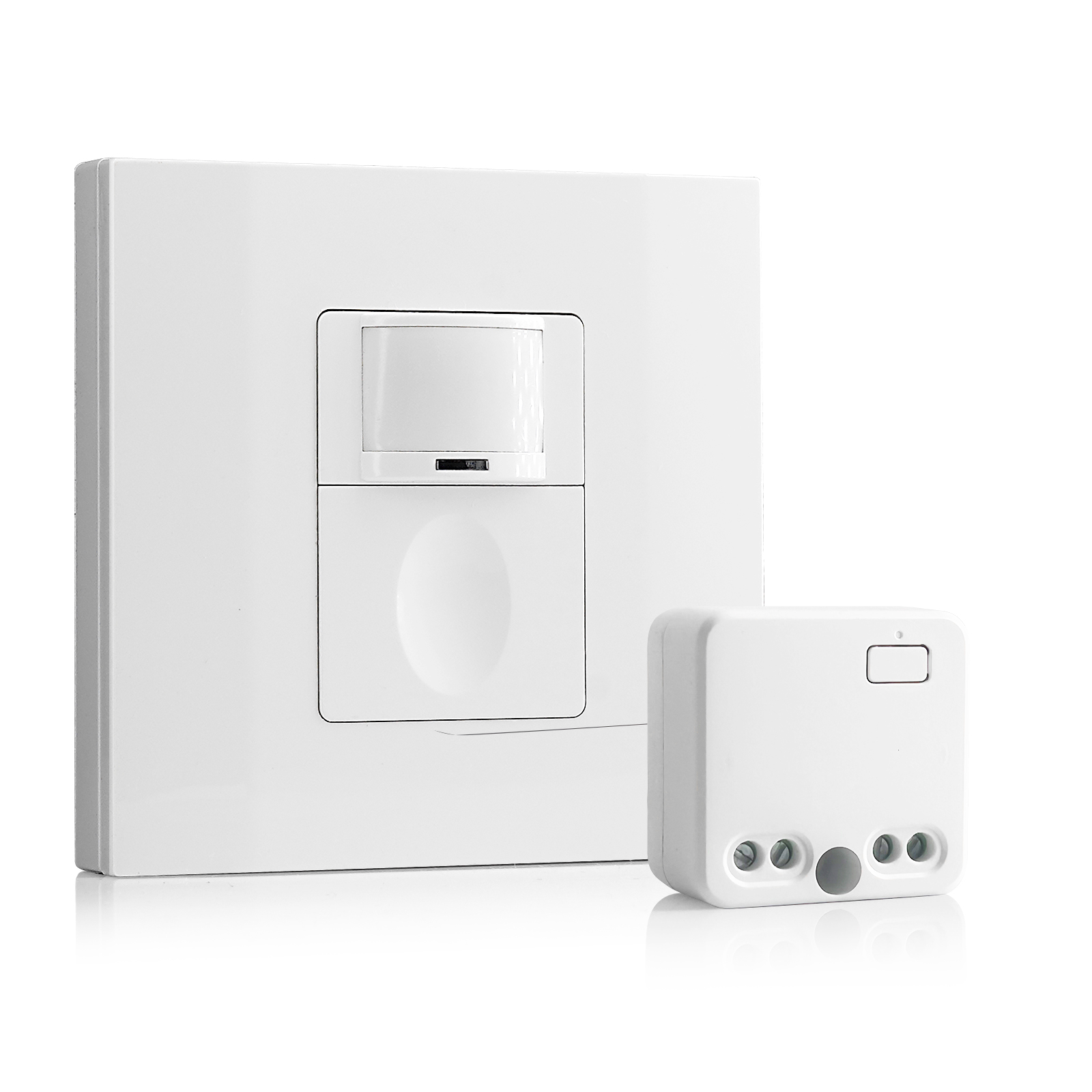
- 100V-230VAC
- مسافة الإرسال: تصل إلى 20m
- حساس حركة لاسلكي
- تحكم سلكي ثابت
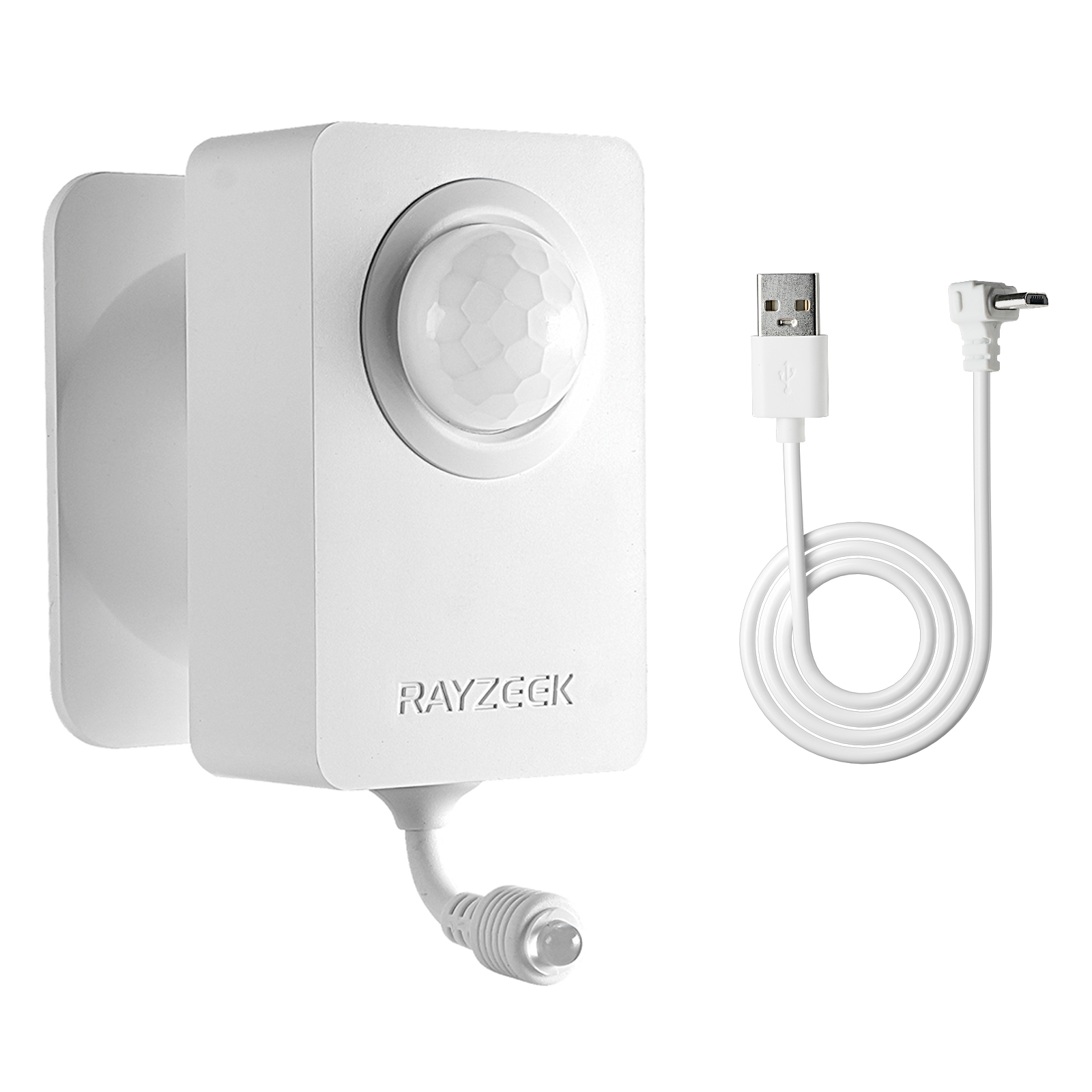
- الجهد الكهربائي: بطاريتان 2x AAA / 5V DC (Micro USB)
- الوضع الليلي/النهاري
- تأخير الوقت: 15min، 30min، 1h (افتراضي)، 2h
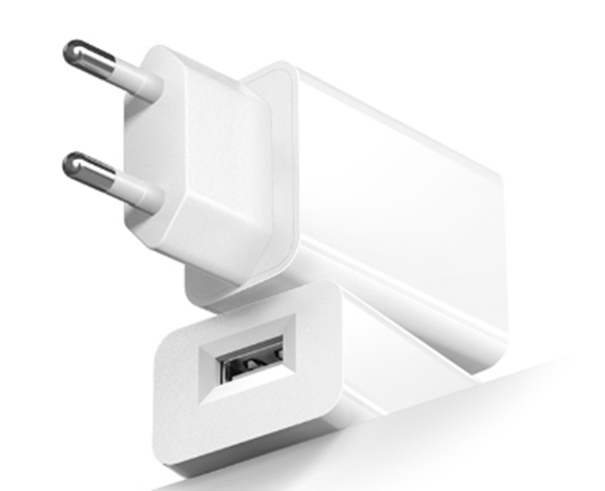
- محول طاقة بمقبس أوروبي
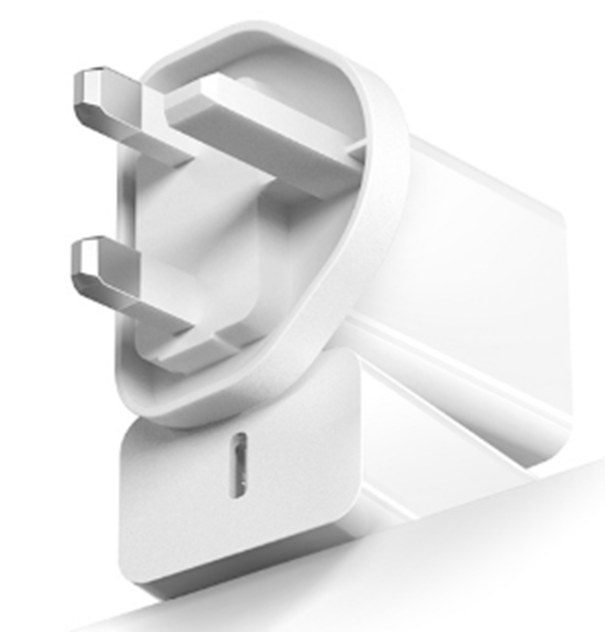
- محول طاقة بمقبس بريطاني
Frequently Asked Questions
Does Luminance Mean Brightness of Colors
Luminance refers to a measurement that describes the perceived brightness of a color. It indicates how bright a color appears when reflected from a surface. Additionally, relative luminance is defined as the relative brightness of a specific point within a colorspace, with black normalized to 0% and white normalized to 100%.
What Is a Good Luminance
The recommended luminance ratio between the working area and the walls is less than 5:1. However, recent studies indicate that the luminance ratio between the working area and the normal field of vision (ambient area = wall/ceiling surfaces) should be 2:1, with an illuminance of 500 lux in the working area.
What Color Has the Highest Luminosity
Blue stars are typically the most luminous, while red stars are the least luminous. However, seasoned observers may come across red stars during nighttime that are brighter than white or blue stars.
What Is Normal Luminance
Earlier, normal luminance for normal activities typically ranged from 100 to 300 lux. However, nowadays, the light level commonly falls within the range of 500 to 1000 lux, depending on the specific activity. In cases that require precision and detailed work, the light level may even reach as high as 1500 to 2000 lux.
What Should the Maximum Luminance Be
SDR formats are capable of displaying a maximum luminance level of approximately 100 nits. However, in the case of HDR, this value significantly increases to a range of 1,000 to 10,000 nits. HDR technology allows for deeper black levels and more vibrant and saturated colors.
Does Luminance Change With Distance
With regards to point luminance, there was an observed variation of approximately 3% for every 1m increase in distance from the measured point. However, the influence of distance on surface luminance was comparatively less significant than that of point luminance. These findings from the study suggest that luminance values do indeed fluctuate depending on the distance at which they are measured.







