
It is a familiar and maddening phenomenon for anyone who manages a building. An empty conference room, silent for hours, suddenly illuminates. A security panel registers movement in a deserted hallway, long after the last employee has gone home. The first instinct is to suspect a faulty sensor, another device failing in a complex system. Yet, when these phantom events align with the building’s own rhythmic breathing—the gentle rush of air as the heating or cooling kicks in—the truth reveals itself to be something more subtle.
This is not a hardware failure. It is the result of an unintended conversation between two systems operating exactly as designed. The issue lives not with the HVAC contractor, whose equipment is merely conditioning the air, but entirely within the world of the sensor system. Understanding the nature of that conversation is the first step toward ending it.
A Matter of Perception
The vast majority of motion sensors deployed in commercial spaces are Passive Infrared, or PIR, devices. The name itself is a slight misnomer. They do not perceive motion in the way a camera does. Their reality is a silent, invisible world of thermal energy. A PIR sensor is built to do one thing: detect a rapid change in the infrared landscape. It is calibrated to recognize the specific thermal event of a warm human body moving across the cooler background of a floor or wall, interpreting that signature as occupancy.
The problem arises because the sensor cannot judge intent or origin. When an HVAC system pushes a current of air into a space, that plume is a moving thermal mass, significantly warmer or cooler than the ambient surfaces it travels across. To the sensor, this invisible wave of hot air drifting past a cool partition is conceptually indistinguishable from a person walking into its field of view. Both are sudden, moving shifts in infrared energy. Both cross the threshold for what the device considers a “motion” event, generating a false trigger that disrupts the quiet.
This vulnerability is a direct consequence of how the sensor sees. The curved plastic dome over the detector is a Fresnel lens, an intricate piece of engineering that is far more than a simple protective cover. Its surface is molded with concentric segments, each acting as a tiny lens to focus infrared energy from different parts of the room onto the detector element. This design creates a web of distinct detection zones, or “fingers,” separated by dead spots. An event is triggered only when a heat source moves from one zone to another. A drifting plume of conditioned air does exactly this, its edges traversing multiple zones and perfectly mimicking the thermal pattern of a person moving through the space. The very architecture that grants the sensor its sight is what creates its most common environmental blindness.
A Philosophy of Resolution
Resolving these false alarms is a matter of strategy, not just troubleshooting. The most experienced technicians follow a philosophy that prioritizes physical, permanent solutions over digital compromises. This approach, organized as a hierarchy of action, ensures the problem is solved with maximum reliability and without degrading the sensor’s primary function.
The most robust solution is always to create physical separation. If possible, simply redirecting the vent’s louvers to point airflow away from the sensor’s line of sight can be enough. Where that fails or is not an option, relocating the sensor to a wall or ceiling position that has no direct view of the vent will solve the problem definitively. This physical divorce between the air current and the sensor’s gaze is the purest fix because it demands no compromise from the sensor itself. It is left to do its job at full capacity.
ربما تكون مهتماً بـ

- مستشعر إشغال PIR يثبت على السقف مع مخرج ريليه تلامس جاف
- مزود طاقة بجهد منخفض 12/24VDC أو 12/24VAC
- نقاط تلامس ريليه معزولة COM و NO و NC لمدخلات أنظمة إدارة الطاقة (EMS) والتكييف (HVAC) والتحكم في المباني

- مفتاح مستشعر حركة ميكروويف غاطس يثبت على السقف بجهد تيار مستمر منخفض
- مدخل 12 VDC / 24 VDC مع نطاق 10-30 VDC
- تيار عمل أقصى 10A مع تأخير زمني قابل للتعديل، وعتبة Lux، والحساسية
- مفتاح مستشعر حركة ميكروويف غاطس يثبت على السقف للأحمال العالية
- مدخل جهد الخط 100-265 VAC، موديل 10A
- استشعار ميكروويف بتردد 5.8 جيجاهرتز مع تأخير زمني قابل للتعديل، وعتبة Lux، والحساسية
- مفتاح مستشعر حركة ميكروويف غاطس يثبت على السقف
- مدخل جهد الخط 100-265 VAC، موديل 5A
- استشعار ميكروويف بتردد 5.8 جيجاهرتز مع تأخير زمني قابل للتعديل، وعتبة Lux، والحساسية
- ديمر مستشعر إشغال RZ037 PIR يثبت على السقف لجهد 220V
- تيار عمل أقصى 3A مع حمل مقدر 660W
- تحكم بزر LUX لتشغيل/إطفاء مستشعر الضوء وسطوع التعتيم المحدد من قبل المستخدم
- ديمر مستشعر إشغال RZ037 PIR يثبت على السقف لجهد 110V
- تيار عمل أقصى 3A مع حمل مقدر 330W
- تحكم بزر LUX لتشغيل/إطفاء مستشعر الضوء وسطوع التعتيم المحدد من قبل المستخدم

- مفتاح مستشعر حركة بالموجات الدقيقة يركب على السقف بتيار مستمر جهد منخفض
- مدخل 12 VDC / 24 VDC مع نطاق 10-30 VDC
- تيار عمل أقصى 10A مع تأخير زمني قابل للتعديل، وعتبة Lux، والحساسية
- مفتاح مستشعر حركة بالموجات الدقيقة يركب على السقف للحمولات العالية
- مدخل جهد الخط 100-265 VAC، موديل 10A
- استشعار ميكروويف بتردد 5.8 جيجاهرتز مع تأخير زمني قابل للتعديل، وعتبة Lux، والحساسية
- مفتاح مستشعر حركة بالموجات الدقيقة يركب على السقف
- مدخل جهد الخط 100-265 VAC، موديل 5A
- استشعار ميكروويف بتردد 5.8 جيجاهرتز مع تأخير زمني قابل للتعديل، وعتبة Lux، والحساسية

- مفتاح مستشعر حركة بالأشعة تحت الحمراء PIR مدمج في السقف بتيار مستمر جهد منخفض
- مدخل 12 VDC / 24 VDC مع نطاق 10-30 VDC
- أقصى تيار تشغيل 10A مع إمكانية ضبط تأخير الوقت، وعتبة الإضاءة (Lux)، والحساسية

- مفتاح مستشعر حركة بالأشعة تحت الحمراء PIR مدمج في السقف للحمولات العالية
- مدخل جهد الخط 100-265 VAC، موديل 10A
- تغطية ورصد بزاوية 360 درجة مع إمكانية ضبط تأخير الوقت، وعتبة الإضاءة (Lux)، والحساسية
- مفتاح مستشعر حركة بالأشعة تحت الحمراء PIR مدمج في السقف
- مدخل جهد الخط 100-265 VAC، موديل 5A
- تغطية ورصد بزاوية 360 درجة مع إمكانية ضبط تأخير الوقت، وعتبة الإضاءة (Lux)، والحساسية

- طقم مفتاح لاسلكي وجهاز مستقبل للتحكم في تشغيل وإيقاف الإضاءة الداخلية
- مستقبل بجهد 100-230VAC وتردد 50/60Hz مع تيار مقنن 5A
- مفتاح لاسلكي يعمل ببطارية CR2032 مع اتصال بتردد 2.4GHz
- وضع الإشغال (تشغيل تلقائي/إيقاف تلقائي)
- 12–24V DC (10–30VDC)، حتى 10A
- تغطية 360 درجة، بقطر 8–12 متر
- تأخير الوقت من 15 ثانية إلى 30 دقيقة
- مستشعر الإضاءة: إيقاف/15/25/35 لوكس (Lux)
- حساسية عالية/منخفضة
- وضع الإشغال (تشغيل تلقائي/إيقاف تلقائي)
- 100–265V AC، بقوة 10A (يتطلب خط محايد)
- تغطية 360 درجة، قطر رصد 8–12 متر
- تأخير الوقت من 15 ثانية إلى 30 دقيقة، عتبة اللوكس: إيقاف/15/25/35، الحساسية: عالية/منخفضة
- وضع الإشغال (تشغيل تلقائي/إيقاف تلقائي)
- 100–265V AC, 5A (يتطلب خط محايد)
- تغطية 360 درجة، قطر رصد 8–12 متر
- تأخير الوقت من 15 ثانية إلى 30 دقيقة، عتبة اللوكس: إيقاف/15/25/35، الحساسية: عالية/منخفضة
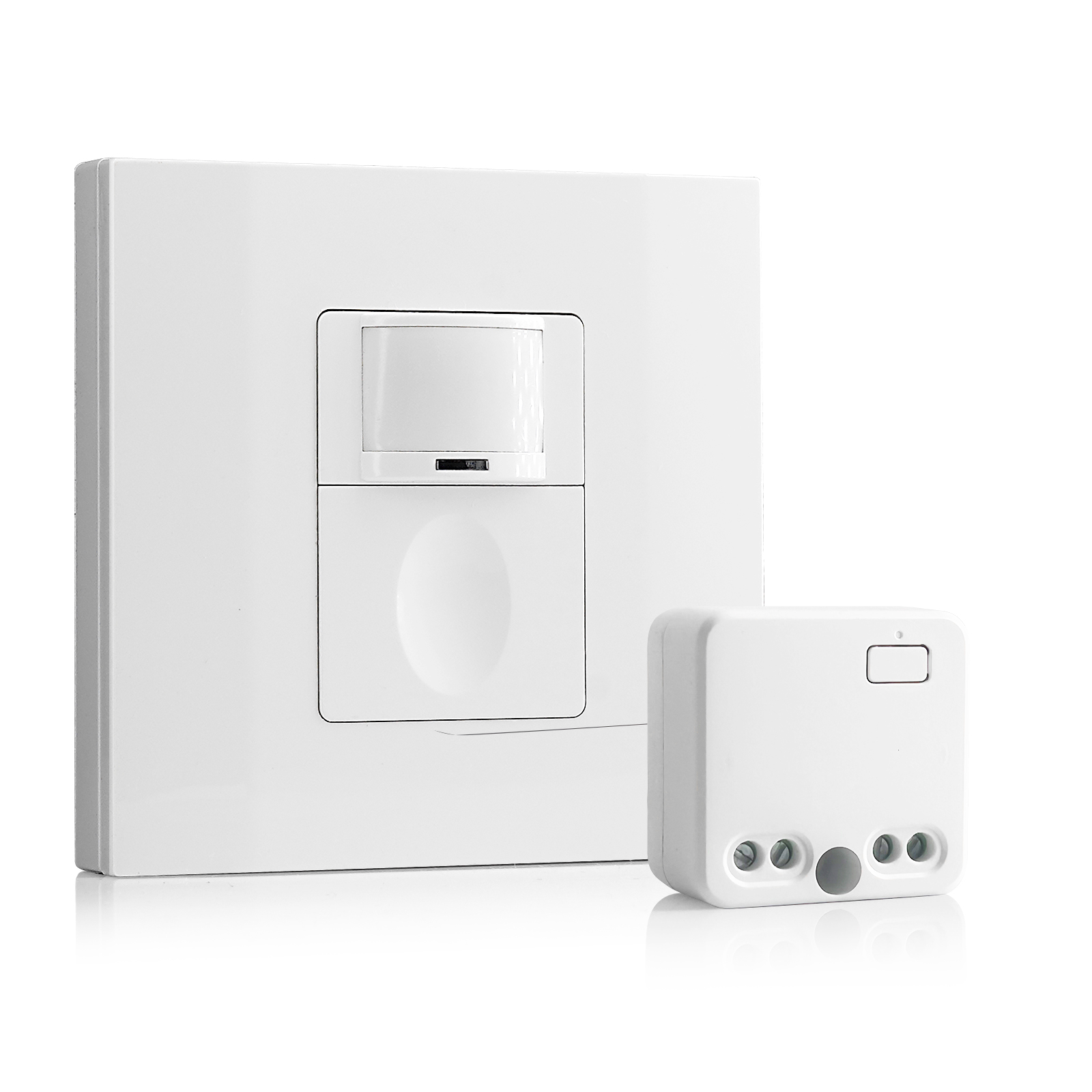
- 100V-230VAC
- مسافة الإرسال: تصل إلى 20m
- حساس حركة لاسلكي
- تحكم سلكي ثابت
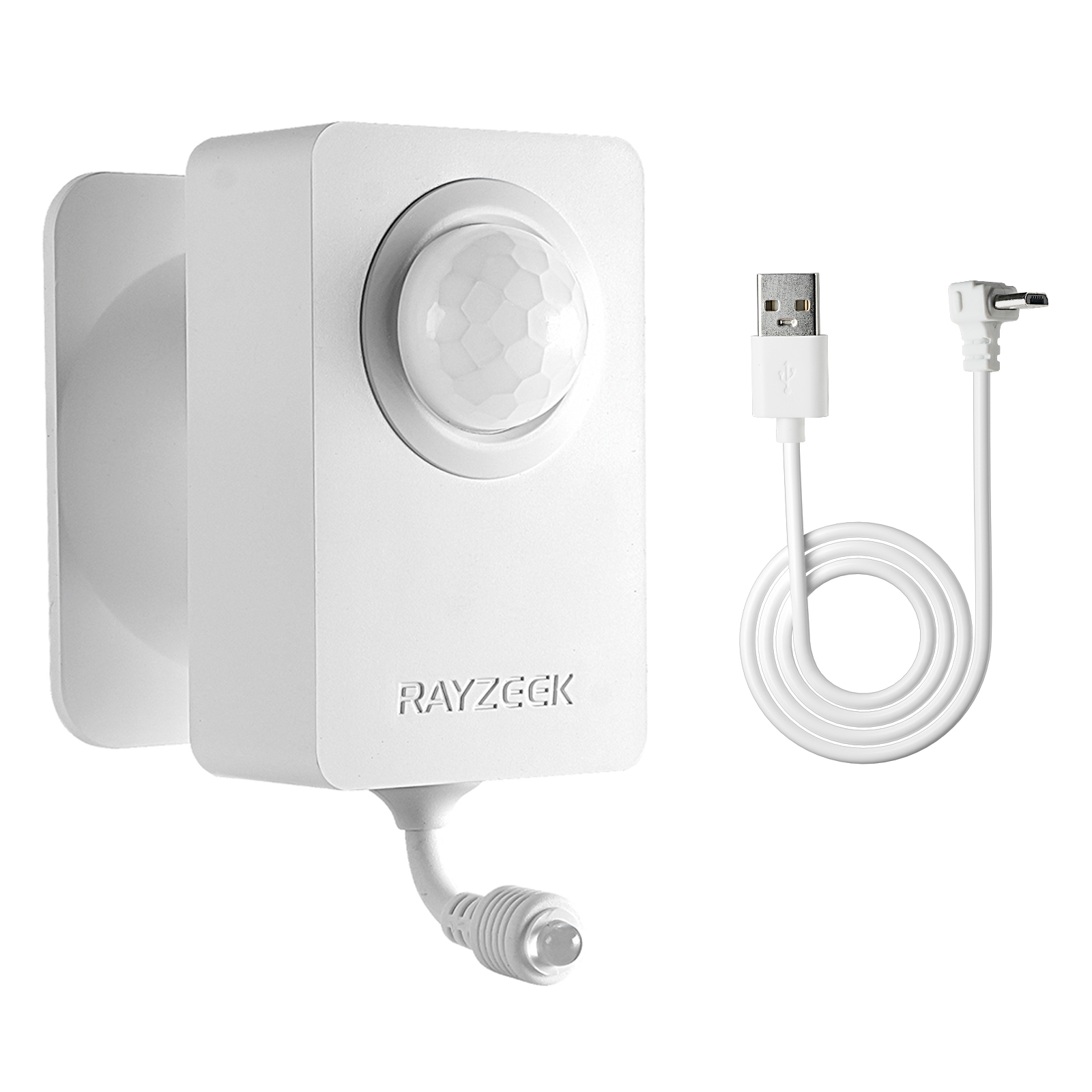
- الجهد الكهربائي: بطاريتان 2x AAA / 5V DC (Micro USB)
- الوضع الليلي/النهاري
- تأخير الوقت: 15min، 30min، 1h (افتراضي)، 2h
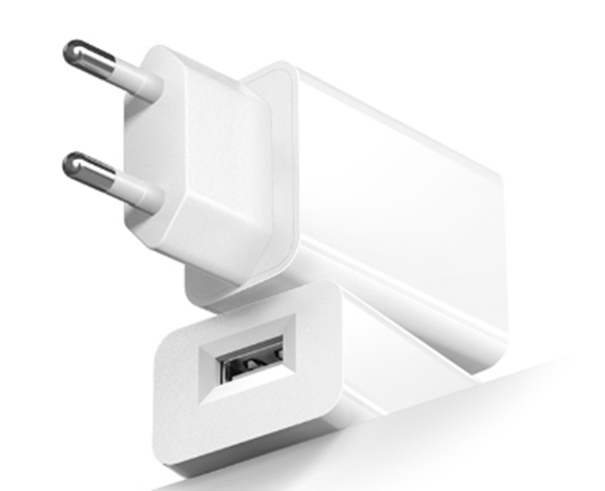
- محول طاقة بمقبس أوروبي
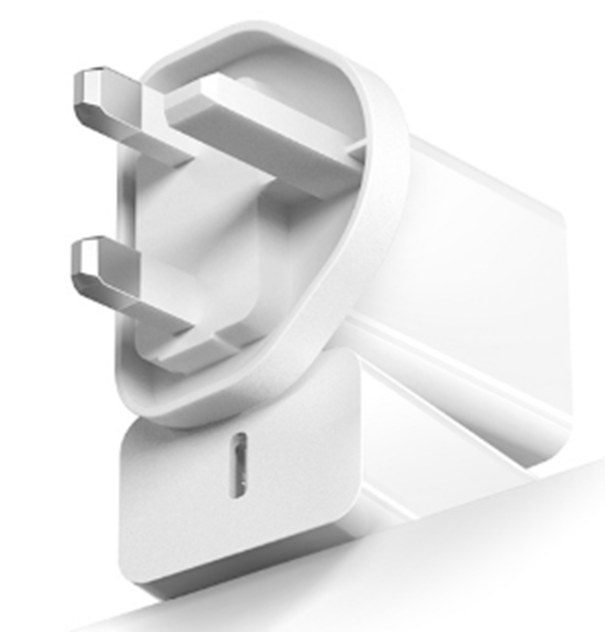
- محول طاقة بمقبس بريطاني
When relocation is impractical, the next best approach is a surgical one. By applying a small, opaque piece of electrical tape or a manufacturer-provided sticker, you can mask the specific segment of the Fresnel lens that sees the HVAC vent. This creates a precise and permanent blind spot. The sensor is now effectively blind to the problematic thermal events from the vent, while the rest of its coverage pattern, perhaps 95% of its intended view, remains at full operational strength. It is an elegant fix that isolates the problem without creating a new one.
Only when these physical interventions are impossible should one turn to electronic adjustments. Lowering a sensor’s sensitivity or increasing its pulse count setting can work. The latter requires the device to see a thermal event cross two detection zones before triggering, making it less reactive to transient plumes. But this path is fraught with compromise. In turning down the sensitivity, you are not performing a surgical fix; you are degrading the performance of the entire device. Every detection zone becomes less effective. While this may solve the HVAC issue, it may also prevent the sensor from detecting a person at the edge of its range or someone making subtle movements at their desk. You risk trading one complaint for another, solving false positives only to create false negatives.
احصل على الإلهام من مجموعات مستشعرات الحركة من Rayzeek.
ألم تجد ما تبحث عنه؟ لا تقلق، فهناك دائماً طرق بديلة لحل مشاكلك. ربما يمكن لإحدى مجموعات منتجاتنا أن تساعدك.
Navigating More Difficult Environments
In some spaces, the interplay between systems is more aggressive, and the standard philosophy requires more advanced tools. For persistently troublesome areas, an upgrade to a dual-technology sensor often becomes the logical next step. These devices pair a PIR sensor with a second technology, typically microwave, and require both to detect an event simultaneously before triggering an alarm. The thermal plume from a vent will trip the PIR, but because it is just air, it is completely invisible to the microwave sensor, which looks for signals bounced off solid, moving objects. The device sees the mismatched signals, correctly identifies the event as environmental noise, and stays quiet.
Yet even this solution can be confounded by the messy reality of older buildings. The powerful drafts from aging HVAC systems can cause hanging signs or even large plants to sway, creating the very motion a microwave sensor is designed to detect. The low-frequency rumble of a massive air handler can introduce vibrations that the microwave component misinterprets as movement. In these uniquely challenging scenarios, the most advanced technology can be a liability. The best solution may be to revert to a high-quality PIR sensor, meticulously placed and surgically masked by a technician who understands the building’s specific quirks.
For the highest security applications, where false alarms carry significant consequences, the principle of dual validation can be taken further. By installing two separate PIR sensors with overlapping fields of view, wired to a panel programmed for “AND-logic,” you create an exceptionally robust system. An alarm is triggered only if both sensors detect an event in the same brief window. The probability of a single thermal plume being large and distinct enough to trigger two separate devices at once is vanishingly small, providing the highest possible immunity to environmental interference. It is a complex solution for a complex problem, reflecting a core truth: managing smart spaces is about understanding systems, not just devices.







