

What is Illumination
Illumination refers to the amount of light that falls on a surface per unit area. It is a measure of the brightness or intensity of the light that illuminates a given space. Illumination is commonly seen in various applications, such as lighting in rooms or task lighting on desks. Illumination is calculated by dividing the luminous flux (the total amount of light emitted by a source) by the area over which the light is spread. It is denoted by the letter ‘E’ and is typically measured in units of lux (lx), lumen per square meter (lm/m²), meter candela (mcd), or foot candela (fcd).
The concept of illumination is influenced by various factors, including the type and intensity of the light source, the distance between the source and the surface, the reflectance properties of the surfaces, and any obstructions or shadows that may affect the distribution of light.
Looking For Motion-Activated Energy-Saving Solutions?
Contact us for complete PIR motion sensors, motion-activated energy-saving products, motion sensor switches, and Occupancy/Vacancy commercial solutions.
In lighting design. Different spaces and activities require different levels of illumination. For example, a workspace may require higher illumination levels to ensure visibility and productivity, while a residential living room may benefit from a softer and more ambient lighting scheme. To achieve the desired illumination levels, lighting designers and engineers employ various techniques and tools. These may include the selection of appropriate light fixtures, the positioning and aiming of the fixtures, the use of reflectors or diffusers to control the light distribution, and the consideration of lighting controls such as dimmers or sensors.
Maybe You Are Interested In

- Väggmonterat PIR-närvarosensor med torrkontaktrelä-utgång
- 12/24VDC eller 12/24VAC lågspänningsförsörjning
- COM, NO och NC isolerade reläkontakter för EMS-, HVAC- och byggstyrningsingångar

- Low-voltage DC recessed ceiling-mounted microwave motion sensor switch
- 12 VDC / 24 VDC ingång med 10-30 VDC intervall
- 10A max arbetsström med justerbar tidsfördröjning, luxtröskel och känslighet
- Higher-load recessed ceiling-mounted microwave motion sensor switch
- 100-265 VAC linjespänningsingång, 10A-modell
- 5,8 GHz mikrovågsrörelse med justerbar tidsfördröjning, luxtröskel och känslighet
- Recessed ceiling-mounted microwave motion sensor switch
- 100-265 VAC linjespänningsingång, 5A-modell
- 5,8 GHz mikrovågsrörelse med justerbar tidsfördröjning, luxtröskel och känslighet
- Väggmonterat RZ037 PIR-närvarosensor-regulator för 220V-ström
- Maximal arbetsström 3A med nominell last 660W
- LUX-knapp styr ljussensor PÅ/AV och användarinställd dimningsnivå
- Väggmonterat RZ037 PIR-närvarosensor-regulator för 110V-ström
- Maximal arbetsström 3A med nominell last 330W
- LUX-knapp styr ljussensor PÅ/AV och användarinställd dimningsnivå

- Lågspännings DC-takmonterad mikrovågsrörelsesensorbrytare
- 12 VDC / 24 VDC ingång med 10-30 VDC intervall
- 10A max arbetsström med justerbar tidsfördröjning, luxtröskel och känslighet
- Takmonterad mikrovågsrörelsesensorbrytare för högre last
- 100-265 VAC linjespänningsingång, 10A-modell
- 5,8 GHz mikrovågsrörelse med justerbar tidsfördröjning, luxtröskel och känslighet
- Takmonterad mikrovågsrörelsesensorbrytare
- 100-265 VAC linjespänningsingång, 5A-modell
- 5,8 GHz mikrovågsrörelse med justerbar tidsfördröjning, luxtröskel och känslighet

- Lågspännings DC nedfallen väggmonterad PIR-rörelsesensorbrytare
- 12 VDC / 24 VDC ingång med 10-30 VDC intervall
- Max arbetsström 10A med justerbar tidsfördröjning, ljuströskel och känslighet

- Infälld takmonterad PIR-rörelsesensorbrytare för högre last
- 100-265 VAC linjespänningsingång, 10A-modell
- 360-graders detektering med justerbar tidsfördröjning, luxtröskel och känslighet
- Infälld takmonterad PIR-rörelsesensorbrytare
- 100-265 VAC linjespänningsingång, 5A-modell
- 360-graders detektering med justerbar tidsfördröjning, luxtröskel och känslighet

- Wireless switch and receiver kit for indoor ON/OFF lighting control
- 100-230VAC, 50/60Hz receiver with 5A rated current
- CR2032-powered wireless switch with 2.4GHz communication
- Occupancy (Auto-ON/Auto-OFF)
- 12–24V DC (10–30VDC), up to 10A
- 360° coverage, 8–12 m diameter
- Time delay 15 s–30 min
- Light sensor Off/15/25/35 Lux
- High/Low sensitivity
- Auto-ON/Auto-OFF occupancy mode
- 100–265V AC, 10A (neutral required)
- 360° coverage; 8–12 m detection diameter
- Time delay 15 s–30 min; Lux OFF/15/25/35; Sensitivity High/Low
- Auto-ON/Auto-OFF occupancy mode
- 100–265V AC, 5A (neutral required)
- 360° coverage; 8–12 m detection diameter
- Time delay 15 s–30 min; Lux OFF/15/25/35; Sensitivity High/Low
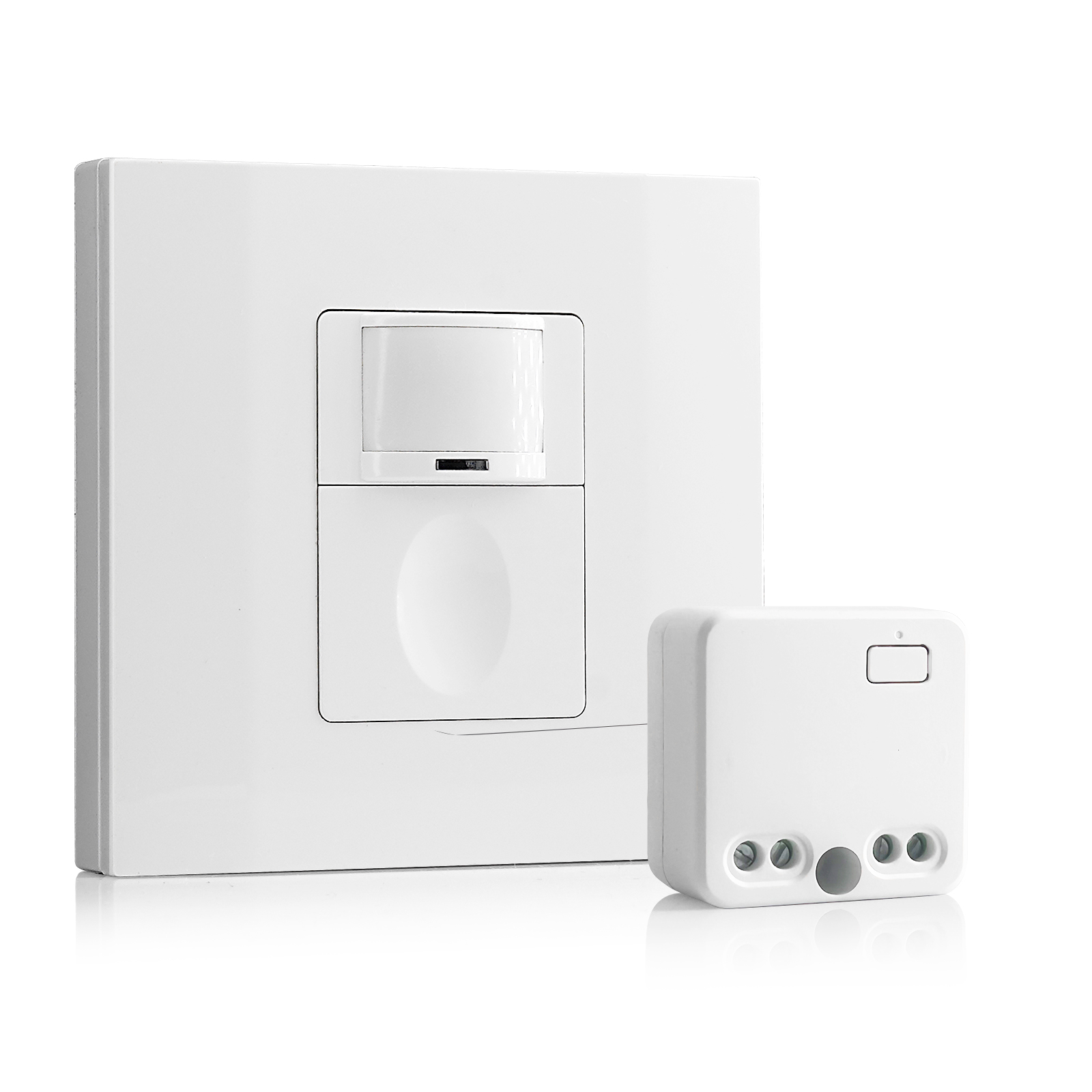
- 100V-230VAC
- Transmission Distance: up to 20m
- Wireless motion sensor
- Hardwired control
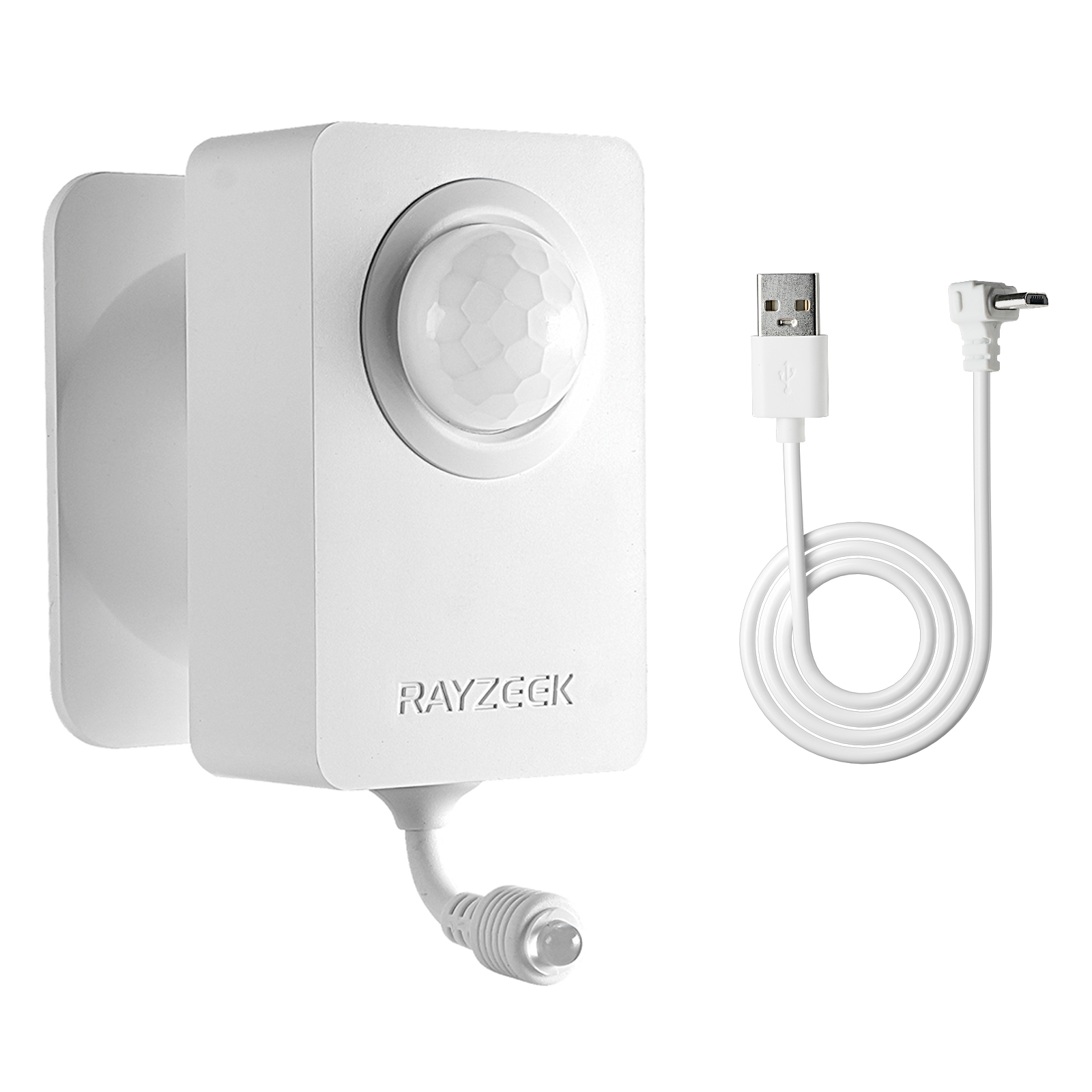
- Voltage: 2x AAA Batteries / 5V DC (Micro USB)
- Day/Night Mode
- Time delay: 15min, 30min, 1h(default), 2h
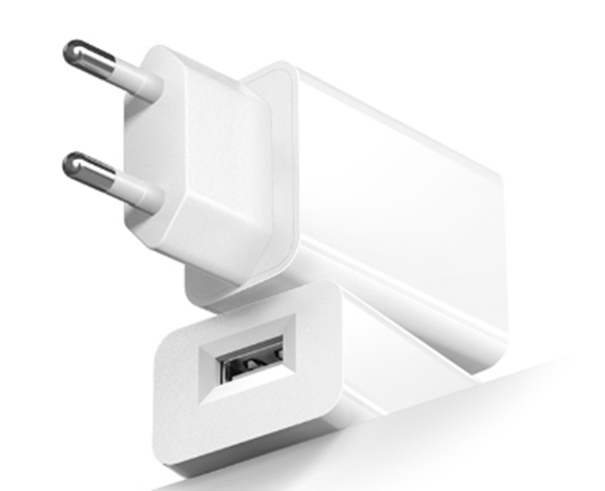
- EU plug power adapter
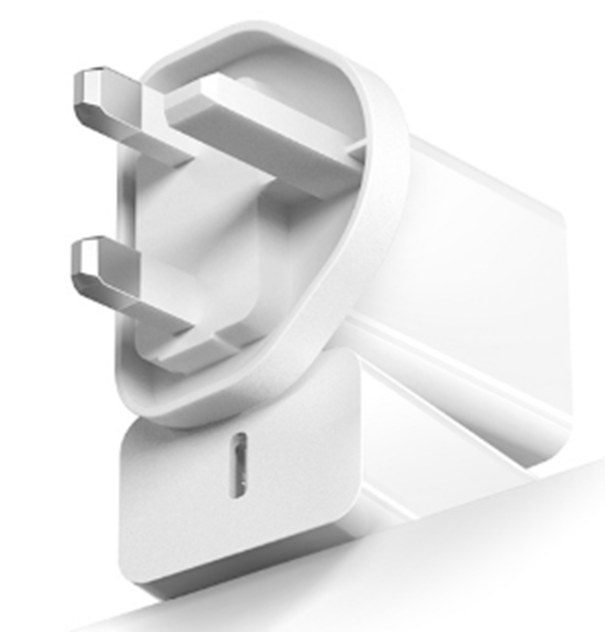
- UK plug power adapter
Frequently Asked Questions
What Is a Good Illumination
A good illumination scheme refers to the lighting setup that does not cause any strain on the eyes of the person using it. It is important to strike a balance between dim and bright lighting, as excessive dimness can hinder proper observation of objects, while excessive brightness can lead to watery eyes and forced opening.
What Is Difference Between Light and Illumination
Illuminance refers to the transmission of natural light, such as through windows or lighting plates. On the other hand, lighting involves the distribution of artificial light, which can come from sources like lamps, floor lamps, or neon lights.







