
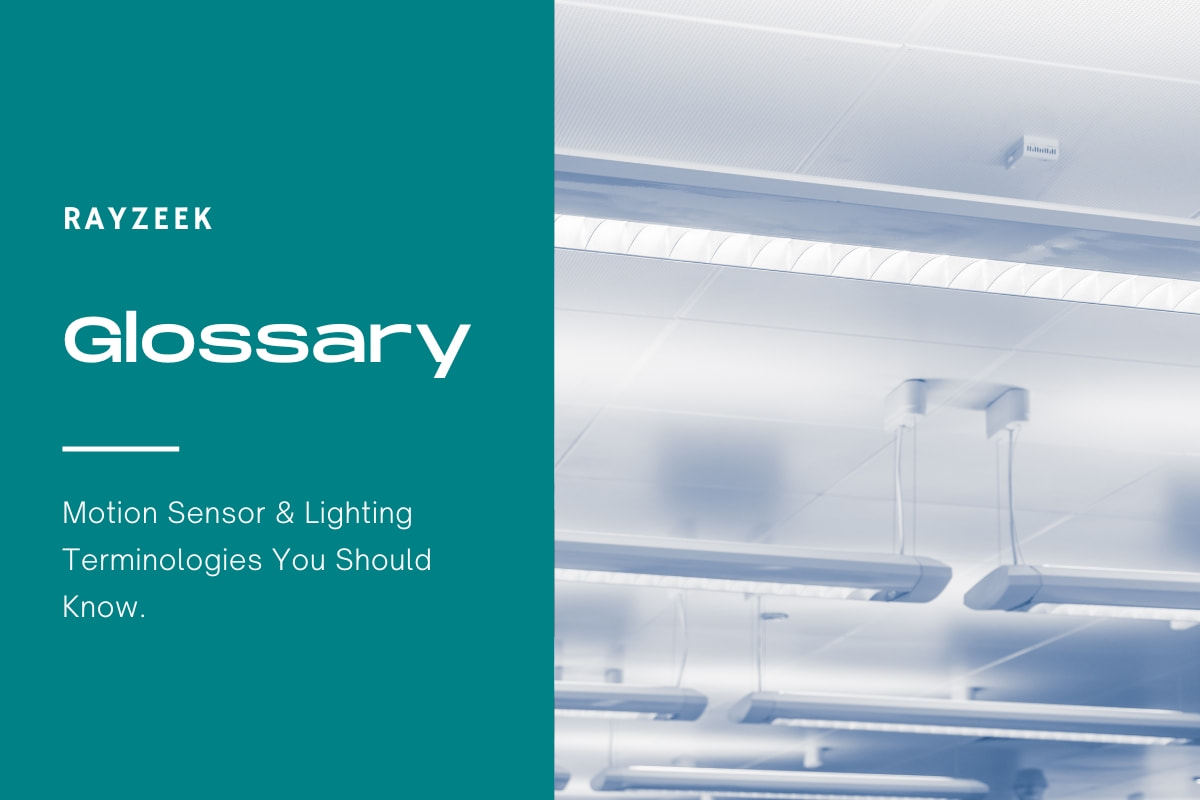
What is Uniformity
Uniformity means the evenness or consistency of light distribution in a given area. It is a measure of how well the lighting illuminates a space without significant variations in brightness levels. Achieving uniformity is crucial for visual performance and comfort. Uniformity is often expressed using the Uniformity (U0) value. This value is calculated by dividing the minimum brightness (Emin) by the average brightness (Eavg) in the bright field. A higher U0 value indicates a higher level of uniformity.
Looking For Motion-Activated Energy-Saving Solutions?
Contact us for complete PIR motion sensors, motion-activated energy-saving products, motion sensor switches, and Occupancy/Vacancy commercial solutions.
Various factors influence the uniformity of lighting, including the type of fixture, the number of fixtures, the light angle, and the mounting position. These factors affect how the light is distributed and can impact the overall uniformity of the lighting. Having a high level of uniformity is desirable in working areas, where a U0 value greater than 0.60 is recommended. This level of uniformity ensures that changes in light levels are not easily perceived by individuals, promoting visual comfort. In road lighting, a minimum average uniformity value of 0.35 or 0.4, depending on the road lighting class, is recommended to avoid creating very bright and very dark spots on the road.
Uniformity of lighting can be affected by the failure of any light source in illuminated areas. This can result in a decrease in the minimum lighting value and, consequently, a decrease in the average uniformity value. Regular maintenance should be conducted to address any issues and maintain the required uniformity value.
Maybe You Are Interested In

- Ceiling-mounted PIR occupancy sensor with dry-contact relay output
- 12/24VDC or 12/24VAC low-voltage supply
- COM, NO, and NC isolated relay contacts for EMS, HVAC, and building control inputs

- Low-voltage DC recessed ceiling-mounted microwave motion sensor switch
- 12 VDC / 24 VDC input with 10-30 VDC range
- 10A max work current with adjustable time delay, Lux threshold, and sensitivity
- Higher-load recessed ceiling-mounted microwave motion sensor switch
- 100-265 VAC line-voltage input, 10A model
- 5.8 GHz microwave sensing with adjustable time delay, Lux threshold, and sensitivity
- Recessed ceiling-mounted microwave motion sensor switch
- 100-265 VAC line-voltage input, 5A model
- 5.8 GHz microwave sensing with adjustable time delay, Lux threshold, and sensitivity
- Ceiling-mounted RZ037 PIR occupancy sensor dimmer for 220V power
- 3A maximum working current with 660W rated load
- LUX button controls light-sensor ON/OFF and user-set dimming brightness
- Ceiling-mounted RZ037 PIR occupancy sensor dimmer for 110V power
- 3A maximum working current with 330W rated load
- LUX button controls light-sensor ON/OFF and user-set dimming brightness

- Low-voltage DC ceiling-mounted microwave motion sensor switch
- 12 VDC / 24 VDC input with 10-30 VDC range
- 10A max work current with adjustable time delay, Lux threshold, and sensitivity
- Higher-load ceiling-mounted microwave motion sensor switch
- 100-265 VAC line-voltage input, 10A model
- 5.8 GHz microwave sensing with adjustable time delay, Lux threshold, and sensitivity
- Ceiling-mounted microwave motion sensor switch
- 100-265 VAC line-voltage input, 5A model
- 5.8 GHz microwave sensing with adjustable time delay, Lux threshold, and sensitivity

- Low-voltage DC recessed ceiling mount PIR motion sensor switch
- 12 VDC / 24 VDC input with 10-30 VDC range
- Max work current 10A with adjustable time delay, Lux threshold, and sensitivity

- Higher-load recessed ceiling mount PIR motion sensor switch
- 100-265 VAC line-voltage input, 10A model
- 360-degree detection with adjustable time delay, Lux threshold, and sensitivity
- Recessed ceiling mount PIR motion sensor switch
- 100-265 VAC line-voltage input, 5A model
- 360-degree detection with adjustable time delay, Lux threshold, and sensitivity

- Wireless switch and receiver kit for indoor ON/OFF lighting control
- 100-230VAC, 50/60Hz receiver with 5A rated current
- CR2032-powered wireless switch with 2.4GHz communication
- Occupancy (Auto-ON/Auto-OFF)
- 12–24V DC (10–30VDC), up to 10A
- 360° coverage, 8–12 m diameter
- Time delay 15 s–30 min
- Light sensor Off/15/25/35 Lux
- High/Low sensitivity
- Auto-ON/Auto-OFF occupancy mode
- 100–265V AC, 10A (neutral required)
- 360° coverage; 8–12 m detection diameter
- Time delay 15 s–30 min; Lux OFF/15/25/35; Sensitivity High/Low
- Auto-ON/Auto-OFF occupancy mode
- 100–265V AC, 5A (neutral required)
- 360° coverage; 8–12 m detection diameter
- Time delay 15 s–30 min; Lux OFF/15/25/35; Sensitivity High/Low
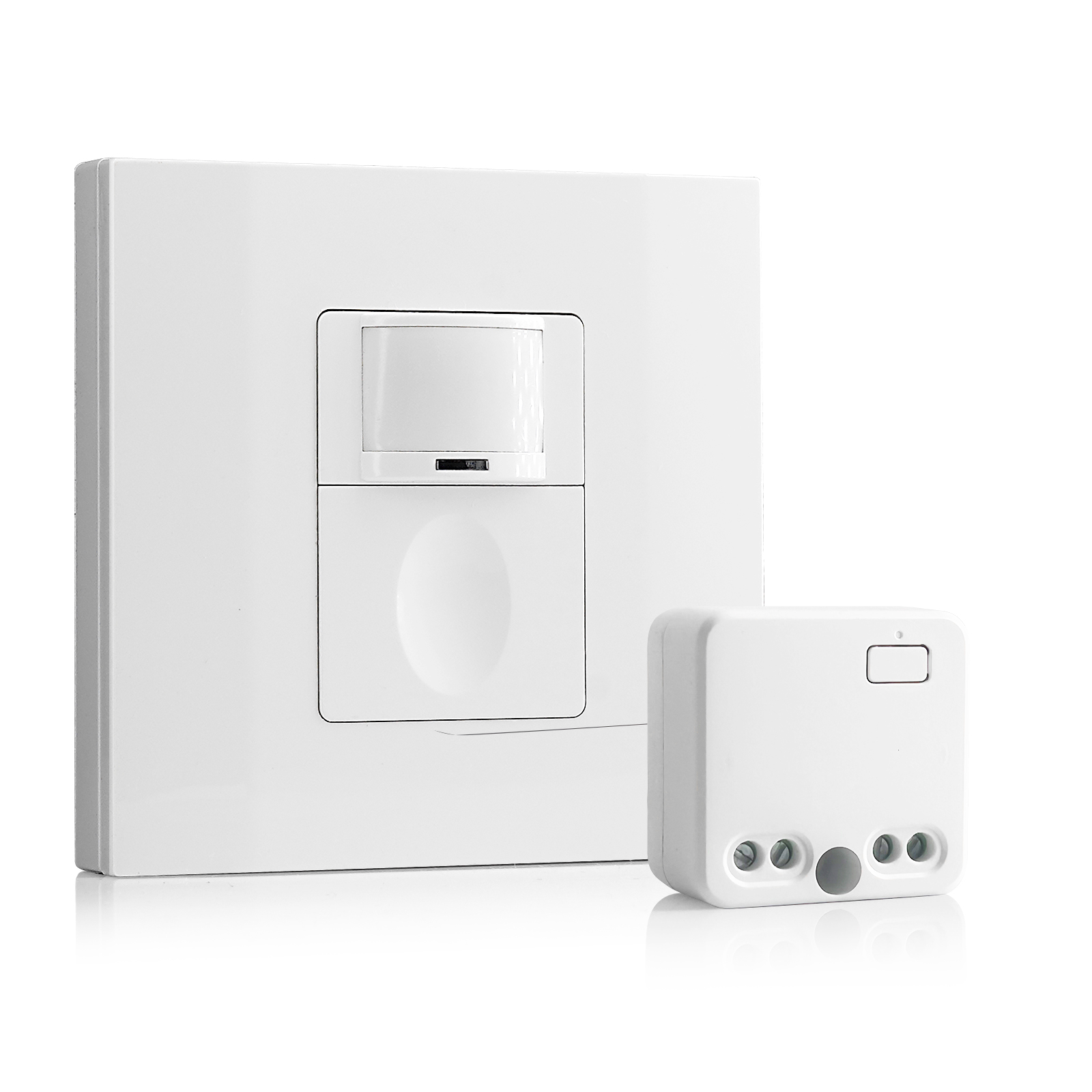
- 100V-230VAC
- Transmission Distance: up to 20m
- Wireless motion sensor
- Hardwired control
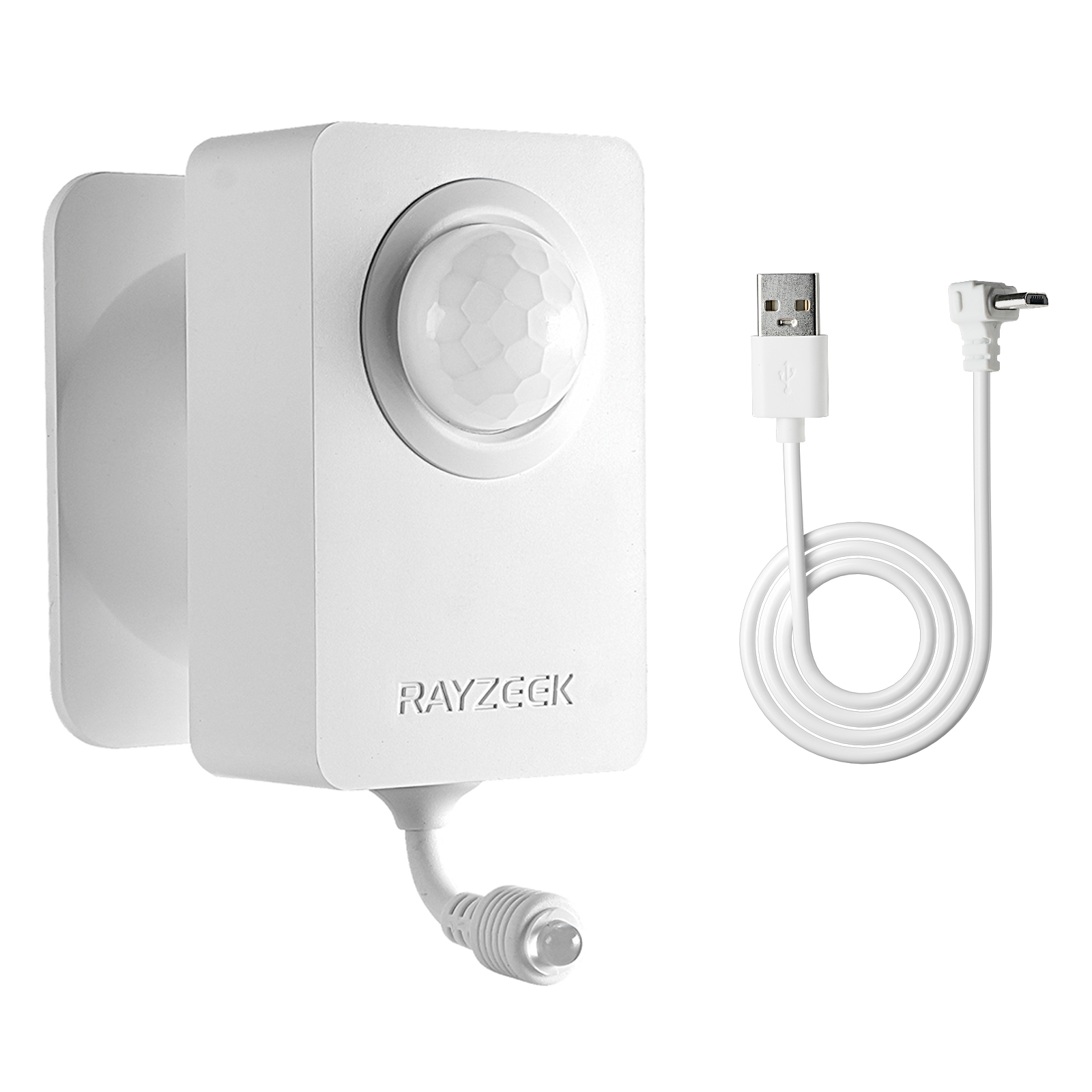
- Voltage: 2x AAA Batteries / 5V DC (Micro USB)
- Day/Night Mode
- Time delay: 15min, 30min, 1h(default), 2h
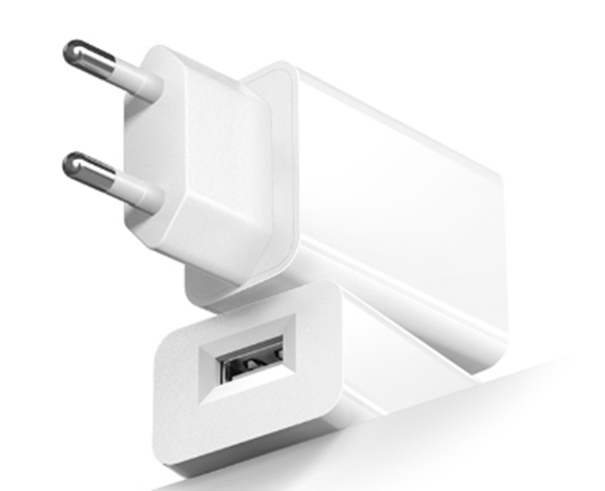
- EU plug power adapter
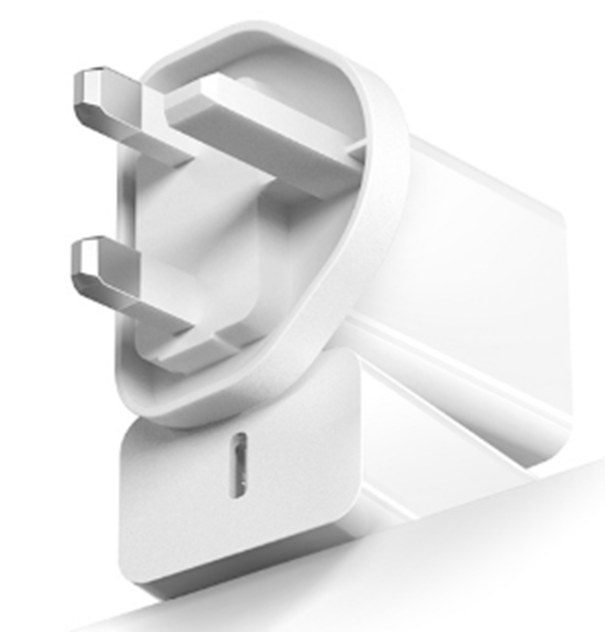
- UK plug power adapter
Frequently Asked Questions
How Do You Increase Illuminance Uniformity
The uniformity of illuminance in space lighting can be improved by making adjustments to the curvature of the lens. Specifically, the curvature should be set to less than 1mm. By fine-tuning the intensity at different angles, the redesigned flat panel light achieves a more even distribution of candela, as depicted in Figure.
What Is the Effect of Contrast and Uniformity in Lighting Design
Too much contrast in lighting design can have negative effects on our ability to perceive fine details and can lead to eye fatigue. On the other hand, uniformity in lighting design refers to the overall space and plays a role in creating a comfortable environment. However, excessive uniformity can result in a lack of visual interest and a bland atmosphere.







