
What is PAR Bulb
A PAR bulb, short for parabolic aluminized reflector bulb, is a type of lamp commonly used in the lighting industry. It is characterized by its parabolic reflector, which helps shape and direct the light output in a specific direction. PAR bulbs are known for their ability to produce a highly intensified and concentrated beam of light, making them ideal for applications where focused and controlled lighting is desired.
Talvez esteja interessado em

- Sensor de ocupação PIR de montagem no teto com saída de relé de contacto seco
- Alimentação de baixa tensão de 12/24VDC ou 12/24VAC
- Contactos de relé isolados COM, NO e NC para entradas de EMS, AVAC e controlo de edifícios

- Interruptor com sensor de movimento micro-ondas de teto embutido de baixa tensão DC
- Entrada de 12 VDC / 24 VDC com intervalo de 10-30 VDC
- Corrente máxima de funcionamento de 10A com temporizador, limite de Lux e sensibilidade ajustáveis
- Interruptor com sensor de movimento micro-ondas de teto embutido para cargas mais elevadas
- Entrada de tensão de linha de 100-265 VAC, modelo de 10A
- Deteção por micro-ondas de 5.8 GHz com temporizador, limite de Lux e sensibilidade ajustáveis
- Interruptor com sensor de movimento micro-ondas de teto embutido
- Entrada de tensão de linha de 100-265 VAC, modelo de 5A
- Deteção por micro-ondas de 5.8 GHz com temporizador, limite de Lux e sensibilidade ajustáveis
- Regulador de intensidade com sensor de ocupação PIR RZ037 de montagem no teto para alimentação de 220V
- Corrente máxima de funcionamento de 3A com carga nominal de 660W
- O botão LUX controla o LIGAR/DESLIGAR do sensor de luz e o brilho de regulação definido pelo utilizador
- Regulador de intensidade com sensor de ocupação PIR RZ037 de montagem no teto para alimentação de 110V
- Corrente máxima de funcionamento de 3A com carga nominal de 330W
- O botão LUX controla o LIGAR/DESLIGAR do sensor de luz e o brilho de regulação definido pelo utilizador

- Interruptor com sensor de movimento micro-ondas de teto DC de baixa tensão
- Entrada de 12 VDC / 24 VDC com intervalo de 10-30 VDC
- Corrente máxima de funcionamento de 10A com temporizador, limite de Lux e sensibilidade ajustáveis
- Interruptor com sensor de movimento micro-ondas de teto para carga mais alta
- Entrada de tensão de linha de 100-265 VAC, modelo de 10A
- Deteção por micro-ondas de 5.8 GHz com temporizador, limite de Lux e sensibilidade ajustáveis
- Interruptor com sensor de movimento micro-ondas de teto
- Entrada de tensão de linha de 100-265 VAC, modelo de 5A
- Deteção por micro-ondas de 5.8 GHz com temporizador, limite de Lux e sensibilidade ajustáveis

- Interruptor com sensor de movimento PIR de encastrar no teto DC de baixa tensão
- Entrada de 12 VDC / 24 VDC com intervalo de 10-30 VDC
- Corrente máxima de funcionamento de 10A com atraso de tempo, limiar de Lux e sensibilidade ajustáveis

- Interruptor com sensor de movimento PIR de encastrar no teto para carga mais alta
- Entrada de tensão de linha de 100-265 VAC, modelo de 10A
- Deteção de 360 graus com atraso de tempo, limiar de Lux e sensibilidade ajustáveis
- Interruptor com sensor de movimento PIR de encastrar no teto
- Entrada de tensão de linha de 100-265 VAC, modelo de 5A
- Deteção de 360 graus com atraso de tempo, limiar de Lux e sensibilidade ajustáveis

- Kit de interruptor sem fios e recetor para controlo de iluminação ligar/desligar (ON/OFF) em espaços interiores
- Recetor de 100-230VAC, 50/60Hz com corrente nominal de 5A
- Interruptor sem fios alimentado por pilha CR2032 com comunicação de 2.4GHz
- Presença (Ligar automático/Desligar automático)
- 12–24V DC (10–30VDC), até 10A
- Cobertura de 360°, 8–12 m de diâmetro
- Atraso de tempo de 15 s–30 min
- Sensor de luz Desligado/15/25/35 Lux
- Sensibilidade Alta/Baixa
- Modo de presença com Ligar automático/Desligar automático
- 100–265V AC, 10A (necessário neutro)
- Cobertura de 360°; diâmetro de deteção de 8–12 m
- Atraso de tempo de 15 s–30 min; Lux DESLIGADO/15/25/35; Sensibilidade Alta/Baixa
- Modo de presença com Ligar automático/Desligar automático
- 100–265V AC, 5A (neutro necessário)
- Cobertura de 360°; diâmetro de deteção de 8–12 m
- Atraso de tempo de 15 s–30 min; Lux DESLIGADO/15/25/35; Sensibilidade Alta/Baixa
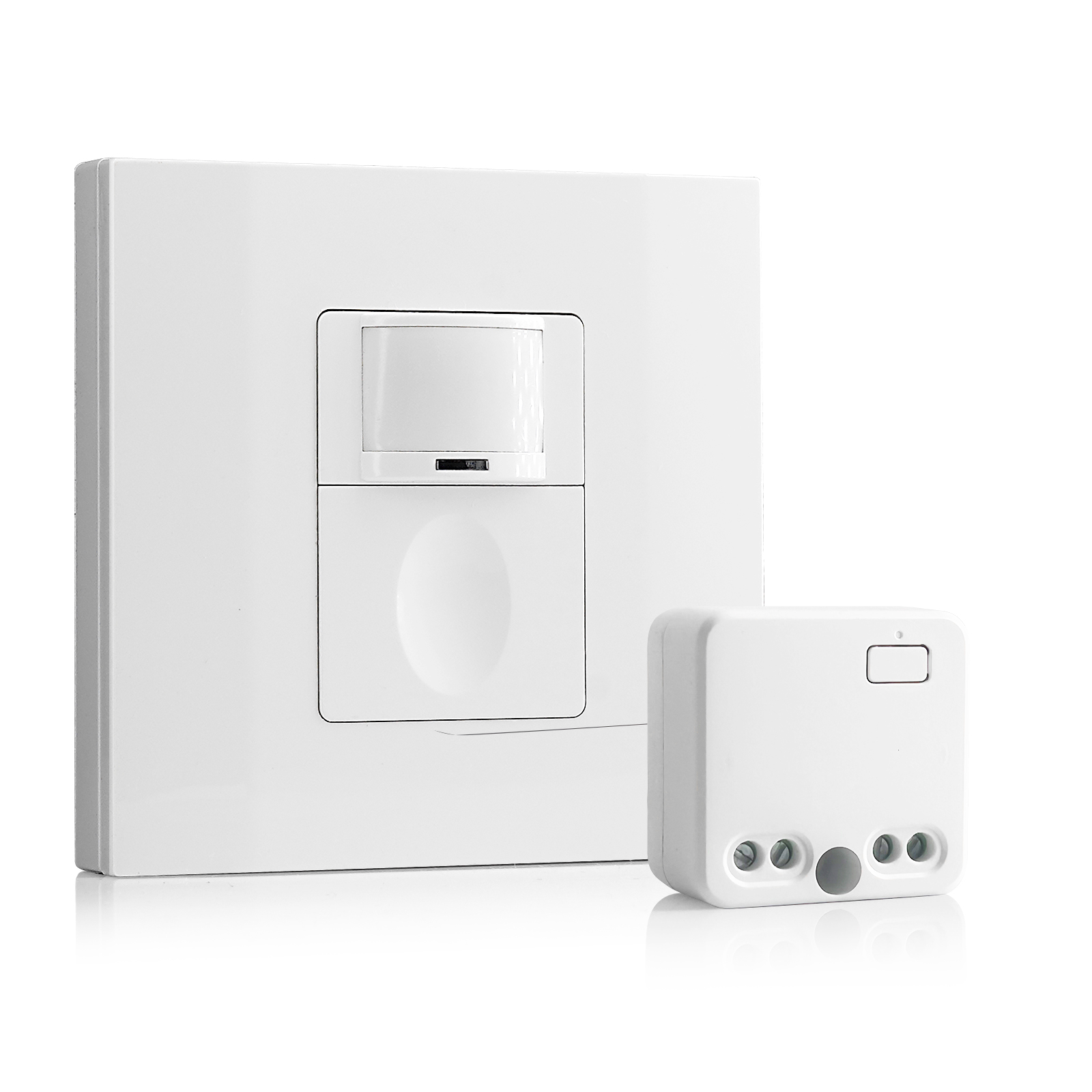
- 100V-230VAC
- Distância de Transmissão: até 20m
- Sensor de movimento sem fios
- Controlo com fios
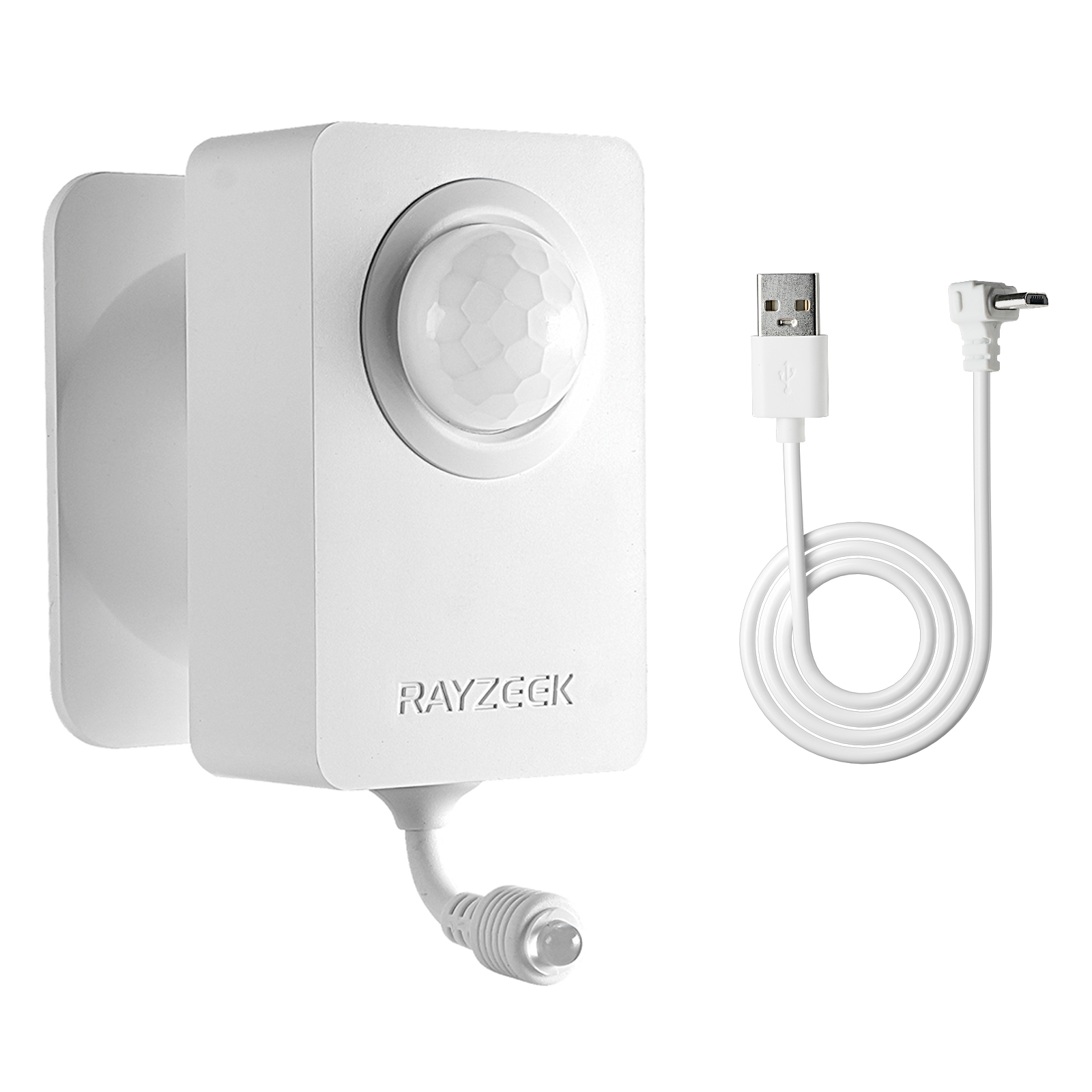
- Tensão: 2x Pilhas AAA / 5V DC (Micro USB)
- Modo Dia/Noite
- Temporização: 15min, 30min, 1h(predefinido), 2h
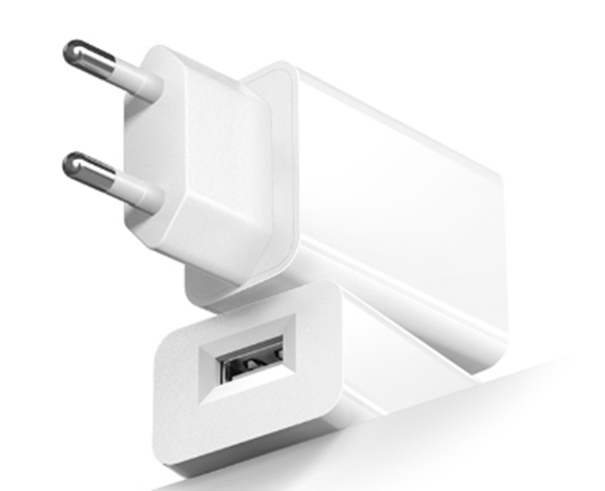
- Adaptador de alimentação com ficha UE
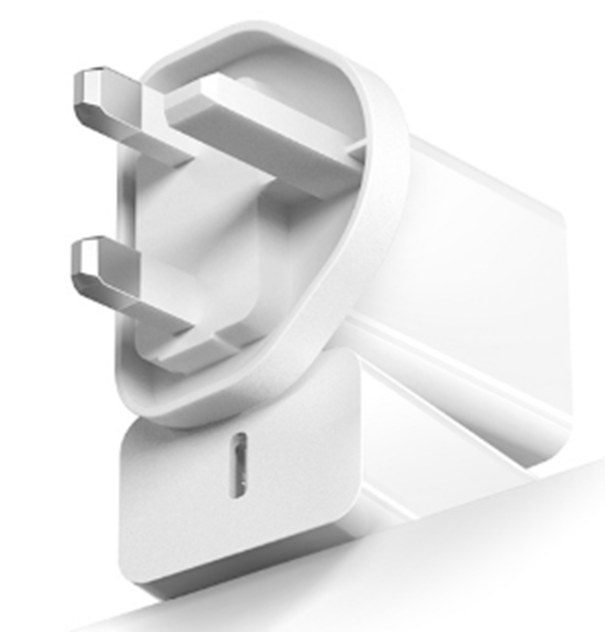
- Adaptador de alimentação com ficha UK
PAR bulbs are available in various sizes, denoted by the PAR designation followed by a numerical value indicating the lamp diameter in eighths of an inch. Common sizes include PAR16, PAR20, PAR30, PAR36, and PAR38. The diameter of the bulb determines the spread and coverage of the light.
These bulbs can utilize different types of light sources, including incandescent, halogen, HID, or LED. LED PAR bulbs have gained popularity due to their energy efficiency, long lifespan, and versatility. They offer the advantage of being dimmable, allowing users to adjust the brightness according to their needs.
PAR bulbs find applications in a wide range of settings, such as track lighting, landscape lighting, stage lighting, and architectural lighting. They are valued for their ability to provide focused illumination, highlighting specific areas or objects. Additionally, PAR bulbs are often used in outdoor flood lighting due to their high light output and durable reflector housing.
Inspire-se nos portfólios de sensores de movimento Rayzeek.
Não encontra o que procura? Não se preocupe. Há sempre formas alternativas de resolver os seus problemas. Talvez um dos nossos portfólios possa ajudar.
Frequently Asked Questions
Is PAR the Same as Lumens
Lumen is a unit of measurement that quantifies the brightness perceived by the human eye from a light source, and it is measured in foot candles or LUX. On the other hand, PAR (photosynthetic active radiation) refers to the light energy measured in quantum photon flux that plants utilize for photosynthesis.
What Is a PAR 64 Light For
Of all the PAR lamps available, the PAR64 tungsten halogen lamp with a wattage of 1000 is commonly used for lighting purposes in the entertainment industry. This particular lamp has a lens diameter of 8 inches and can be found in 4 different beam spreads, ranging from a very narrow spot to a wide flood.
Does Adding More Lights Increase PAR
No, adding more lights will not double the PAR. However, it will increase the PAR value in areas where there is overlap in light.
What Is the Difference Between A19 and BR30
The A19 bulb is more suitable for floor lamps and hanging ceiling fixtures due to its curved shape, which provides dispersed lighting. On the other hand, the BR30 bulb is ideal for recessed fixtures in the kitchen or hallway, as well as track lighting, thanks to its shape and reflective coating that casts direct lighting.
What Is the Difference Between PAR20 and PAR30 and PAR38
A PAR20 lamp has a diameter of 2 ½ inches. On the other hand, a PAR30 lamp has a diameter of 3 ¾ inches. Lastly, a PAR38 lamp has a diameter of 4 ¾ inches. These PAR lamps commonly use the E26/E27 medium screw base.
What Is the Difference Between PAR and R Bulbs
PAR LED Light Bulbs differ from R type bulbs in that they feature a specially designed aluminum reflector that focuses and intensifies light in a single direction. These bulbs are equipped with two covers, one made of reflective aluminum and the other being a glass envelope. The additional thickness of these covers contributes to their heavier weight compared to R bulbs.
What Are PAR Lights Used For
PAR lights, also known as PAR lamps, are directional lights commonly used in can lights or spotlights. They were originally designed for use as headlights in road vehicles. The earlier versions of PAR lamps used incandescent and halogen sealed beams.
Can I Use PAR30 Instead of PAR20
PAR30 bulbs are a great choice for track lighting fixtures and recessed can applications. They are particularly suitable for these types of lighting setups.
Can I Use A19 Instead of PAR38
Both the A19 and PAR38 bulbs have a similar appearance to any other standard A19 or PAR38 bulb. This is essential because they need to be compatible with standard fixtures. In general, the A19 bulb is suitable for most fixtures, while the PAR38 bulb is more commonly used in high-hats and other specific fixtures.
How Many Lumens Is a PAR30
This PAR30 LED bulb uses only 11 watts of power and produces a bright light output of 850 lumens. It is a suitable replacement for a 75-watt flood light bulb.







