
What is LM-80
LM-80 is a standardized method that evaluates the lumen depreciation of solid-state light sources, specifically LED packages, modules, and arrays. Developed by the Illuminating Engineering Society of North America (IESNA), LM-80 provides a consistent methodology for assessing and comparing the lumen maintenance of LED components from different manufacturers.
Talvez esteja interessado em

- Sensor de ocupação PIR de montagem no teto com saída de relé de contacto seco
- Alimentação de baixa tensão de 12/24VDC ou 12/24VAC
- Contactos de relé isolados COM, NO e NC para entradas de EMS, AVAC e controlo de edifícios

- Interruptor com sensor de movimento micro-ondas de teto embutido de baixa tensão DC
- Entrada de 12 VDC / 24 VDC com intervalo de 10-30 VDC
- Corrente máxima de funcionamento de 10A com temporizador, limite de Lux e sensibilidade ajustáveis
- Interruptor com sensor de movimento micro-ondas de teto embutido para cargas mais elevadas
- Entrada de tensão de linha de 100-265 VAC, modelo de 10A
- Deteção por micro-ondas de 5.8 GHz com temporizador, limite de Lux e sensibilidade ajustáveis
- Interruptor com sensor de movimento micro-ondas de teto embutido
- Entrada de tensão de linha de 100-265 VAC, modelo de 5A
- Deteção por micro-ondas de 5.8 GHz com temporizador, limite de Lux e sensibilidade ajustáveis
- Regulador de intensidade com sensor de ocupação PIR RZ037 de montagem no teto para alimentação de 220V
- Corrente máxima de funcionamento de 3A com carga nominal de 660W
- O botão LUX controla o LIGAR/DESLIGAR do sensor de luz e o brilho de regulação definido pelo utilizador
- Regulador de intensidade com sensor de ocupação PIR RZ037 de montagem no teto para alimentação de 110V
- Corrente máxima de funcionamento de 3A com carga nominal de 330W
- O botão LUX controla o LIGAR/DESLIGAR do sensor de luz e o brilho de regulação definido pelo utilizador

- Interruptor com sensor de movimento micro-ondas de teto DC de baixa tensão
- Entrada de 12 VDC / 24 VDC com intervalo de 10-30 VDC
- Corrente máxima de funcionamento de 10A com temporizador, limite de Lux e sensibilidade ajustáveis
- Interruptor com sensor de movimento micro-ondas de teto para carga mais alta
- Entrada de tensão de linha de 100-265 VAC, modelo de 10A
- Deteção por micro-ondas de 5.8 GHz com temporizador, limite de Lux e sensibilidade ajustáveis
- Interruptor com sensor de movimento micro-ondas de teto
- Entrada de tensão de linha de 100-265 VAC, modelo de 5A
- Deteção por micro-ondas de 5.8 GHz com temporizador, limite de Lux e sensibilidade ajustáveis

- Interruptor com sensor de movimento PIR de encastrar no teto DC de baixa tensão
- Entrada de 12 VDC / 24 VDC com intervalo de 10-30 VDC
- Corrente máxima de funcionamento de 10A com atraso de tempo, limiar de Lux e sensibilidade ajustáveis

- Interruptor com sensor de movimento PIR de encastrar no teto para carga mais alta
- Entrada de tensão de linha de 100-265 VAC, modelo de 10A
- Deteção de 360 graus com atraso de tempo, limiar de Lux e sensibilidade ajustáveis
- Interruptor com sensor de movimento PIR de encastrar no teto
- Entrada de tensão de linha de 100-265 VAC, modelo de 5A
- Deteção de 360 graus com atraso de tempo, limiar de Lux e sensibilidade ajustáveis

- Kit de interruptor sem fios e recetor para controlo de iluminação ligar/desligar (ON/OFF) em espaços interiores
- Recetor de 100-230VAC, 50/60Hz com corrente nominal de 5A
- Interruptor sem fios alimentado por pilha CR2032 com comunicação de 2.4GHz
- Presença (Ligar automático/Desligar automático)
- 12–24V DC (10–30VDC), até 10A
- Cobertura de 360°, 8–12 m de diâmetro
- Atraso de tempo de 15 s–30 min
- Sensor de luz Desligado/15/25/35 Lux
- Sensibilidade Alta/Baixa
- Modo de presença com Ligar automático/Desligar automático
- 100–265V AC, 10A (necessário neutro)
- Cobertura de 360°; diâmetro de deteção de 8–12 m
- Atraso de tempo de 15 s–30 min; Lux DESLIGADO/15/25/35; Sensibilidade Alta/Baixa
- Modo de presença com Ligar automático/Desligar automático
- 100–265V AC, 5A (neutro necessário)
- Cobertura de 360°; diâmetro de deteção de 8–12 m
- Atraso de tempo de 15 s–30 min; Lux DESLIGADO/15/25/35; Sensibilidade Alta/Baixa
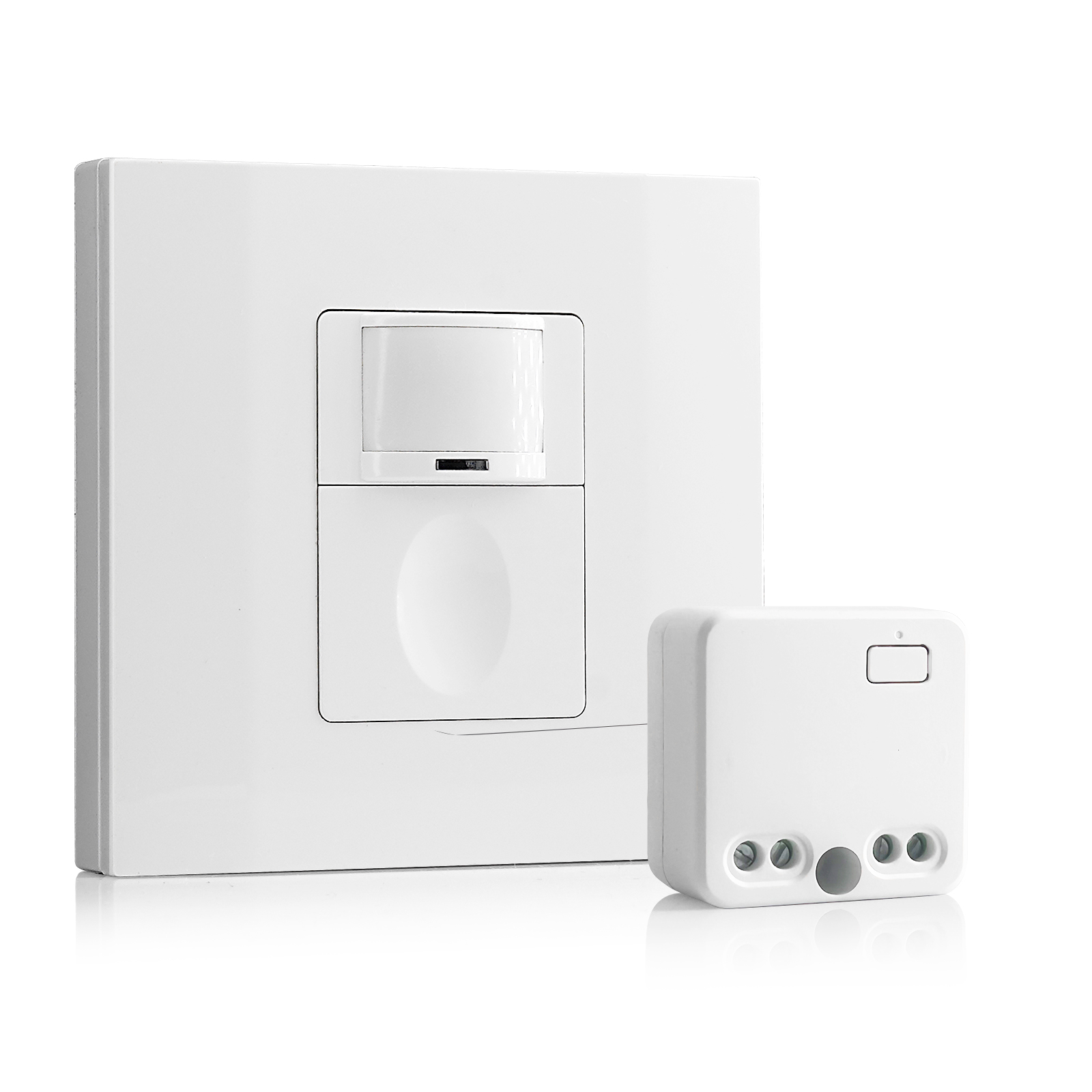
- 100V-230VAC
- Distância de Transmissão: até 20m
- Sensor de movimento sem fios
- Controlo com fios
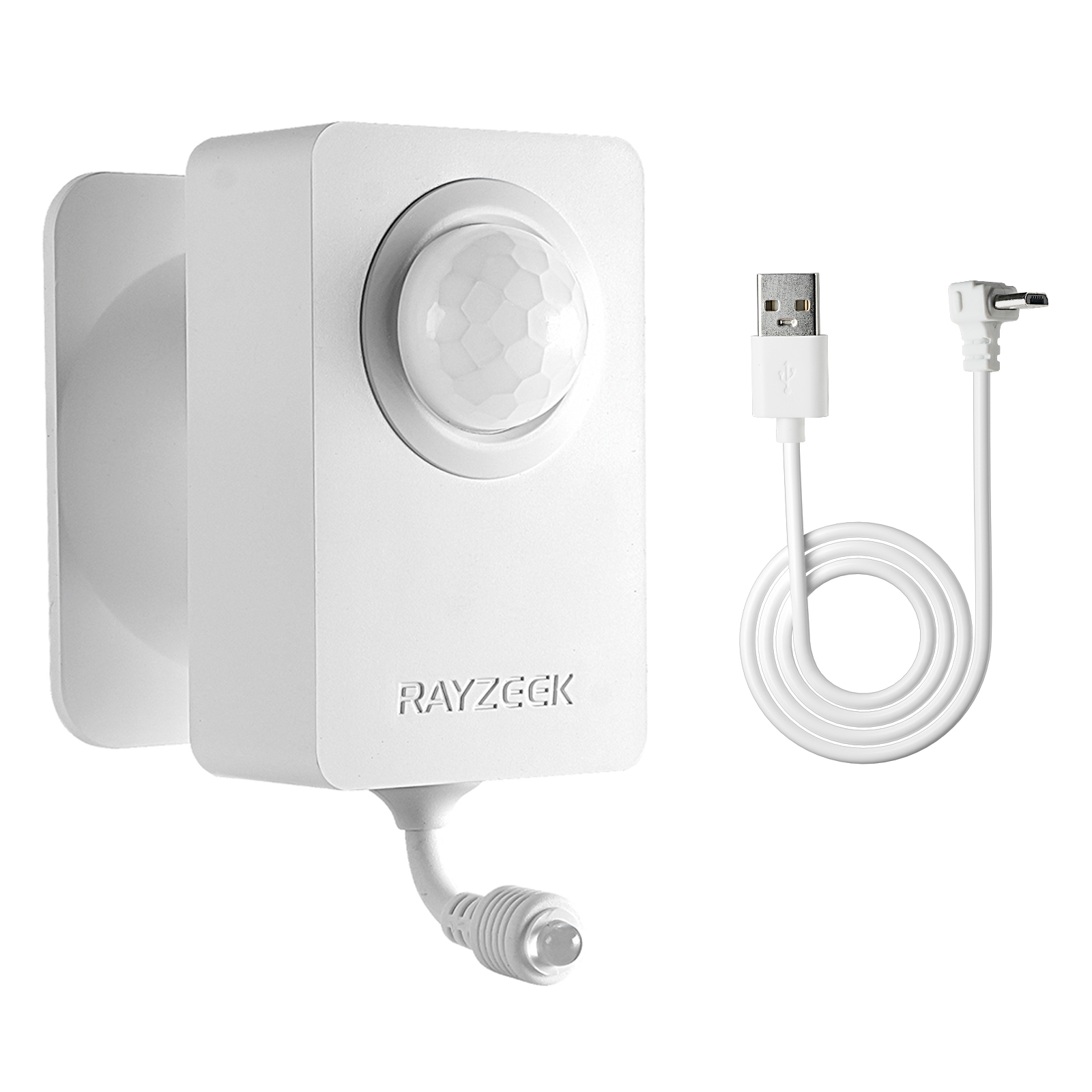
- Tensão: 2x Pilhas AAA / 5V DC (Micro USB)
- Modo Dia/Noite
- Temporização: 15min, 30min, 1h(predefinido), 2h
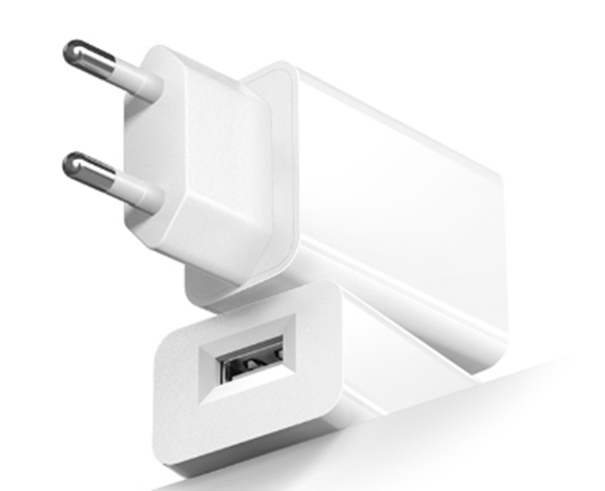
- Adaptador de alimentação com ficha UE
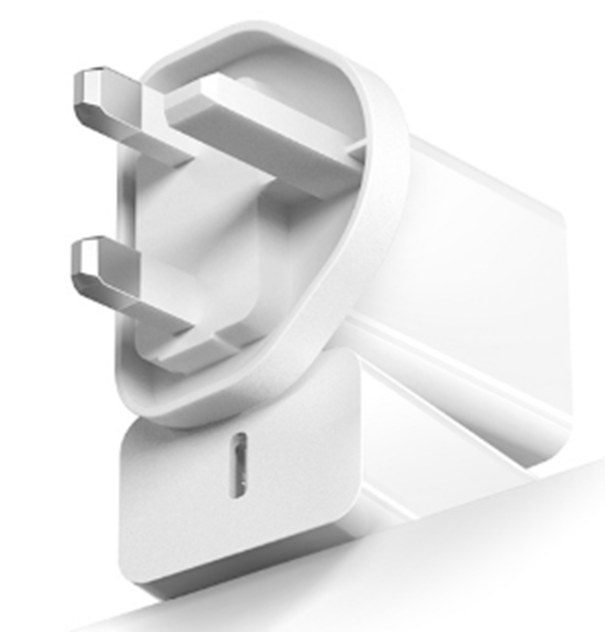
- Adaptador de alimentação com ficha UK
The LM-80 test involves subjecting LED components to a specific testing procedure to measure their lumen maintenance over time. Typically, the test lasts for a minimum of 6,000 hours, although it can be extended to 10,000 hours. During the test, the LED components are evaluated for both lumen depreciation and chromaticity shift at specific operating temperatures, including 55 degrees Celsius, 85 degrees Celsius, and a third temperature determined by the manufacturer.
The purpose of LM-80 is to provide customers with reliable and comparable data on the lumen maintenance of LED components. By following a standardized testing procedure, LM-80 enables customers to make informed decisions when selecting LED products from different manufacturers. This ensures that the chosen LED components will maintain their lumen output over an extended period, delivering consistent and reliable lighting performance.
Procura Soluções de Poupança de Energia Ativadas por Movimento?
Contacte-nos para sensores de movimento PIR completos, produtos de poupança de energia ativados por movimento, interruptores com sensor de movimento e soluções comerciais de Ocupação/Ausência.
Frequently Asked Questions
What Lumen Is the Sun
For stars like our sun, which have a black body temperature of 5778 K, the lumen output is 93 for every watt of energy emitted. Therefore, at the distance of Earth’s orbit, the sun produces an impressive 127,000 lumens per square meter. This level of brightness is truly remarkable.
How Many Lumens Are in a Car Headlight
However, there are three different options available for car headlights, each with varying levels of brightness measured in lumens. Halogen headlights typically range from 700 to 1,200 lumens. High-intensity discharge (HID) headlights have a brightness range of 3,000 to 5,500 lumens. LED headlights, on the other hand, offer a brightness range of 3,000 to 6,000 lumens.
What Is the Best Lumens for Natural Light
2,000 to 4,000 lumens is the recommended range for natural light, however, by using a dimmer, you have the flexibility to adjust the brightness according to the time of day or specific task at hand.
How Do I Choose the Brightest LED
The brightness of an LED can be determined by its lumen output. The higher the number of lumens, the greater the amount of light emitted by the bulb. To ensure both brightness and energy efficiency, it is recommended to choose an LED bulb with the highest lumen output and the lowest watt usage.
How Bright Is 6000 Lumens LED
Using only 60 Watts of energy, this LED adjustable bulb emits an impressive 6000 Lumens at a color temperature of 6500K! It is important to note that this bulb provides the same level of brightness as a 350W incandescent bulb, while saving up to 80% of energy. Please keep in mind that this product is not dimmable.
How Many Lumens Is Considered Very Bright
80 lumens is typically considered bright enough for most walkways, including commercial properties. When it comes to garden lights used for accent lighting, a generally sufficient amount is around 50 lumens. This level of brightness can help enhance safety, add dimension, bring in color, and create visual interest in your yard.







