
What is Ambient Light
Ambient is a term used in the lighting industry to describe the primary light source in a room that provides overall illumination. It is also known as general lighting and is intended to create a uniform light level throughout a space, independent of any special lighting that may be needed in targeted areas of a room. Ambient lighting takes many forms, including ceiling-mounted or recessed fixtures that direct light downwards, wall sconces or floor-lamp torchieres that wash the walls with light, cove, soffit, and valance lighting that bounces light off ceilings and walls.
Ambient lighting is distinct from other types of artificial light like task and accent lighting, which are more localized forms of light. The goal of ambient lighting is to provide an overall level of illumination that is comfortable and functional for the entire room. Different sources of ambient lighting can be utilized to achieve the right lighting level for different times of day, and natural light from windows can also be an important source of ambient lighting.
Procura Soluções de Poupança de Energia Ativadas por Movimento?
Contacte-nos para sensores de movimento PIR completos, produtos de poupança de energia ativados por movimento, interruptores com sensor de movimento e soluções comerciais de Ocupação/Ausência.
Ambient lighting is an essential component of interior design that helps to create a layered look and give a room depth and interest. It is a foundational lighting source that is indirect rather than focused, and it can come from larger light sources like chandeliers or flush-mount fixtures on the ceiling, as well as smaller light sources like table lamps, floor lamps, wall sconces, and recessed lights. By providing a comfortable and functional level of illumination, ambient lighting sets the stage for other lighting sources to create the desired effect and ambiance in a space.
Talvez esteja interessado em

- Sensor de ocupação PIR de montagem no teto com saída de relé de contacto seco
- Alimentação de baixa tensão de 12/24VDC ou 12/24VAC
- Contactos de relé isolados COM, NO e NC para entradas de EMS, AVAC e controlo de edifícios

- Interruptor com sensor de movimento micro-ondas de teto embutido de baixa tensão DC
- Entrada de 12 VDC / 24 VDC com intervalo de 10-30 VDC
- Corrente máxima de funcionamento de 10A com temporizador, limite de Lux e sensibilidade ajustáveis
- Interruptor com sensor de movimento micro-ondas de teto embutido para cargas mais elevadas
- Entrada de tensão de linha de 100-265 VAC, modelo de 10A
- Deteção por micro-ondas de 5.8 GHz com temporizador, limite de Lux e sensibilidade ajustáveis
- Interruptor com sensor de movimento micro-ondas de teto embutido
- Entrada de tensão de linha de 100-265 VAC, modelo de 5A
- Deteção por micro-ondas de 5.8 GHz com temporizador, limite de Lux e sensibilidade ajustáveis
- Regulador de intensidade com sensor de ocupação PIR RZ037 de montagem no teto para alimentação de 220V
- Corrente máxima de funcionamento de 3A com carga nominal de 660W
- O botão LUX controla o LIGAR/DESLIGAR do sensor de luz e o brilho de regulação definido pelo utilizador
- Regulador de intensidade com sensor de ocupação PIR RZ037 de montagem no teto para alimentação de 110V
- Corrente máxima de funcionamento de 3A com carga nominal de 330W
- O botão LUX controla o LIGAR/DESLIGAR do sensor de luz e o brilho de regulação definido pelo utilizador

- Interruptor com sensor de movimento micro-ondas de teto DC de baixa tensão
- Entrada de 12 VDC / 24 VDC com intervalo de 10-30 VDC
- Corrente máxima de funcionamento de 10A com temporizador, limite de Lux e sensibilidade ajustáveis
- Interruptor com sensor de movimento micro-ondas de teto para carga mais alta
- Entrada de tensão de linha de 100-265 VAC, modelo de 10A
- Deteção por micro-ondas de 5.8 GHz com temporizador, limite de Lux e sensibilidade ajustáveis
- Interruptor com sensor de movimento micro-ondas de teto
- Entrada de tensão de linha de 100-265 VAC, modelo de 5A
- Deteção por micro-ondas de 5.8 GHz com temporizador, limite de Lux e sensibilidade ajustáveis

- Interruptor com sensor de movimento PIR de encastrar no teto DC de baixa tensão
- Entrada de 12 VDC / 24 VDC com intervalo de 10-30 VDC
- Corrente máxima de funcionamento de 10A com atraso de tempo, limiar de Lux e sensibilidade ajustáveis

- Interruptor com sensor de movimento PIR de encastrar no teto para carga mais alta
- Entrada de tensão de linha de 100-265 VAC, modelo de 10A
- Deteção de 360 graus com atraso de tempo, limiar de Lux e sensibilidade ajustáveis
- Interruptor com sensor de movimento PIR de encastrar no teto
- Entrada de tensão de linha de 100-265 VAC, modelo de 5A
- Deteção de 360 graus com atraso de tempo, limiar de Lux e sensibilidade ajustáveis

- Kit de interruptor sem fios e recetor para controlo de iluminação ligar/desligar (ON/OFF) em espaços interiores
- Recetor de 100-230VAC, 50/60Hz com corrente nominal de 5A
- Interruptor sem fios alimentado por pilha CR2032 com comunicação de 2.4GHz
- Presença (Ligar automático/Desligar automático)
- 12–24V DC (10–30VDC), até 10A
- Cobertura de 360°, 8–12 m de diâmetro
- Atraso de tempo de 15 s–30 min
- Sensor de luz Desligado/15/25/35 Lux
- Sensibilidade Alta/Baixa
- Modo de presença com Ligar automático/Desligar automático
- 100–265V AC, 10A (necessário neutro)
- Cobertura de 360°; diâmetro de deteção de 8–12 m
- Atraso de tempo de 15 s–30 min; Lux DESLIGADO/15/25/35; Sensibilidade Alta/Baixa
- Modo de presença com Ligar automático/Desligar automático
- 100–265V AC, 5A (neutro necessário)
- Cobertura de 360°; diâmetro de deteção de 8–12 m
- Atraso de tempo de 15 s–30 min; Lux DESLIGADO/15/25/35; Sensibilidade Alta/Baixa
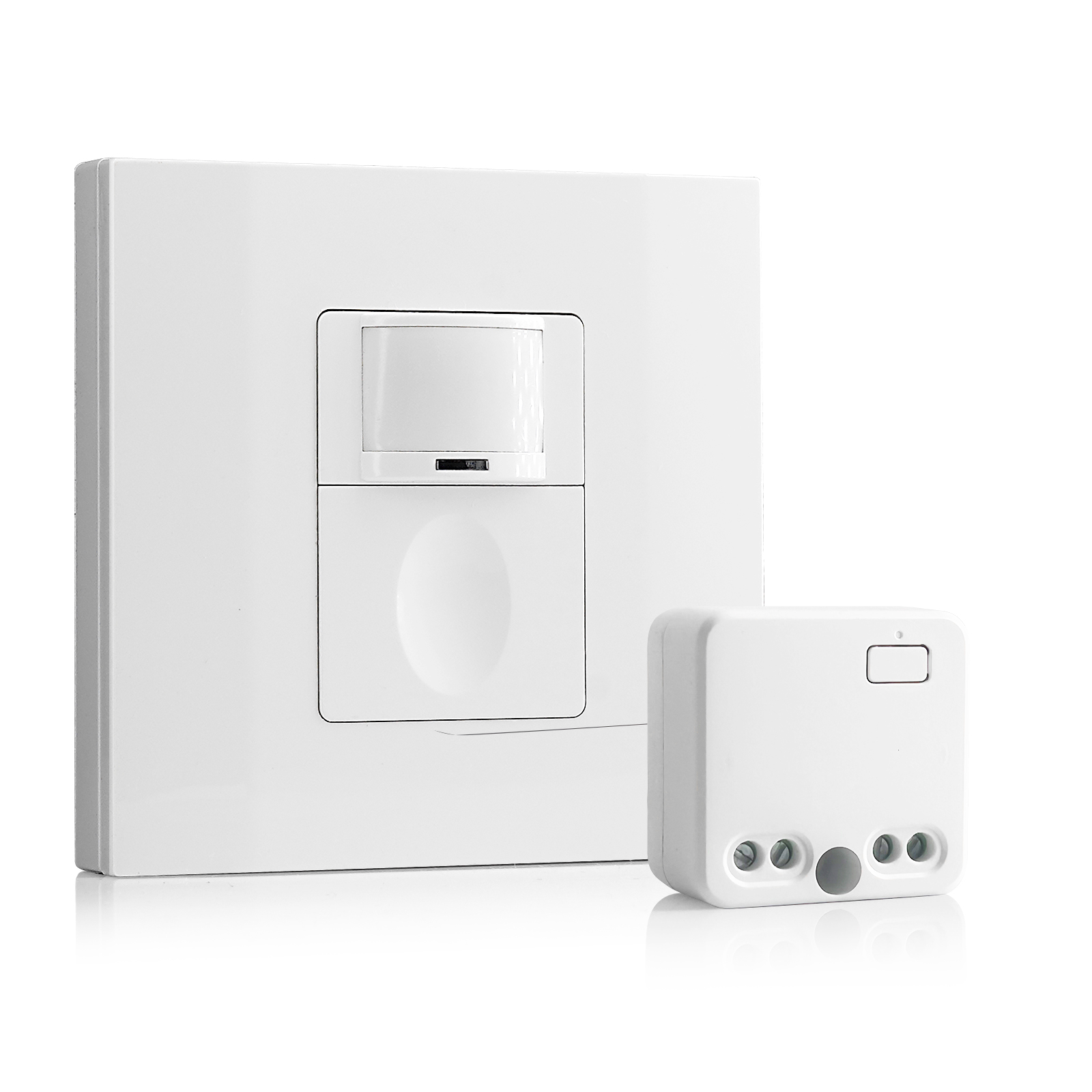
- 100V-230VAC
- Distância de Transmissão: até 20m
- Sensor de movimento sem fios
- Controlo com fios
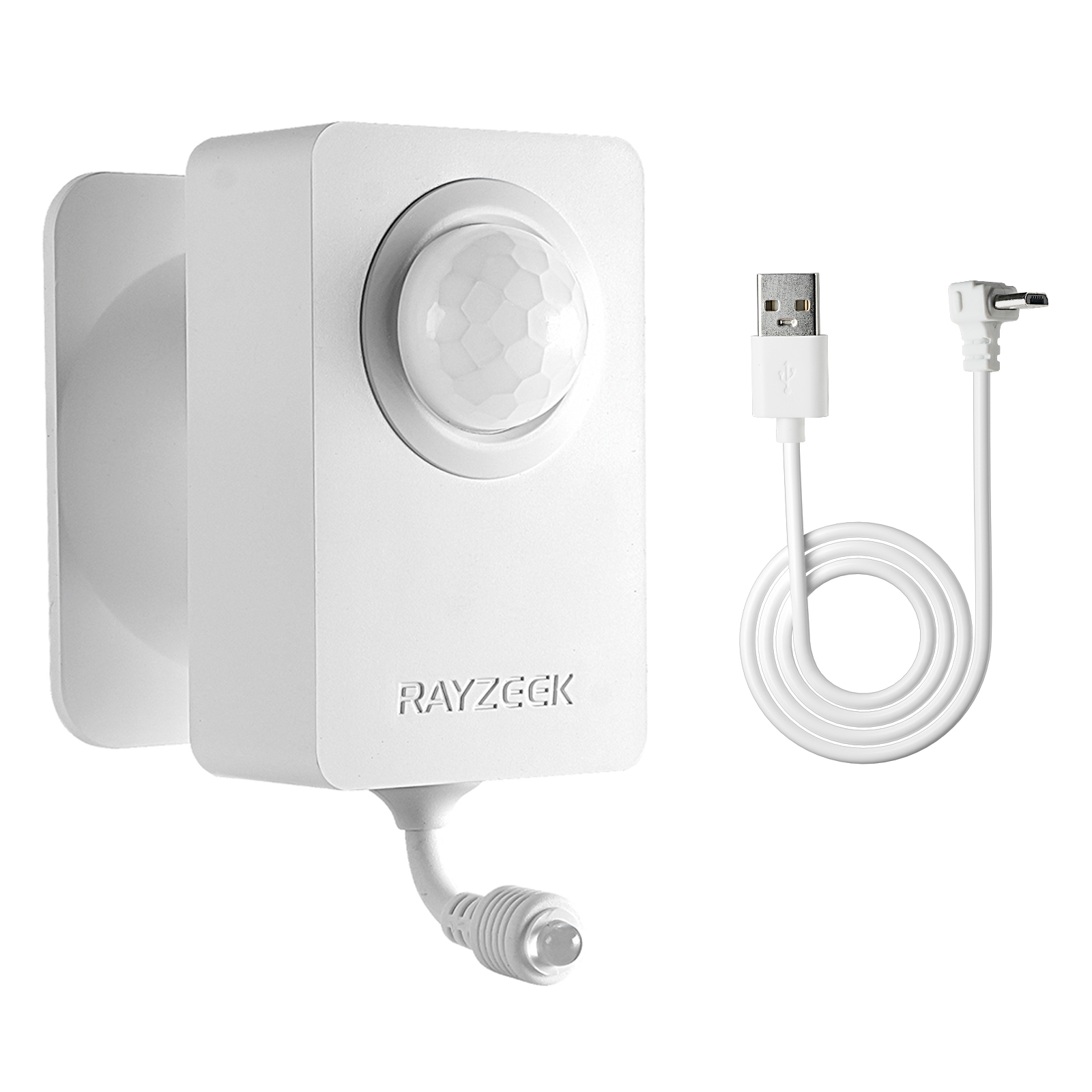
- Tensão: 2x Pilhas AAA / 5V DC (Micro USB)
- Modo Dia/Noite
- Temporização: 15min, 30min, 1h(predefinido), 2h
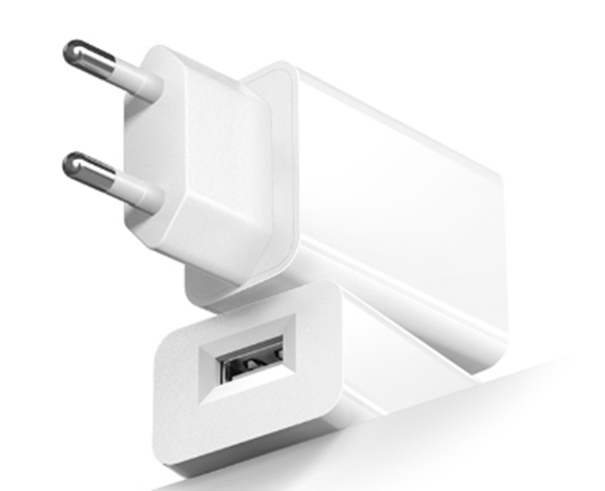
- Adaptador de alimentação com ficha UE
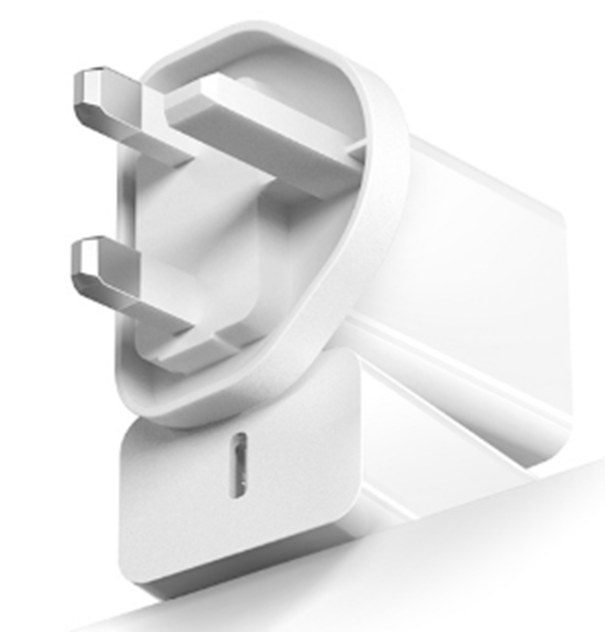
- Adaptador de alimentação com ficha UK
Frequently Asked Questions
What Is the Opposite of Ambient Light
The opposite of ambient light is accent lighting. It provides a highly focused light that aims to highlight a specific area or object in a room.
How Do I Make Ambient Lighting in My Room
To create ambient lighting in your room, you can opt for cove lighting or a cantilever detail with LED lighting discreetly placed inside. Alternatively, you can place linear LED lighting on top of tall furniture items such as bookcases or cabinets.
What Is Ambient Light Good For
Ambient lighting, also referred to as general lighting, serves as the main source of illumination in a given area. It establishes the base level of brightness and ensures a comfortable level of lighting. Therefore, this type of lighting is mainly utilized to provide clear visibility.
How Many Lumens Do You Need for Ambient Lighting
For ambient lighting, it is not necessary to have high brightness or focus like task or accent lighting as it is meant to provide a general layer of light. To determine the required lumens, you can begin by calculating the area of your room in square footage and then multiplying it by 20. This will give you an approximate value of the total lumens needed for ambient lighting.
Does Ambient Lighting Affect Mood
Ambient lighting can impact mood in various ways. One way is through the alteration of circadian rhythms, hormone secretion, neurotransmission, and sleep. Additionally, intrinsically photosensitive retinal ganglion cells may project light signals to the brain areas responsible for emotion regulation.
What Is Ambient Light at Night
Ambient light at night is the natural light that is already present in a scene before any lighting equipment is set up. This type of light is often referred to as available light and can be soft and diffuse. It can come from various sources such as the moon, streetlights, windows, or other natural sources.
Is Ambient Lighting Worth It
Yes, ambient lighting is definitely worth it. It can enhance the perceived contrast, making the black levels appear deeper, resulting in an improved picture quality and an overall better viewing experience. Additionally, it is a relatively simple installation process.
What Is Natural vs Ambient Lighting
Nevertheless, it is important to note that natural lighting strictly pertains to light produced by natural sources such as the sun and moon. Conversely, ambient lighting encompasses any light present in a particular environment or situation, regardless of whether it originates from artificial sources or not.
How Do You Get Ambient Lighting in a Room
To achieve ambient lighting in a room, there are several options available. One way is to install a chandelier, pendant light, or flush-mounted fixture in the center of the ceiling. Additionally, incorporating lamps with translucent shades throughout the room can also help to distribute light evenly.
What Are the 4 Categories of Lighting
The four primary classifications of lighting are ambient, task, accent, and decorative.







