

What is Lighting Control
Lighting control is the system or technologies that are used to regulate and manipulate the intensity of light and the color temperature in a specific area. These controls help achieve energy efficiency, create different lighting scenes, and enhance user experience.
There are two main types of lighting controls: manual controls and intelligent controls. Manual controls are the most basic and widespread form of lighting control. They involve manual inputs, such as light switches and dimming switches, which allow users to control the level of light output beyond simple on/off capabilities. Dimming switches, for example, enable users to create different light scenes and save energy by adjusting the light output. Intelligent lighting controls have evolved over the years to incorporate advanced technologies and provide enhanced functionalities. These controls can interact with other building systems and provide useful data insights for users of the space. They offer flexibility in ever-changing buildings and cater to the individual needs of people in different spaces, optimizing user comfort.
Looking For Motion-Activated Energy-Saving Solutions?
Contact us for complete PIR motion sensors, motion-activated energy-saving products, motion sensor switches, and Occupancy/Vacancy commercial solutions.
Lighting controls also contribute to energy efficiency by allowing users to regulate the intensity of light based on the specific requirements of the space. By implementing lighting controls, individuals and organizations can minimize costs, achieve building standards, and reach critical sustainability targets.
The evolution of lighting controls has seen the emergence of open protocols like DALI (Digital Addressable Lighting Interface) in the late 1990s. DALI and its newer version, DALI-2, serve as open standards for lighting, improving interoperability and enabling lighting systems to interact with components from different manufacturers.
Wireless technology has also been incorporated into lighting controls. Wireless lighting controls utilize radio waves for communication between different devices, eliminating the need for low-voltage hardwiring. This wireless mesh network allows for easy and secure addition, removal, and replacement of devices. Bluetooth Low-Energy (BLE) is commonly used as the low-power, short-range radio technology for wireless lighting controls.
Maybe You Are Interested In

- Ceiling-mounted PIR occupancy sensor with dry-contact relay output
- 12/24VDC or 12/24VAC low-voltage supply
- COM, NO, and NC isolated relay contacts for EMS, HVAC, and building control inputs

- Low-voltage DC recessed ceiling-mounted microwave motion sensor switch
- 12 VDC / 24 VDC input with 10-30 VDC range
- 10A max work current with adjustable time delay, Lux threshold, and sensitivity
- Higher-load recessed ceiling-mounted microwave motion sensor switch
- 100-265 VAC line-voltage input, 10A model
- 5.8 GHz microwave sensing with adjustable time delay, Lux threshold, and sensitivity
- Recessed ceiling-mounted microwave motion sensor switch
- 100-265 VAC line-voltage input, 5A model
- 5.8 GHz microwave sensing with adjustable time delay, Lux threshold, and sensitivity
- Ceiling-mounted RZ037 PIR occupancy sensor dimmer for 220V power
- 3A maximum working current with 660W rated load
- LUX button controls light-sensor ON/OFF and user-set dimming brightness
- Ceiling-mounted RZ037 PIR occupancy sensor dimmer for 110V power
- 3A maximum working current with 330W rated load
- LUX button controls light-sensor ON/OFF and user-set dimming brightness

- Low-voltage DC ceiling-mounted microwave motion sensor switch
- 12 VDC / 24 VDC input with 10-30 VDC range
- 10A max work current with adjustable time delay, Lux threshold, and sensitivity
- Higher-load ceiling-mounted microwave motion sensor switch
- 100-265 VAC line-voltage input, 10A model
- 5.8 GHz microwave sensing with adjustable time delay, Lux threshold, and sensitivity
- Ceiling-mounted microwave motion sensor switch
- 100-265 VAC line-voltage input, 5A model
- 5.8 GHz microwave sensing with adjustable time delay, Lux threshold, and sensitivity

- Low-voltage DC recessed ceiling mount PIR motion sensor switch
- 12 VDC / 24 VDC input with 10-30 VDC range
- Max work current 10A with adjustable time delay, Lux threshold, and sensitivity

- Higher-load recessed ceiling mount PIR motion sensor switch
- 100-265 VAC line-voltage input, 10A model
- 360-degree detection with adjustable time delay, Lux threshold, and sensitivity
- Recessed ceiling mount PIR motion sensor switch
- 100-265 VAC line-voltage input, 5A model
- 360-degree detection with adjustable time delay, Lux threshold, and sensitivity

- Wireless switch and receiver kit for indoor ON/OFF lighting control
- 100-230VAC, 50/60Hz receiver with 5A rated current
- CR2032-powered wireless switch with 2.4GHz communication
- Occupancy (Auto-ON/Auto-OFF)
- 12–24V DC (10–30VDC), up to 10A
- 360° coverage, 8–12 m diameter
- Time delay 15 s–30 min
- Light sensor Off/15/25/35 Lux
- High/Low sensitivity
- Auto-ON/Auto-OFF occupancy mode
- 100–265V AC, 10A (neutral required)
- 360° coverage; 8–12 m detection diameter
- Time delay 15 s–30 min; Lux OFF/15/25/35; Sensitivity High/Low
- Auto-ON/Auto-OFF occupancy mode
- 100–265V AC, 5A (neutral required)
- 360° coverage; 8–12 m detection diameter
- Time delay 15 s–30 min; Lux OFF/15/25/35; Sensitivity High/Low
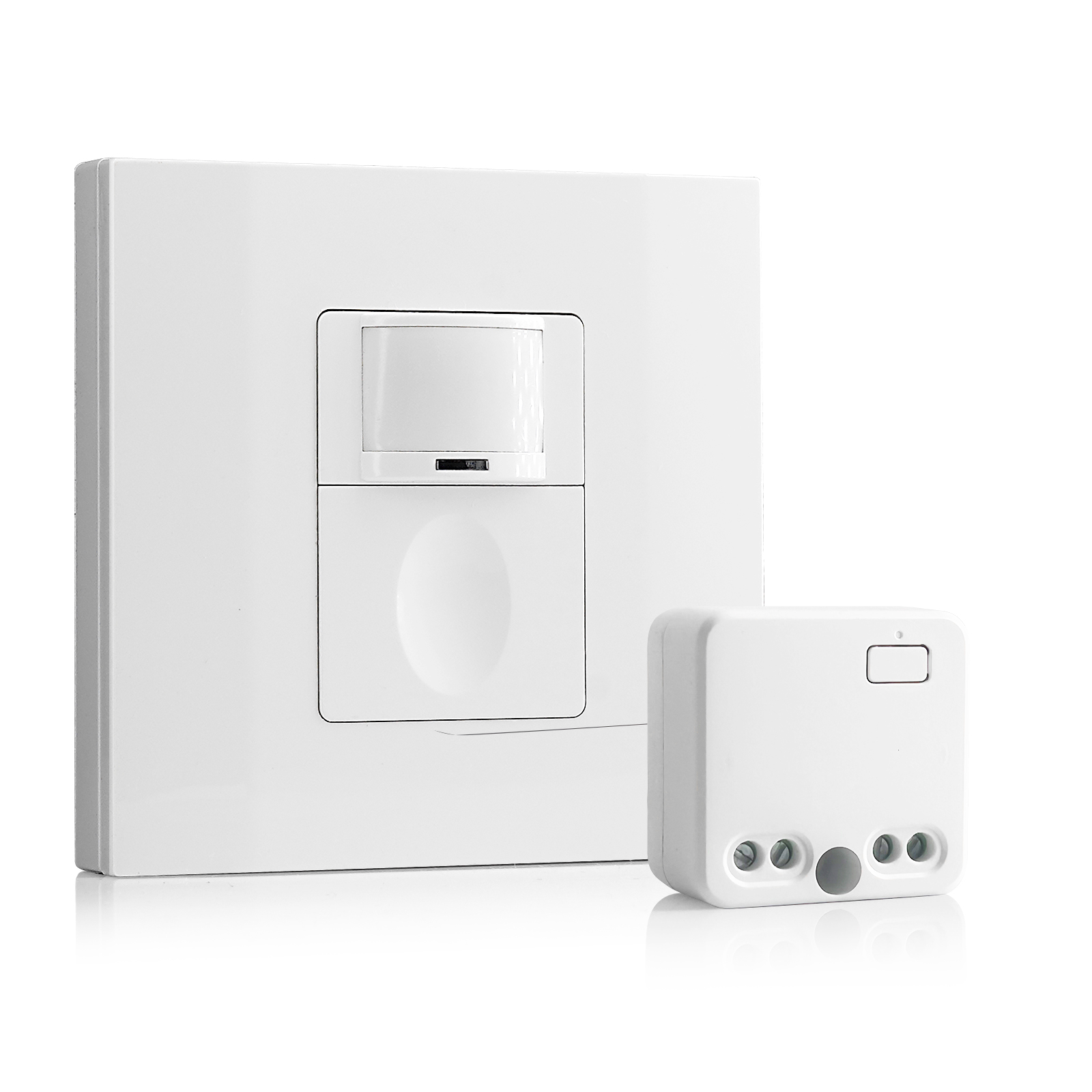
- 100V-230VAC
- Transmission Distance: up to 20m
- Wireless motion sensor
- Hardwired control
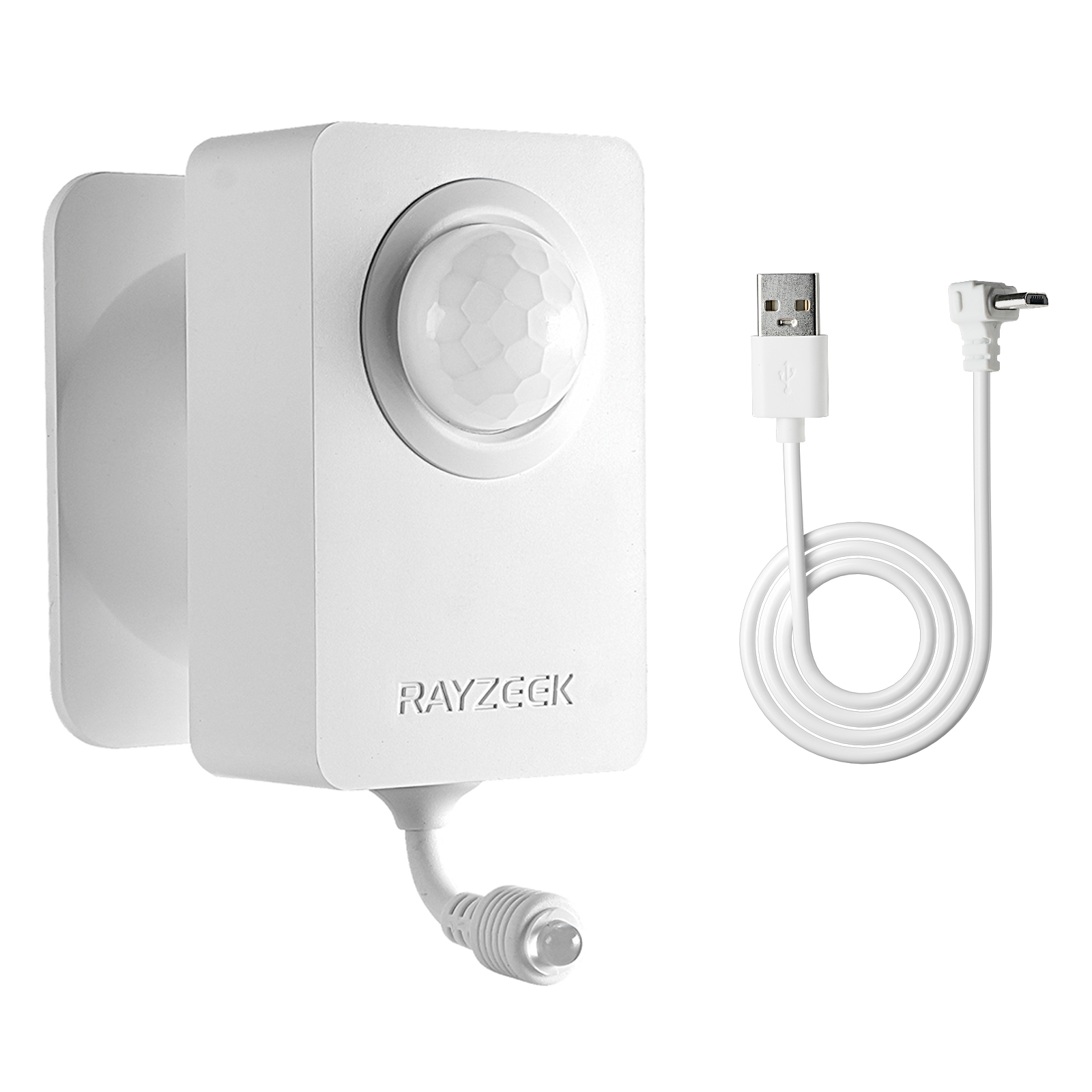
- Voltage: 2x AAA Batteries / 5V DC (Micro USB)
- Day/Night Mode
- Time delay: 15min, 30min, 1h(default), 2h
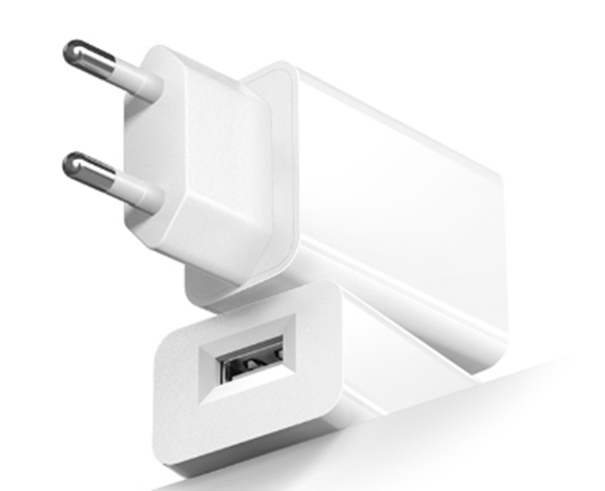
- EU plug power adapter
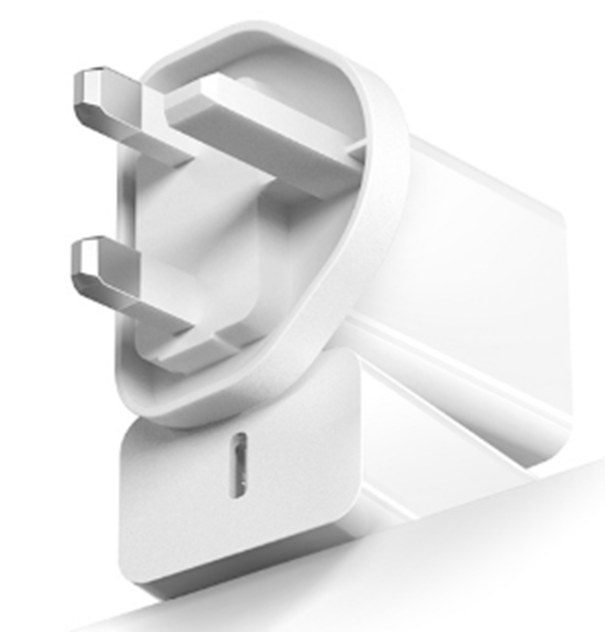
- UK plug power adapter
Automation plays a significant role in modern lighting control systems. Various sensors, such as movement sensors, infrared (IR) radiation sensors, and sound sensors, enable automatic switching on and control of light levels in specific areas. Software and applications offer a wide range of possibilities for configuring the behavior of lighting control systems.







