

What is Heat Dissipation
Heat dissipation is the process of effectively transferring and dispersing heat generated by a lighting component, such as an LED chip, to the surrounding environment in order to maintain optimal operating temperatures. In the lighting industry, heat dissipation ensures the performance, efficiency, and lifespan of LED lights.
Get Inspired by Rayzeek Motion Sensor Portfolios.
Doesn't find what you want? Don't worry. There are always alternate ways to solve your problems. Maybe one of our portfolios can help.
LED lights produce heat as a result of the conversion of electrical energy into light energy. Unlike traditional incandescent or fluorescent lamps, which emit a significant amount of energy as infrared light and have low energy efficiency, LEDs convert almost all of the electrical energy (except for the energy consumed by visible light) into heat. This high energy conversion efficiency of LEDs leads to a substantial amount of heat being generated.
If this heat is not effectively dissipated, it can lead to increased junction temperatures and reduced lifespan of the LED. The junction temperature of an LED is directly related to its light output and lifespan. When the temperature of the LED junction is high, the light output decreases, and the lifespan of the LED is shortened. Therefore, efficient heat dissipation is crucial to maintain the junction temperature within acceptable limits and ensure optimal performance and longevity of LED lights.
Various cooling solutions are employed in the lighting industry to facilitate efficient heat transfer and dissipation. These solutions include the use of heat sinks, which are designed to absorb and disperse heat away from the LED chip. Heat sinks are typically made of thermally conductive materials, such as aluminum or copper, and are designed with fins or other structures to increase the surface area for heat transfer.
Maybe You Are Interested In

- Ceiling-mounted PIR occupancy sensor with dry-contact relay output
- 12/24VDC or 12/24VAC low-voltage supply
- COM, NO, and NC isolated relay contacts for EMS, HVAC, and building control inputs

- Low-voltage DC recessed ceiling-mounted microwave motion sensor switch
- 12 VDC / 24 VDC input with 10-30 VDC range
- 10A max work current with adjustable time delay, Lux threshold, and sensitivity
- Higher-load recessed ceiling-mounted microwave motion sensor switch
- 100-265 VAC line-voltage input, 10A model
- 5.8 GHz microwave sensing with adjustable time delay, Lux threshold, and sensitivity
- Recessed ceiling-mounted microwave motion sensor switch
- 100-265 VAC line-voltage input, 5A model
- 5.8 GHz microwave sensing with adjustable time delay, Lux threshold, and sensitivity
- Ceiling-mounted RZ037 PIR occupancy sensor dimmer for 220V power
- 3A maximum working current with 660W rated load
- LUX button controls light-sensor ON/OFF and user-set dimming brightness
- Ceiling-mounted RZ037 PIR occupancy sensor dimmer for 110V power
- 3A maximum working current with 330W rated load
- LUX button controls light-sensor ON/OFF and user-set dimming brightness

- Low-voltage DC ceiling-mounted microwave motion sensor switch
- 12 VDC / 24 VDC input with 10-30 VDC range
- 10A max work current with adjustable time delay, Lux threshold, and sensitivity
- Higher-load ceiling-mounted microwave motion sensor switch
- 100-265 VAC line-voltage input, 10A model
- 5.8 GHz microwave sensing with adjustable time delay, Lux threshold, and sensitivity
- Ceiling-mounted microwave motion sensor switch
- 100-265 VAC line-voltage input, 5A model
- 5.8 GHz microwave sensing with adjustable time delay, Lux threshold, and sensitivity

- Low-voltage DC recessed ceiling mount PIR motion sensor switch
- 12 VDC / 24 VDC input with 10-30 VDC range
- Max work current 10A with adjustable time delay, Lux threshold, and sensitivity

- Higher-load recessed ceiling mount PIR motion sensor switch
- 100-265 VAC line-voltage input, 10A model
- 360-degree detection with adjustable time delay, Lux threshold, and sensitivity
- Recessed ceiling mount PIR motion sensor switch
- 100-265 VAC line-voltage input, 5A model
- 360-degree detection with adjustable time delay, Lux threshold, and sensitivity

- Wireless switch and receiver kit for indoor ON/OFF lighting control
- 100-230VAC, 50/60Hz receiver with 5A rated current
- CR2032-powered wireless switch with 2.4GHz communication
- Occupancy (Auto-ON/Auto-OFF)
- 12–24V DC (10–30VDC), up to 10A
- 360° coverage, 8–12 m diameter
- Time delay 15 s–30 min
- Light sensor Off/15/25/35 Lux
- High/Low sensitivity
- Auto-ON/Auto-OFF occupancy mode
- 100–265V AC, 10A (neutral required)
- 360° coverage; 8–12 m detection diameter
- Time delay 15 s–30 min; Lux OFF/15/25/35; Sensitivity High/Low
- Auto-ON/Auto-OFF occupancy mode
- 100–265V AC, 5A (neutral required)
- 360° coverage; 8–12 m detection diameter
- Time delay 15 s–30 min; Lux OFF/15/25/35; Sensitivity High/Low
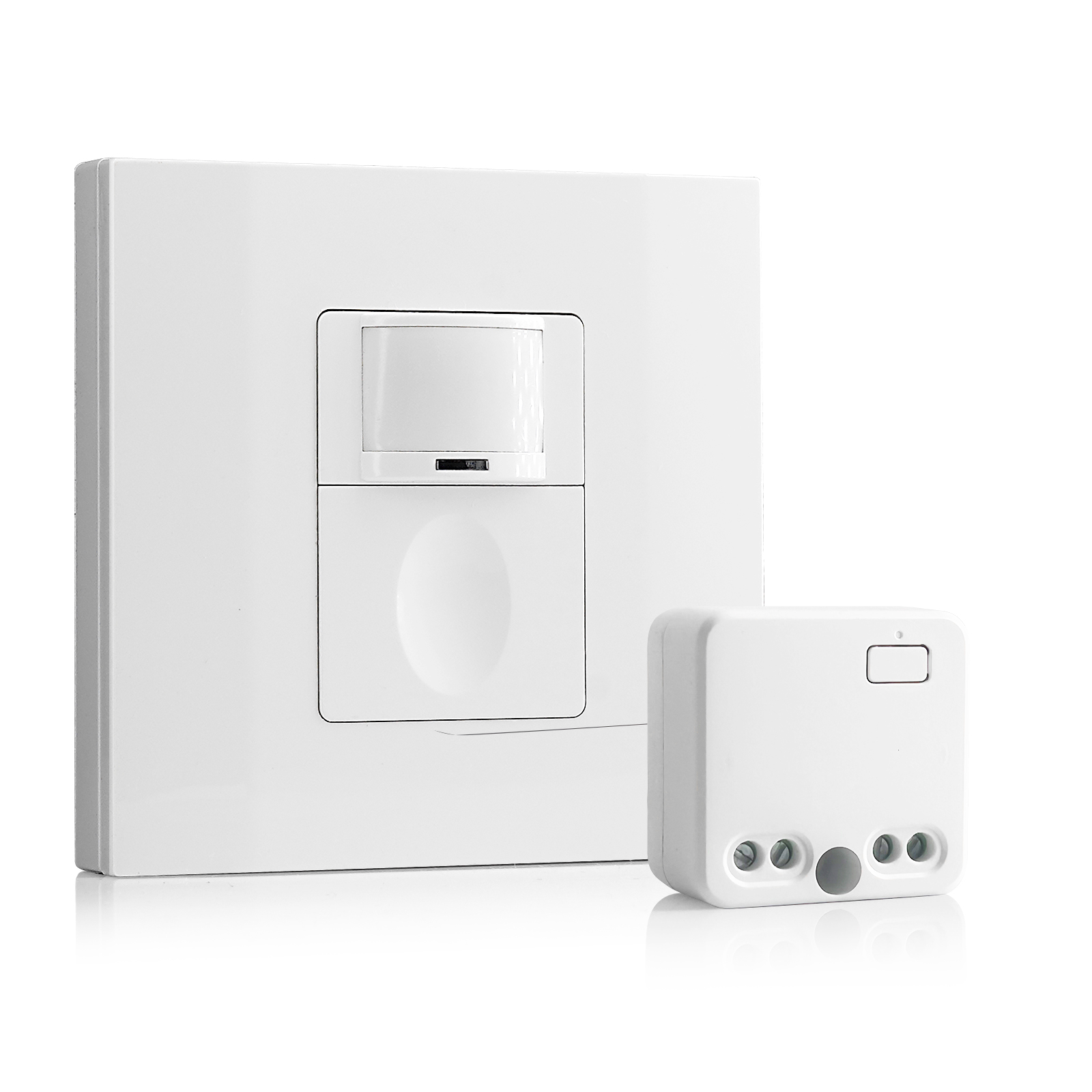
- 100V-230VAC
- Transmission Distance: up to 20m
- Wireless motion sensor
- Hardwired control
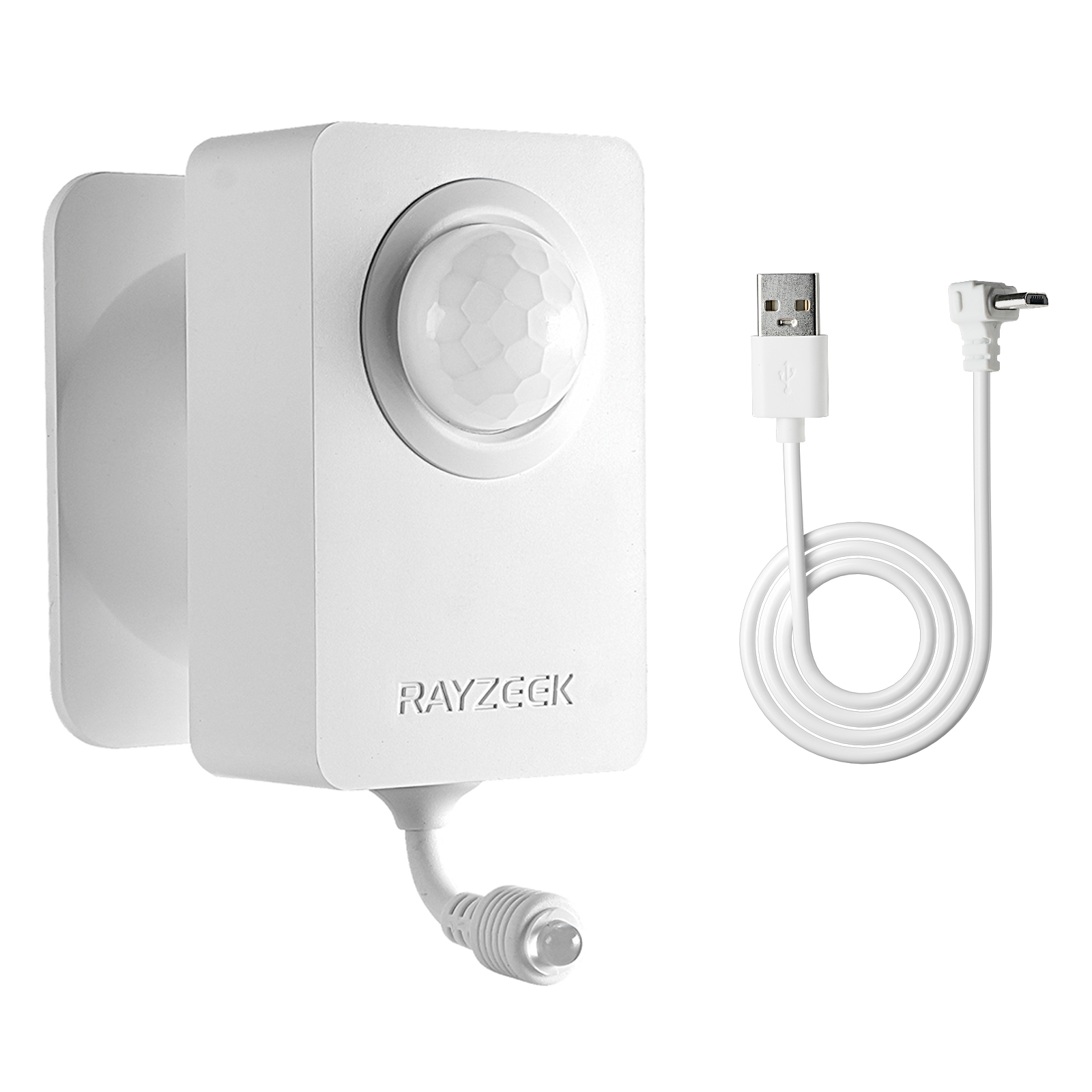
- Voltage: 2x AAA Batteries / 5V DC (Micro USB)
- Day/Night Mode
- Time delay: 15min, 30min, 1h(default), 2h
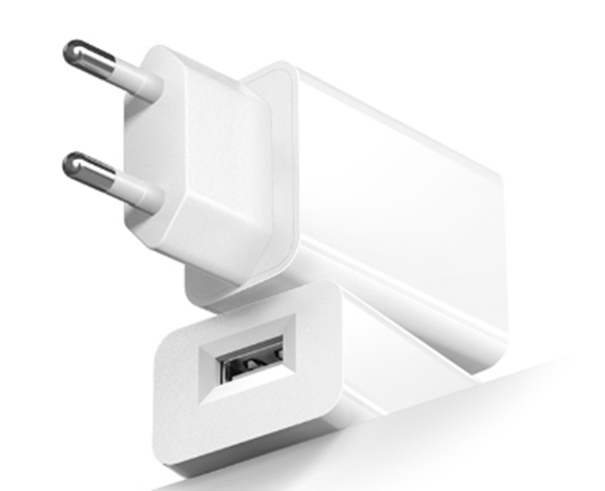
- EU plug power adapter
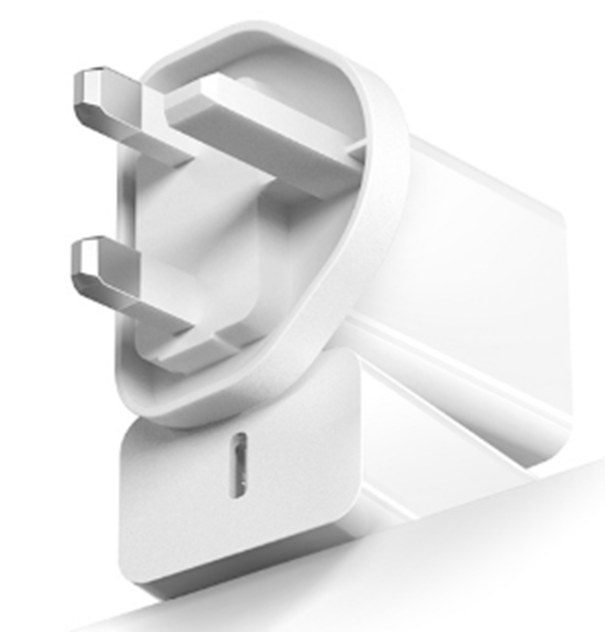
- UK plug power adapter
In addition to heat sinks, other factors such as thermal interface materials and thermal management design also contribute to effective heat dissipation. Thermal interface materials are used to improve the thermal contact between the LED chip and the heat sink, ensuring efficient heat conduction. The thermal management design of the lighting system involves considerations such as airflow, ventilation, and the overall arrangement of LEDs and heat sinks to facilitate the dissipation of heat.







