

What is Mounting Height
Mounting height is the vertical distance from a reference plane (such as the floor or work plane) to a luminaire or the plane of the ceiling for recessed luminaires. It is an important parameter used in lighting design and calculation. The mounting height is typically measured from the ground or mounting surface to the bottom of the luminaire. It is crucial to specify the luminaire reference location, such as the bottom or light center, to avoid any ambiguities.
Lasciati ispirare dalla gamma di sensori di movimento Rayzeek.
Non trovi quello che cerchi? Non preoccuparti. Ci sono sempre modi alternativi per risolvere i tuoi problemi. Forse una delle nostre linee di prodotti può aiutarti.
Mounting height determines the distribution of light and the overall effectiveness of the lighting system. It affects factors such as illumination level, uniformity, and glare control. The appropriate mounting height for a specific application depends on various factors, including the type of fixture, the intended purpose of the lighting, and the specific requirements of the space.
In outdoor lighting applications, the mounting height is often determined based on the desired lighting levels and the area to be illuminated. For example, in roadway lighting, it is typically set to provide adequate visibility for drivers while minimizing glare and light trespass. In parking lot lighting, the it may be adjusted to ensure sufficient illumination for safety and security.
Forse ti interessa anche

- Sensore di presenza PIR da soffitto con uscita a relè con contatto pulito
- Alimentazione a bassa tensione 12/24VDC o 12/24VAC
- Contatti relè isolati COM, NO e NC per ingressi EMS, HVAC e controllo dell'edificio

- Interruttore con sensore di movimento a microonde da soffitto a incasso a bassa tensione DC
- Ingresso 12 VDC / 24 VDC con intervallo 10-30 VDC
- Corrente massima di lavoro 10A con ritardo temporale, soglia Lux e sensibilità regolabili
- Interruttore con sensore di movimento a microonde da soffitto a incasso per carichi più elevati
- Ingresso tensione di rete 100-265 VAC, modello da 10A
- Rilevamento a microonde a 5.8 GHz con ritardo temporale, soglia Lux e sensibilità regolabili
- Interruttore con sensore di movimento a microonde da soffitto a incasso
- Ingresso tensione di rete 100-265 VAC, modello da 5A
- Rilevamento a microonde a 5.8 GHz con ritardo temporale, soglia Lux e sensibilità regolabili
- Dimmer con sensore di presenza PIR da soffitto RZ037 per alimentazione a 220V
- Corrente massima di lavoro 3A con carico nominale di 660W
- Il pulsante LUX controlla l'accensione/spegnimento del sensore di luce e la luminosità di regolazione impostata dall'utente
- Dimmer con sensore di presenza PIR da soffitto RZ037 per alimentazione a 110V
- Corrente massima di lavoro 3A con carico nominale di 330W
- Il pulsante LUX controlla l'accensione/spegnimento del sensore di luce e la luminosità di regolazione impostata dall'utente

- Interruttore con sensore di movimento a microonde da soffitto a bassa tensione DC
- Ingresso 12 VDC / 24 VDC con intervallo 10-30 VDC
- Corrente massima di lavoro 10A con ritardo temporale, soglia Lux e sensibilità regolabili
- Interruttore con sensore di movimento a microonde da soffitto per carichi più elevati
- Ingresso tensione di rete 100-265 VAC, modello da 10A
- Rilevamento a microonde a 5.8 GHz con ritardo temporale, soglia Lux e sensibilità regolabili
- Interruttore con sensore di movimento a microonde da soffitto
- Ingresso tensione di rete 100-265 VAC, modello da 5A
- Rilevamento a microonde a 5.8 GHz con ritardo temporale, soglia Lux e sensibilità regolabili

- Interruttore con sensore di movimento PIR da soffitto a incasso a bassa tensione DC
- Ingresso 12 VDC / 24 VDC con intervallo 10-30 VDC
- Corrente massima di lavoro 10A con ritardo temporale, soglia Lux e sensibilità regolabili

- Interruttore con sensore di movimento PIR da soffitto a incasso per carichi più elevati
- Ingresso tensione di rete 100-265 VAC, modello da 10A
- Rilevamento a 360 gradi con ritardo, soglia Lux e sensibilità regolabili
- Interruttore con sensore di movimento PIR da soffitto a incasso
- Ingresso tensione di rete 100-265 VAC, modello da 5A
- Rilevamento a 360 gradi con ritardo, soglia Lux e sensibilità regolabili

- Kit interruttore e ricevitore wireless per il controllo dell'illuminazione ON/OFF per interni
- Ricevitore 100-230VAC, 50/60Hz con corrente nominale di 5A
- Interruttore wireless alimentato da CR2032 con comunicazione a 2.4GHz
- Presenza (Auto-ON/Auto-OFF)
- 12–24V DC (10–30VDC), fino a 10A
- Copertura a 360°, diametro 8–12 m
- Ritardo da 15 s a 30 min
- Sensore di luce Off/15/25/35 Lux
- Sensibilità Alta/Bassa
- Modalità presenza Auto-ON/Auto-OFF
- 100–265V AC, 10A (neutro richiesto)
- Copertura a 360°; diametro di rilevamento 8–12 m
- Ritardo 15 s–30 min; Lux OFF/15/25/35; Sensibilità Alta/Bassa
- Modalità presenza Auto-ON/Auto-OFF
- 100–265V AC, 5A (neutro richiesto)
- Copertura a 360°; diametro di rilevamento 8–12 m
- Ritardo 15 s–30 min; Lux OFF/15/25/35; Sensibilità Alta/Bassa
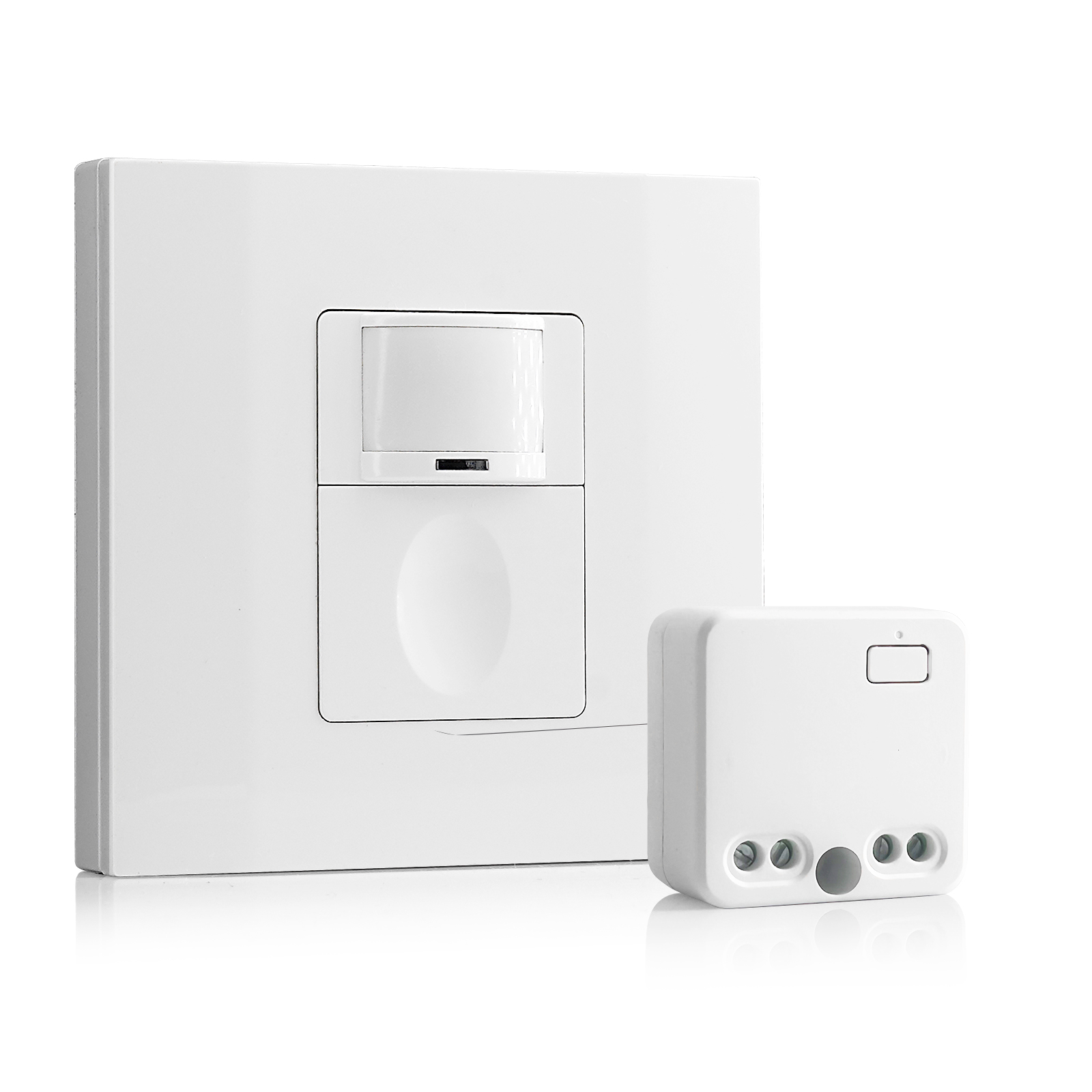
- 100V-230VAC
- Distanza di trasmissione: fino a 20m
- Sensore di movimento wireless
- Controllo cablato
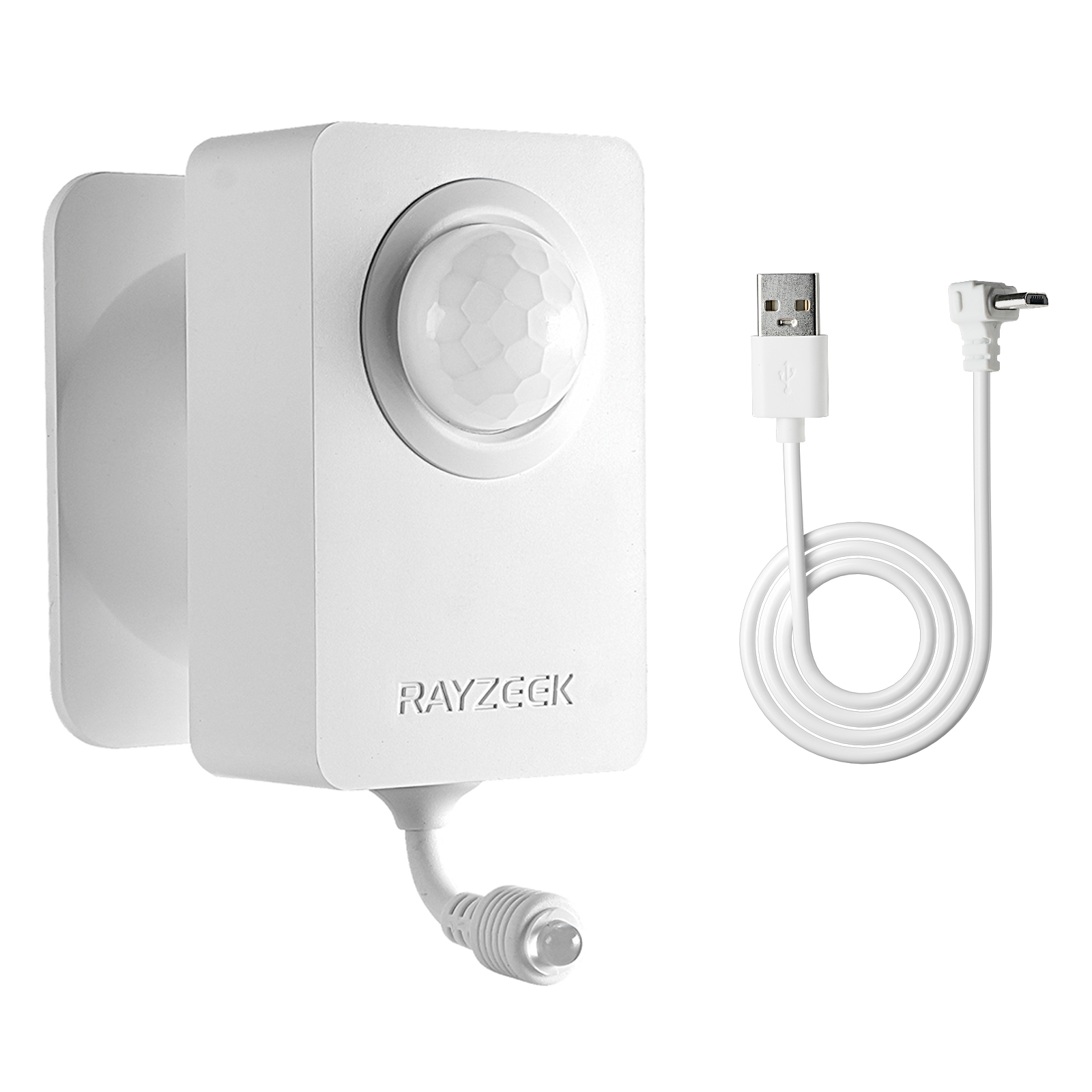
- Tensione: 2 batterie AAA / 5 V CC (Micro USB)
- Modalità Giorno/Notte
- Ritardo di spegnimento: 15 min, 30 min, 1 h (predefinito), 2 h
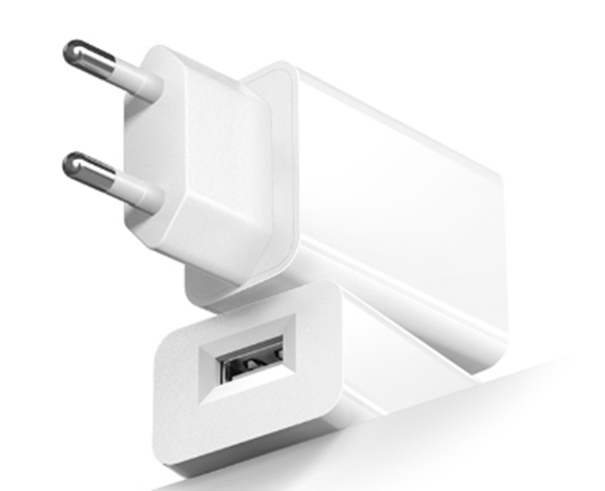
- Adattatore di alimentazione con spina UE
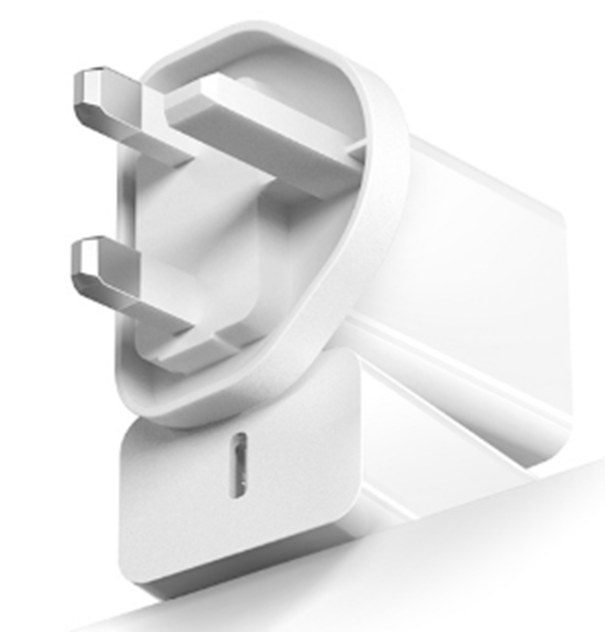
- Adattatore di alimentazione con spina per Regno Unito
Frequently Asked Questions
What Is the Height of Exterior Lights
Lighting experts typically recommend positioning exterior lights, such as front and back porch lights, slightly above eye level for optimal functionality. This is typically achieved by placing the lights at a height ranging from 65 to 67 inches above the ground or porch floor.
What Height Should Wall Lights Be in a Kitchen
How high should I hang a wall light in a kitchen? As a general guideline, it is recommended to position your wall lights approximately 152cms or 60″ above the floor level.
What Is the Average Height of Lighting
The average height of lamp posts used for public street illumination can vary between 8 feet and 50 feet. Lamp posts that are shorter, ranging from approximately 5 feet to 9 feet, are commonly used to illuminate gardens for both home security and decoration purposes.
Where Should Outdoor Lights Be Placed
Ideally, outdoor lights should be strategically placed in areas that are frequently used or accessed at night, such as near porches or garage entrances. Exterior wall lights can be installed next to a porch, in front of a garage, at a side door, or on a rear wall, depending on the specific access points and layout of the building.
How Far Should Lights Be Placed
A general guideline is to divide the height of your ceiling by 2 to determine the distance between each light. However, it is important to avoid placing the lights more than 6 feet apart, as this can diminish their effectiveness. Mini downlights are an excellent choice for illuminating the perimeter and smaller areas within spacious rooms.
What Is the Standard Height for Up and Down Lights
As a general guideline, it is recommended to position your up and down lights approximately 152cm or 60″ above the floor level. In the case of a long hallway or corridor, it is advisable to space them around 250 to 300cm or 8′ to 10′ apart.
How Far From Front Door Should Porch Light Be
Lights should be positioned approximately 6 inches away from the door’s edge.







