

What is Lamp
A lamp refers to both a light source and a light fixture that includes the bulb. This can cause confusion as the term is often used interchangeably with other lighting terms. When someone asks for a “lamp” at a DIY store, the seller may not know what they are referring to unless they specify the type of lamp they are looking for, such as a desk lamp or a floor lamp for a cabinet.
Specifically, a lamp can be defined as the component of a lighting fixture that emits light. It is the part of the fixture that produces the actual illumination. Lamps come in various types, including incandescent, fluorescent, or LED. They generally have standard bases that fit into compatible fixtures, and the compatibility of the lamp base with the fixture socket is crucial for proper installation and operation.
Forse ti interessa anche

- Sensore di presenza PIR da soffitto con uscita a relè con contatto pulito
- Alimentazione a bassa tensione 12/24VDC o 12/24VAC
- Contatti relè isolati COM, NO e NC per ingressi EMS, HVAC e controllo dell'edificio

- Interruttore con sensore di movimento a microonde da soffitto a incasso a bassa tensione DC
- Ingresso 12 VDC / 24 VDC con intervallo 10-30 VDC
- Corrente massima di lavoro 10A con ritardo temporale, soglia Lux e sensibilità regolabili
- Interruttore con sensore di movimento a microonde da soffitto a incasso per carichi più elevati
- Ingresso tensione di rete 100-265 VAC, modello da 10A
- Rilevamento a microonde a 5.8 GHz con ritardo temporale, soglia Lux e sensibilità regolabili
- Interruttore con sensore di movimento a microonde da soffitto a incasso
- Ingresso tensione di rete 100-265 VAC, modello da 5A
- Rilevamento a microonde a 5.8 GHz con ritardo temporale, soglia Lux e sensibilità regolabili
- Dimmer con sensore di presenza PIR da soffitto RZ037 per alimentazione a 220V
- Corrente massima di lavoro 3A con carico nominale di 660W
- Il pulsante LUX controlla l'accensione/spegnimento del sensore di luce e la luminosità di regolazione impostata dall'utente
- Dimmer con sensore di presenza PIR da soffitto RZ037 per alimentazione a 110V
- Corrente massima di lavoro 3A con carico nominale di 330W
- Il pulsante LUX controlla l'accensione/spegnimento del sensore di luce e la luminosità di regolazione impostata dall'utente

- Interruttore con sensore di movimento a microonde da soffitto a bassa tensione DC
- Ingresso 12 VDC / 24 VDC con intervallo 10-30 VDC
- Corrente massima di lavoro 10A con ritardo temporale, soglia Lux e sensibilità regolabili
- Interruttore con sensore di movimento a microonde da soffitto per carichi più elevati
- Ingresso tensione di rete 100-265 VAC, modello da 10A
- Rilevamento a microonde a 5.8 GHz con ritardo temporale, soglia Lux e sensibilità regolabili
- Interruttore con sensore di movimento a microonde da soffitto
- Ingresso tensione di rete 100-265 VAC, modello da 5A
- Rilevamento a microonde a 5.8 GHz con ritardo temporale, soglia Lux e sensibilità regolabili

- Interruttore con sensore di movimento PIR da soffitto a incasso a bassa tensione DC
- Ingresso 12 VDC / 24 VDC con intervallo 10-30 VDC
- Corrente massima di lavoro 10A con ritardo temporale, soglia Lux e sensibilità regolabili

- Interruttore con sensore di movimento PIR da soffitto a incasso per carichi più elevati
- Ingresso tensione di rete 100-265 VAC, modello da 10A
- Rilevamento a 360 gradi con ritardo, soglia Lux e sensibilità regolabili
- Interruttore con sensore di movimento PIR da soffitto a incasso
- Ingresso tensione di rete 100-265 VAC, modello da 5A
- Rilevamento a 360 gradi con ritardo, soglia Lux e sensibilità regolabili

- Kit interruttore e ricevitore wireless per il controllo dell'illuminazione ON/OFF per interni
- Ricevitore 100-230VAC, 50/60Hz con corrente nominale di 5A
- Interruttore wireless alimentato da CR2032 con comunicazione a 2.4GHz
- Presenza (Auto-ON/Auto-OFF)
- 12–24V DC (10–30VDC), fino a 10A
- Copertura a 360°, diametro 8–12 m
- Ritardo da 15 s a 30 min
- Sensore di luce Off/15/25/35 Lux
- Sensibilità Alta/Bassa
- Modalità presenza Auto-ON/Auto-OFF
- 100–265V AC, 10A (neutro richiesto)
- Copertura a 360°; diametro di rilevamento 8–12 m
- Ritardo 15 s–30 min; Lux OFF/15/25/35; Sensibilità Alta/Bassa
- Modalità presenza Auto-ON/Auto-OFF
- 100–265V AC, 5A (neutro richiesto)
- Copertura a 360°; diametro di rilevamento 8–12 m
- Ritardo 15 s–30 min; Lux OFF/15/25/35; Sensibilità Alta/Bassa
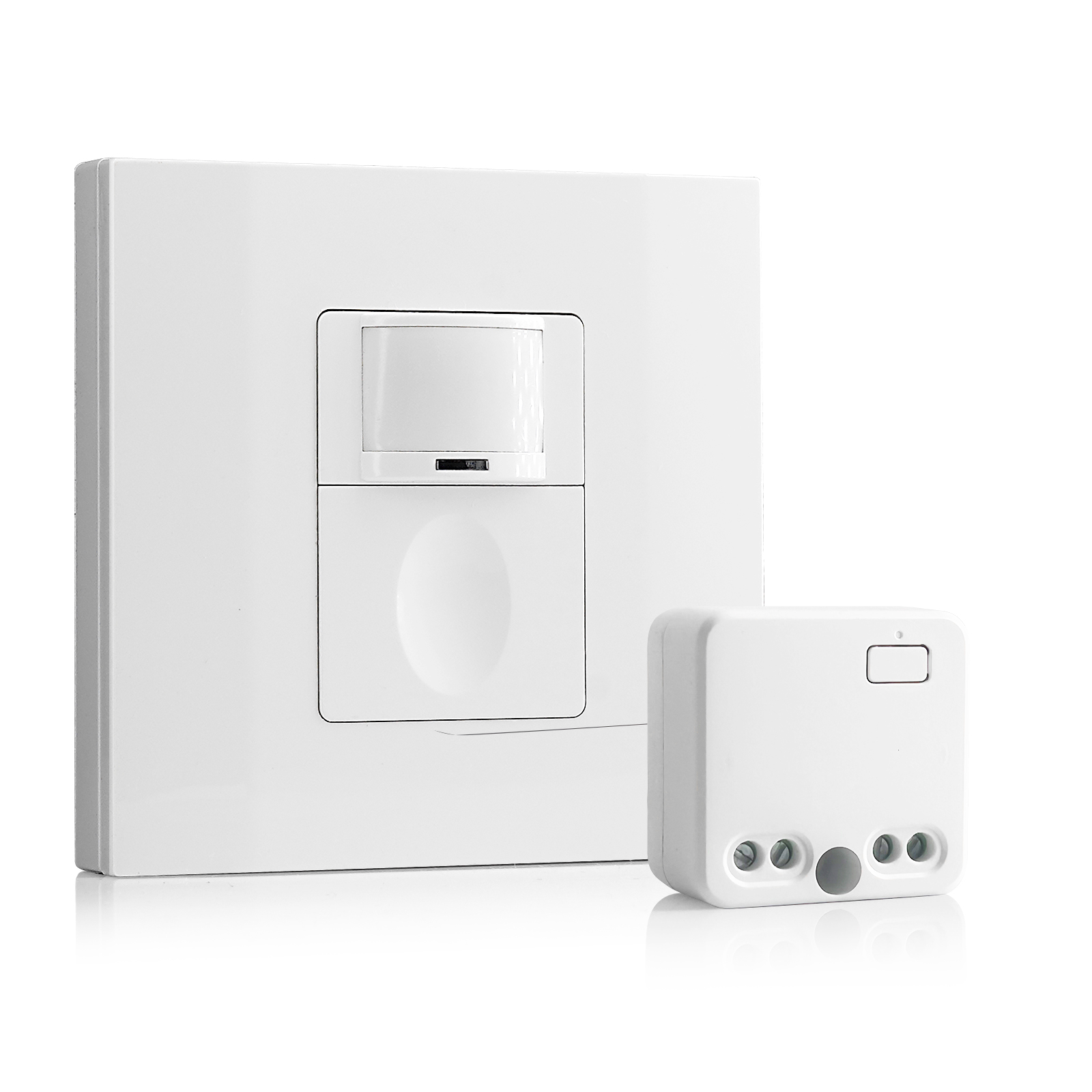
- 100V-230VAC
- Distanza di trasmissione: fino a 20m
- Sensore di movimento wireless
- Controllo cablato
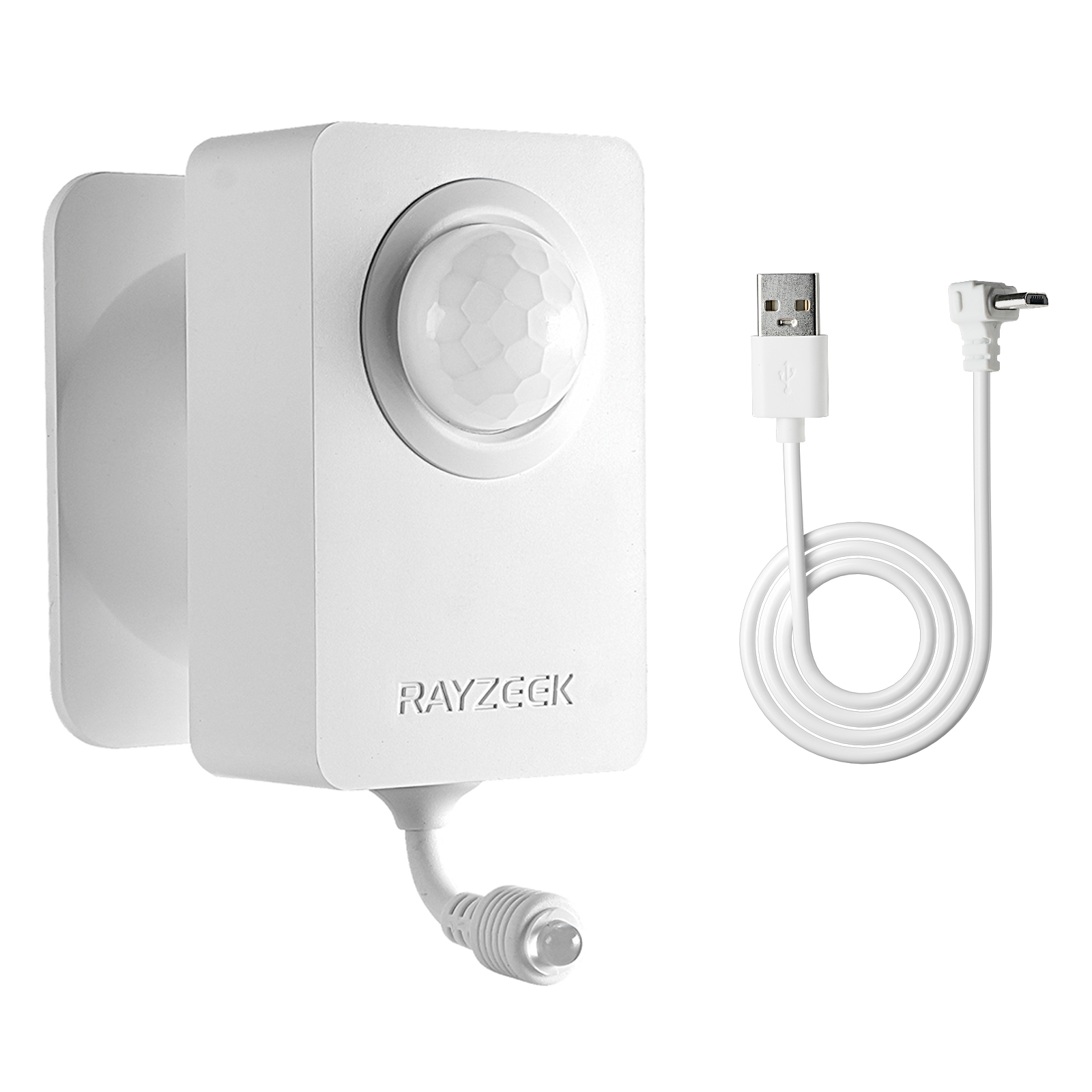
- Tensione: 2 batterie AAA / 5 V CC (Micro USB)
- Modalità Giorno/Notte
- Ritardo di spegnimento: 15 min, 30 min, 1 h (predefinito), 2 h
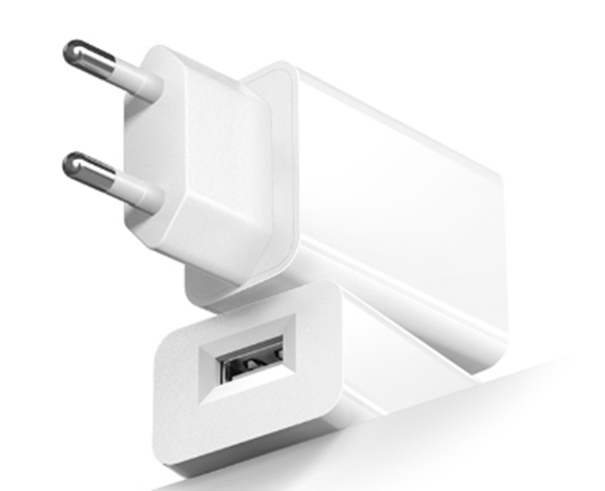
- Adattatore di alimentazione con spina UE
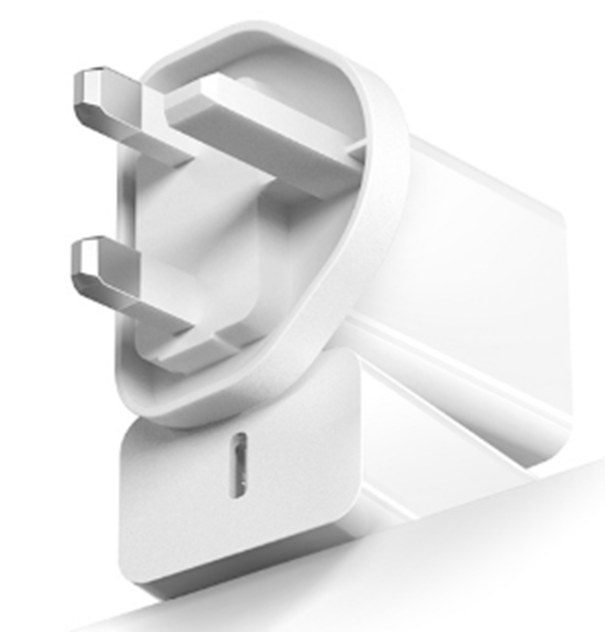
- Adattatore di alimentazione con spina per Regno Unito
It is worth noting that some lamps have built-in ballasts or drivers, while others are connected to external ones contained in the fixture. This refers to the different types of lamp technologies and their associated control components. For example, fluorescent lamps require ballasts to regulate the current flow, while LED lamps often have built-in drivers that convert the electrical power to the appropriate form for the LEDs.
Lasciati ispirare dalla gamma di sensori di movimento Rayzeek.
Non trovi quello che cerchi? Non preoccuparti. Ci sono sempre modi alternativi per risolvere i tuoi problemi. Forse una delle nostre linee di prodotti può aiutarti.
Frequently Asked Questions
What Is the Difference Between a Lamp and a Ceiling Light
The primary distinction between lamps and ceiling lights lies in the type of lighting they emit and the resulting ambiance they create. Unlike ceiling lights, which tend to be bright and have a wide reach, lamps can be adjusted to produce a softer glow in a specific area, fostering a more tranquil and cozy atmosphere.
What Is the Lamp on the Ceiling Called
Recessed light fixtures, also known as recessed can lights or downlights, are flush with the ceiling and are ideal for rooms with low ceilings. These fixtures consist of three main components: the housing, the trim, and the type of bulb or lamp used.
What Is Considered a Lamp
A lamp is typically defined as a device that emits both light and heat. It commonly operates using electricity and is equipped with a lightbulb. In the United States, lamps are commonly referred to as desk lamps or floor lamps.
What Is Lamp vs Light
A light is a general term for any electric device that emits light. On the other hand, a lamp refers to a more specific design, such as a table lamp, desk lamp, or lamp post. Lamps are typically used to illuminate a specific area within a space.
What Does a Lamp Rating Mean
The lamp rating refers to the power dissipated by a light bulb when it is connected to a specific voltage. In the case of a 110V DC potential difference, the voltage rating indicates the power dissipated by the bulb. To illustrate, if a 50 W and 100 W bulb are connected in series to a 110V DC source, the question asks how much power will be dissipated in the 50 W bulb (in W).
Why Is It Called a Lamp
Around the 7th century BC, the Greeks started producing terracotta lamps as a substitute for handheld torches. The term “lamp” originates from the Greek word “lampas,” which translates to “torch.”







