
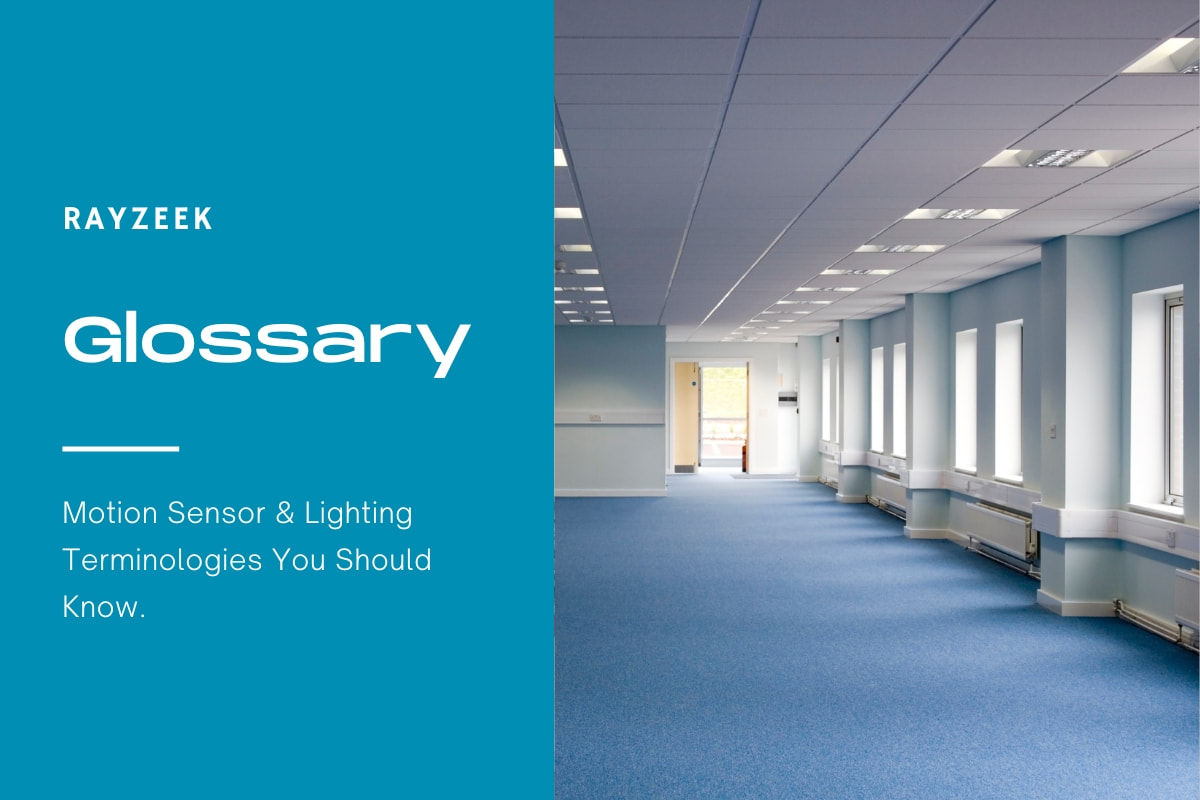
What is Fluorescent Light
A fluorescent light utilizes a long narrow glass tube filled with noble gases such as argon, neon, or krypton, along with a small amount of mercury vapor. The tube is sealed at both ends with metal caps that have electrical connections. When an electrical current is applied to the tube, it causes the mercury atoms to become excited and emit ultraviolet (UV) light. This UV light then strikes a phosphor coating on the inside of the tube, causing it to fluoresce and emit visible light. The combination of the UV light and the phosphor coating allows for the production of white light.
It is known for its energy efficiency compared to incandescent and halogen light bulbs, as well as its lower price compared to LEDs. Fluorescent lighting encompasses various types, including linear fluorescent tubes, fluorescent bent tubes, fluorescent circline tubes, and CFLs (compact fluorescent lamps). In this context, the focus is on linear fluorescent tubes due to their popularity. These tubes are typically used in overhead fixtures, such as troffers, in commercial buildings.
Forse ti interessa anche

- Sensore di presenza PIR da soffitto con uscita a relè con contatto pulito
- Alimentazione a bassa tensione 12/24VDC o 12/24VAC
- Contatti relè isolati COM, NO e NC per ingressi EMS, HVAC e controllo dell'edificio

- Interruttore con sensore di movimento a microonde da soffitto a incasso a bassa tensione DC
- Ingresso 12 VDC / 24 VDC con intervallo 10-30 VDC
- Corrente massima di lavoro 10A con ritardo temporale, soglia Lux e sensibilità regolabili
- Interruttore con sensore di movimento a microonde da soffitto a incasso per carichi più elevati
- Ingresso tensione di rete 100-265 VAC, modello da 10A
- Rilevamento a microonde a 5.8 GHz con ritardo temporale, soglia Lux e sensibilità regolabili
- Interruttore con sensore di movimento a microonde da soffitto a incasso
- Ingresso tensione di rete 100-265 VAC, modello da 5A
- Rilevamento a microonde a 5.8 GHz con ritardo temporale, soglia Lux e sensibilità regolabili
- Dimmer con sensore di presenza PIR da soffitto RZ037 per alimentazione a 220V
- Corrente massima di lavoro 3A con carico nominale di 660W
- Il pulsante LUX controlla l'accensione/spegnimento del sensore di luce e la luminosità di regolazione impostata dall'utente
- Dimmer con sensore di presenza PIR da soffitto RZ037 per alimentazione a 110V
- Corrente massima di lavoro 3A con carico nominale di 330W
- Il pulsante LUX controlla l'accensione/spegnimento del sensore di luce e la luminosità di regolazione impostata dall'utente

- Interruttore con sensore di movimento a microonde da soffitto a bassa tensione DC
- Ingresso 12 VDC / 24 VDC con intervallo 10-30 VDC
- Corrente massima di lavoro 10A con ritardo temporale, soglia Lux e sensibilità regolabili
- Interruttore con sensore di movimento a microonde da soffitto per carichi più elevati
- Ingresso tensione di rete 100-265 VAC, modello da 10A
- Rilevamento a microonde a 5.8 GHz con ritardo temporale, soglia Lux e sensibilità regolabili
- Interruttore con sensore di movimento a microonde da soffitto
- Ingresso tensione di rete 100-265 VAC, modello da 5A
- Rilevamento a microonde a 5.8 GHz con ritardo temporale, soglia Lux e sensibilità regolabili

- Interruttore con sensore di movimento PIR da soffitto a incasso a bassa tensione DC
- Ingresso 12 VDC / 24 VDC con intervallo 10-30 VDC
- Corrente massima di lavoro 10A con ritardo temporale, soglia Lux e sensibilità regolabili

- Interruttore con sensore di movimento PIR da soffitto a incasso per carichi più elevati
- Ingresso tensione di rete 100-265 VAC, modello da 10A
- Rilevamento a 360 gradi con ritardo, soglia Lux e sensibilità regolabili
- Interruttore con sensore di movimento PIR da soffitto a incasso
- Ingresso tensione di rete 100-265 VAC, modello da 5A
- Rilevamento a 360 gradi con ritardo, soglia Lux e sensibilità regolabili

- Kit interruttore e ricevitore wireless per il controllo dell'illuminazione ON/OFF per interni
- Ricevitore 100-230VAC, 50/60Hz con corrente nominale di 5A
- Interruttore wireless alimentato da CR2032 con comunicazione a 2.4GHz
- Presenza (Auto-ON/Auto-OFF)
- 12–24V DC (10–30VDC), fino a 10A
- Copertura a 360°, diametro 8–12 m
- Ritardo da 15 s a 30 min
- Sensore di luce Off/15/25/35 Lux
- Sensibilità Alta/Bassa
- Modalità presenza Auto-ON/Auto-OFF
- 100–265V AC, 10A (neutro richiesto)
- Copertura a 360°; diametro di rilevamento 8–12 m
- Ritardo 15 s–30 min; Lux OFF/15/25/35; Sensibilità Alta/Bassa
- Modalità presenza Auto-ON/Auto-OFF
- 100–265V AC, 5A (neutro richiesto)
- Copertura a 360°; diametro di rilevamento 8–12 m
- Ritardo 15 s–30 min; Lux OFF/15/25/35; Sensibilità Alta/Bassa
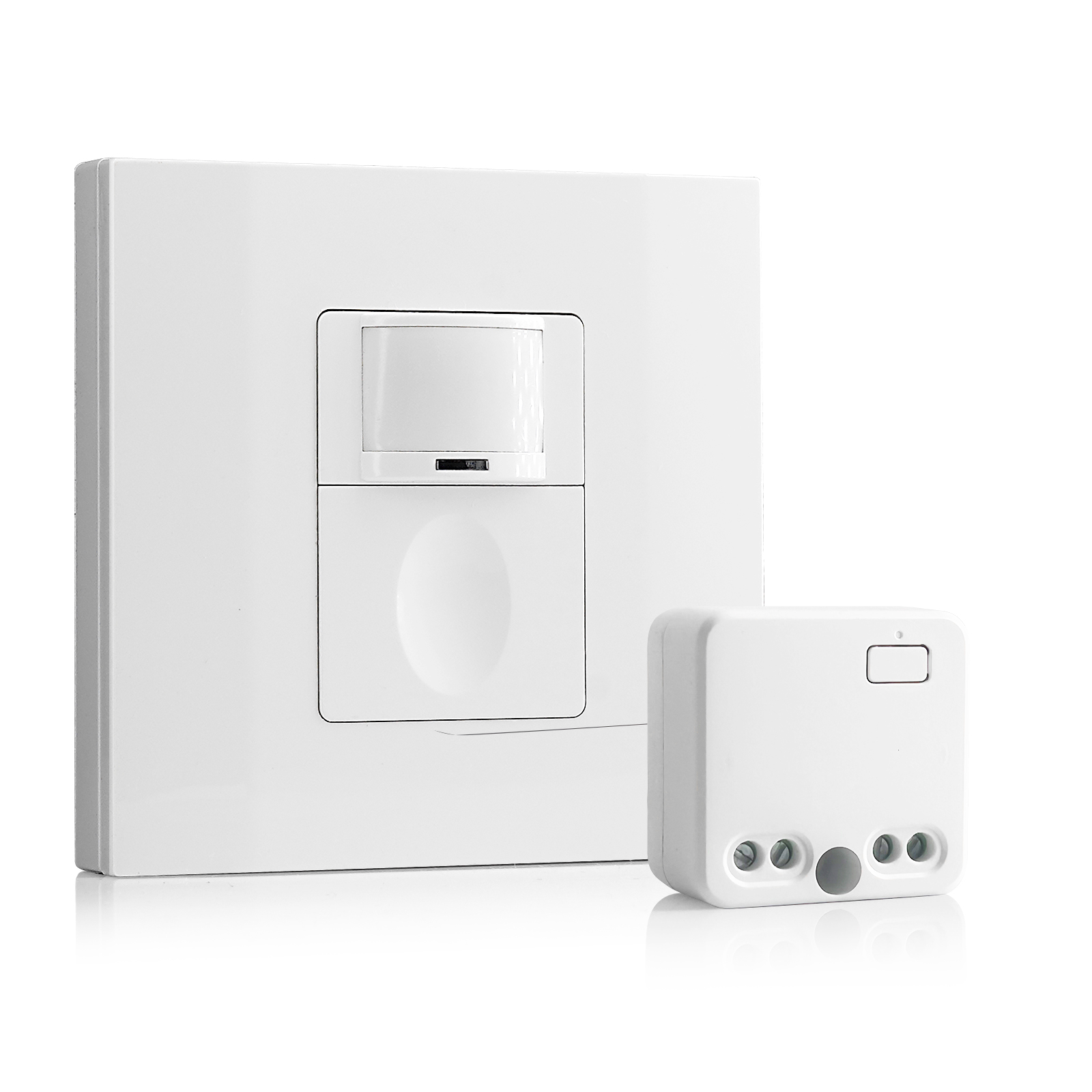
- 100V-230VAC
- Distanza di trasmissione: fino a 20m
- Sensore di movimento wireless
- Controllo cablato
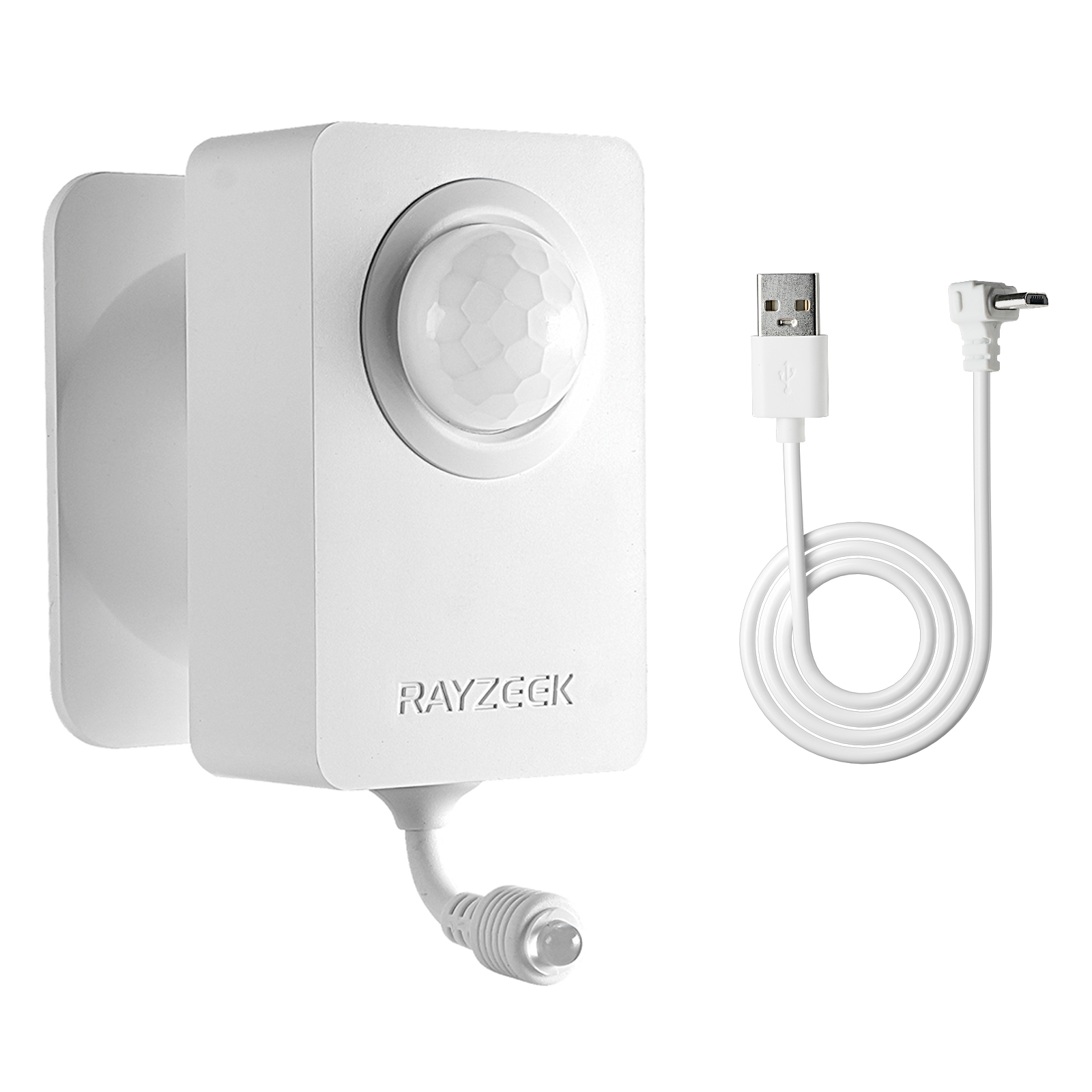
- Tensione: 2 batterie AAA / 5 V CC (Micro USB)
- Modalità Giorno/Notte
- Ritardo di spegnimento: 15 min, 30 min, 1 h (predefinito), 2 h
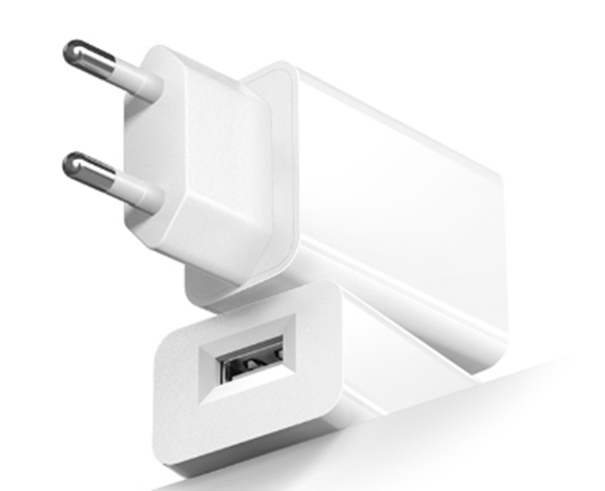
- Adattatore di alimentazione con spina UE
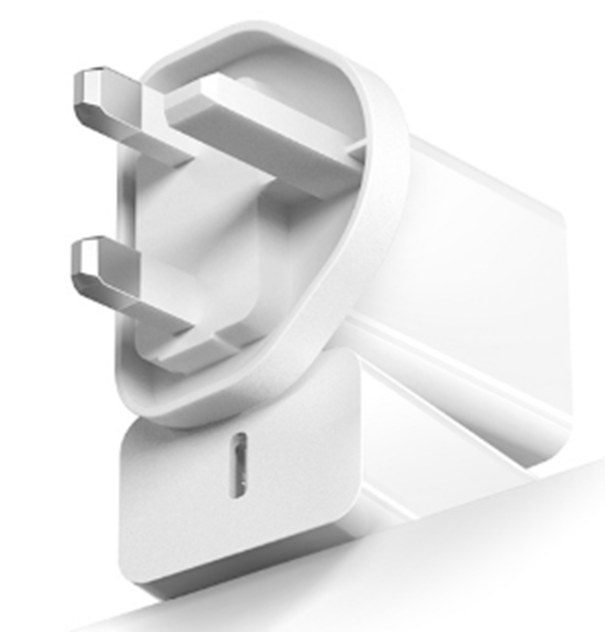
- Adattatore di alimentazione con spina per Regno Unito
Fluorescent lights are known for their energy efficiency and are commonly used in various applications, including residential, commercial, and industrial lighting. They are available in different color temperatures, ranging from cool white to warm white, to suit different lighting needs. However, with the advancements in LED lighting technology, fluorescent lights have been gradually replaced by more energy-efficient and longer-lasting LED lights.
Cerchi soluzioni per il risparmio energetico attivate dal movimento?
Contattaci per sensori di movimento PIR completi, prodotti per il risparmio energetico attivati dal movimento, interruttori con sensore di movimento e soluzioni commerciali di presenza/assenza.
Frequently Asked Questions
Can I Replace My Fluorescent Tubes With LED
Yes, it is possible to replace fluorescent tubes with LED tubes or LED-integrated fixtures. If you only need to replace the bulbs, you have the option of using plug-and-play, direct-wire, or hybrid LED tubes. Among these options, plug-and-play tubes are the most convenient to install since they do not require any rewiring of the fixture.
What Are the Three Types of Fluorescent Lights
Fluorescents encompass a wide range of light sources. The three primary categories of fluorescent lamps include cold cathode, hot cathode, and electroluminescent. These variations utilize phosphors that are stimulated by electrons to generate light.
How Do You Tell if a Light Is a Fluorescent Light
The letter “F” is the indicator that the light is a fluorescent light. Alternatively, if the code in this position is “FC,” it means that the bulb is a fluorescent circular bulb. If the code is “FB” or “FU,” it signifies that the bulb is either “bent” or “U-shaped,” depending on the manufacturer.
Are Fluorescent Lights Used in Homes
Although there are various lighting options available, the primary lighting choices for homes are typically either incandescent or fluorescent lights. Fluorescent lighting offers a significant advantage in terms of energy efficiency compared to incandescent lighting.
Is Fluorescent Light Yellow or White
Most compact fluorescent lights (CFL) emit a type of light called “cool light” or “white light.” On the other hand, LED lighting is available in both cool light and warm light, which has a yellowish hue.
How Do I Know if My Ballast Is Bad
Check the ballast’s condition using a multimeter. Connect one probe to the wire connector while keeping the white wires together. Then, touch the other probe to the ends of the yellow, red, and blue wires connected to the ballast. It is possible that some sources may not include the yellow wire. If the needle on the multimeter does not move, it indicates that the ballast is faulty and needs to be replaced.







