

What is Driver Rating
Driver rating is a metric used to assess the quality and performance of LED drivers. LED drivers are important in regulating the electricity supplied to LED strip lights, converting the alternating current (AC) from the mains to a lower, direct current (DC) voltage required by the LEDs. They ensure a consistent power supply to the LED lights, even when the electrical properties of the LED tape change due to heating.
Lasciati ispirare dalla gamma di sensori di movimento Rayzeek.
Non trovi quello che cerchi? Non preoccuparti. Ci sono sempre modi alternativi per risolvere i tuoi problemi. Forse una delle nostre linee di prodotti può aiutarti.
In LED drivers, the wattage rating is also an important factor to consider. It ensures that the wattage rating of the LED driver is equal to or greater than the total wattage of all the lights connected to it. For example, if you have five 3-watt outdoor strip lights, the driver should have a wattage rating of at least 15 watts to provide sufficient power.
Additionally, when using LED tape, it is necessary to calculate the required wattage based on the length of the tape. By multiplying the length of the tape by the wattage rating per meter, you can determine the minimum wattage requirement for the LED driver. For instance, if the tape is powered at 15 watts per meter and the total length is 3 meters, the LED driver should have a minimum rating of 45 watts.
By considering the wattage rating and ensuring compatibility with the connected lights, the driver rating provides valuable information about the manufacturer and the performance of the LED driver. It helps users make informed decisions when selecting LED drivers for their lighting setups.
Forse ti interessa anche

- Sensore di presenza PIR da soffitto con uscita a relè con contatto pulito
- Alimentazione a bassa tensione 12/24VDC o 12/24VAC
- Contatti relè isolati COM, NO e NC per ingressi EMS, HVAC e controllo dell'edificio

- Interruttore con sensore di movimento a microonde da soffitto a incasso a bassa tensione DC
- Ingresso 12 VDC / 24 VDC con intervallo 10-30 VDC
- Corrente massima di lavoro 10A con ritardo temporale, soglia Lux e sensibilità regolabili
- Interruttore con sensore di movimento a microonde da soffitto a incasso per carichi più elevati
- Ingresso tensione di rete 100-265 VAC, modello da 10A
- Rilevamento a microonde a 5.8 GHz con ritardo temporale, soglia Lux e sensibilità regolabili
- Interruttore con sensore di movimento a microonde da soffitto a incasso
- Ingresso tensione di rete 100-265 VAC, modello da 5A
- Rilevamento a microonde a 5.8 GHz con ritardo temporale, soglia Lux e sensibilità regolabili
- Dimmer con sensore di presenza PIR da soffitto RZ037 per alimentazione a 220V
- Corrente massima di lavoro 3A con carico nominale di 660W
- Il pulsante LUX controlla l'accensione/spegnimento del sensore di luce e la luminosità di regolazione impostata dall'utente
- Dimmer con sensore di presenza PIR da soffitto RZ037 per alimentazione a 110V
- Corrente massima di lavoro 3A con carico nominale di 330W
- Il pulsante LUX controlla l'accensione/spegnimento del sensore di luce e la luminosità di regolazione impostata dall'utente

- Interruttore con sensore di movimento a microonde da soffitto a bassa tensione DC
- Ingresso 12 VDC / 24 VDC con intervallo 10-30 VDC
- Corrente massima di lavoro 10A con ritardo temporale, soglia Lux e sensibilità regolabili
- Interruttore con sensore di movimento a microonde da soffitto per carichi più elevati
- Ingresso tensione di rete 100-265 VAC, modello da 10A
- Rilevamento a microonde a 5.8 GHz con ritardo temporale, soglia Lux e sensibilità regolabili
- Interruttore con sensore di movimento a microonde da soffitto
- Ingresso tensione di rete 100-265 VAC, modello da 5A
- Rilevamento a microonde a 5.8 GHz con ritardo temporale, soglia Lux e sensibilità regolabili

- Interruttore con sensore di movimento PIR da soffitto a incasso a bassa tensione DC
- Ingresso 12 VDC / 24 VDC con intervallo 10-30 VDC
- Corrente massima di lavoro 10A con ritardo temporale, soglia Lux e sensibilità regolabili

- Interruttore con sensore di movimento PIR da soffitto a incasso per carichi più elevati
- Ingresso tensione di rete 100-265 VAC, modello da 10A
- Rilevamento a 360 gradi con ritardo, soglia Lux e sensibilità regolabili
- Interruttore con sensore di movimento PIR da soffitto a incasso
- Ingresso tensione di rete 100-265 VAC, modello da 5A
- Rilevamento a 360 gradi con ritardo, soglia Lux e sensibilità regolabili

- Kit interruttore e ricevitore wireless per il controllo dell'illuminazione ON/OFF per interni
- Ricevitore 100-230VAC, 50/60Hz con corrente nominale di 5A
- Interruttore wireless alimentato da CR2032 con comunicazione a 2.4GHz
- Presenza (Auto-ON/Auto-OFF)
- 12–24V DC (10–30VDC), fino a 10A
- Copertura a 360°, diametro 8–12 m
- Ritardo da 15 s a 30 min
- Sensore di luce Off/15/25/35 Lux
- Sensibilità Alta/Bassa
- Modalità presenza Auto-ON/Auto-OFF
- 100–265V AC, 10A (neutro richiesto)
- Copertura a 360°; diametro di rilevamento 8–12 m
- Ritardo 15 s–30 min; Lux OFF/15/25/35; Sensibilità Alta/Bassa
- Modalità presenza Auto-ON/Auto-OFF
- 100–265V AC, 5A (neutro richiesto)
- Copertura a 360°; diametro di rilevamento 8–12 m
- Ritardo 15 s–30 min; Lux OFF/15/25/35; Sensibilità Alta/Bassa
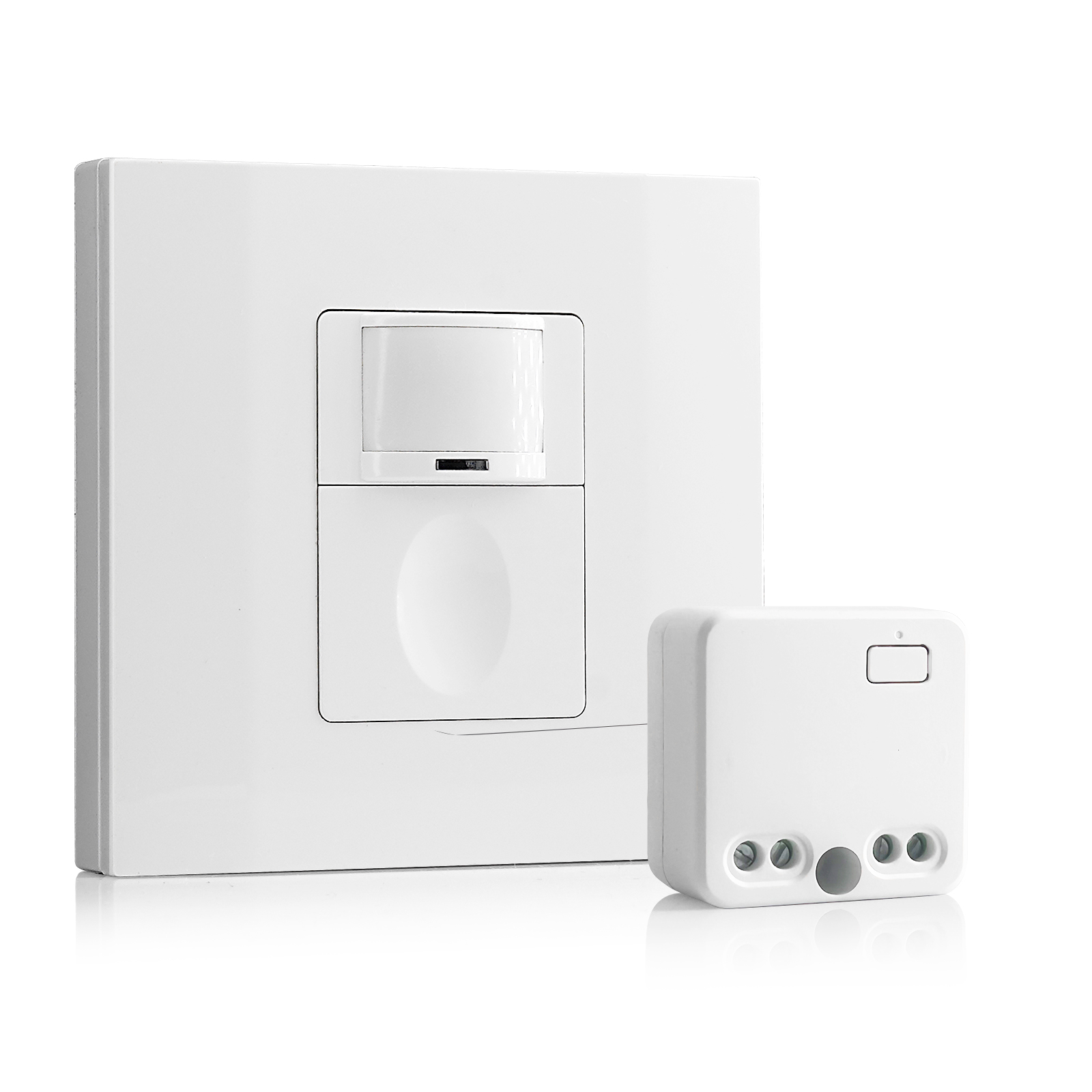
- 100V-230VAC
- Distanza di trasmissione: fino a 20m
- Sensore di movimento wireless
- Controllo cablato
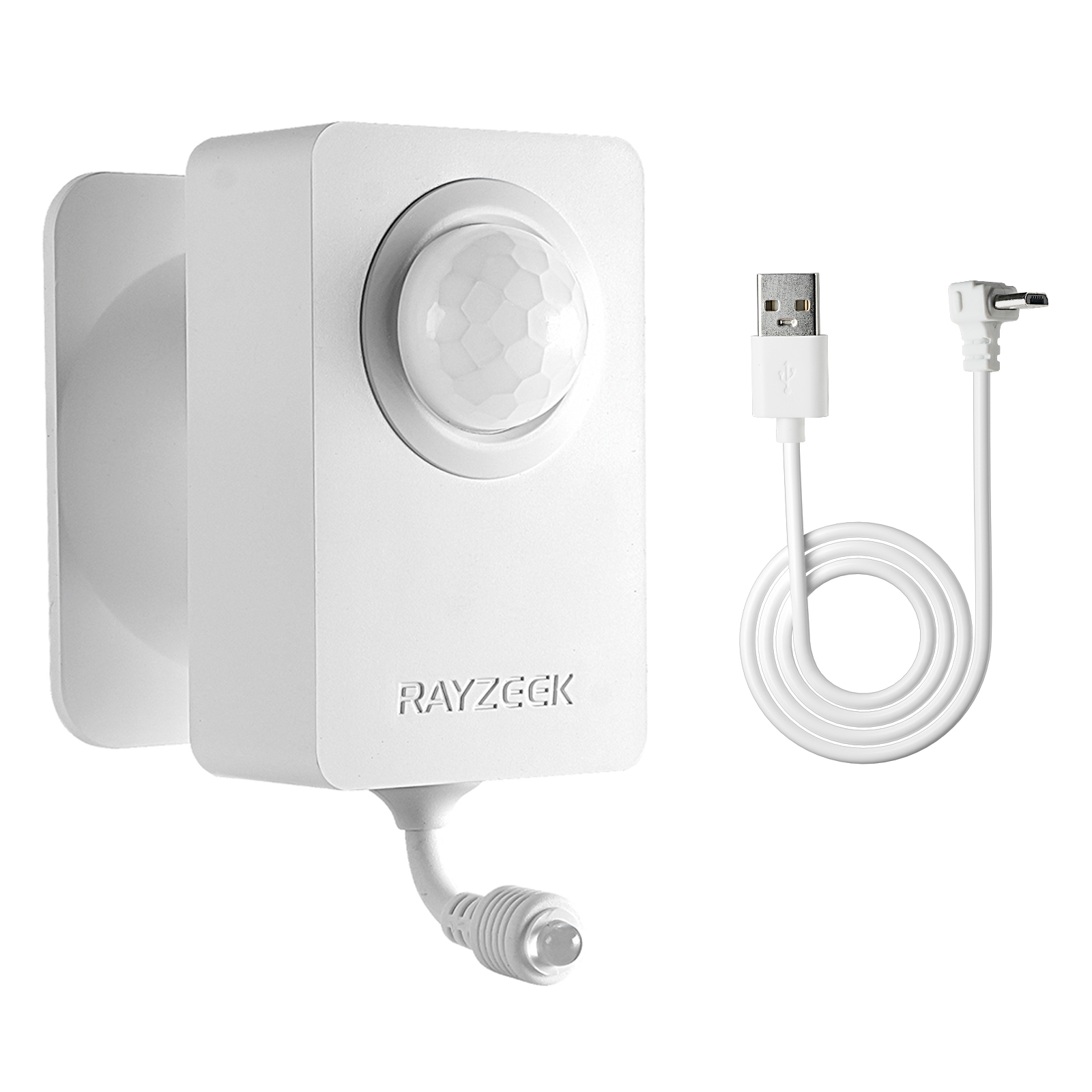
- Tensione: 2 batterie AAA / 5 V CC (Micro USB)
- Modalità Giorno/Notte
- Ritardo di spegnimento: 15 min, 30 min, 1 h (predefinito), 2 h
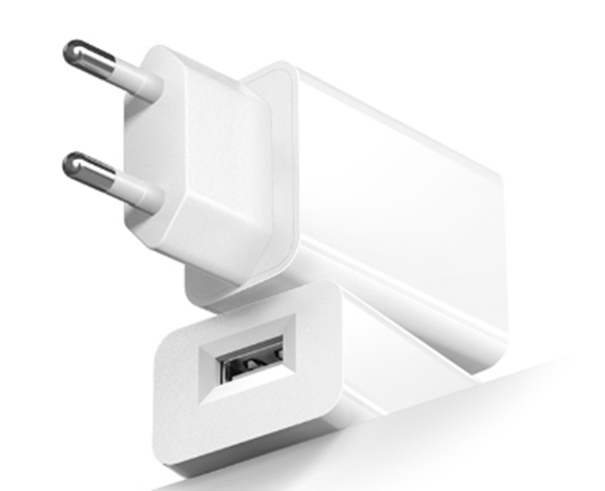
- Adattatore di alimentazione con spina UE
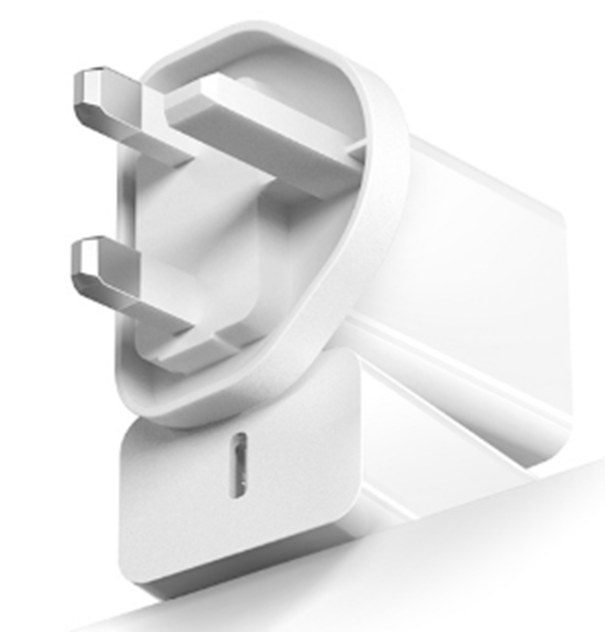
- Adattatore di alimentazione con spina per Regno Unito
Frequently Asked Questions
How Many LEDs Can You Run With a Driver
There is no specific limit to the number of LED lights that can be powered by a driver. However, the driver’s capacity is determined by the total wattage of the LED lights it is powering.
How Many Years Do LED Drivers Last
The lifespan of LED drivers can vary depending on factors such as design features, heat sink efficiency, capacitor construction, and overall quality. It can range from 10,000 to over 50,000 hours. The graph above provides a comparison of the lifespans of different types of lighting.
Why Are LED Drivers So Expensive
LED drivers are more expensive because LED bulbs are more complex than halogens. The technology used in LED bulbs, as well as the manufacturing process, is more sophisticated. LED bulbs require more parts to be made, and certain components, such as bulbs containing a driver, can be costly even before construction.
What Fails in LED Driver
If the selected LED driver’s maximum output voltage is lower than VoH, it may not be able to provide the necessary power at low temperatures. Conversely, if the selected LED driver’s minimum voltage is higher than the driver output, it may exceed the working range at high temperatures.
What Happens if You Overload an LED Driver
It is indeed true that increasing the power to an LED will make it brighter. However, it is important to note that the increase in brightness diminishes as you continue to overload the LED driver. For instance, if your LED bulb is designed to handle a current of 200 mA, and you drive it with a constant current driver at 400 mA, you will not achieve double the lumen output.







