
What is 0-10V Dimming
0-10V dimming is a lighting control protocol used to adjust the lighting intensity of fixtures. The system works by using a DC voltage signal that ranges from 0V to 10V, with the highest intensity at 10V and the lowest at 0V. This protocol is widely used in commercial and residential applications and is compatible with LED and fluorescent fixtures.
Lasciati ispirare dalla gamma di sensori di movimento Rayzeek.
Non trovi quello che cerchi? Non preoccuparti. Ci sono sempre modi alternativi per risolvere i tuoi problemi. Forse una delle nostre linee di prodotti può aiutarti.
There are two standards for 0-10V dimming: IES Standard 60929 Annex E and Standard ESTA E1.3. The primary difference between the standards is how the control voltage is generated or carried. IES Standard 60929 Annex E uses current sink control, where the device under control sources the voltage to the controller, but the controller reduces the returned voltage to the lighting fixtures. Standard ESTA E1.3 uses current source control, where the controller sources the low voltage to the controlled device, and the device under control adjusts the lighting intensity according to the voltage, scaling to maximum intensity at 10V and minimum at 0V.
The 0-10V dimming system is easy to use and allows for smooth operation of light and dimming at the light level of 10%, 1%, and 0.1%. It is a reliable and effective lighting control system that is beneficial for reducing power consumption, increasing lamp life, and creating different atmospheres for various activities.
Forse ti interessa anche

- Sensore di presenza PIR da soffitto con uscita a relè con contatto pulito
- Alimentazione a bassa tensione 12/24VDC o 12/24VAC
- Contatti relè isolati COM, NO e NC per ingressi EMS, HVAC e controllo dell'edificio

- Interruttore con sensore di movimento a microonde da soffitto a incasso a bassa tensione DC
- Ingresso 12 VDC / 24 VDC con intervallo 10-30 VDC
- Corrente massima di lavoro 10A con ritardo temporale, soglia Lux e sensibilità regolabili
- Interruttore con sensore di movimento a microonde da soffitto a incasso per carichi più elevati
- Ingresso tensione di rete 100-265 VAC, modello da 10A
- Rilevamento a microonde a 5.8 GHz con ritardo temporale, soglia Lux e sensibilità regolabili
- Interruttore con sensore di movimento a microonde da soffitto a incasso
- Ingresso tensione di rete 100-265 VAC, modello da 5A
- Rilevamento a microonde a 5.8 GHz con ritardo temporale, soglia Lux e sensibilità regolabili
- Dimmer con sensore di presenza PIR da soffitto RZ037 per alimentazione a 220V
- Corrente massima di lavoro 3A con carico nominale di 660W
- Il pulsante LUX controlla l'accensione/spegnimento del sensore di luce e la luminosità di regolazione impostata dall'utente
- Dimmer con sensore di presenza PIR da soffitto RZ037 per alimentazione a 110V
- Corrente massima di lavoro 3A con carico nominale di 330W
- Il pulsante LUX controlla l'accensione/spegnimento del sensore di luce e la luminosità di regolazione impostata dall'utente

- Interruttore con sensore di movimento a microonde da soffitto a bassa tensione DC
- Ingresso 12 VDC / 24 VDC con intervallo 10-30 VDC
- Corrente massima di lavoro 10A con ritardo temporale, soglia Lux e sensibilità regolabili
- Interruttore con sensore di movimento a microonde da soffitto per carichi più elevati
- Ingresso tensione di rete 100-265 VAC, modello da 10A
- Rilevamento a microonde a 5.8 GHz con ritardo temporale, soglia Lux e sensibilità regolabili
- Interruttore con sensore di movimento a microonde da soffitto
- Ingresso tensione di rete 100-265 VAC, modello da 5A
- Rilevamento a microonde a 5.8 GHz con ritardo temporale, soglia Lux e sensibilità regolabili

- Interruttore con sensore di movimento PIR da soffitto a incasso a bassa tensione DC
- Ingresso 12 VDC / 24 VDC con intervallo 10-30 VDC
- Corrente massima di lavoro 10A con ritardo temporale, soglia Lux e sensibilità regolabili

- Interruttore con sensore di movimento PIR da soffitto a incasso per carichi più elevati
- Ingresso tensione di rete 100-265 VAC, modello da 10A
- Rilevamento a 360 gradi con ritardo, soglia Lux e sensibilità regolabili
- Interruttore con sensore di movimento PIR da soffitto a incasso
- Ingresso tensione di rete 100-265 VAC, modello da 5A
- Rilevamento a 360 gradi con ritardo, soglia Lux e sensibilità regolabili

- Kit interruttore e ricevitore wireless per il controllo dell'illuminazione ON/OFF per interni
- Ricevitore 100-230VAC, 50/60Hz con corrente nominale di 5A
- Interruttore wireless alimentato da CR2032 con comunicazione a 2.4GHz
- Presenza (Auto-ON/Auto-OFF)
- 12–24V DC (10–30VDC), fino a 10A
- Copertura a 360°, diametro 8–12 m
- Ritardo da 15 s a 30 min
- Sensore di luce Off/15/25/35 Lux
- Sensibilità Alta/Bassa
- Modalità presenza Auto-ON/Auto-OFF
- 100–265V AC, 10A (neutro richiesto)
- Copertura a 360°; diametro di rilevamento 8–12 m
- Ritardo 15 s–30 min; Lux OFF/15/25/35; Sensibilità Alta/Bassa
- Modalità presenza Auto-ON/Auto-OFF
- 100–265V AC, 5A (neutro richiesto)
- Copertura a 360°; diametro di rilevamento 8–12 m
- Ritardo 15 s–30 min; Lux OFF/15/25/35; Sensibilità Alta/Bassa
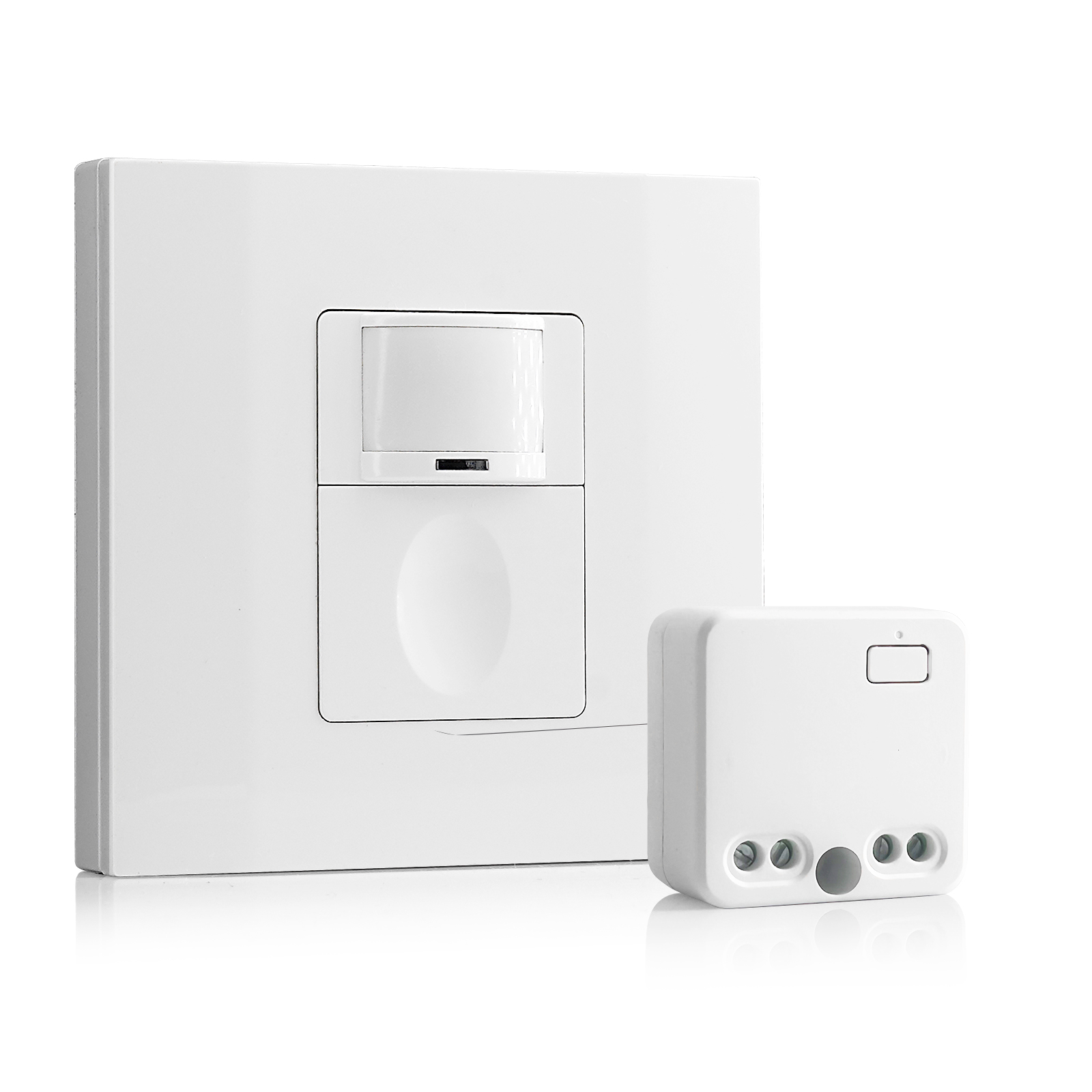
- 100V-230VAC
- Distanza di trasmissione: fino a 20m
- Sensore di movimento wireless
- Controllo cablato
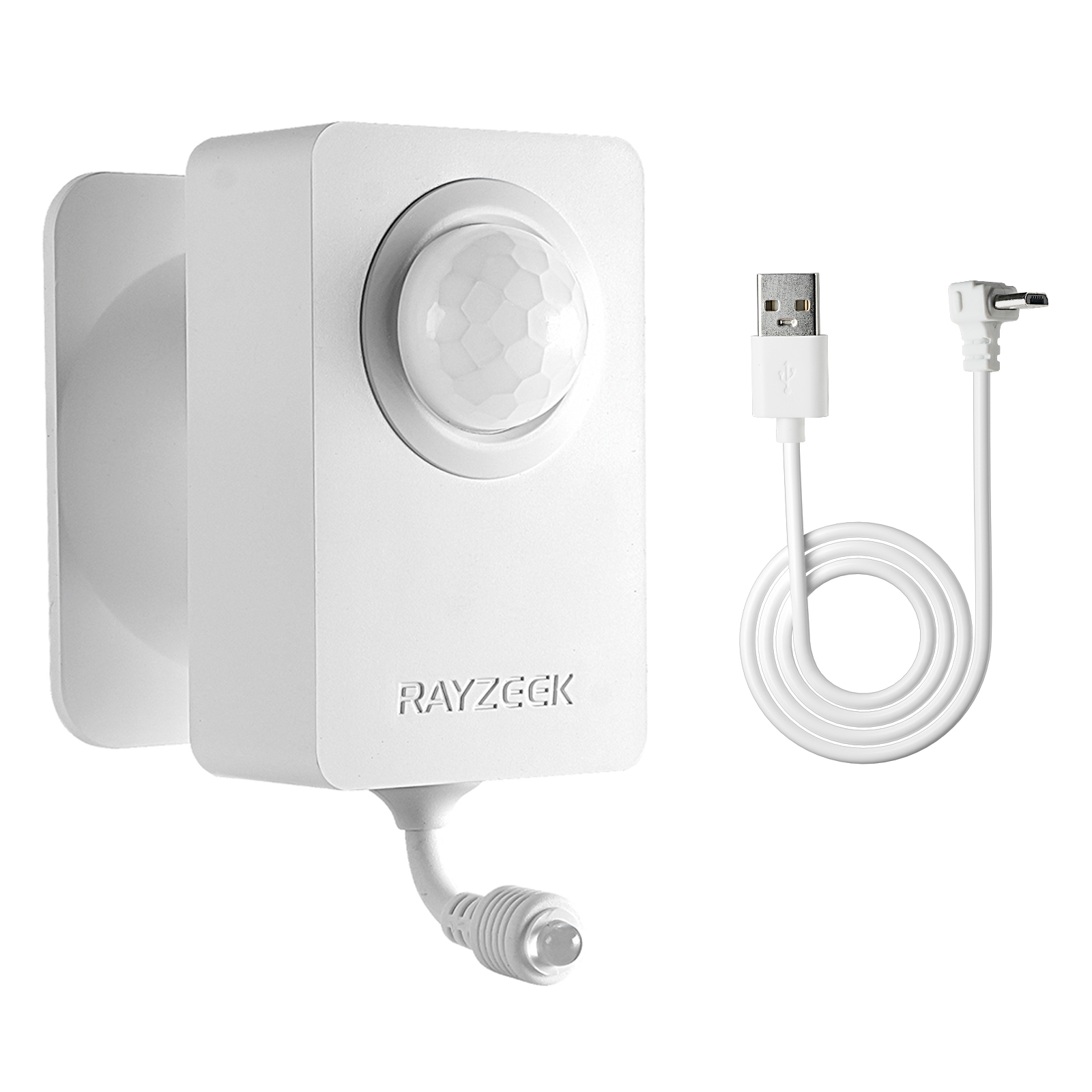
- Tensione: 2 batterie AAA / 5 V CC (Micro USB)
- Modalità Giorno/Notte
- Ritardo di spegnimento: 15 min, 30 min, 1 h (predefinito), 2 h
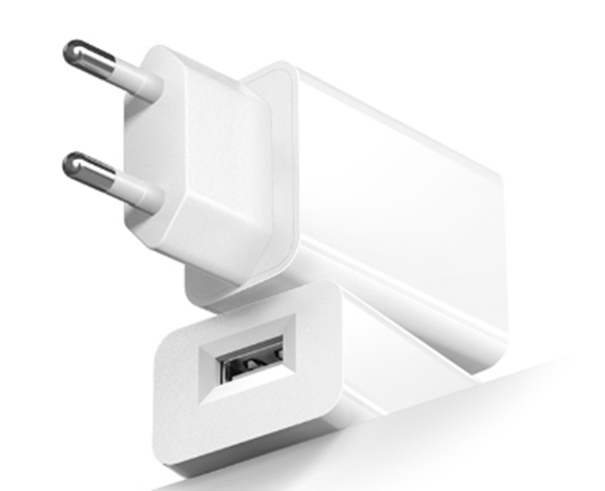
- Adattatore di alimentazione con spina UE
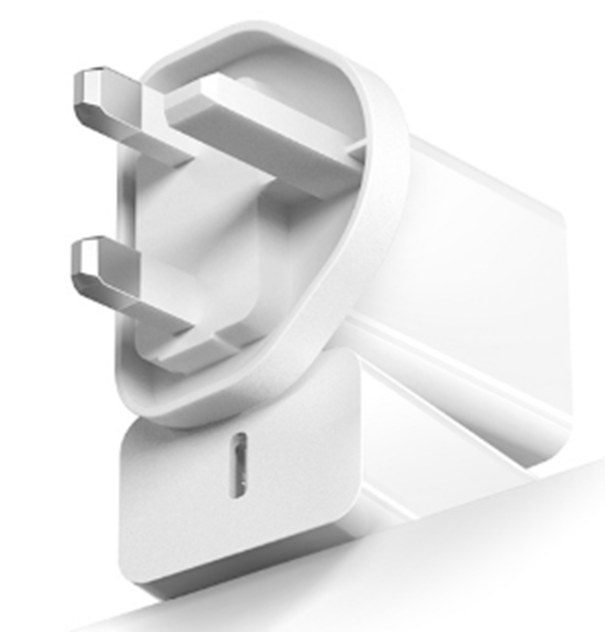
- Adattatore di alimentazione con spina per Regno Unito
Frequently Asked Questions
Why Do We Use 0-10v Dimming
Benefits of 0-10V dimming include the ability to reduce power when dimming, which helps maintain the efficiency of LED lamps. This not only saves money but also extends the lifespan of the lamps since they are current-driven.
Where Do You Use 0-10v Dimming
0-10V dimming systems are utilized in various settings such as office buildings, retail offices, entertainment venues, commercial spaces, and theaters for lighting purposes. This system is compatible with a wide range of LED light bulbs and products including wall packs, area lights, strip lights, high bays, floodlights, and retrofit kits.
Does 0-10v Dimming Flicker
Flickering issues in 0-10V dimming or digital low-voltage controls can often arise due to the use of conflicting drivers in the product mix, dimmer and driver’s dimming circuitry incompatibility, and noise on the low-voltage wiring. This noise can frequently be caused by the pickup of a 60Hz signal from a nearby high voltage wire.
What Is the Difference Between 0-10v Dimming and 1-10v Dimming
The direction of the current between the dimmer and driver is the primary difference between 0-10V and 1-10V dimming. While 0-10V is a current source system that requires a mains connection to the dimmer for providing power to the 0-10V signals, 1-10V is a current sink system.
Do Dimmed Lights Use More Electricity
When you use a standard dimmer switch to dim domestic lights, you consume less electricity. Dimmers function by cutting off a portion of the mains cycle, typically 50 or 100 times per second. Therefore, dimming certainly reduces the amount of electrical power consumed.
Do LED Lights Use Less Power Dimmed
Indeed, LED lights consume less power when dimmed. This is because the energy consumption of an LED is directly proportional to its brightness level. Hence, an LED that is dimmed will consume less energy compared to an LED that is operating at maximum brightness, even if they are identical.
What Is the Difference Between Phase Dimming and 0-10v
Phase dimming and 0-10V dimming are two different methods of controlling the intensity of light. While phase dimming uses AC voltage to control the brightness of the light, 0-10V dimming applies a direct current voltage (DC) between 0 and 10 Volts to produce light at varying intensity levels. Although 0-10V dimming requires additional low voltage wiring, it is more accurate than AC phase dimming. At 10V, the lights controlled by the dimmer are at 100% brightness.
What Is the Maximum Distance for 0-10v Dimming
The recommended maximum distance for 0-10V dimming wires is 300′, which is determined based on 18ga wire.
How Far Can I Run a 0-10v Signal
For analog voltage signals like 0-10V, it is advisable to limit the cable length to 50 feet*. Although longer cable lengths can be used if certain factors are taken into account, it is generally safer to stay under 50 feet.
Are All 0-10v Dimmers Compatible
Essentially, a 0-10V dimmer works by applying a voltage ranging from 0 to 10 volts DC to regulate the intensity of the light. However, it is important to note that there are two different 0-10V standards that exist and they are not interchangeable. Therefore, it is crucial to determine which type of dimmer is needed to ensure compatibility.
Is ELV and 0-10v Dimming the Same
The DIM0-10VELV is a module that enables the conversion of a 0-10V dimming signal to an ELV reverse phase dimming signal, specifically designed for ELV dimmable lighting products. This module facilitates the use of standard 0-10V dimming control dimmers with ELV dimmable lighting products, ensuring a smooth dimming experience down to 1%.
Are Dimmable Lights Worth It
Dimmable LED lights are a great investment if you’re looking for an energy-efficient lighting option. Compared to traditional incandescent bulbs, LEDs use about 80% less energy and have a lifespan up to 25 times longer. By switching to LED lighting, you can save money on your energy bill in the long run.
What Wire Is Best for 0-10v Dimming
The commonly used wiring for 0-10V dimming is stranded-copper twisted-pair as it provides a stable current path. The recommended gauge wire size for this application ranges from 14AWG to 22 AWG, with the most widely recommended size being 18 AWG.
Is 0-10v Control AC or DC
The 0-10V control signal is a basic electronic lighting control system that was initially used as a fluorescent dimming system. In this system, the control signal is a voltage that ranges between zero and ten volts and is DC in nature.
Does Lower Voltage Mean Dimmer Light
The reason for the dimming of the light bulb is due to the lower voltage applied, resulting in a lower current than usual. Since the resistance of the light bulb remains constant, the current follows the voltage proportionally. Therefore, the dimming is caused by the decrease in current, which is caused by the decrease in voltage.
Are All Fixtures Dimmable
Most fixtures that have standard sockets are capable of being dimmed by using incandescent or halogen bulbs. In fact, a lot of individuals use standard dimmers and controls to regulate the brightness of chandelier lighting, which helps to create a specific ambiance in the dining room.
When Should You Not Use a Dimmer Switch
To prevent overheating and potential damage to other devices, it is not recommended to use a dimmer switch for controlling receptacles, fluorescent lighting fixtures, or appliances that are operated by a motor or supplied by a transformer.
Is 0-10v Dimming a Source or Sink
The 0-10V / 1-10V dimmers are classified into two types: current source and current sink. Current source dimmers actively supply current to the circuit, while current sink dimmers act as a passive resistive load and dissipate current from a powered source.
What Are the Benefits of 0-10v Dimming
Dimming lighting intensity through a dimmer that uses the 0-10V dimming protocol can result in reduced power consumption for LEDs. This not only saves energy but also lowers electricity costs, making it an advantageous feature of 0-10V dimming.
Where Do You Use 0-10v Dimming
0-10V dimming systems are utilized in various settings such as office buildings, retail offices, entertainment venues, commercial spaces, and theaters to control lighting. This system can dim a wide range of products including LED light bulbs, wall packs, area lights, strip lights, high bays, floodlights, and retrofit kits.
How Many Lights Can a 0-10v Dimmer Handle
0-10V dimmers are capable of handling a large number of watts on a single switch. For instance, if you have 20 LED high bay fixtures that consume 100 watts each, you could potentially control them using one switch (although it is advisable to use more switches).







