
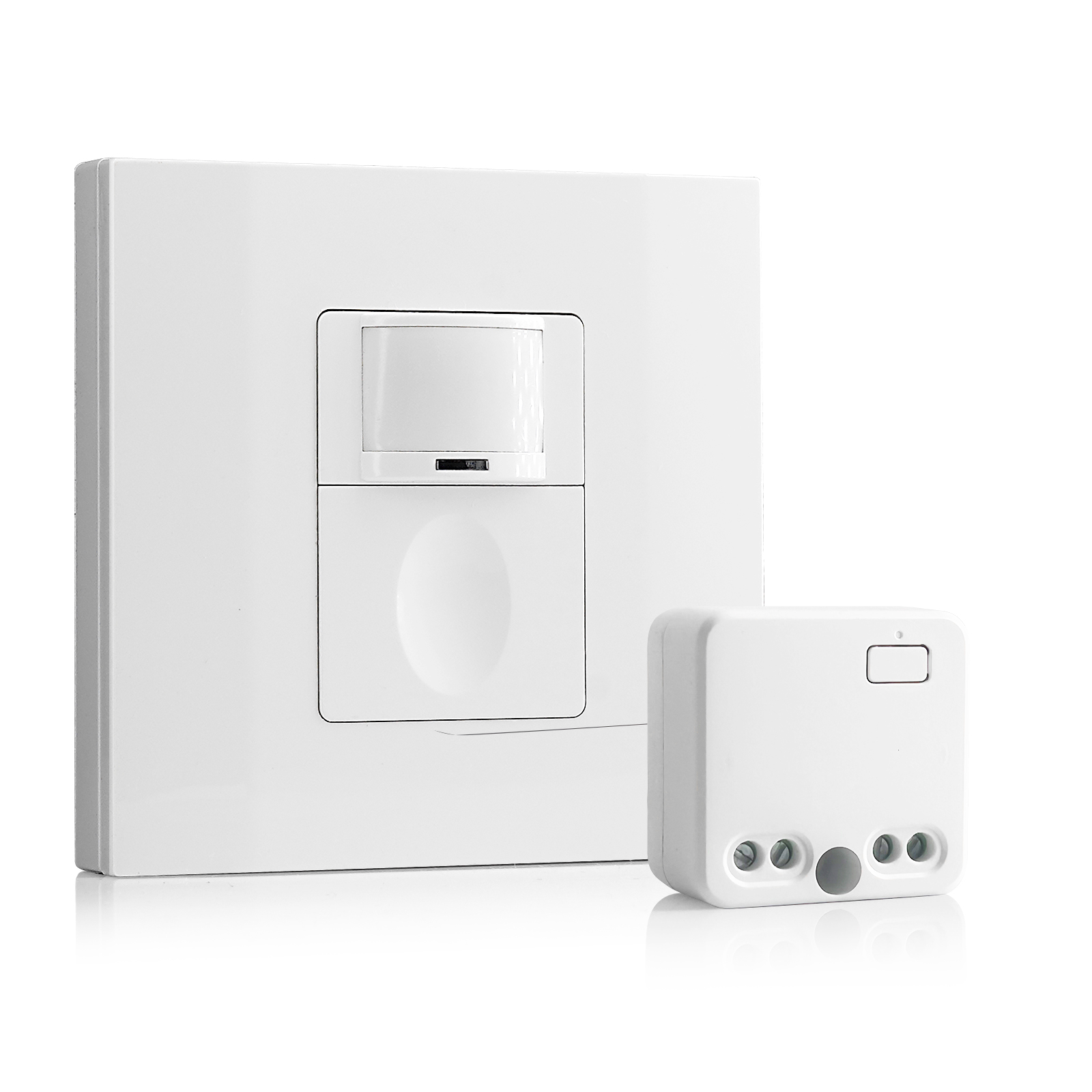
When placed correctly, indoor motion sensor lights provide great convenience, function, and savings. The principle is simple – the light motion sensor control is located in a wall switch unit, which is added as a replacement for the normal light wall switch. Once you add a couple of indoor motion light sensors to a few rooms in your house, you will wonder what you ever did without them.
The motion sensor switch uses your existing house wiring and is very easy to install. Instead of the normal switch, the wall switch plate for the motion light sensor will look like the picture above. After using these light sensors for many years, we’ve listed below some of the top uses for these products in an indoor environment.
How Motion Sensor Lights Work
When the light sensor in the new wall plate picks up motion, the light turns on. Once motion is detected, the sensor can typically be set to leave the light on for a fixed period of time (from 5 seconds to 25 minutes), or to turn the light off as soon as the sensor stops picking up motion. This automatic function saves money – the lights only stay on as long as you need them. These lights also typically include an on/off button, allowing you to simply turn the light off or on, regardless of whether there is motion in the room.
Installation and Cost Analysis
Installing motion sensor lights is straightforward. Most models are designed to use the same connections as standard light switches, which makes them a breeze to install with just a few basic tools. For those who are not as handy, a professional electrician can perform the installation quickly and ensure everything is set up for optimal performance.
Cerchi soluzioni per il risparmio energetico attivate dal movimento?
Contattaci per sensori di movimento PIR completi, prodotti per il risparmio energetico attivati dal movimento, interruttori con sensore di movimento e soluzioni commerciali di presenza/assenza.
The cost of motion sensor lights varies, but they are generally affordable and pay for themselves in energy savings over time. By reducing the amount of time lights remain on unnecessarily, homeowners can see a noticeable decrease in their energy bills.
Optimal Placement of Motion Sensor Lights
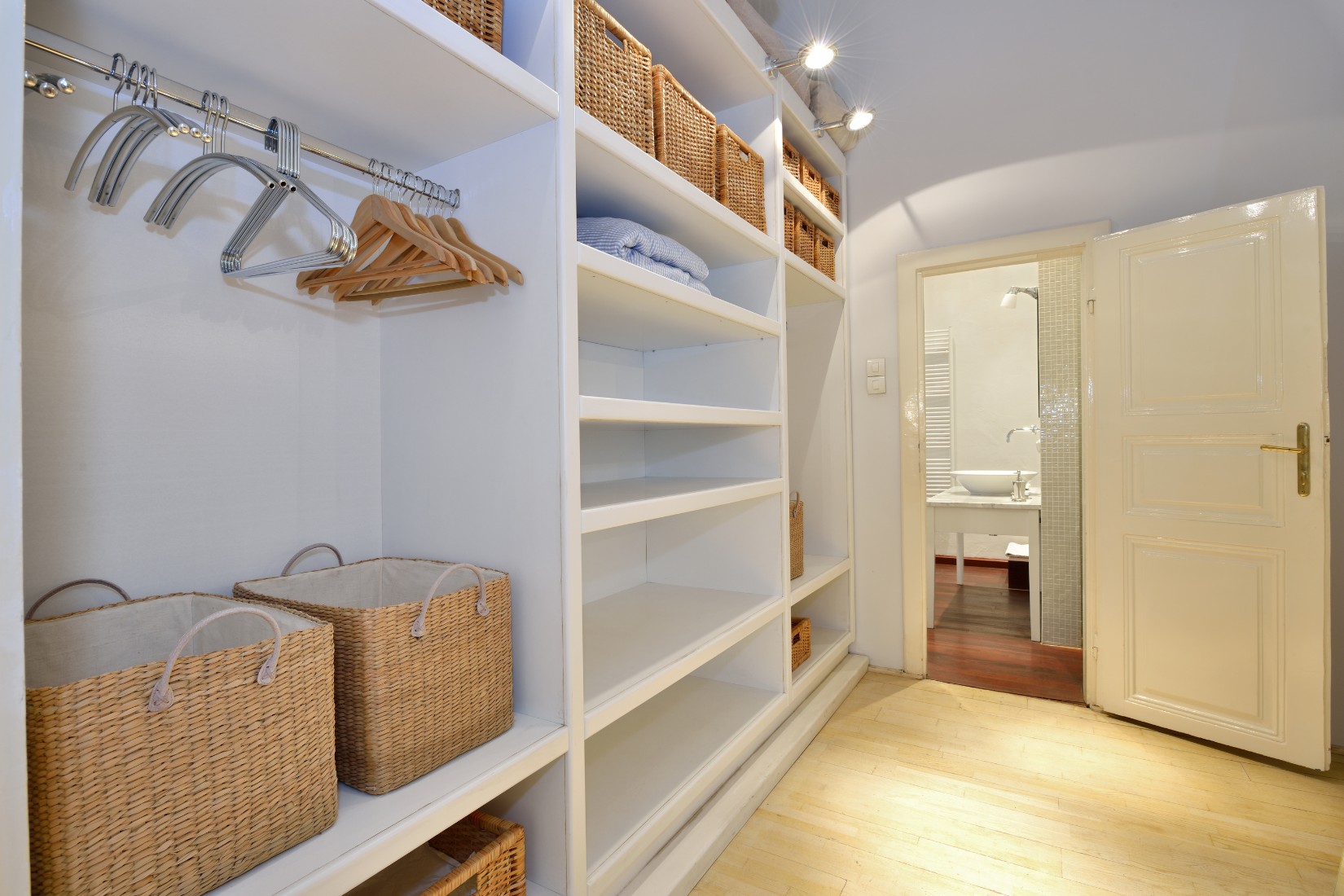
A key decision to make is determining what rooms in your house, based on your usage patterns, will work well with these motion detector light products. Here are some of the best choices we have found for these motion lights, based on the need for light in the room when there is motion:
- Closets
- Stairwells
- Hallways
- Food Pantry
- Garage
- Laundry Rooms
- Basements
- Attics
- Children’s Rooms
- More
Once you try an indoor motion light sensor, if you are like us, you will find a number of other uses. The savings you will see on your energy bill are nice too!
Additional Benefits of Motion Sensor Lights
Enhancing Safety
Motion sensor lights significantly enhance safety by illuminating dark areas when needed, reducing the risk of trips and falls in stairwells, hallways, and basements. This is particularly beneficial for homes with young children or elderly residents.
Security Improvements
By automatically lighting up areas like garages and entryways, motion sensor lights can deter potential intruders, adding an extra layer of security to your home.
Forse ti interessa anche

- Sensore di presenza PIR da soffitto con uscita a relè con contatto pulito
- Alimentazione a bassa tensione 12/24VDC o 12/24VAC
- Contatti relè isolati COM, NO e NC per ingressi EMS, HVAC e controllo dell'edificio

- Interruttore con sensore di movimento a microonde da soffitto a incasso a bassa tensione DC
- Ingresso 12 VDC / 24 VDC con intervallo 10-30 VDC
- Corrente massima di lavoro 10A con ritardo temporale, soglia Lux e sensibilità regolabili
- Interruttore con sensore di movimento a microonde da soffitto a incasso per carichi più elevati
- Ingresso tensione di rete 100-265 VAC, modello da 10A
- Rilevamento a microonde a 5.8 GHz con ritardo temporale, soglia Lux e sensibilità regolabili
- Interruttore con sensore di movimento a microonde da soffitto a incasso
- Ingresso tensione di rete 100-265 VAC, modello da 5A
- Rilevamento a microonde a 5.8 GHz con ritardo temporale, soglia Lux e sensibilità regolabili
- Dimmer con sensore di presenza PIR da soffitto RZ037 per alimentazione a 220V
- Corrente massima di lavoro 3A con carico nominale di 660W
- Il pulsante LUX controlla l'accensione/spegnimento del sensore di luce e la luminosità di regolazione impostata dall'utente
- Dimmer con sensore di presenza PIR da soffitto RZ037 per alimentazione a 110V
- Corrente massima di lavoro 3A con carico nominale di 330W
- Il pulsante LUX controlla l'accensione/spegnimento del sensore di luce e la luminosità di regolazione impostata dall'utente

- Interruttore con sensore di movimento a microonde da soffitto a bassa tensione DC
- Ingresso 12 VDC / 24 VDC con intervallo 10-30 VDC
- Corrente massima di lavoro 10A con ritardo temporale, soglia Lux e sensibilità regolabili
- Interruttore con sensore di movimento a microonde da soffitto per carichi più elevati
- Ingresso tensione di rete 100-265 VAC, modello da 10A
- Rilevamento a microonde a 5.8 GHz con ritardo temporale, soglia Lux e sensibilità regolabili
- Interruttore con sensore di movimento a microonde da soffitto
- Ingresso tensione di rete 100-265 VAC, modello da 5A
- Rilevamento a microonde a 5.8 GHz con ritardo temporale, soglia Lux e sensibilità regolabili

- Interruttore con sensore di movimento PIR da soffitto a incasso a bassa tensione DC
- Ingresso 12 VDC / 24 VDC con intervallo 10-30 VDC
- Corrente massima di lavoro 10A con ritardo temporale, soglia Lux e sensibilità regolabili

- Interruttore con sensore di movimento PIR da soffitto a incasso per carichi più elevati
- Ingresso tensione di rete 100-265 VAC, modello da 10A
- Rilevamento a 360 gradi con ritardo, soglia Lux e sensibilità regolabili
- Interruttore con sensore di movimento PIR da soffitto a incasso
- Ingresso tensione di rete 100-265 VAC, modello da 5A
- Rilevamento a 360 gradi con ritardo, soglia Lux e sensibilità regolabili

- Kit interruttore e ricevitore wireless per il controllo dell'illuminazione ON/OFF per interni
- Ricevitore 100-230VAC, 50/60Hz con corrente nominale di 5A
- Interruttore wireless alimentato da CR2032 con comunicazione a 2.4GHz
- Presenza (Auto-ON/Auto-OFF)
- 12–24V DC (10–30VDC), fino a 10A
- Copertura a 360°, diametro 8–12 m
- Ritardo da 15 s a 30 min
- Sensore di luce Off/15/25/35 Lux
- Sensibilità Alta/Bassa
- Modalità presenza Auto-ON/Auto-OFF
- 100–265V AC, 10A (neutro richiesto)
- Copertura a 360°; diametro di rilevamento 8–12 m
- Ritardo 15 s–30 min; Lux OFF/15/25/35; Sensibilità Alta/Bassa
- Modalità presenza Auto-ON/Auto-OFF
- 100–265V AC, 5A (neutro richiesto)
- Copertura a 360°; diametro di rilevamento 8–12 m
- Ritardo 15 s–30 min; Lux OFF/15/25/35; Sensibilità Alta/Bassa
- 100V-230VAC
- Distanza di trasmissione: fino a 20m
- Sensore di movimento wireless
- Controllo cablato
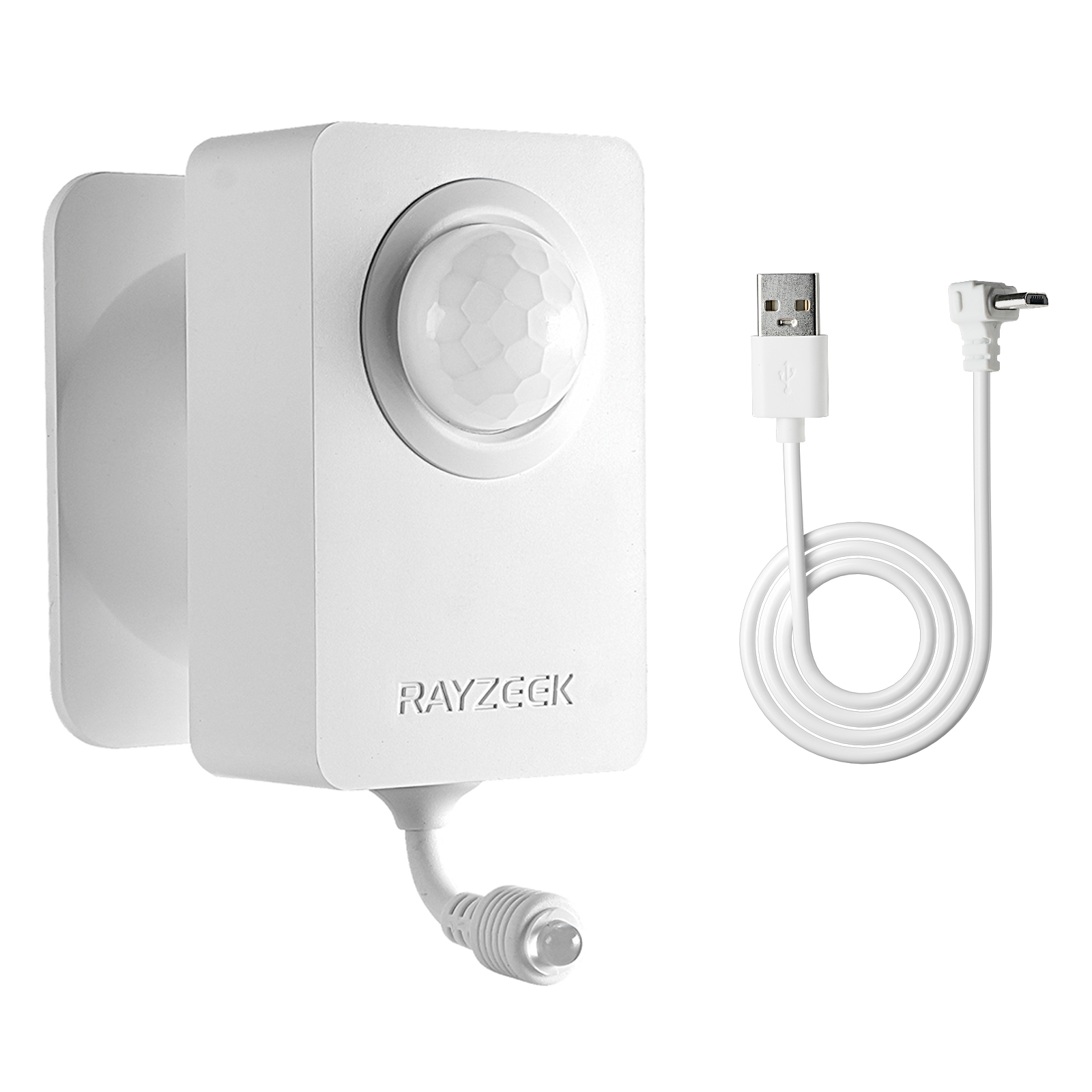
- Tensione: 2 batterie AAA / 5 V CC (Micro USB)
- Modalità Giorno/Notte
- Ritardo di spegnimento: 15 min, 30 min, 1 h (predefinito), 2 h
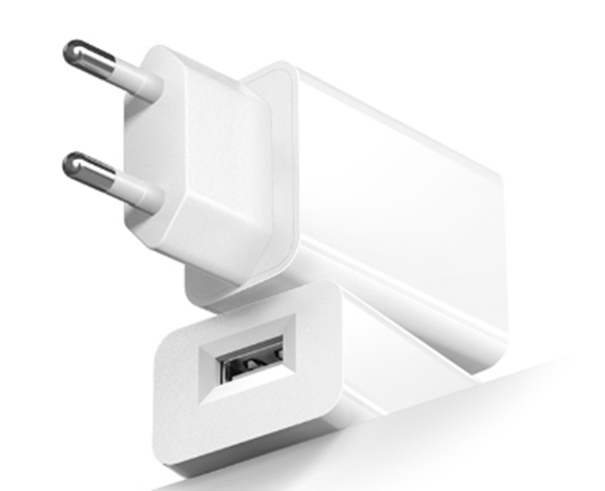
- Adattatore di alimentazione con spina UE
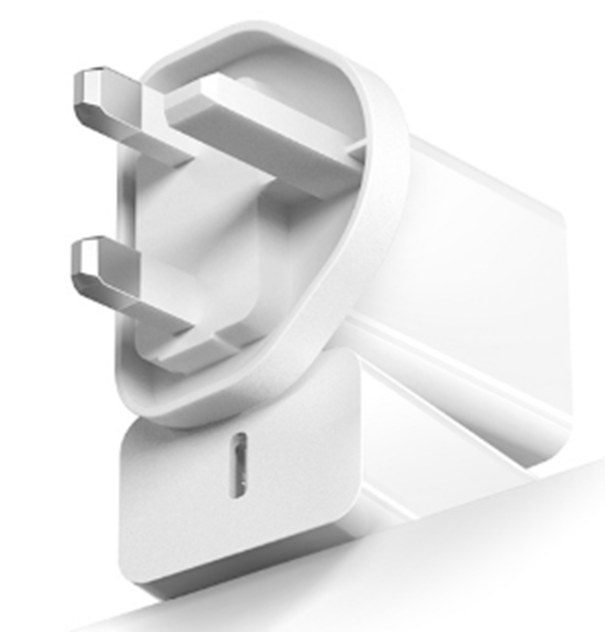
- Adattatore di alimentazione con spina per Regno Unito
Environmental Impact
Using motion sensor lights helps reduce energy consumption as they ensure lights are only on when necessary. This not only lowers your electricity bills but also contributes to a smaller carbon footprint.
Comparison with Traditional Lighting
Unlike traditional lighting systems that may remain on unnecessarily, motion sensor lights provide lighting only when it’s needed. This targeted use of light is more energy-efficient and cost-effective, making it a superior choice for environmentally conscious homeowners.
Troubleshooting and Maintenance
While motion sensor lights are generally reliable, like any technology, they can sometimes require troubleshooting. Common issues include sensitivity settings that need adjustment or periodic cleaning to ensure the sensor’s effectiveness. Regular maintenance typically involves checking these settings and keeping the sensor area free from dust and debris.
Conclusione
Indoor motion sensor lights are not just a technological upgrade to your home’s lighting system; they are a smart, economical, and safe choice for modern living. Whether you’re looking to save on your energy bills, improve your home security, or simply add convenience to your daily life, these lights are an excellent investment. Once you experience the benefits firsthand, you’ll find even more ways to utilize these versatile tools in your home.







