
What is American National Standards Institute (ANSI)
ANSI (American National Standards Institute) is a private, not-for-profit organization in the development of voluntary standards and conformity assessment systems across various industries, including the lighting industry. While ANSI does not directly create American National Standards, it provides the necessary support and accreditation to standard development organizations (SDOs) responsible for their creation.
Dapatkan Inspirasi dari Portofolio Sensor Gerakan Rayzeek.
Tidak menemukan apa yang Anda inginkan? Jangan khawatir. Selalu ada cara alternatif untuk menyelesaikan masalah Anda. Mungkin salah satu portofolio kami dapat membantu.
ANSI monitors the standardization process and ensures its fairness and transparency by accrediting SDOs. By doing so, ANSI ensures that interested parties have the opportunity to participate in the standards development process. Additionally, ANSI collaborates with these organizations to establish consistent and rigorous assessment processes, ensuring that the standards are developed using a reliable methodology.
With a membership of over 1,000 organizations representing more than 270,000 companies, professional societies, trade associations, government agencies, and consumer and labor organizations, ANSI holds significant influence and represents the interests of millions of professionals worldwide. The standards developed by ANSI not only benefit businesses but also prioritize public safety and support the overall economy.
In the lighting industry, ANSI accredits SDOs such as ASTM International, Underwriters Laboratories, Inc., NFPA International, ASME International, ASHRAE, CSA America, Inc., and NSF International. These organizations play a vital role in developing and maintaining standards related to lighting products, installation, safety, energy efficiency, and other crucial aspects.
Mungkin Anda Tertarik Dengan

- Ceiling-mounted PIR occupancy sensor dengan output dry-contact relay
- Suplai tegangan rendah 12/24VDC atau 12/24VAC
- Kontak relai terisolasi COM, NO, dan NC untuk input EMS, HVAC, dan kontrol gedung

- Low-voltage DC recessed ceiling-mounted microwave motion sensor switch
- Input 12 VDC / 24 VDC dengan rentang 10-30 VDC
- Arus kerja maks 10A dengan waktu tunda (time delay), ambang batas Lux, dan sensitivitas yang dapat disesuaikan
- Higher-load recessed ceiling-mounted microwave motion sensor switch
- Input tegangan jala-jala 100-265 VAC, model 10A
- Penginderaan gelombang mikro 5.8 GHz dengan waktu tunda (time delay), ambang batas Lux, dan sensitivitas yang dapat disesuaikan
- Recessed ceiling-mounted microwave motion sensor switch
- Input tegangan jala-jala 100-265 VAC, model 5A
- Penginderaan gelombang mikro 5.8 GHz dengan waktu tunda (time delay), ambang batas Lux, dan sensitivitas yang dapat disesuaikan
- Ceiling-mounted RZ037 PIR occupancy sensor dimmer untuk daya 220V
- Arus kerja maksimum 3A dengan beban pengenal 660W
- Tombol LUX mengontrol ON/OFF sensor cahaya dan kecerahan peredupan yang diatur pengguna
- Ceiling-mounted RZ037 PIR occupancy sensor dimmer untuk daya 110V
- Arus kerja maksimum 3A dengan beban pengenal 330W
- Tombol LUX mengontrol ON/OFF sensor cahaya dan kecerahan peredupan yang diatur pengguna

- Sakelar sensor gerak gelombang mikro plafon DC tegangan rendah
- Input 12 VDC / 24 VDC dengan rentang 10-30 VDC
- Arus kerja maks 10A dengan waktu tunda (time delay), ambang batas Lux, dan sensitivitas yang dapat disesuaikan
- Sakelar sensor gerak gelombang mikro plafon beban lebih tinggi
- Input tegangan jala-jala 100-265 VAC, model 10A
- Penginderaan gelombang mikro 5.8 GHz dengan waktu tunda (time delay), ambang batas Lux, dan sensitivitas yang dapat disesuaikan
- Sakelar sensor gerak gelombang mikro plafon
- Input tegangan jala-jala 100-265 VAC, model 5A
- Penginderaan gelombang mikro 5.8 GHz dengan waktu tunda (time delay), ambang batas Lux, dan sensitivitas yang dapat disesuaikan

- Sakelar sensor gerak PIR tanam plafon DC tegangan rendah
- Input 12 VDC / 24 VDC dengan rentang 10-30 VDC
- Arus kerja maks 10A dengan jeda waktu, ambang batas Lux, dan sensitivitas yang dapat disesuaikan

- Sakelar sensor gerak PIR tanam plafon beban lebih tinggi
- Input tegangan jala-jala 100-265 VAC, model 10A
- Deteksi 360 derajat dengan jeda waktu, ambang batas Lux, dan sensitivitas yang dapat disesuaikan
- Sakelar sensor gerak PIR tanam plafon
- Input tegangan jala-jala 100-265 VAC, model 5A
- Deteksi 360 derajat dengan jeda waktu, ambang batas Lux, dan sensitivitas yang dapat disesuaikan

- Kit penerima dan sakelar nirkabel untuk kontrol pencahayaan ON/OFF dalam ruangan
- Penerima 100-230VAC, 50/60Hz dengan arus nominal 5A
- Sakelar nirkabel bertenaga CR2032 dengan komunikasi 2.4GHz
- Okupansi (Auto-ON/Auto-OFF)
- 12–24V DC (10–30VDC), hingga 10A
- Cakupan 360°, diameter 8–12 m
- Jeda waktu 15 dtk–30 mnt
- Sensor cahaya Mati/15/25/35 Lux
- Sensitivitas Tinggi/Rendah
- Mode okupansi Auto-ON/Auto-OFF
- 100–265V AC, 10A (diperlukan kabel netral)
- Cakupan 360°; diameter deteksi 8–12 m
- Jeda waktu 15 dtk–30 mnt; Lux MATI/15/25/35; Sensitivitas Tinggi/Rendah
- Mode okupansi Auto-ON/Auto-OFF
- 100–265V AC, 5A (diperlukan kabel netral)
- Cakupan 360°; diameter deteksi 8–12 m
- Jeda waktu 15 dtk–30 mnt; Lux MATI/15/25/35; Sensitivitas Tinggi/Rendah
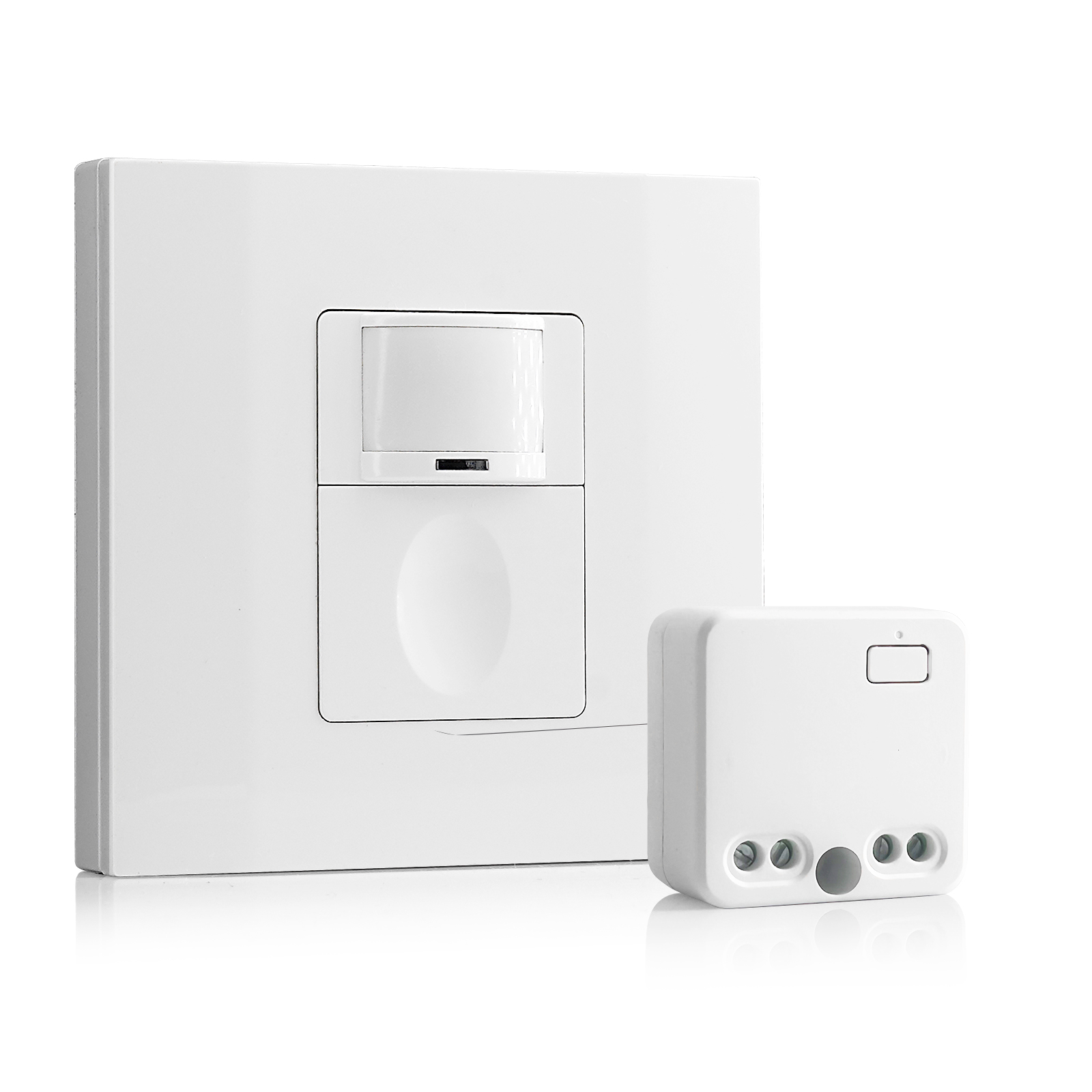
- 100V-230VAC
- Jarak Transmisi: hingga 20m
- Sensor gerak nirkabel
- Kontrol berkabel
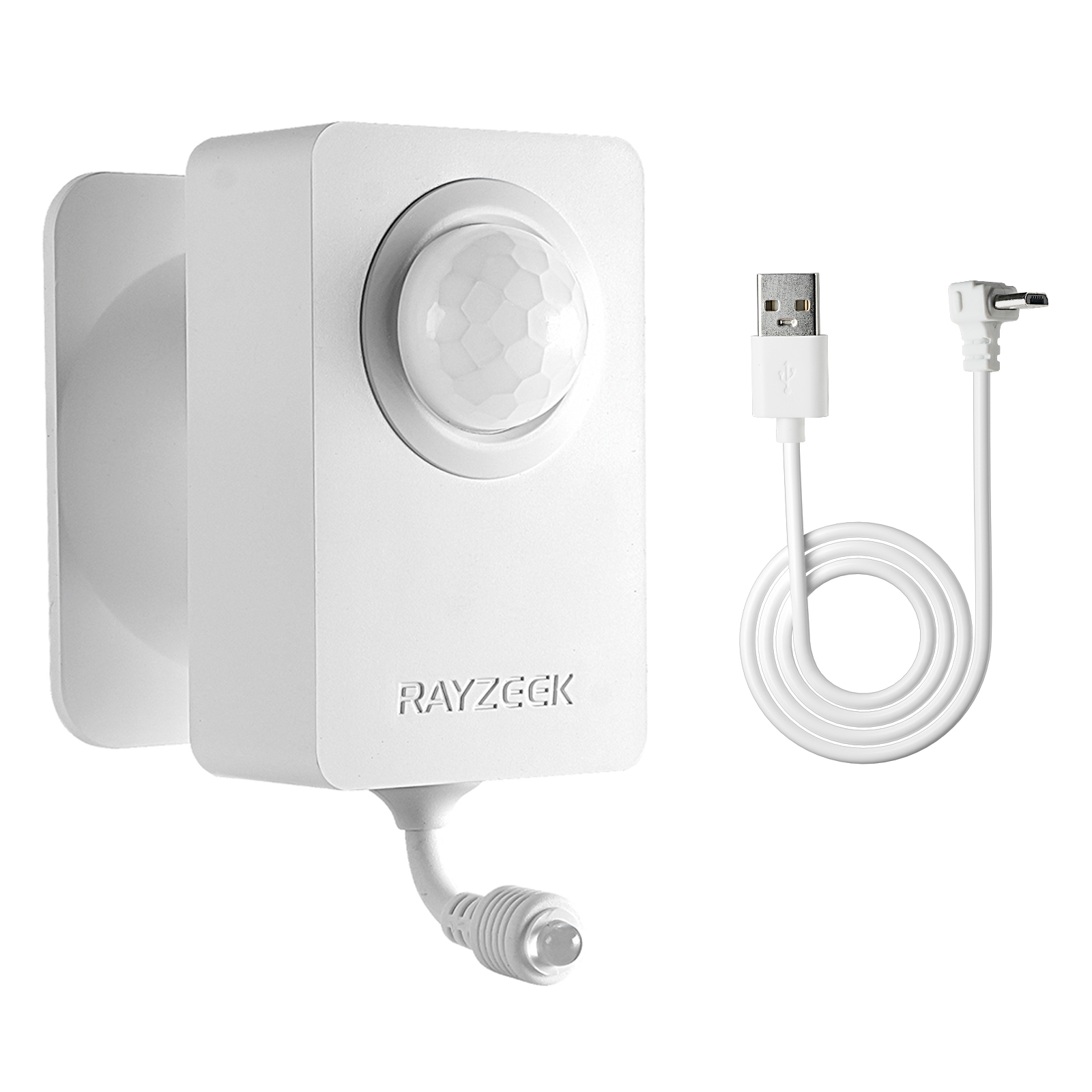
- Tegangan: 2x Baterai AAA / 5V DC (Micro USB)
- Mode Siang/Malam
- Jeda waktu: 15mnt, 30mnt, 1j (bawaan), 2j
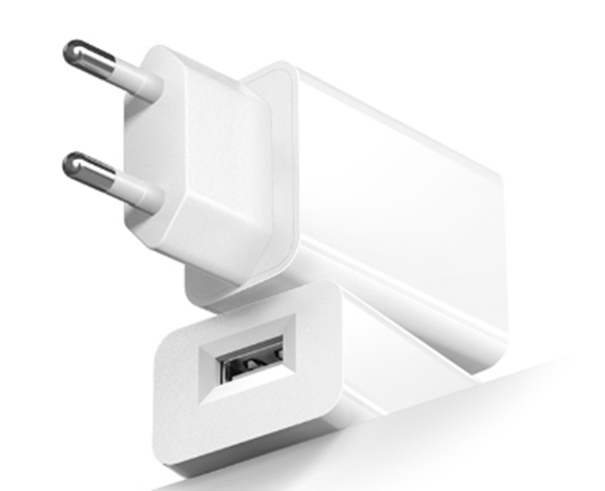
- Adaptor daya colokan UE
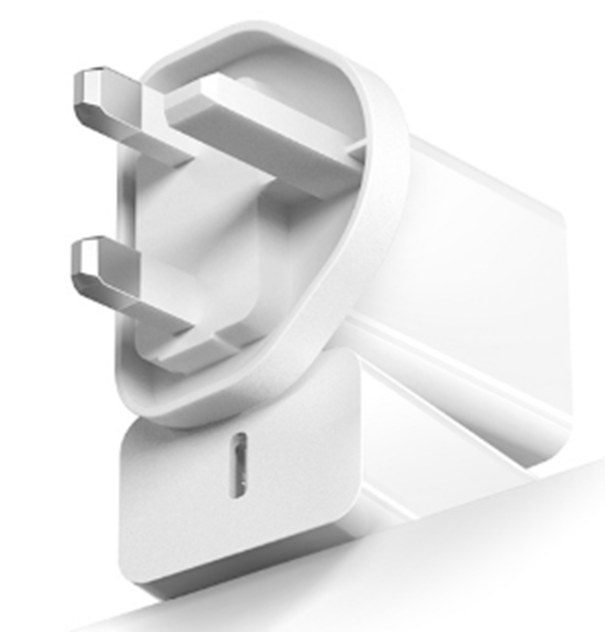
- Adaptor daya colokan Inggris
Frequently Asked Questions
What Does the American National Standards Institute ANSI Do
The American National Standards Institute is responsible for supervising and managing standards and conformity assessment activities within the United States.
What Does It Mean to Be ANSI Certified
Becoming ANSI certified signifies that the CCIFP certification adheres to the most rigorous standards. This instills an extra level of trust in the certification and those who possess the CCIFP designation. It also safeguards the credibility of ICCIFP and its legal defensibility.
Are ANSI Standards Mandatory
ANSI Standards are typically not mandatory, unlike OSHA laws and government standards which are always mandatory.
Who Do ANSI Standards Apply To
The ANSI standard is applicable to all types of detached single-family homes, including manufactured housing.
What Are the Benefits of ANSI Accreditation
Going through the process of ANSI accreditation can have several advantages. It can lead to cost reduction and increased efficiency in the global supply chain by implementing best practices, streamlining processes, and minimizing the need for multiple audits. Additionally, obtaining ANSI accreditation can provide an extra level of legal protection against unfounded claims.
Does OSHA Recognize ANSI Standards
ANSI standards can be adopted by OSHA and become legally binding in two main ways. One way is when OSHA explicitly references specific ANSI (or any other organization’s) standards in their regulations. This is known as “incorporation by reference”.
Does OSHA Use ANSI or ISO
The main distinction between OSHA, ANSI, and ISO standards lies in their enforceability. OSHA is a legally binding standard, whereas ANSI and ISO are voluntary standards.







