
What is Scotopic Lumens
Scotopic lumens, in the context of the lighting industry, refer to the measurement of light output that takes into account the sensitivity of the human eye to both cone and rod photoreceptors. Unlike photopic lumens, which measure the sensitivity of our eyes under intense lighting conditions, scotopic lumens are associated with our ability to see in low light or weak light situations. The rods in our eyes are responsible for detecting this type of light and regulating the size of the pupil, which directly affects visual acuity for tasks.
It is important to note that scotopic lumens cannot be measured using a standard light meter. Standard light meters only measure the sensitivity of the eye to cone-activated vision in the fovea (photopic) region of the retina, completely ignoring the impact of vision with rod activation (scotopic). However, recent research has shown that rod photoreceptors are active in weak light and typical interior light levels.
Mencari Solusi Hemat Energi Berbasis Sensor Gerak?
Hubungi kami untuk sensor gerak PIR lengkap, produk hemat energi berbasis sensor gerak, sakelar sensor gerak, serta solusi komersial Occupancy/Vacancy.
The combination of photopic and scotopic luminosity provides a more accurate representation of how the human eye perceives light at average interior light levels. Therefore, lighting manufacturers and designers have started to consider the scotopic-to-photopic ratio (S/P ratio) when designing lighting solutions. A higher S/P ratio, achieved by using light sources with higher color temperatures, can result in sharper vision, improved color rendering, reduced visual fatigue, decreased disability glare, and enhanced performance for tasks.
Mungkin Anda Tertarik Dengan

- Ceiling-mounted PIR occupancy sensor dengan output dry-contact relay
- Suplai tegangan rendah 12/24VDC atau 12/24VAC
- Kontak relai terisolasi COM, NO, dan NC untuk input EMS, HVAC, dan kontrol gedung

- Low-voltage DC recessed ceiling-mounted microwave motion sensor switch
- Input 12 VDC / 24 VDC dengan rentang 10-30 VDC
- Arus kerja maks 10A dengan waktu tunda (time delay), ambang batas Lux, dan sensitivitas yang dapat disesuaikan
- Higher-load recessed ceiling-mounted microwave motion sensor switch
- Input tegangan jala-jala 100-265 VAC, model 10A
- Penginderaan gelombang mikro 5.8 GHz dengan waktu tunda (time delay), ambang batas Lux, dan sensitivitas yang dapat disesuaikan
- Recessed ceiling-mounted microwave motion sensor switch
- Input tegangan jala-jala 100-265 VAC, model 5A
- Penginderaan gelombang mikro 5.8 GHz dengan waktu tunda (time delay), ambang batas Lux, dan sensitivitas yang dapat disesuaikan
- Ceiling-mounted RZ037 PIR occupancy sensor dimmer untuk daya 220V
- Arus kerja maksimum 3A dengan beban pengenal 660W
- Tombol LUX mengontrol ON/OFF sensor cahaya dan kecerahan peredupan yang diatur pengguna
- Ceiling-mounted RZ037 PIR occupancy sensor dimmer untuk daya 110V
- Arus kerja maksimum 3A dengan beban pengenal 330W
- Tombol LUX mengontrol ON/OFF sensor cahaya dan kecerahan peredupan yang diatur pengguna

- Sakelar sensor gerak gelombang mikro plafon DC tegangan rendah
- Input 12 VDC / 24 VDC dengan rentang 10-30 VDC
- Arus kerja maks 10A dengan waktu tunda (time delay), ambang batas Lux, dan sensitivitas yang dapat disesuaikan
- Sakelar sensor gerak gelombang mikro plafon beban lebih tinggi
- Input tegangan jala-jala 100-265 VAC, model 10A
- Penginderaan gelombang mikro 5.8 GHz dengan waktu tunda (time delay), ambang batas Lux, dan sensitivitas yang dapat disesuaikan
- Sakelar sensor gerak gelombang mikro plafon
- Input tegangan jala-jala 100-265 VAC, model 5A
- Penginderaan gelombang mikro 5.8 GHz dengan waktu tunda (time delay), ambang batas Lux, dan sensitivitas yang dapat disesuaikan

- Sakelar sensor gerak PIR tanam plafon DC tegangan rendah
- Input 12 VDC / 24 VDC dengan rentang 10-30 VDC
- Arus kerja maks 10A dengan jeda waktu, ambang batas Lux, dan sensitivitas yang dapat disesuaikan

- Sakelar sensor gerak PIR tanam plafon beban lebih tinggi
- Input tegangan jala-jala 100-265 VAC, model 10A
- Deteksi 360 derajat dengan jeda waktu, ambang batas Lux, dan sensitivitas yang dapat disesuaikan
- Sakelar sensor gerak PIR tanam plafon
- Input tegangan jala-jala 100-265 VAC, model 5A
- Deteksi 360 derajat dengan jeda waktu, ambang batas Lux, dan sensitivitas yang dapat disesuaikan

- Kit penerima dan sakelar nirkabel untuk kontrol pencahayaan ON/OFF dalam ruangan
- Penerima 100-230VAC, 50/60Hz dengan arus nominal 5A
- Sakelar nirkabel bertenaga CR2032 dengan komunikasi 2.4GHz
- Okupansi (Auto-ON/Auto-OFF)
- 12–24V DC (10–30VDC), hingga 10A
- Cakupan 360°, diameter 8–12 m
- Jeda waktu 15 dtk–30 mnt
- Sensor cahaya Mati/15/25/35 Lux
- Sensitivitas Tinggi/Rendah
- Mode okupansi Auto-ON/Auto-OFF
- 100–265V AC, 10A (diperlukan kabel netral)
- Cakupan 360°; diameter deteksi 8–12 m
- Jeda waktu 15 dtk–30 mnt; Lux MATI/15/25/35; Sensitivitas Tinggi/Rendah
- Mode okupansi Auto-ON/Auto-OFF
- 100–265V AC, 5A (diperlukan kabel netral)
- Cakupan 360°; diameter deteksi 8–12 m
- Jeda waktu 15 dtk–30 mnt; Lux MATI/15/25/35; Sensitivitas Tinggi/Rendah
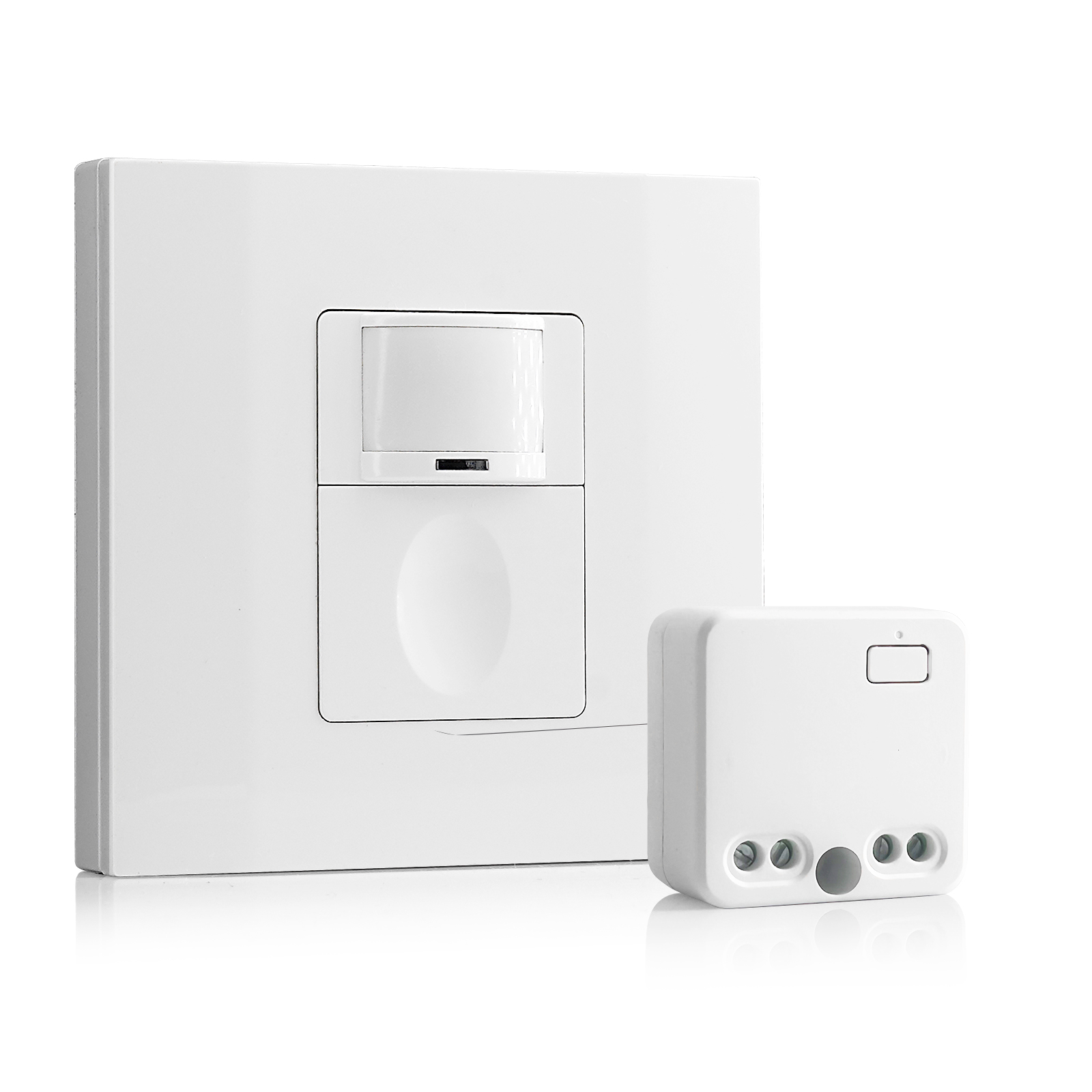
- 100V-230VAC
- Jarak Transmisi: hingga 20m
- Sensor gerak nirkabel
- Kontrol berkabel
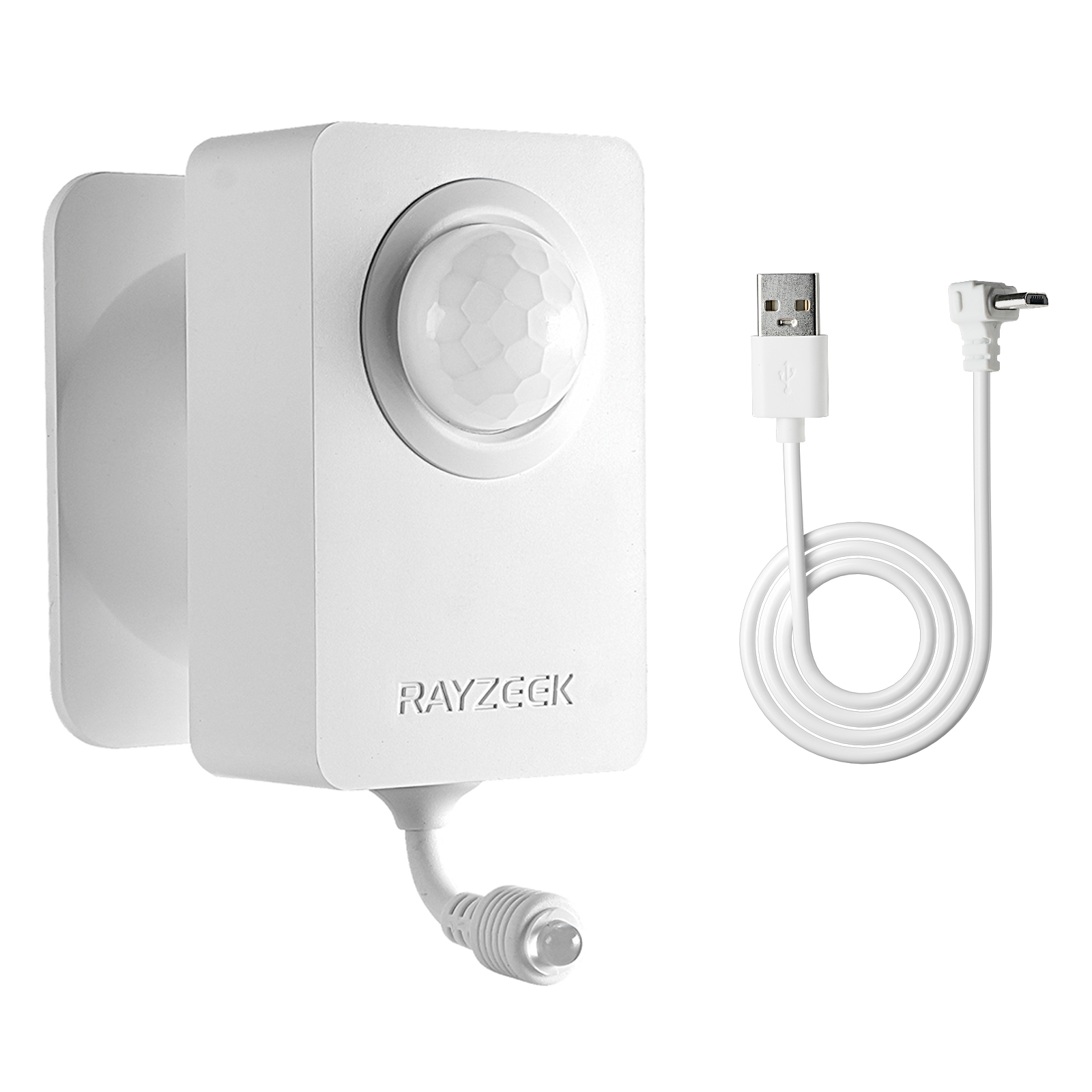
- Tegangan: 2x Baterai AAA / 5V DC (Micro USB)
- Mode Siang/Malam
- Jeda waktu: 15mnt, 30mnt, 1j (bawaan), 2j
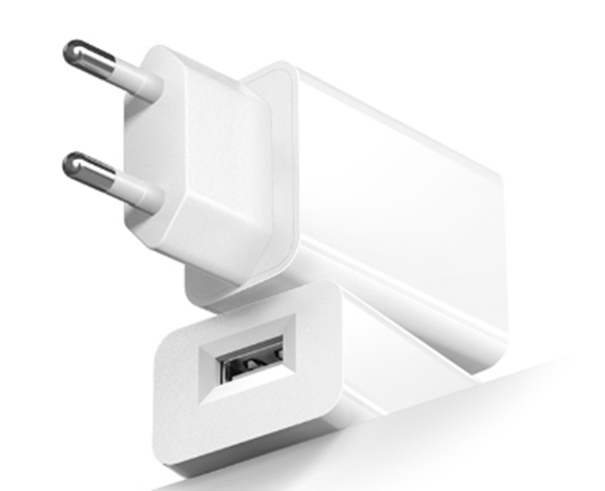
- Adaptor daya colokan UE
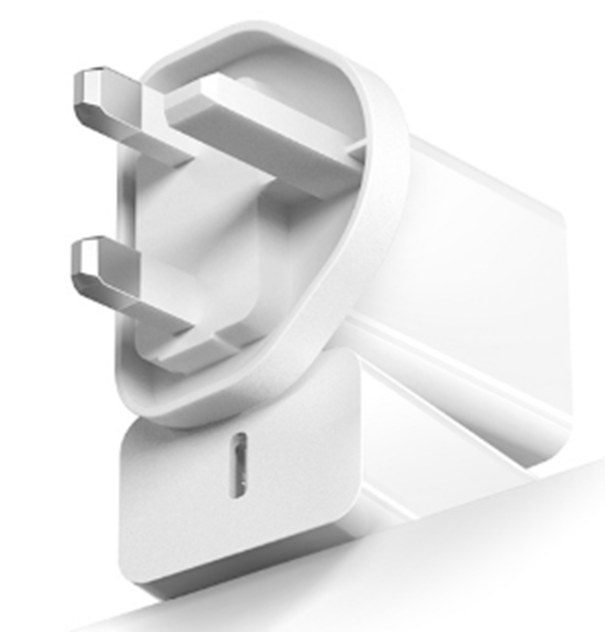
- Adaptor daya colokan Inggris
Frequently Asked Questions
What Is Photopic Lighting
Photopic lighting, also known as cone vision, pertains to the adaptation levels of 3 candelas per square meter (cd/m^2) and above. It refers to the overall brightness of the environment that your eyes have adjusted to.
What Is the Difference Between Scotopic and Photopic Lighting
Scotopic lighting relies solely on rods for vision, resulting in the perception of objects in black and white. On the other hand, photopic lighting utilizes cones and enables the perception of color.
Is Moonlight Photopic or Scotopic
Once the sun is below the horizon, the transition from photopic to mesopic and eventually to scotopic vision begins during twilight. It is important to note that scotopic vision is only fully achieved when there is no significant light source present. However, it should be noted that even moonlight, despite being relatively bright, can hinder complete scotopic operation.
What Is Another Name for Scotopic Vision
Also known as twilight vision, scotopic vision can be compared to photopic vision.







