

What is OLED
OLED stands for Organic Light Emitting Diode. It is a technology used in the lighting industry for general lighting and automotive applications. OLED lighting panels are composed of thin layers of carbon-based organic materials sandwiched between two electrodes. When a direct current is applied, light is emitted through a process called electroluminescence.
Mencari Solusi Hemat Energi Berbasis Sensor Gerak?
Hubungi kami untuk sensor gerak PIR lengkap, produk hemat energi berbasis sensor gerak, sakelar sensor gerak, serta solusi komersial Occupancy/Vacancy.
OLED lighting has homogeneous light emission, which means that the light is evenly distributed across the entire surface of the panel. This creates a broad, low-glare lighting source with no hot spots. OLED panels are also known for their ultra-thin and lightweight form factor, making them versatile and suitable for various applications.
The color of light emitted by OLEDs is determined by the structure of the organic molecule used in the panel. This allows for a wide variety of emission colors, enabling designers to create customized lighting solutions. For white light, a carefully selected mixture of organic materials is used to achieve the desired spectrum.
OLED lighting offers benefits, including energy efficiency, as it does not require additional components like diffusors or heatsinks. It is also environmentally friendly, as it does not contain toxic materials like mercury. Additionally, OLED panels can be selectively addressed, allowing for communication through motion and branding with light.
Mungkin Anda Tertarik Dengan

- Ceiling-mounted PIR occupancy sensor dengan output dry-contact relay
- Suplai tegangan rendah 12/24VDC atau 12/24VAC
- Kontak relai terisolasi COM, NO, dan NC untuk input EMS, HVAC, dan kontrol gedung

- Low-voltage DC recessed ceiling-mounted microwave motion sensor switch
- Input 12 VDC / 24 VDC dengan rentang 10-30 VDC
- Arus kerja maks 10A dengan waktu tunda (time delay), ambang batas Lux, dan sensitivitas yang dapat disesuaikan
- Higher-load recessed ceiling-mounted microwave motion sensor switch
- Input tegangan jala-jala 100-265 VAC, model 10A
- Penginderaan gelombang mikro 5.8 GHz dengan waktu tunda (time delay), ambang batas Lux, dan sensitivitas yang dapat disesuaikan
- Recessed ceiling-mounted microwave motion sensor switch
- Input tegangan jala-jala 100-265 VAC, model 5A
- Penginderaan gelombang mikro 5.8 GHz dengan waktu tunda (time delay), ambang batas Lux, dan sensitivitas yang dapat disesuaikan
- Ceiling-mounted RZ037 PIR occupancy sensor dimmer untuk daya 220V
- Arus kerja maksimum 3A dengan beban pengenal 660W
- Tombol LUX mengontrol ON/OFF sensor cahaya dan kecerahan peredupan yang diatur pengguna
- Ceiling-mounted RZ037 PIR occupancy sensor dimmer untuk daya 110V
- Arus kerja maksimum 3A dengan beban pengenal 330W
- Tombol LUX mengontrol ON/OFF sensor cahaya dan kecerahan peredupan yang diatur pengguna

- Sakelar sensor gerak gelombang mikro plafon DC tegangan rendah
- Input 12 VDC / 24 VDC dengan rentang 10-30 VDC
- Arus kerja maks 10A dengan waktu tunda (time delay), ambang batas Lux, dan sensitivitas yang dapat disesuaikan
- Sakelar sensor gerak gelombang mikro plafon beban lebih tinggi
- Input tegangan jala-jala 100-265 VAC, model 10A
- Penginderaan gelombang mikro 5.8 GHz dengan waktu tunda (time delay), ambang batas Lux, dan sensitivitas yang dapat disesuaikan
- Sakelar sensor gerak gelombang mikro plafon
- Input tegangan jala-jala 100-265 VAC, model 5A
- Penginderaan gelombang mikro 5.8 GHz dengan waktu tunda (time delay), ambang batas Lux, dan sensitivitas yang dapat disesuaikan

- Sakelar sensor gerak PIR tanam plafon DC tegangan rendah
- Input 12 VDC / 24 VDC dengan rentang 10-30 VDC
- Arus kerja maks 10A dengan jeda waktu, ambang batas Lux, dan sensitivitas yang dapat disesuaikan

- Sakelar sensor gerak PIR tanam plafon beban lebih tinggi
- Input tegangan jala-jala 100-265 VAC, model 10A
- Deteksi 360 derajat dengan jeda waktu, ambang batas Lux, dan sensitivitas yang dapat disesuaikan
- Sakelar sensor gerak PIR tanam plafon
- Input tegangan jala-jala 100-265 VAC, model 5A
- Deteksi 360 derajat dengan jeda waktu, ambang batas Lux, dan sensitivitas yang dapat disesuaikan

- Kit penerima dan sakelar nirkabel untuk kontrol pencahayaan ON/OFF dalam ruangan
- Penerima 100-230VAC, 50/60Hz dengan arus nominal 5A
- Sakelar nirkabel bertenaga CR2032 dengan komunikasi 2.4GHz
- Okupansi (Auto-ON/Auto-OFF)
- 12–24V DC (10–30VDC), hingga 10A
- Cakupan 360°, diameter 8–12 m
- Jeda waktu 15 dtk–30 mnt
- Sensor cahaya Mati/15/25/35 Lux
- Sensitivitas Tinggi/Rendah
- Mode okupansi Auto-ON/Auto-OFF
- 100–265V AC, 10A (diperlukan kabel netral)
- Cakupan 360°; diameter deteksi 8–12 m
- Jeda waktu 15 dtk–30 mnt; Lux MATI/15/25/35; Sensitivitas Tinggi/Rendah
- Mode okupansi Auto-ON/Auto-OFF
- 100–265V AC, 5A (diperlukan kabel netral)
- Cakupan 360°; diameter deteksi 8–12 m
- Jeda waktu 15 dtk–30 mnt; Lux MATI/15/25/35; Sensitivitas Tinggi/Rendah
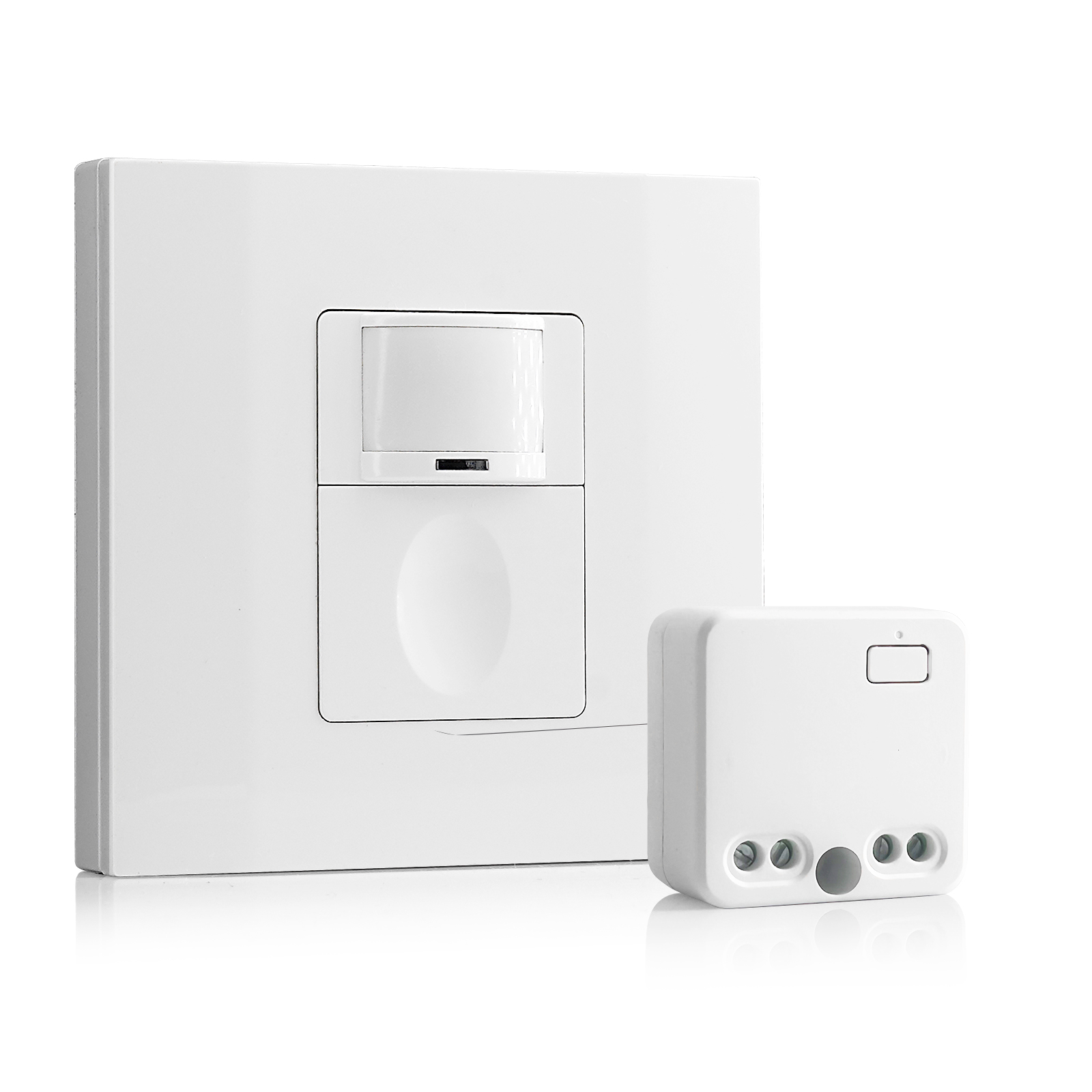
- 100V-230VAC
- Jarak Transmisi: hingga 20m
- Sensor gerak nirkabel
- Kontrol berkabel
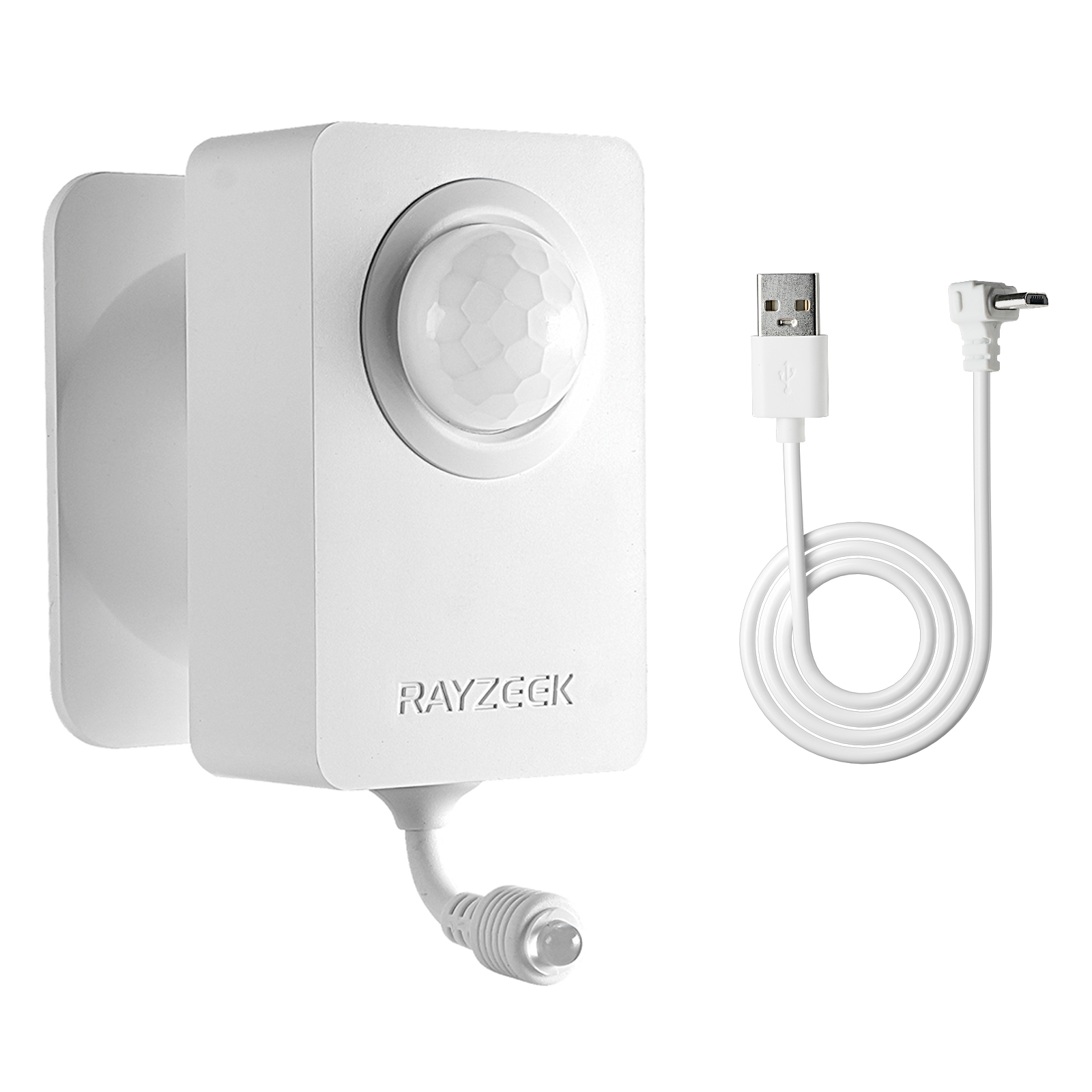
- Tegangan: 2x Baterai AAA / 5V DC (Micro USB)
- Mode Siang/Malam
- Jeda waktu: 15mnt, 30mnt, 1j (bawaan), 2j
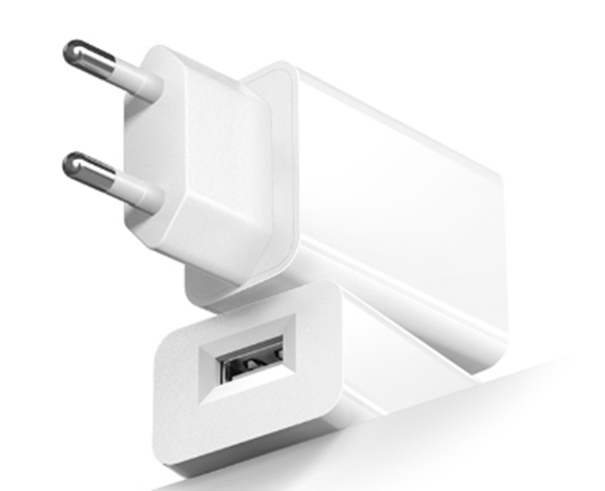
- Adaptor daya colokan UE
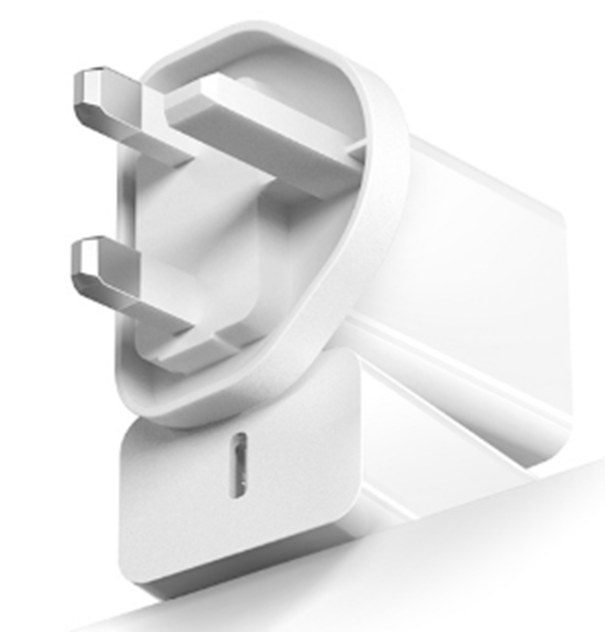
- Adaptor daya colokan Inggris
Frequently Asked Questions
Which Is Better for Eyes LED or OLED
In terms of eye health, OLED monitors are a superior choice compared to LED/LCD panels. This is because OLED monitors emit only half as much blue light as LED monitors, which is crucial in reducing potential harm caused by high energy visual light. Therefore, it is important to prioritize the reduction of blue light as much as possible, making OLED monitors a better option for your eyes.
What Does OLED Mean in Lighting
OLED stands for organic LEDs, indicating that the primary components of these lighting devices are organic materials derived from carbon. Unlike traditional LEDs that emit light from small points, OLEDs are manufactured in sheet form, making them diffuse-area light sources.
What Is the Difference Between LED and OLED Lighting
Traditional LEDs are typically coated with yellow phosphor, while OLEDs utilize organic compounds. In terms of environmental friendliness, OLEDs are considered even more advantageous than LEDs due to their lack of UV rays. Additionally, OLEDs boast a color rendering index (CRI) of 90 or higher, which is comparable to natural sunlight.
What Are the Benefits of OLED Lighting
OLEDWorks panels have a significantly longer lifespan compared to inefficient incandescent light bulbs, lasting over 30 times longer. Research and tests indicate that OLED lighting is becoming as efficient as LEDs, which already offer up to 80 percent better efficiency. This highlights the clear energy-saving advantages of OLED lighting over traditional light bulbs.
What Is the Disadvantage of OLED Lighting
Besides the mentioned benefits of OLED lighting, there are a few drawbacks to consider. One of the disadvantages is the relatively shorter lifespan compared to some other display technologies. This shorter lifespan is primarily attributed to the blue organic material used in OLED lighting, although continuous improvements are being made. Additionally, OLED lighting may have poor readability in direct sunlight.
Is OLED Good or Bad for Eyes
To put it simply, OLED displays are beneficial for your eye health. They provide a more natural illumination, improved color contrast, and a broader range of colors.
Which Is Better for Picture Quality OLED or LED
While LED displays can show up to 4K resolution, OLED displays consistently start at that pixel count. In terms of picture quality, OLEDs generally offer better performance due to their ability to individually control each pixel, resulting in enhanced contrast and more accurate representation of colors, as well as improved rendering of light and dark areas within the image.
Which Is Good LED or OLED
OLED displays, in general, have a lower maximum brightness compared to LED-lit displays. The light output of OLED displays, typically measured in nits, usually reaches a peak of around 1,000. On the other hand, LED-lit models can achieve much higher levels, ranging from 5,000 to 8,000 nits.







