

What is Driver
In the lighting industry, specifically in LED lighting, a driver refers to an LED driver. An LED driver is a self-contained power supply that regulates the power required for an LED or an array of LEDs. Its main function is to convert the incoming alternating current (AC) into direct current (DC) and provide the necessary voltage and current to power the LEDs.
LED drivers are essential components in LED lighting systems as they ensure the proper functioning and longevity of LED lights. They regulate the power supply to the LEDs, protecting them from voltage fluctuations and power surges that could potentially damage the LEDs. LED drivers also provide additional functionalities such as dimming control, allowing users to adjust the brightness of the LED lights.
Dapatkan Inspirasi dari Portofolio Sensor Gerakan Rayzeek.
Tidak menemukan apa yang Anda inginkan? Jangan khawatir. Selalu ada cara alternatif untuk menyelesaikan masalah Anda. Mungkin salah satu portofolio kami dapat membantu.
By converting the AC power into DC power and providing stable and regulated voltage and current, LED drivers ensure optimal performance and efficiency of the LEDs. They help maintain the longevity of the LEDs by preventing them from operating outside their specified voltage range. LED drivers are designed to match the electrical requirements of LED bulbs and fittings, providing the necessary power and protection for reliable and consistent lighting.
Mungkin Anda Tertarik Dengan

- Ceiling-mounted PIR occupancy sensor dengan output dry-contact relay
- Suplai tegangan rendah 12/24VDC atau 12/24VAC
- Kontak relai terisolasi COM, NO, dan NC untuk input EMS, HVAC, dan kontrol gedung

- Low-voltage DC recessed ceiling-mounted microwave motion sensor switch
- Input 12 VDC / 24 VDC dengan rentang 10-30 VDC
- Arus kerja maks 10A dengan waktu tunda (time delay), ambang batas Lux, dan sensitivitas yang dapat disesuaikan
- Higher-load recessed ceiling-mounted microwave motion sensor switch
- Input tegangan jala-jala 100-265 VAC, model 10A
- Penginderaan gelombang mikro 5.8 GHz dengan waktu tunda (time delay), ambang batas Lux, dan sensitivitas yang dapat disesuaikan
- Recessed ceiling-mounted microwave motion sensor switch
- Input tegangan jala-jala 100-265 VAC, model 5A
- Penginderaan gelombang mikro 5.8 GHz dengan waktu tunda (time delay), ambang batas Lux, dan sensitivitas yang dapat disesuaikan
- Ceiling-mounted RZ037 PIR occupancy sensor dimmer untuk daya 220V
- Arus kerja maksimum 3A dengan beban pengenal 660W
- Tombol LUX mengontrol ON/OFF sensor cahaya dan kecerahan peredupan yang diatur pengguna
- Ceiling-mounted RZ037 PIR occupancy sensor dimmer untuk daya 110V
- Arus kerja maksimum 3A dengan beban pengenal 330W
- Tombol LUX mengontrol ON/OFF sensor cahaya dan kecerahan peredupan yang diatur pengguna

- Sakelar sensor gerak gelombang mikro plafon DC tegangan rendah
- Input 12 VDC / 24 VDC dengan rentang 10-30 VDC
- Arus kerja maks 10A dengan waktu tunda (time delay), ambang batas Lux, dan sensitivitas yang dapat disesuaikan
- Sakelar sensor gerak gelombang mikro plafon beban lebih tinggi
- Input tegangan jala-jala 100-265 VAC, model 10A
- Penginderaan gelombang mikro 5.8 GHz dengan waktu tunda (time delay), ambang batas Lux, dan sensitivitas yang dapat disesuaikan
- Sakelar sensor gerak gelombang mikro plafon
- Input tegangan jala-jala 100-265 VAC, model 5A
- Penginderaan gelombang mikro 5.8 GHz dengan waktu tunda (time delay), ambang batas Lux, dan sensitivitas yang dapat disesuaikan

- Sakelar sensor gerak PIR tanam plafon DC tegangan rendah
- Input 12 VDC / 24 VDC dengan rentang 10-30 VDC
- Arus kerja maks 10A dengan jeda waktu, ambang batas Lux, dan sensitivitas yang dapat disesuaikan

- Sakelar sensor gerak PIR tanam plafon beban lebih tinggi
- Input tegangan jala-jala 100-265 VAC, model 10A
- Deteksi 360 derajat dengan jeda waktu, ambang batas Lux, dan sensitivitas yang dapat disesuaikan
- Sakelar sensor gerak PIR tanam plafon
- Input tegangan jala-jala 100-265 VAC, model 5A
- Deteksi 360 derajat dengan jeda waktu, ambang batas Lux, dan sensitivitas yang dapat disesuaikan

- Kit penerima dan sakelar nirkabel untuk kontrol pencahayaan ON/OFF dalam ruangan
- Penerima 100-230VAC, 50/60Hz dengan arus nominal 5A
- Sakelar nirkabel bertenaga CR2032 dengan komunikasi 2.4GHz
- Okupansi (Auto-ON/Auto-OFF)
- 12–24V DC (10–30VDC), hingga 10A
- Cakupan 360°, diameter 8–12 m
- Jeda waktu 15 dtk–30 mnt
- Sensor cahaya Mati/15/25/35 Lux
- Sensitivitas Tinggi/Rendah
- Mode okupansi Auto-ON/Auto-OFF
- 100–265V AC, 10A (diperlukan kabel netral)
- Cakupan 360°; diameter deteksi 8–12 m
- Jeda waktu 15 dtk–30 mnt; Lux MATI/15/25/35; Sensitivitas Tinggi/Rendah
- Mode okupansi Auto-ON/Auto-OFF
- 100–265V AC, 5A (diperlukan kabel netral)
- Cakupan 360°; diameter deteksi 8–12 m
- Jeda waktu 15 dtk–30 mnt; Lux MATI/15/25/35; Sensitivitas Tinggi/Rendah
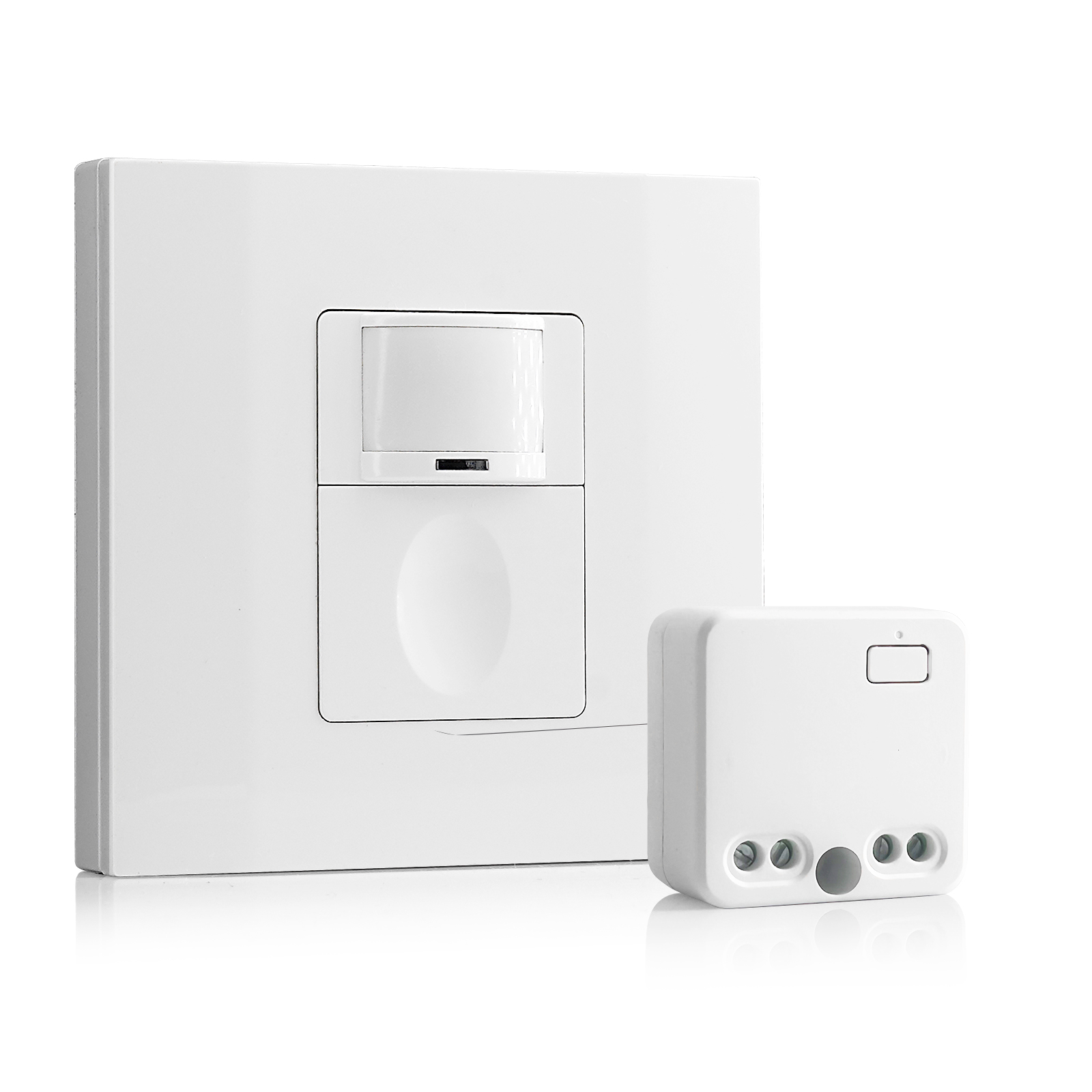
- 100V-230VAC
- Jarak Transmisi: hingga 20m
- Sensor gerak nirkabel
- Kontrol berkabel
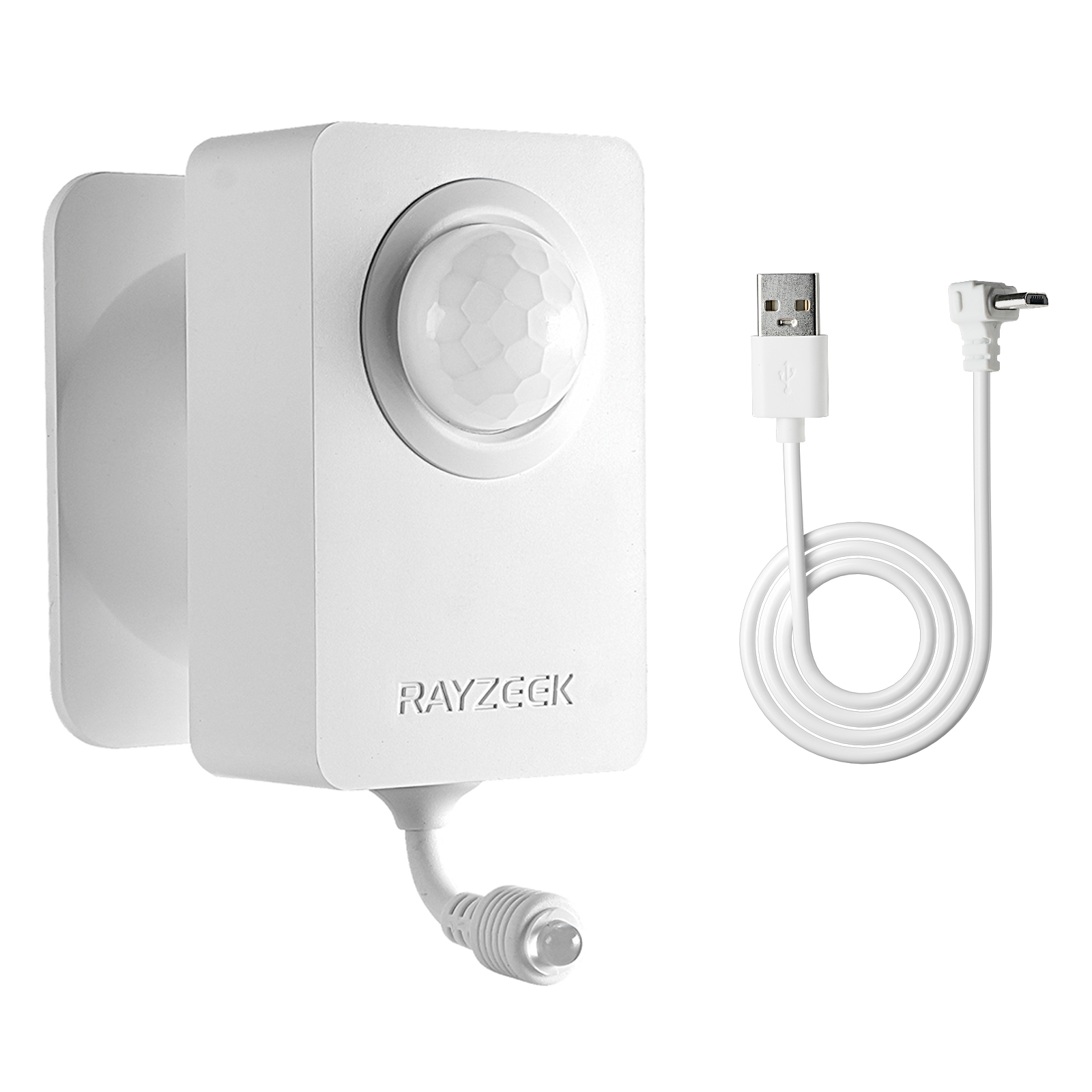
- Tegangan: 2x Baterai AAA / 5V DC (Micro USB)
- Mode Siang/Malam
- Jeda waktu: 15mnt, 30mnt, 1j (bawaan), 2j
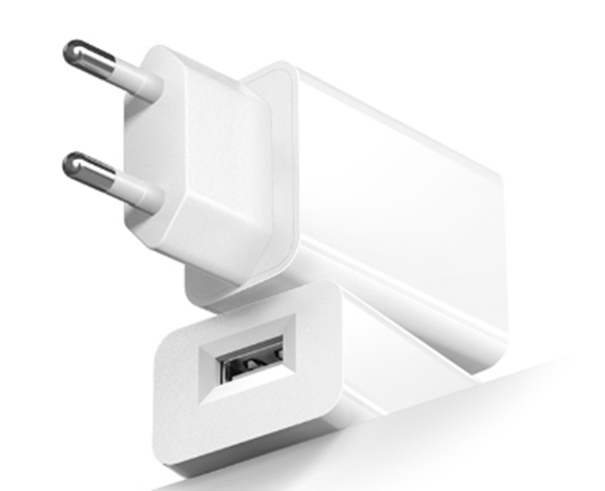
- Adaptor daya colokan UE
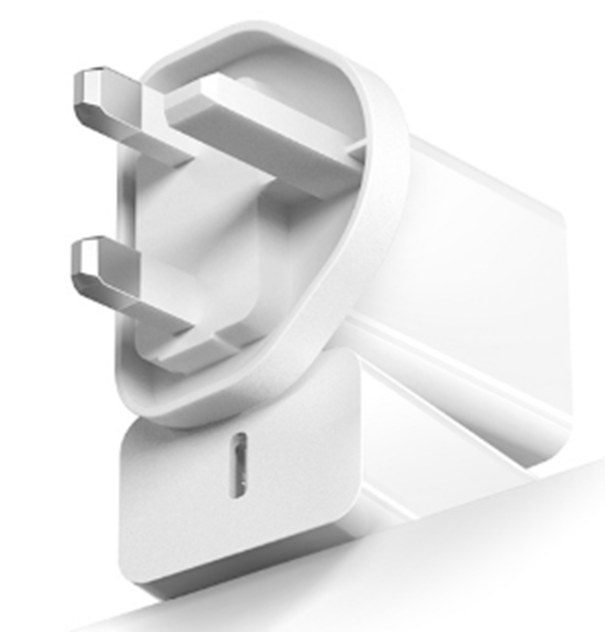
- Adaptor daya colokan Inggris
Frequently Asked Questions
Why Do LED Lights Need a Driver
LED lights require a driver because they need a constant direct current of 12v or 24v, which is lower than the voltage supplied by mains power. Therefore, all LED lights need an LED driver to convert the power supply into a more suitable one. This conversion helps prevent burnout and reduces the risk of fire.
What Is the Difference Between Ballast and Driver
As previously stated, fluorescent ballasts increase standard voltages to initiate the arc, whereas LED drivers decrease them to low-voltage levels (UL Class 2). This ensures that there is virtually no risk of fire or electric shock at the lamp level.
Can I Install LED Light Without Driver
This driver is responsible for converting the AC power from the mains into a suitable DC voltage to power the LED light. However, there have been advancements in technology, such as the introduction of AC driverless LED bulbs. These bulbs can be directly plugged into the AC mains without the need for any external driver modules.
Should I Use an LED Driver or Transformer
Depending on the specifications of your LED light strip or lighting setup, you may choose to use either an LED driver or an electronic transformer. However, it is recommended to use LED drivers as they provide better dimmability and longer lifespan for LEDs. Additionally, newer electronic transformers also offer TRIAC dimming capabilities.
How Many LEDs Can You Run With a Driver
There is no specific limit to the number of LED lights that can be powered by a driver. However, the driver’s capacity is determined by the total wattage of the LED lights it is powering.
What Causes a LED Driver to Fail
Even though LED drivers usually have a maximum operating temperature of 70 degrees Celsius, excessive exposure to direct sunlight can cause the temperature inside the LED driver to surpass this limit. As a result, the LED driver may fail.
How Many Years Do LED Drivers Last
The lifespan of LED drivers can vary depending on factors such as design features, heat sink efficiency, capacitor construction, and overall quality. It can range from 10,000 to over 50,000 hours. The graph above provides a comparison of the lifespans of different types of lighting.
Why Are LED Drivers So Expensive
LED drivers are more expensive because LED bulbs are more complex than halogens. The technology used in LED bulbs, as well as the manufacturing process, is more sophisticated. LED bulbs require more parts to be made, and certain components, such as bulbs containing a driver, can be costly even before construction.







