
What is Color Rendering Index (CRI)
Color Rendering Index (CRI) is a measurement to assess how accurately a light source can reproduce the colors of objects. It is represented on a numerical scale ranging from 0 to 100, with higher values indicating better color rendering capabilities. The purpose of CRI is to compare the color accuracy of objects under different light sources to how they would appear under natural light or incandescent lighting, which is considered the reference standard with a perfect CRI score of 100. A higher CRI value suggests that the light source can accurately render colors, while a lower CRI value may result in colors appearing distorted or unnatural.
CRI is important when choosing lighting fixtures or bulbs, particularly in settings where color accuracy is crucial, such as art galleries, retail stores, and photography studios. A CRI of 80 or above is generally considered good, while a CRI of 90 or better is considered excellent. CRI is different from color temperature, which measures the warmth or coolness of lighting in Kelvin. While color temperature is subjective and dependent on personal preference and the desired ambiance, CRI focuses on the ability of a light source to accurately reproduce colors.
Mungkin Anda Tertarik Dengan

- Ceiling-mounted PIR occupancy sensor dengan output dry-contact relay
- Suplai tegangan rendah 12/24VDC atau 12/24VAC
- Kontak relai terisolasi COM, NO, dan NC untuk input EMS, HVAC, dan kontrol gedung

- Low-voltage DC recessed ceiling-mounted microwave motion sensor switch
- Input 12 VDC / 24 VDC dengan rentang 10-30 VDC
- Arus kerja maks 10A dengan waktu tunda (time delay), ambang batas Lux, dan sensitivitas yang dapat disesuaikan
- Higher-load recessed ceiling-mounted microwave motion sensor switch
- Input tegangan jala-jala 100-265 VAC, model 10A
- Penginderaan gelombang mikro 5.8 GHz dengan waktu tunda (time delay), ambang batas Lux, dan sensitivitas yang dapat disesuaikan
- Recessed ceiling-mounted microwave motion sensor switch
- Input tegangan jala-jala 100-265 VAC, model 5A
- Penginderaan gelombang mikro 5.8 GHz dengan waktu tunda (time delay), ambang batas Lux, dan sensitivitas yang dapat disesuaikan
- Ceiling-mounted RZ037 PIR occupancy sensor dimmer untuk daya 220V
- Arus kerja maksimum 3A dengan beban pengenal 660W
- Tombol LUX mengontrol ON/OFF sensor cahaya dan kecerahan peredupan yang diatur pengguna
- Ceiling-mounted RZ037 PIR occupancy sensor dimmer untuk daya 110V
- Arus kerja maksimum 3A dengan beban pengenal 330W
- Tombol LUX mengontrol ON/OFF sensor cahaya dan kecerahan peredupan yang diatur pengguna

- Sakelar sensor gerak gelombang mikro plafon DC tegangan rendah
- Input 12 VDC / 24 VDC dengan rentang 10-30 VDC
- Arus kerja maks 10A dengan waktu tunda (time delay), ambang batas Lux, dan sensitivitas yang dapat disesuaikan
- Sakelar sensor gerak gelombang mikro plafon beban lebih tinggi
- Input tegangan jala-jala 100-265 VAC, model 10A
- Penginderaan gelombang mikro 5.8 GHz dengan waktu tunda (time delay), ambang batas Lux, dan sensitivitas yang dapat disesuaikan
- Sakelar sensor gerak gelombang mikro plafon
- Input tegangan jala-jala 100-265 VAC, model 5A
- Penginderaan gelombang mikro 5.8 GHz dengan waktu tunda (time delay), ambang batas Lux, dan sensitivitas yang dapat disesuaikan

- Sakelar sensor gerak PIR tanam plafon DC tegangan rendah
- Input 12 VDC / 24 VDC dengan rentang 10-30 VDC
- Arus kerja maks 10A dengan jeda waktu, ambang batas Lux, dan sensitivitas yang dapat disesuaikan

- Sakelar sensor gerak PIR tanam plafon beban lebih tinggi
- Input tegangan jala-jala 100-265 VAC, model 10A
- Deteksi 360 derajat dengan jeda waktu, ambang batas Lux, dan sensitivitas yang dapat disesuaikan
- Sakelar sensor gerak PIR tanam plafon
- Input tegangan jala-jala 100-265 VAC, model 5A
- Deteksi 360 derajat dengan jeda waktu, ambang batas Lux, dan sensitivitas yang dapat disesuaikan

- Kit penerima dan sakelar nirkabel untuk kontrol pencahayaan ON/OFF dalam ruangan
- Penerima 100-230VAC, 50/60Hz dengan arus nominal 5A
- Sakelar nirkabel bertenaga CR2032 dengan komunikasi 2.4GHz
- Okupansi (Auto-ON/Auto-OFF)
- 12–24V DC (10–30VDC), hingga 10A
- Cakupan 360°, diameter 8–12 m
- Jeda waktu 15 dtk–30 mnt
- Sensor cahaya Mati/15/25/35 Lux
- Sensitivitas Tinggi/Rendah
- Mode okupansi Auto-ON/Auto-OFF
- 100–265V AC, 10A (diperlukan kabel netral)
- Cakupan 360°; diameter deteksi 8–12 m
- Jeda waktu 15 dtk–30 mnt; Lux MATI/15/25/35; Sensitivitas Tinggi/Rendah
- Mode okupansi Auto-ON/Auto-OFF
- 100–265V AC, 5A (diperlukan kabel netral)
- Cakupan 360°; diameter deteksi 8–12 m
- Jeda waktu 15 dtk–30 mnt; Lux MATI/15/25/35; Sensitivitas Tinggi/Rendah
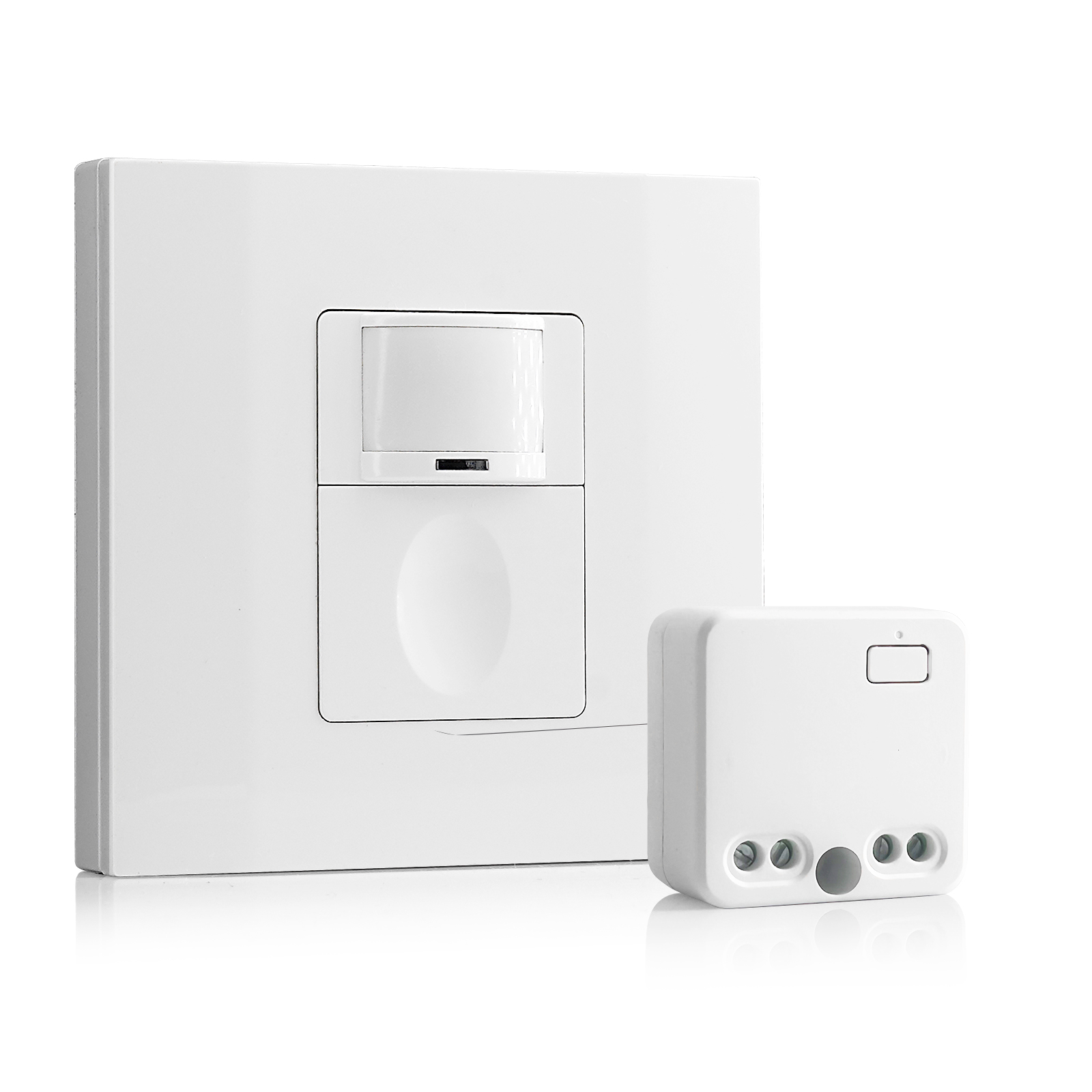
- 100V-230VAC
- Jarak Transmisi: hingga 20m
- Sensor gerak nirkabel
- Kontrol berkabel
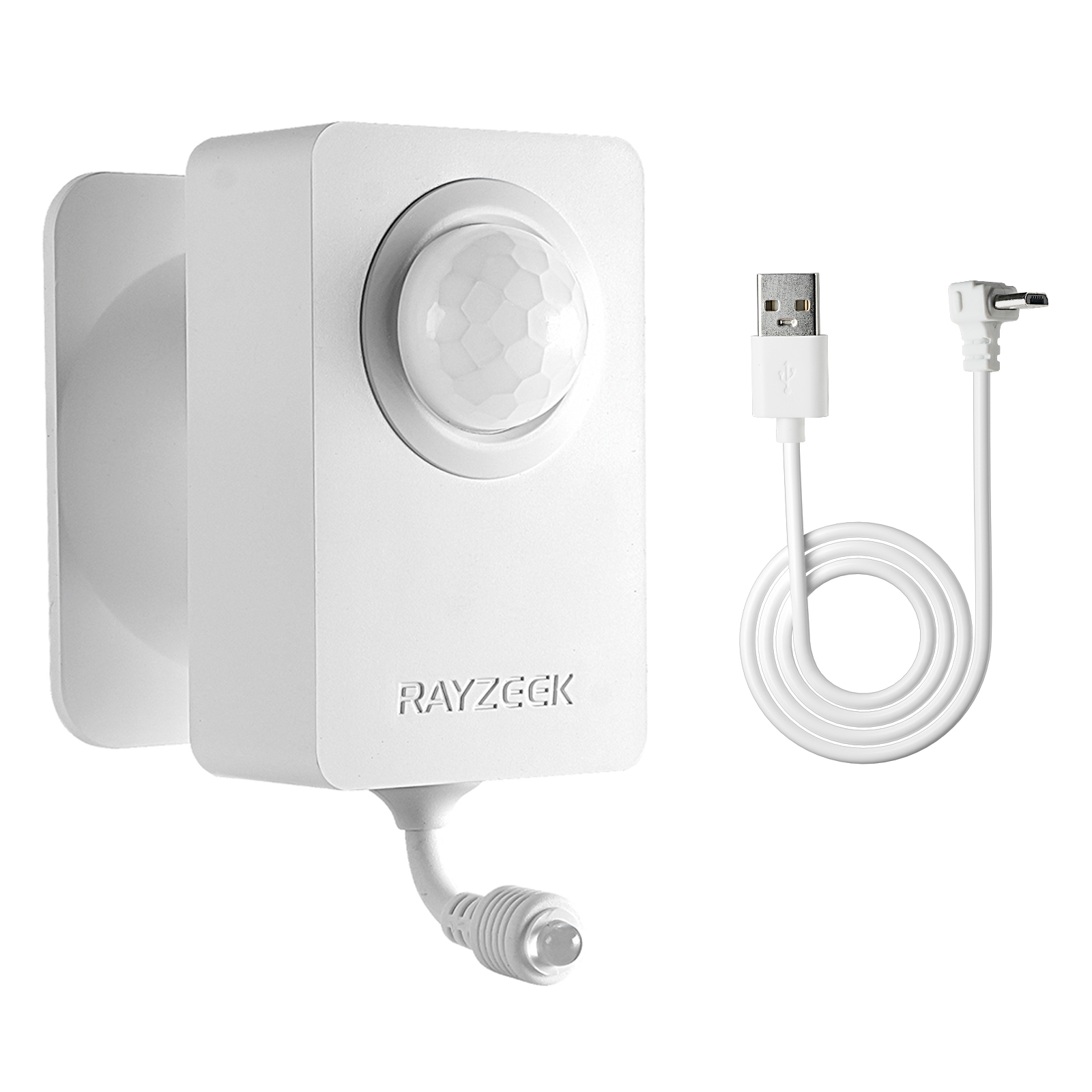
- Tegangan: 2x Baterai AAA / 5V DC (Micro USB)
- Mode Siang/Malam
- Jeda waktu: 15mnt, 30mnt, 1j (bawaan), 2j
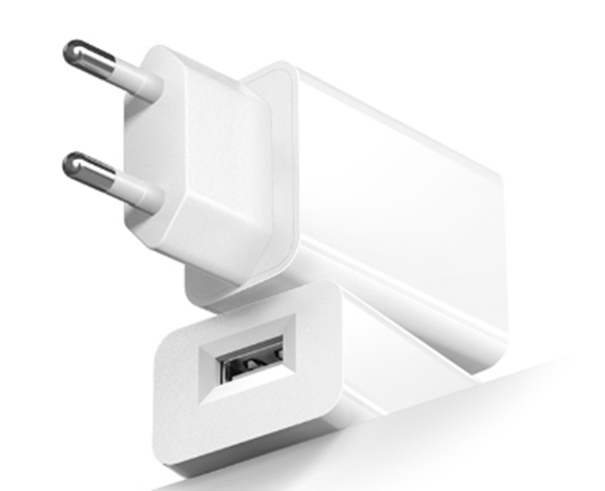
- Adaptor daya colokan UE
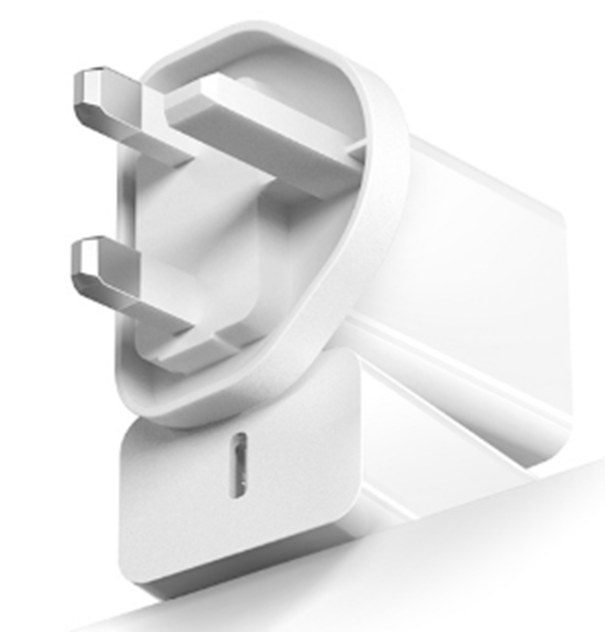
- Adaptor daya colokan Inggris
Frequently Asked Questions
Are High CRI Lights Worth It
High CRI lighting is worth it because it accurately reproduces colors, providing a more realistic depiction. In contrast, lower CRI lights can distort colors. To illustrate this further, let’s consider hospitals. Different areas within a hospital have specific lighting requirements, emphasizing the importance of high CRI lighting.
Do LED Lights Have CRI
In regards to CRI for LED lights, it is common for most LED lights to have a CRI score ranging from approximately 80 to 90+ on the chart. This leads to a brighter room with a more natural and accurate light output. Unlike fluorescent lighting, which can give off an unnatural appearance, LEDs are more suitable for indoor environments.







