
What is International Dark-Sky Association (IDA)
The International Dark-Sky Association (IDA) is a non-profit organization that focuses on preserving and protecting the nighttime environment by reducing light pollution. It serves as an authoritative voice in educating lighting designers, manufacturers, technical committees, and the public about the importance of controlling light pollution.
Mungkin Anda Tertarik Dengan

- Ceiling-mounted PIR occupancy sensor dengan output dry-contact relay
- Suplai tegangan rendah 12/24VDC atau 12/24VAC
- Kontak relai terisolasi COM, NO, dan NC untuk input EMS, HVAC, dan kontrol gedung

- Low-voltage DC recessed ceiling-mounted microwave motion sensor switch
- Input 12 VDC / 24 VDC dengan rentang 10-30 VDC
- Arus kerja maks 10A dengan waktu tunda (time delay), ambang batas Lux, dan sensitivitas yang dapat disesuaikan
- Higher-load recessed ceiling-mounted microwave motion sensor switch
- Input tegangan jala-jala 100-265 VAC, model 10A
- Penginderaan gelombang mikro 5.8 GHz dengan waktu tunda (time delay), ambang batas Lux, dan sensitivitas yang dapat disesuaikan
- Recessed ceiling-mounted microwave motion sensor switch
- Input tegangan jala-jala 100-265 VAC, model 5A
- Penginderaan gelombang mikro 5.8 GHz dengan waktu tunda (time delay), ambang batas Lux, dan sensitivitas yang dapat disesuaikan
- Ceiling-mounted RZ037 PIR occupancy sensor dimmer untuk daya 220V
- Arus kerja maksimum 3A dengan beban pengenal 660W
- Tombol LUX mengontrol ON/OFF sensor cahaya dan kecerahan peredupan yang diatur pengguna
- Ceiling-mounted RZ037 PIR occupancy sensor dimmer untuk daya 110V
- Arus kerja maksimum 3A dengan beban pengenal 330W
- Tombol LUX mengontrol ON/OFF sensor cahaya dan kecerahan peredupan yang diatur pengguna

- Sakelar sensor gerak gelombang mikro plafon DC tegangan rendah
- Input 12 VDC / 24 VDC dengan rentang 10-30 VDC
- Arus kerja maks 10A dengan waktu tunda (time delay), ambang batas Lux, dan sensitivitas yang dapat disesuaikan
- Sakelar sensor gerak gelombang mikro plafon beban lebih tinggi
- Input tegangan jala-jala 100-265 VAC, model 10A
- Penginderaan gelombang mikro 5.8 GHz dengan waktu tunda (time delay), ambang batas Lux, dan sensitivitas yang dapat disesuaikan
- Sakelar sensor gerak gelombang mikro plafon
- Input tegangan jala-jala 100-265 VAC, model 5A
- Penginderaan gelombang mikro 5.8 GHz dengan waktu tunda (time delay), ambang batas Lux, dan sensitivitas yang dapat disesuaikan

- Sakelar sensor gerak PIR tanam plafon DC tegangan rendah
- Input 12 VDC / 24 VDC dengan rentang 10-30 VDC
- Arus kerja maks 10A dengan jeda waktu, ambang batas Lux, dan sensitivitas yang dapat disesuaikan

- Sakelar sensor gerak PIR tanam plafon beban lebih tinggi
- Input tegangan jala-jala 100-265 VAC, model 10A
- Deteksi 360 derajat dengan jeda waktu, ambang batas Lux, dan sensitivitas yang dapat disesuaikan
- Sakelar sensor gerak PIR tanam plafon
- Input tegangan jala-jala 100-265 VAC, model 5A
- Deteksi 360 derajat dengan jeda waktu, ambang batas Lux, dan sensitivitas yang dapat disesuaikan

- Kit penerima dan sakelar nirkabel untuk kontrol pencahayaan ON/OFF dalam ruangan
- Penerima 100-230VAC, 50/60Hz dengan arus nominal 5A
- Sakelar nirkabel bertenaga CR2032 dengan komunikasi 2.4GHz
- Okupansi (Auto-ON/Auto-OFF)
- 12–24V DC (10–30VDC), hingga 10A
- Cakupan 360°, diameter 8–12 m
- Jeda waktu 15 dtk–30 mnt
- Sensor cahaya Mati/15/25/35 Lux
- Sensitivitas Tinggi/Rendah
- Mode okupansi Auto-ON/Auto-OFF
- 100–265V AC, 10A (diperlukan kabel netral)
- Cakupan 360°; diameter deteksi 8–12 m
- Jeda waktu 15 dtk–30 mnt; Lux MATI/15/25/35; Sensitivitas Tinggi/Rendah
- Mode okupansi Auto-ON/Auto-OFF
- 100–265V AC, 5A (diperlukan kabel netral)
- Cakupan 360°; diameter deteksi 8–12 m
- Jeda waktu 15 dtk–30 mnt; Lux MATI/15/25/35; Sensitivitas Tinggi/Rendah
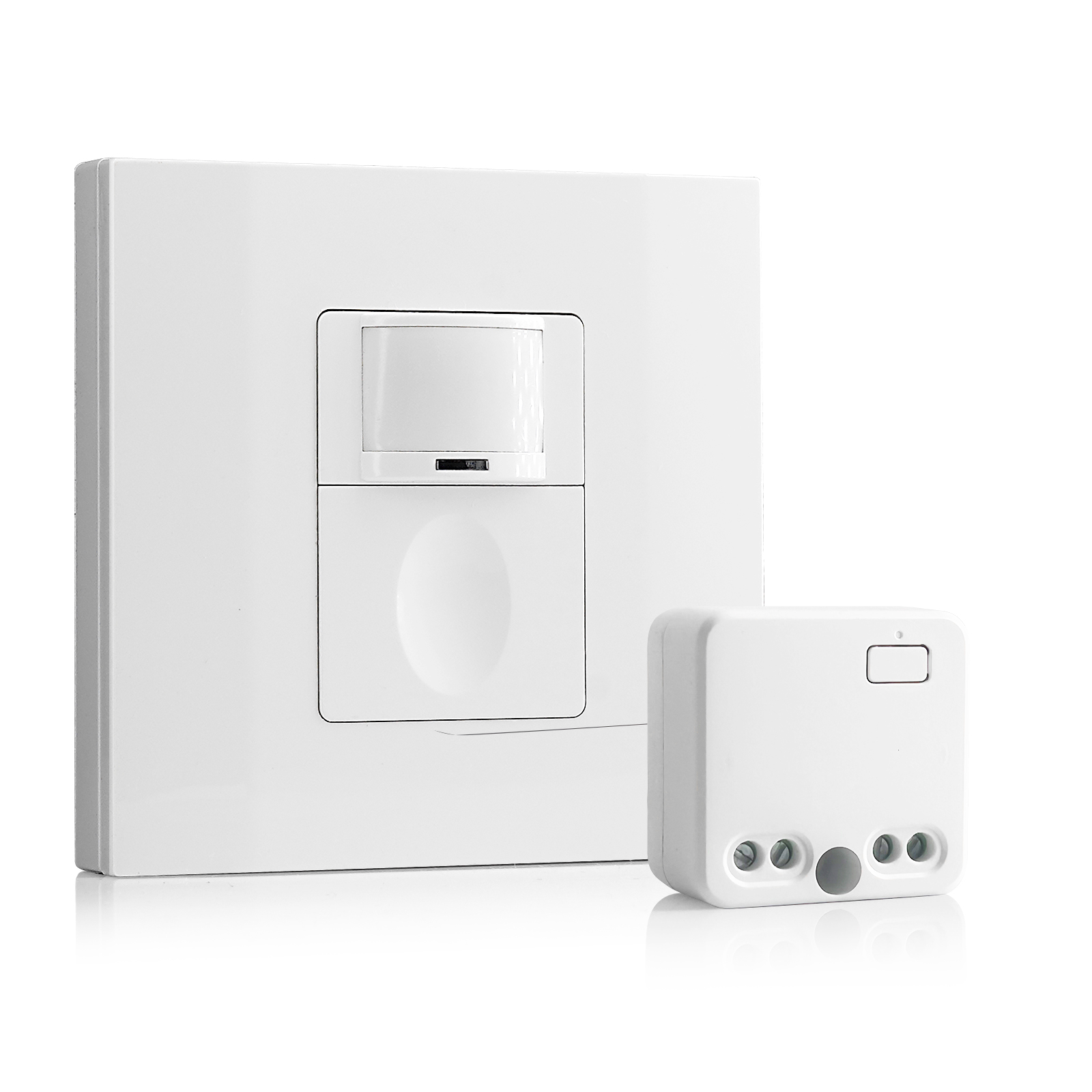
- 100V-230VAC
- Jarak Transmisi: hingga 20m
- Sensor gerak nirkabel
- Kontrol berkabel
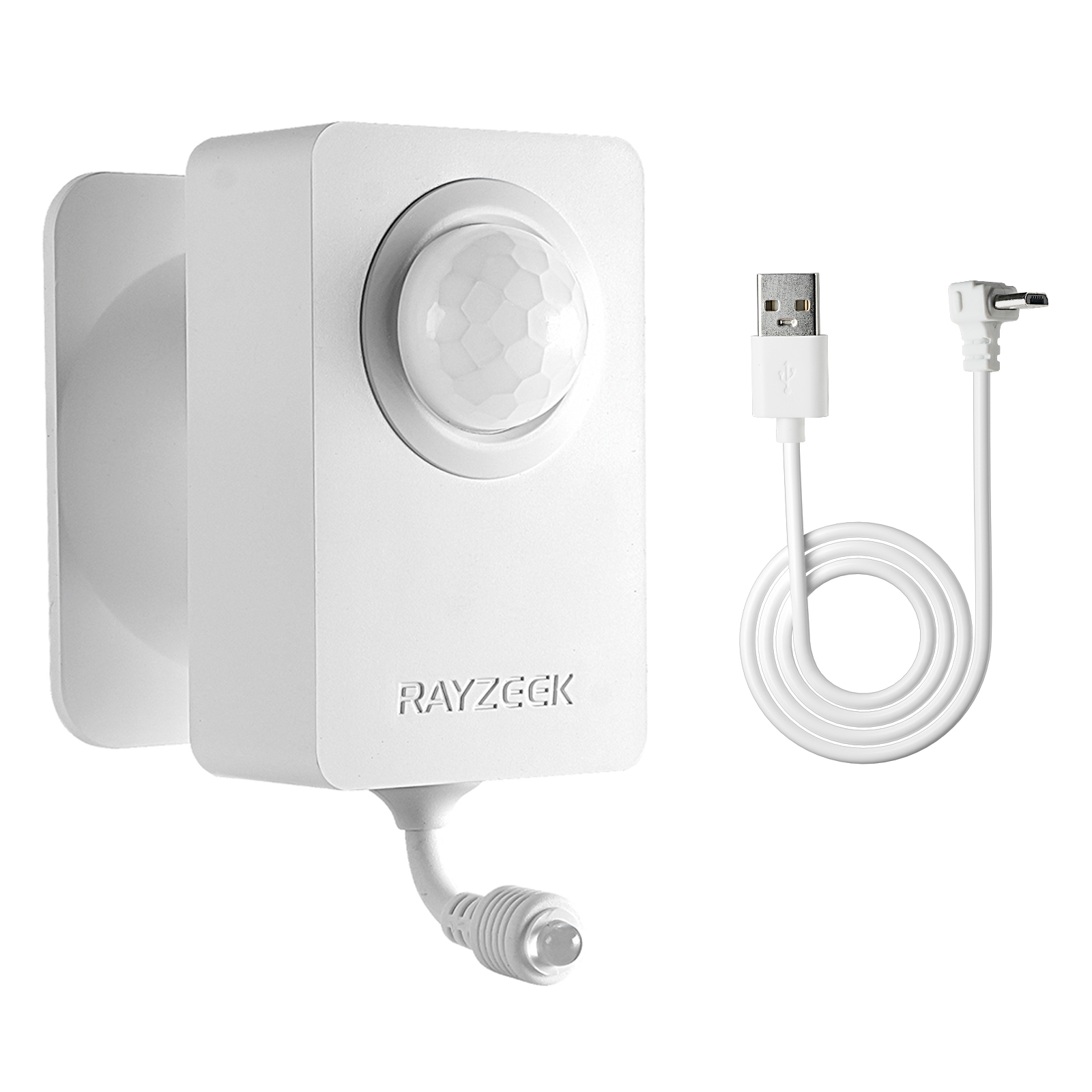
- Tegangan: 2x Baterai AAA / 5V DC (Micro USB)
- Mode Siang/Malam
- Jeda waktu: 15mnt, 30mnt, 1j (bawaan), 2j
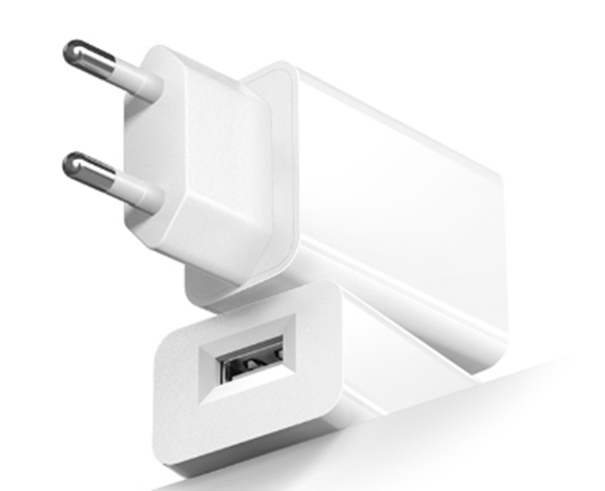
- Adaptor daya colokan UE
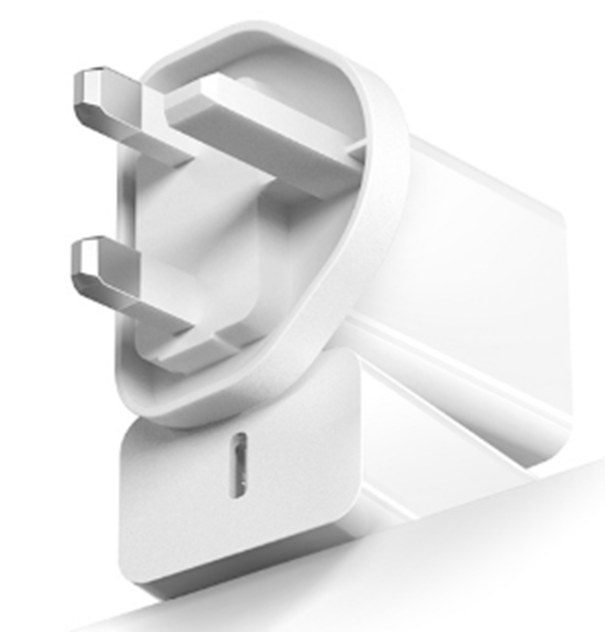
- Adaptor daya colokan Inggris
The IDA collaborates with various stakeholders, including lighting professionals, scientists, engineers, and policymakers, to develop and promote lighting standards and guidelines that minimize the negative impacts of artificial light on the environment and human health. One of its significant contributions is the development of the Model Lighting Ordinance (MLO), which provides guidance for municipalities to develop their own outdoor lighting standards.
The MLO introduces innovative approaches such as lighting zones and the “BUG” classification system for fixtures to ensure that outdoor lighting is tailored to specific needs, minimizes light pollution, and promotes energy efficiency. The IDA also offers the “Fixture Seal of Approval” program, which provides certification for lighting fixtures that meet their standards for minimizing glare, light trespass, and skyglow.
Mencari Solusi Hemat Energi Berbasis Sensor Gerak?
Hubungi kami untuk sensor gerak PIR lengkap, produk hemat energi berbasis sensor gerak, sakelar sensor gerak, serta solusi komersial Occupancy/Vacancy.
Frequently Asked Questions
What Is IDA Approved Light Fixtures
IDA’s Fixture Seal of Approval program is a certification program for outdoor lighting fixtures that are considered “Dark Sky Friendly.” This means that these fixtures are designed to minimize glare, reduce light trespass, and minimize skyglow. All products that are approved in this program must be fully shielded and must also minimize the amount of blue light in the nighttime environment.
What Is IDA Dark Sky Approved
Dark-sky compliance is determined by the IDA Fixture Seal of Approval program, which certifies outdoor lighting ordinances. According to this program, a fixture must be completely shielded and should not emit any light above the horizontal plane. Additionally, it should not have sag or drop lenses, side light panels, uplight panels, or similar features.
What Does the Dark-Sky Association Do
The International Dark-Sky Association (IDA) is widely acknowledged as the expert in the field of light pollution and is at the forefront of the global effort to combat light pollution.
What Are the Lighting Guidelines for the International Dark Sky Association
IDA suggests using lighting with a color temperature of 3000 Kelvins or lower. Lighting with lower color temperatures, known as “warm” lighting, contains less blue light in its spectrum. On the other hand, light sources with higher color temperatures are abundant in blue light.
What Is IDA Compliant
An outdoor lighting fixture is considered IDA compliant when it is awarded the IDA (International Dark-Sky Association) Seal of Approval. The IDA serves as an advocate against light pollution and works to educate manufacturers, designers, local governments, and the public on how to minimize its impact.
What Makes a Light Fixture ADA Compliant
ADA compliant light fixtures are designed with a slim profile, enabling them to be installed in narrow areas such as hallways, aisles, passageways, and bathrooms without obstructing the path of individuals. Additionally, to meet ADA requirements, these fixtures should be mounted at a minimum height of 80 inches from the ground.
Do LED Lights Cause Light Pollution
Typically, incandescent bulbs emit warmer yellow and amber tones, whereas LEDs emit harsher white and blue tones. As a result, the light from LEDs scatters more in the atmosphere, leading to a greater contribution to outdoor light pollution.







