
What is Cosine Law
The cosine law, also known as Lambert’s cosine law or the cosine emission law, is a fundamental principle in the lighting industry. It states that the radiant intensity from an ideal diffusely reflecting surface is directly proportional to the cosine of the angle between the direction of incident light and the surface normal. This law, named after Johann Heinrich Lambert, is studied in optics and plays a crucial role in understanding how light is distributed and how it affects the illumination of a surface.
The cosine law of illumination is used to calculate the illuminance (or irradiance) on a surface based on the angle of incidence. It provides a mathematical relationship that determines the amount of light falling on a surface by considering the angle at which the light hits the surface. By optimizing the placement and direction of light sources, lighting designers and engineers can achieve the desired illumination levels and uniformity on a surface.
Mungkin Anda Tertarik Dengan

- Ceiling-mounted PIR occupancy sensor dengan output dry-contact relay
- Suplai tegangan rendah 12/24VDC atau 12/24VAC
- Kontak relai terisolasi COM, NO, dan NC untuk input EMS, HVAC, dan kontrol gedung

- Low-voltage DC recessed ceiling-mounted microwave motion sensor switch
- Input 12 VDC / 24 VDC dengan rentang 10-30 VDC
- Arus kerja maks 10A dengan waktu tunda (time delay), ambang batas Lux, dan sensitivitas yang dapat disesuaikan
- Higher-load recessed ceiling-mounted microwave motion sensor switch
- Input tegangan jala-jala 100-265 VAC, model 10A
- Penginderaan gelombang mikro 5.8 GHz dengan waktu tunda (time delay), ambang batas Lux, dan sensitivitas yang dapat disesuaikan
- Recessed ceiling-mounted microwave motion sensor switch
- Input tegangan jala-jala 100-265 VAC, model 5A
- Penginderaan gelombang mikro 5.8 GHz dengan waktu tunda (time delay), ambang batas Lux, dan sensitivitas yang dapat disesuaikan
- Ceiling-mounted RZ037 PIR occupancy sensor dimmer untuk daya 220V
- Arus kerja maksimum 3A dengan beban pengenal 660W
- Tombol LUX mengontrol ON/OFF sensor cahaya dan kecerahan peredupan yang diatur pengguna
- Ceiling-mounted RZ037 PIR occupancy sensor dimmer untuk daya 110V
- Arus kerja maksimum 3A dengan beban pengenal 330W
- Tombol LUX mengontrol ON/OFF sensor cahaya dan kecerahan peredupan yang diatur pengguna

- Sakelar sensor gerak gelombang mikro plafon DC tegangan rendah
- Input 12 VDC / 24 VDC dengan rentang 10-30 VDC
- Arus kerja maks 10A dengan waktu tunda (time delay), ambang batas Lux, dan sensitivitas yang dapat disesuaikan
- Sakelar sensor gerak gelombang mikro plafon beban lebih tinggi
- Input tegangan jala-jala 100-265 VAC, model 10A
- Penginderaan gelombang mikro 5.8 GHz dengan waktu tunda (time delay), ambang batas Lux, dan sensitivitas yang dapat disesuaikan
- Sakelar sensor gerak gelombang mikro plafon
- Input tegangan jala-jala 100-265 VAC, model 5A
- Penginderaan gelombang mikro 5.8 GHz dengan waktu tunda (time delay), ambang batas Lux, dan sensitivitas yang dapat disesuaikan

- Sakelar sensor gerak PIR tanam plafon DC tegangan rendah
- Input 12 VDC / 24 VDC dengan rentang 10-30 VDC
- Arus kerja maks 10A dengan jeda waktu, ambang batas Lux, dan sensitivitas yang dapat disesuaikan

- Sakelar sensor gerak PIR tanam plafon beban lebih tinggi
- Input tegangan jala-jala 100-265 VAC, model 10A
- Deteksi 360 derajat dengan jeda waktu, ambang batas Lux, dan sensitivitas yang dapat disesuaikan
- Sakelar sensor gerak PIR tanam plafon
- Input tegangan jala-jala 100-265 VAC, model 5A
- Deteksi 360 derajat dengan jeda waktu, ambang batas Lux, dan sensitivitas yang dapat disesuaikan

- Kit penerima dan sakelar nirkabel untuk kontrol pencahayaan ON/OFF dalam ruangan
- Penerima 100-230VAC, 50/60Hz dengan arus nominal 5A
- Sakelar nirkabel bertenaga CR2032 dengan komunikasi 2.4GHz
- Okupansi (Auto-ON/Auto-OFF)
- 12–24V DC (10–30VDC), hingga 10A
- Cakupan 360°, diameter 8–12 m
- Jeda waktu 15 dtk–30 mnt
- Sensor cahaya Mati/15/25/35 Lux
- Sensitivitas Tinggi/Rendah
- Mode okupansi Auto-ON/Auto-OFF
- 100–265V AC, 10A (diperlukan kabel netral)
- Cakupan 360°; diameter deteksi 8–12 m
- Jeda waktu 15 dtk–30 mnt; Lux MATI/15/25/35; Sensitivitas Tinggi/Rendah
- Mode okupansi Auto-ON/Auto-OFF
- 100–265V AC, 5A (diperlukan kabel netral)
- Cakupan 360°; diameter deteksi 8–12 m
- Jeda waktu 15 dtk–30 mnt; Lux MATI/15/25/35; Sensitivitas Tinggi/Rendah
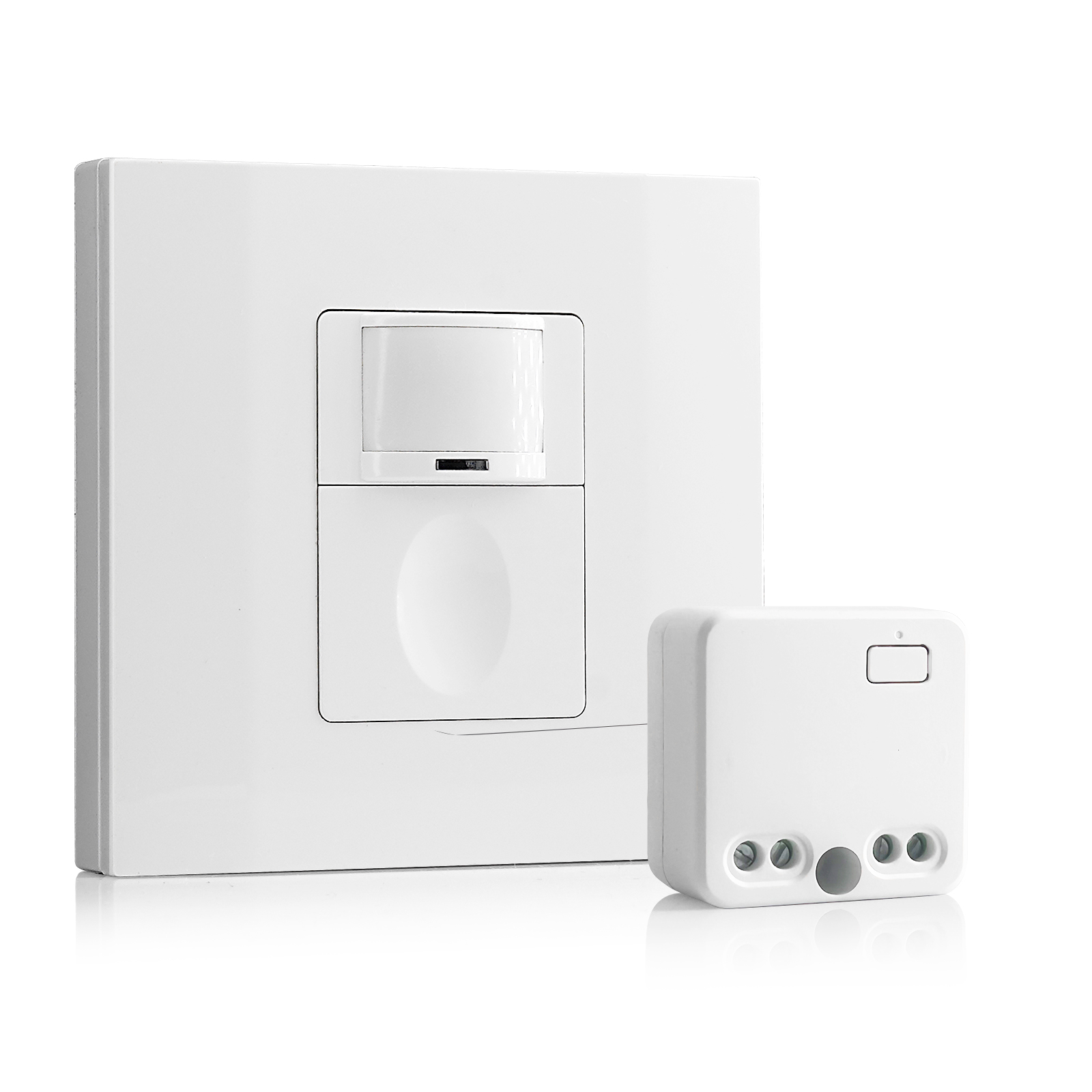
- 100V-230VAC
- Jarak Transmisi: hingga 20m
- Sensor gerak nirkabel
- Kontrol berkabel
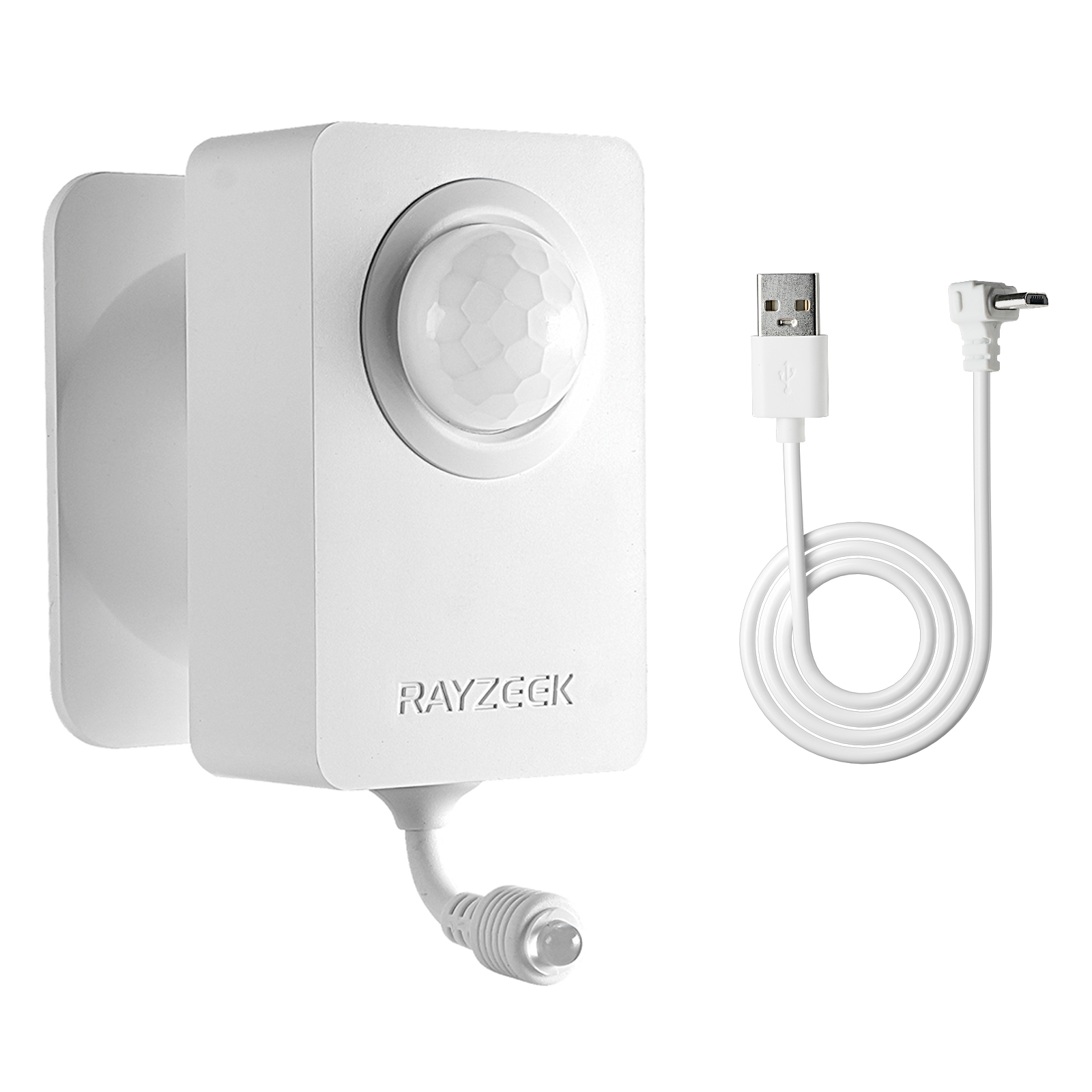
- Tegangan: 2x Baterai AAA / 5V DC (Micro USB)
- Mode Siang/Malam
- Jeda waktu: 15mnt, 30mnt, 1j (bawaan), 2j
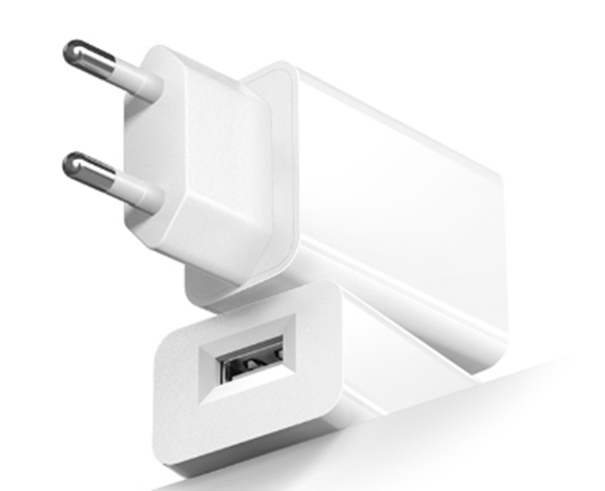
- Adaptor daya colokan UE
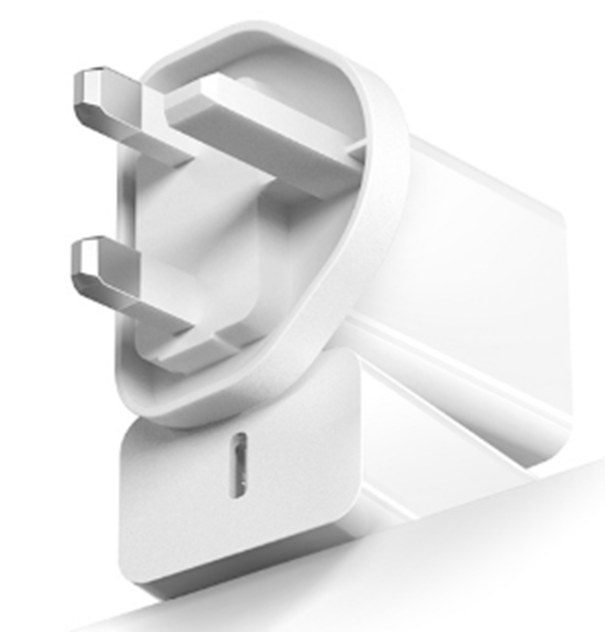
- Adaptor daya colokan Inggris
The cosine law of illumination is an important concept in the lighting industry as it helps in the design and implementation of lighting systems. It allows for the calculation of illuminance based on the angle of incidence, enabling the optimization of lighting conditions for various applications. Understanding the cosine law is crucial for achieving efficient and effective lighting solutions.
Dapatkan Inspirasi dari Portofolio Sensor Gerakan Rayzeek.
Tidak menemukan apa yang Anda inginkan? Jangan khawatir. Selalu ada cara alternatif untuk menyelesaikan masalah Anda. Mungkin salah satu portofolio kami dapat membantu.
Frequently Asked Questions
What Is the Difference Between Sine and Cosine
Sine and cosine, also known as sin(θ) and cos(θ), are mathematical functions that describe the proportions of sides in a right triangle. Specifically, sin(θ) represents the ratio of the length of the side opposite to the angle θ to the length of the hypotenuse, while cos(θ) represents the ratio of the length of the side adjacent to the angle θ to the length of the hypotenuse.







