
What is UVB Light
UVB light, also known as ultraviolet B light, is a specific range of ultraviolet radiation wavelengths that fall between UVA and UVC. In the lighting industry, UVB light is often discussed in terms of its biological effects and its impact on human health. UVB light constitutes approximately 5% of the UV radiation that reaches the Earth’s surface, with the majority being absorbed by the ozone layer. Unlike UVA, which has longer wavelengths and can penetrate deeper into the skin, UVB wavelengths are shorter and can only penetrate the superficial layer of the skin.
UVB light is crucial in the production of vitamin D3 in the human body. When UVB light interacts with the skin, it triggers a series of chemical reactions that result in the synthesis of vitamin D3. Vitamin D3 is essential for the absorption of calcium and phosphorus, playing a vital role in maintaining bone health. However, excessive exposure to UVB light can have harmful effects on the skin. It can cause delayed tanning, sunburn, premature skin aging, and an increased risk of skin cancer. Therefore, it is important to protect the skin from excessive UVB exposure by using sunscreen, wearing protective clothing, and seeking shade during peak sun hours.
Maybe You Are Interested In

- Ceiling-mounted PIR occupancy sensor with dry-contact relay output
- 12/24VDC or 12/24VAC low-voltage supply
- COM, NO, and NC isolated relay contacts for EMS, HVAC, and building control inputs

- Low-voltage DC recessed ceiling-mounted microwave motion sensor switch
- 12 VDC / 24 VDC input with 10-30 VDC range
- 10A max work current with adjustable time delay, Lux threshold, and sensitivity
- Higher-load recessed ceiling-mounted microwave motion sensor switch
- 100-265 VAC line-voltage input, 10A model
- 5.8 GHz microwave sensing with adjustable time delay, Lux threshold, and sensitivity
- Recessed ceiling-mounted microwave motion sensor switch
- 100-265 VAC line-voltage input, 5A model
- 5.8 GHz microwave sensing with adjustable time delay, Lux threshold, and sensitivity
- Ceiling-mounted RZ037 PIR occupancy sensor dimmer for 220V power
- 3A maximum working current with 660W rated load
- LUX button controls light-sensor ON/OFF and user-set dimming brightness
- Ceiling-mounted RZ037 PIR occupancy sensor dimmer for 110V power
- 3A maximum working current with 330W rated load
- LUX button controls light-sensor ON/OFF and user-set dimming brightness

- Low-voltage DC ceiling-mounted microwave motion sensor switch
- 12 VDC / 24 VDC input with 10-30 VDC range
- 10A max work current with adjustable time delay, Lux threshold, and sensitivity
- Higher-load ceiling-mounted microwave motion sensor switch
- 100-265 VAC line-voltage input, 10A model
- 5.8 GHz microwave sensing with adjustable time delay, Lux threshold, and sensitivity
- Ceiling-mounted microwave motion sensor switch
- 100-265 VAC line-voltage input, 5A model
- 5.8 GHz microwave sensing with adjustable time delay, Lux threshold, and sensitivity

- Low-voltage DC recessed ceiling mount PIR motion sensor switch
- 12 VDC / 24 VDC input with 10-30 VDC range
- Max work current 10A with adjustable time delay, Lux threshold, and sensitivity

- Higher-load recessed ceiling mount PIR motion sensor switch
- 100-265 VAC line-voltage input, 10A model
- 360-degree detection with adjustable time delay, Lux threshold, and sensitivity
- Recessed ceiling mount PIR motion sensor switch
- 100-265 VAC line-voltage input, 5A model
- 360-degree detection with adjustable time delay, Lux threshold, and sensitivity

- Wireless switch and receiver kit for indoor ON/OFF lighting control
- 100-230VAC, 50/60Hz receiver with 5A rated current
- CR2032-powered wireless switch with 2.4GHz communication
- Occupancy (Auto-ON/Auto-OFF)
- 12–24V DC (10–30VDC), up to 10A
- 360° coverage, 8–12 m diameter
- Time delay 15 s–30 min
- Light sensor Off/15/25/35 Lux
- High/Low sensitivity
- Auto-ON/Auto-OFF occupancy mode
- 100–265V AC, 10A (neutral required)
- 360° coverage; 8–12 m detection diameter
- Time delay 15 s–30 min; Lux OFF/15/25/35; Sensitivity High/Low
- Auto-ON/Auto-OFF occupancy mode
- 100–265V AC, 5A (neutral required)
- 360° coverage; 8–12 m detection diameter
- Time delay 15 s–30 min; Lux OFF/15/25/35; Sensitivity High/Low
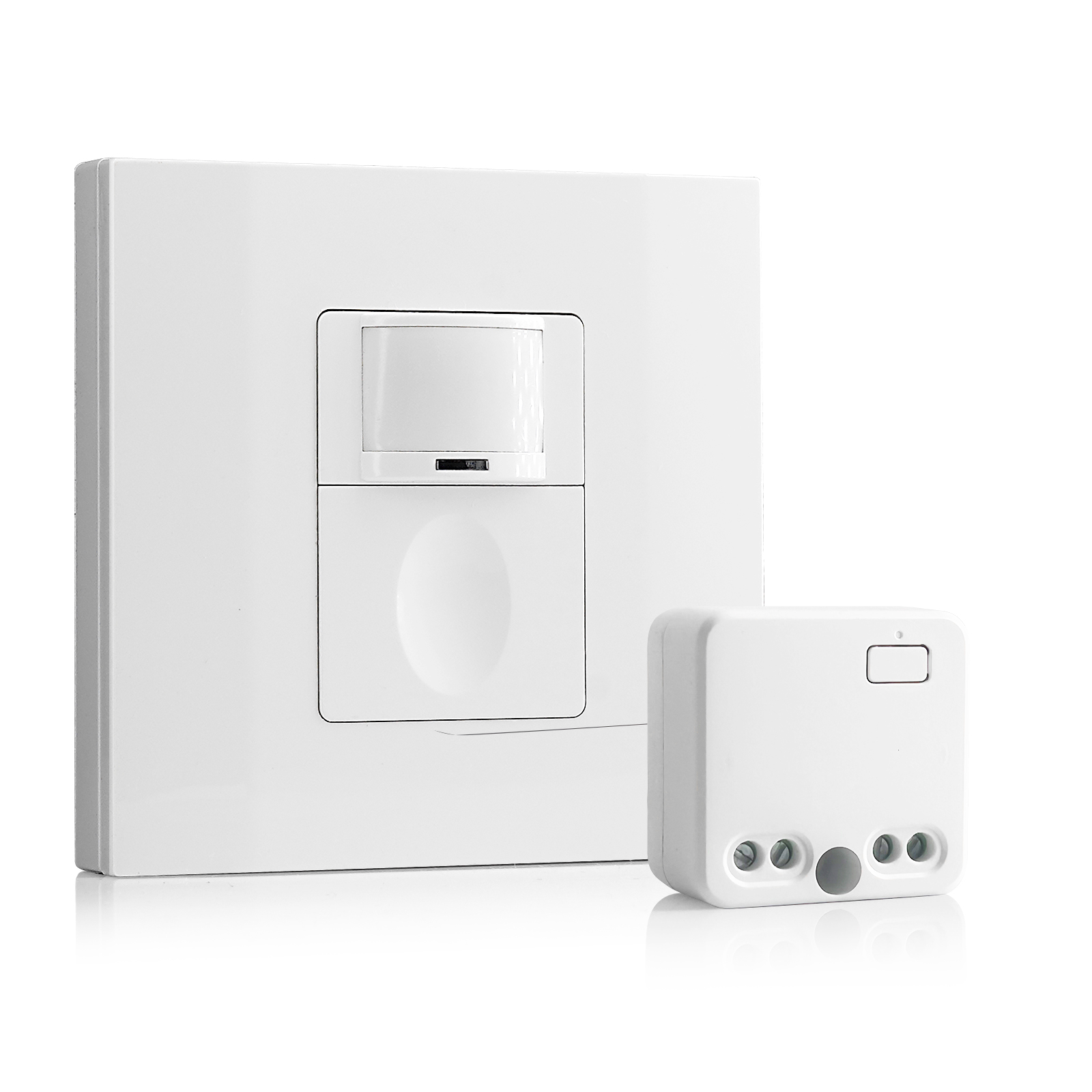
- 100V-230VAC
- Transmission Distance: up to 20m
- Wireless motion sensor
- Hardwired control
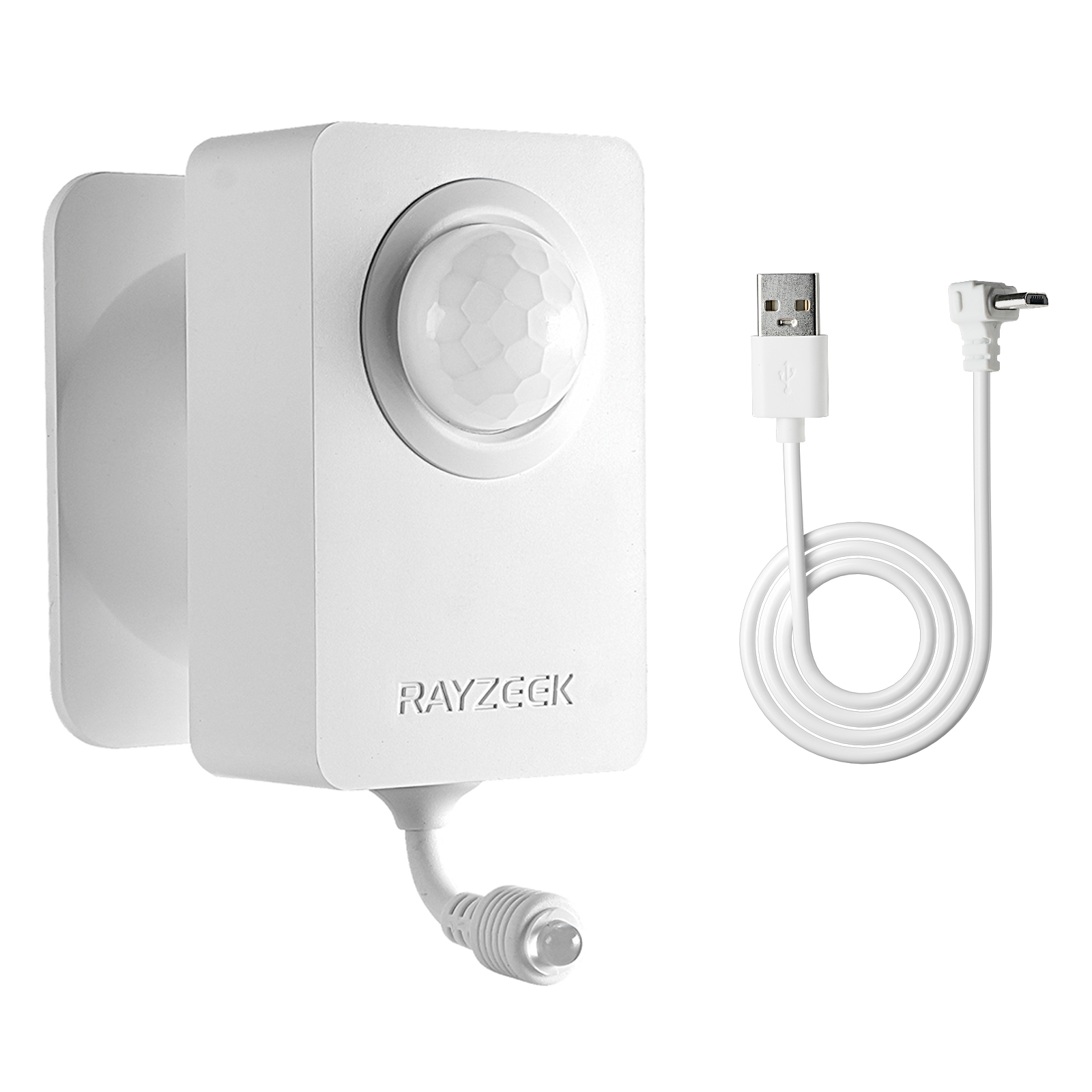
- Voltage: 2x AAA Batteries / 5V DC (Micro USB)
- Day/Night Mode
- Time delay: 15min, 30min, 1h(default), 2h
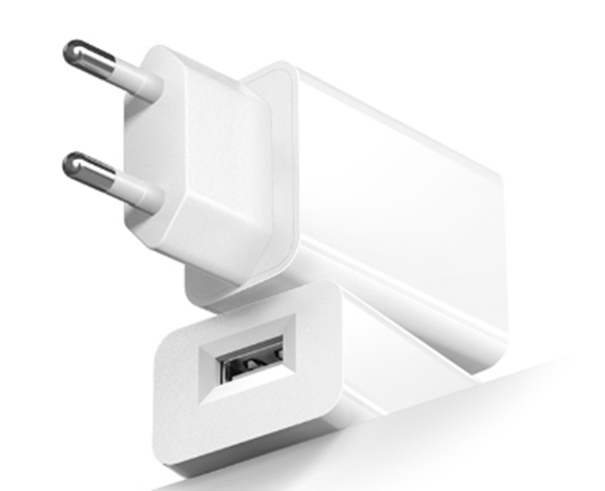
- EU plug power adapter
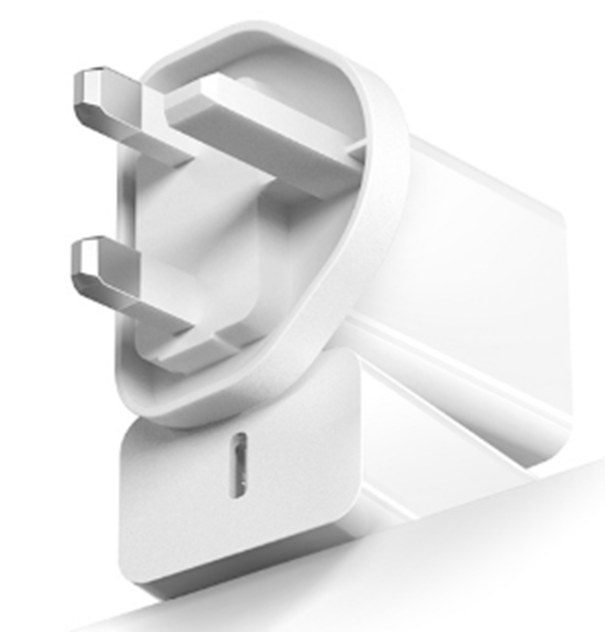
- UK plug power adapter
In the lighting industry, UVB light is utilized in specialized applications such as phototherapy. Controlled exposure to UVB radiation is employed to treat certain skin conditions like psoriasis, eczema, and vitiligo. UVB lamps or light sources emit specific wavelengths within the UVB range to deliver therapeutic doses of UV radiation to the affected areas of the skin.
Get Inspired by Rayzeek Motion Sensor Portfolios.
Doesn't find what you want? Don't worry. There are always alternate ways to solve your problems. Maybe one of our portfolios can help.
Frequently Asked Questions
What Is Considered a UVB Light
UV-B lamps are light sources that emit ultraviolet light with wavelengths between 290 and 320 nanometers. This range of wavelengths is often referred to as the biological spectrum because of the human body’s sensitivity to light within this range.
What Is a UVB Light Used For
In UVB light therapy, the utilization of these specific rays (known as ‘short waves’ or ‘narrow band’) is common. While these rays are typically associated with burning and tanning, they can also be beneficial in reducing inflammation in the skin. UVB treatment is often employed for cases of psoriasis, especially when other treatments have been ineffective or when the condition is widespread.
Is a UVB Light the Same as a Heat Lamp
It can be a bit perplexing, but the bottom line is this: The majority of basking bulbs are incandescent or halogen bulbs that produce heat and a certain amount of visible light for humans and reptiles, but they do not emit any type of UV light, including UVB or UVA light.
Are LED Lights UVB
Do LED Light Bulbs Emit UV Radiation? Most LED light bulbs, including those used in industrial applications, do not emit UV radiation. In the past, LED lighting did not emit UV radiation due to their inability to produce white light.
Do LED Lights Provide UVB
Some industry sources argue that LEDs do not emit any UV radiation, but this statement is not entirely accurate. While it is true that LEDs do produce a small amount of UV, the emission is significantly lower. This is due to the conversion of the UV radiation into white light by the phosphors present in the lamp.
What Color Is a UVB Light
The ultraviolet spectrum is divided into different subcategories based on wavelength. The range of 320 – 280 nm is known as UVB, which falls under the category of medium wave ultraviolet light.
Does a Regular Light Bulb Have UVB
The emission of UV light from regular light bulbs is minimal, and it does not have any significant impact on human health. Incandescent bulbs do not possess the ability to cause sunburns or aid in the absorption of Vitamin D for humans or animals. Specifically, these bulbs only emit UVA rays.
Is UVB Harmful to Humans
UVB rays from the sun have the potential to induce basal and squamous cell skin cancer as well as melanoma. Additionally, they have been associated with Merkel cell carcinoma, a less prevalent form of skin cancer, as well as cancer of the lip and eye. Balancing sun exposure is challenging, as completely avoiding sunlight is not recommended.







