
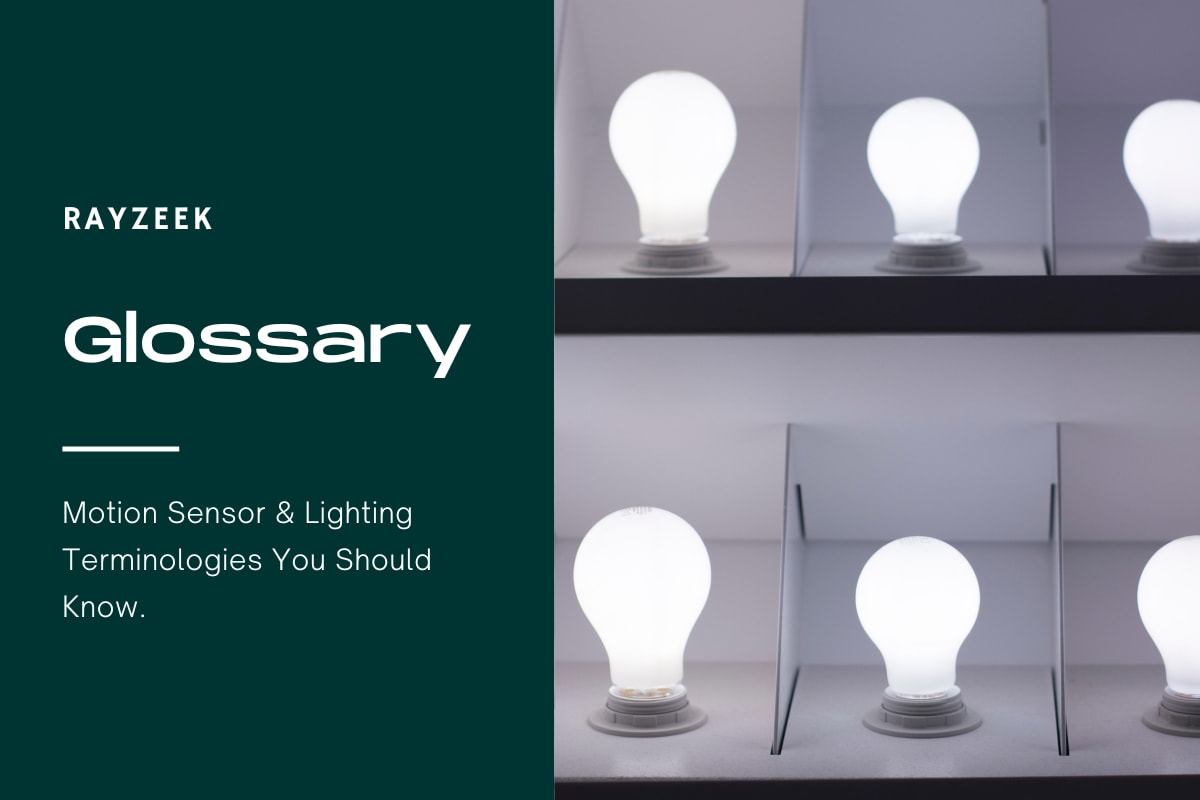
What is Opal Glass
Opal glass is a type of glass known for its milky and translucent appearance, which is achieved by adding specific ingredients to clear glass. This unique composition gives opal glass its diffusing properties, allowing it to create a soft and gentle lighting effect.
Maybe You Are Interested In

- Ceiling-mounted PIR occupancy sensor with dry-contact relay output
- 12/24VDC or 12/24VAC low-voltage supply
- COM, NO, and NC isolated relay contacts for EMS, HVAC, and building control inputs

- Low-voltage DC recessed ceiling-mounted microwave motion sensor switch
- 12 VDC / 24 VDC input with 10-30 VDC range
- 10A max work current with adjustable time delay, Lux threshold, and sensitivity
- Higher-load recessed ceiling-mounted microwave motion sensor switch
- 100-265 VAC line-voltage input, 10A model
- 5.8 GHz microwave sensing with adjustable time delay, Lux threshold, and sensitivity
- Recessed ceiling-mounted microwave motion sensor switch
- 100-265 VAC line-voltage input, 5A model
- 5.8 GHz microwave sensing with adjustable time delay, Lux threshold, and sensitivity
- Ceiling-mounted RZ037 PIR occupancy sensor dimmer for 220V power
- 3A maximum working current with 660W rated load
- LUX button controls light-sensor ON/OFF and user-set dimming brightness
- Ceiling-mounted RZ037 PIR occupancy sensor dimmer for 110V power
- 3A maximum working current with 330W rated load
- LUX button controls light-sensor ON/OFF and user-set dimming brightness

- Low-voltage DC ceiling-mounted microwave motion sensor switch
- 12 VDC / 24 VDC input with 10-30 VDC range
- 10A max work current with adjustable time delay, Lux threshold, and sensitivity
- Higher-load ceiling-mounted microwave motion sensor switch
- 100-265 VAC line-voltage input, 10A model
- 5.8 GHz microwave sensing with adjustable time delay, Lux threshold, and sensitivity
- Ceiling-mounted microwave motion sensor switch
- 100-265 VAC line-voltage input, 5A model
- 5.8 GHz microwave sensing with adjustable time delay, Lux threshold, and sensitivity

- Low-voltage DC recessed ceiling mount PIR motion sensor switch
- 12 VDC / 24 VDC input with 10-30 VDC range
- Max work current 10A with adjustable time delay, Lux threshold, and sensitivity

- Higher-load recessed ceiling mount PIR motion sensor switch
- 100-265 VAC line-voltage input, 10A model
- 360-degree detection with adjustable time delay, Lux threshold, and sensitivity
- Recessed ceiling mount PIR motion sensor switch
- 100-265 VAC line-voltage input, 5A model
- 360-degree detection with adjustable time delay, Lux threshold, and sensitivity

- Wireless switch and receiver kit for indoor ON/OFF lighting control
- 100-230VAC, 50/60Hz receiver with 5A rated current
- CR2032-powered wireless switch with 2.4GHz communication
- Occupancy (Auto-ON/Auto-OFF)
- 12–24V DC (10–30VDC), up to 10A
- 360° coverage, 8–12 m diameter
- Time delay 15 s–30 min
- Light sensor Off/15/25/35 Lux
- High/Low sensitivity
- Auto-ON/Auto-OFF occupancy mode
- 100–265V AC, 10A (neutral required)
- 360° coverage; 8–12 m detection diameter
- Time delay 15 s–30 min; Lux OFF/15/25/35; Sensitivity High/Low
- Auto-ON/Auto-OFF occupancy mode
- 100–265V AC, 5A (neutral required)
- 360° coverage; 8–12 m detection diameter
- Time delay 15 s–30 min; Lux OFF/15/25/35; Sensitivity High/Low
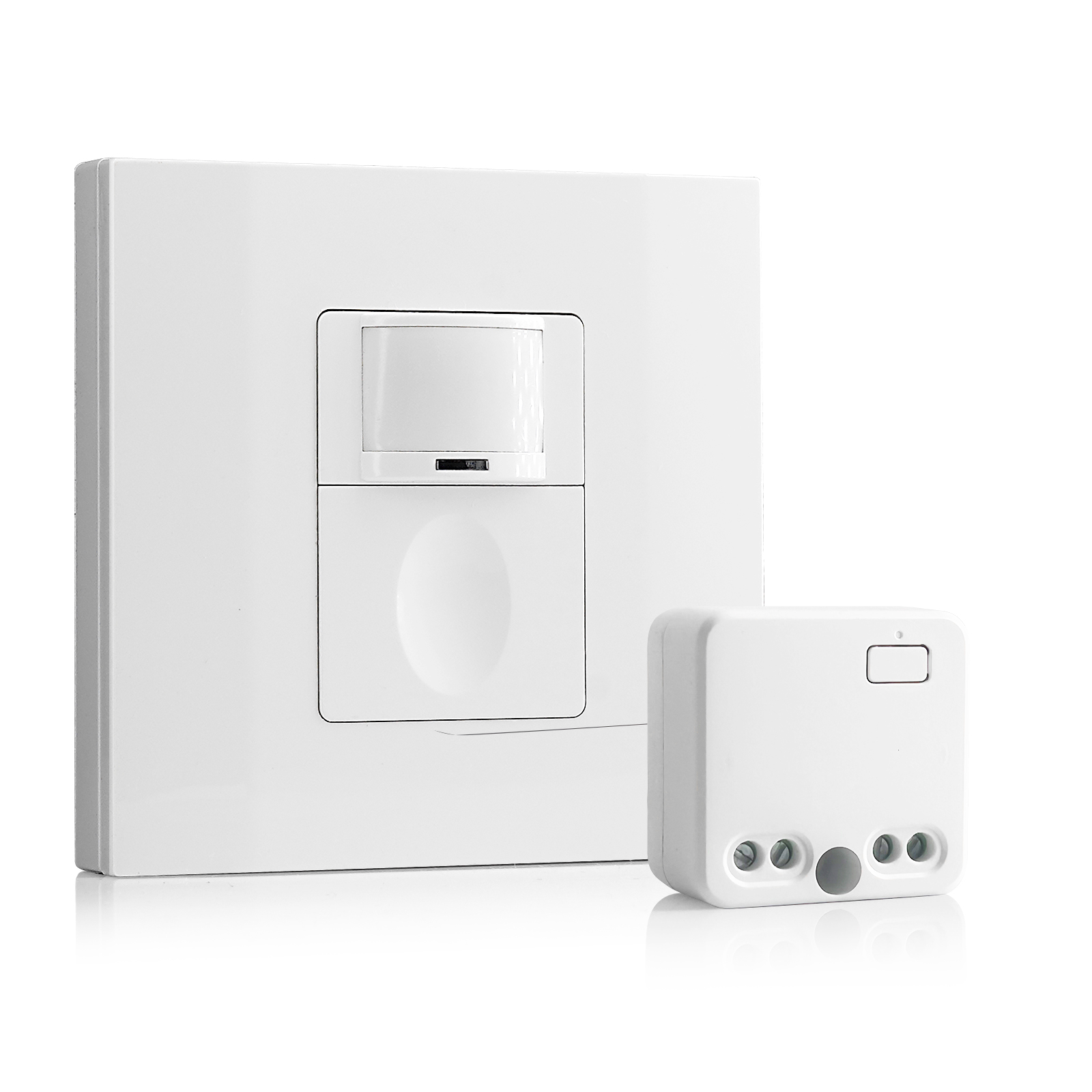
- 100V-230VAC
- Transmission Distance: up to 20m
- Wireless motion sensor
- Hardwired control
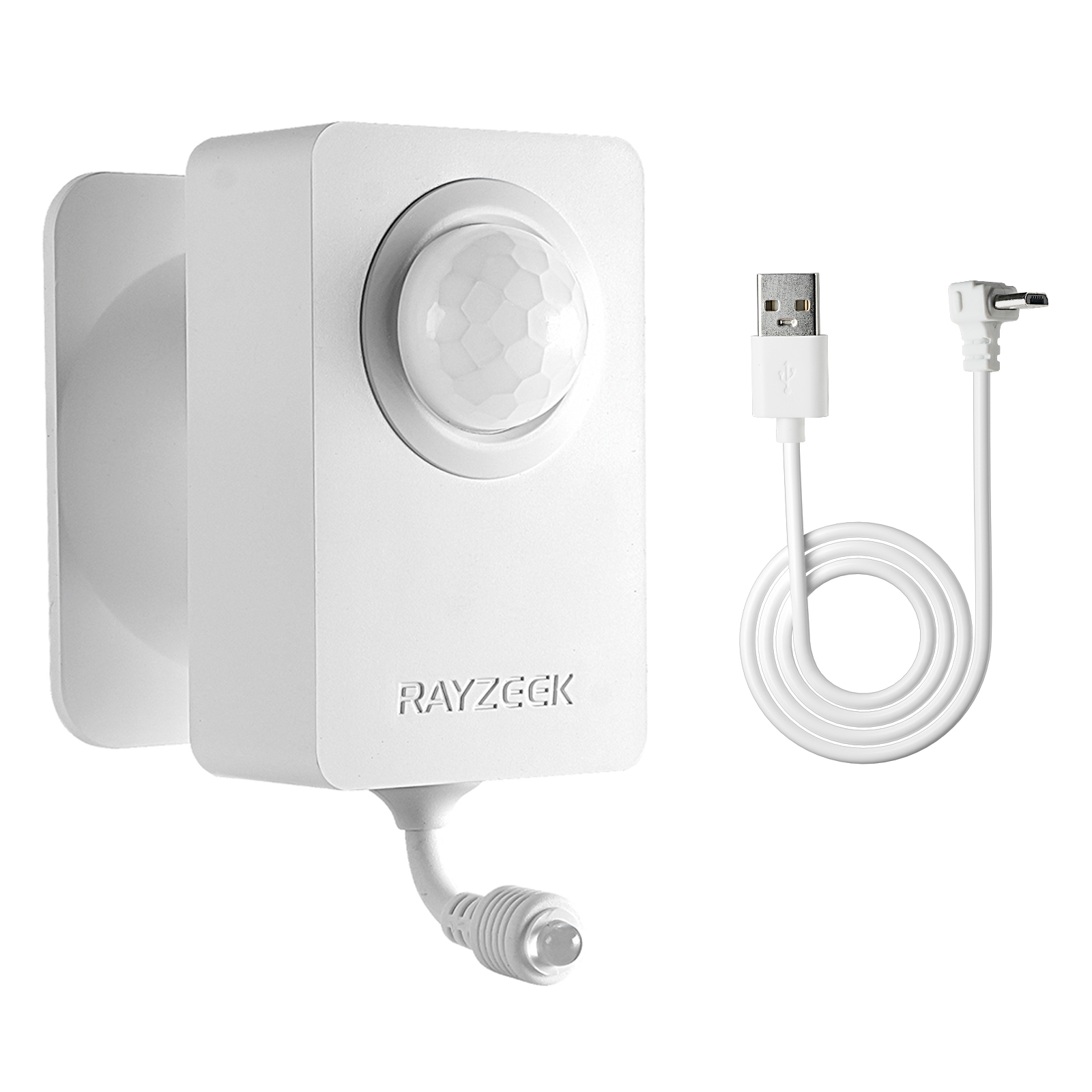
- Voltage: 2x AAA Batteries / 5V DC (Micro USB)
- Day/Night Mode
- Time delay: 15min, 30min, 1h(default), 2h
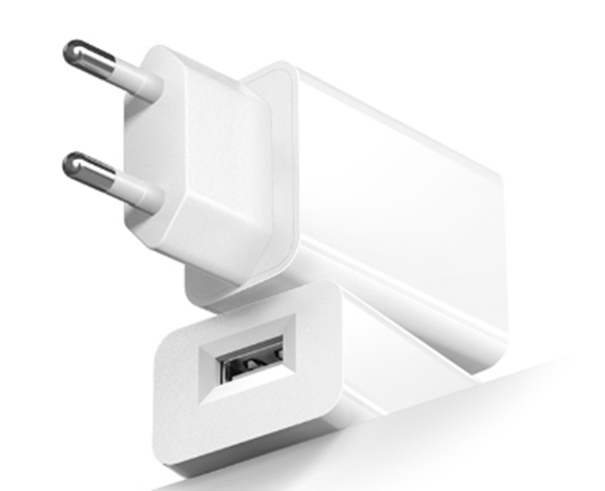
- EU plug power adapter
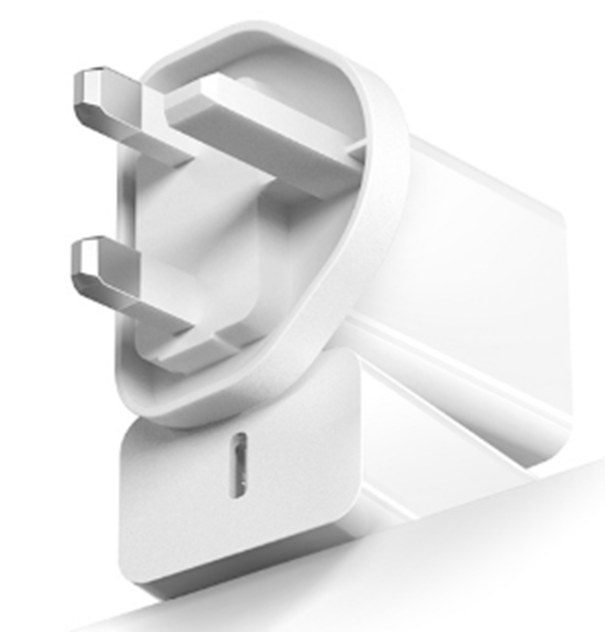
- UK plug power adapter
Opal glass has the ability to reduce glare. When light passes through opal glass, it is scattered and diffused, resulting in a more even distribution of light. This makes opal glass an ideal choice for areas where a gentle and diffused lighting effect is desired, such as bedrooms, living rooms, and dining areas.
Opal glass is also known for its versatility. It can be used with different types of light bulbs, including incandescent, LED, and fluorescent bulbs. This allows for flexibility in choosing the desired level of brightness and energy efficiency.
Get Inspired by Rayzeek Motion Sensor Portfolios.
Doesn't find what you want? Don't worry. There are always alternate ways to solve your problems. Maybe one of our portfolios can help.
Opal glass fixtures come in various forms, including pendant lights, ceiling fixtures, and wall sconces. These fixtures are designed to provide both functional and decorative lighting solutions. The milky appearance of opal glass adds a touch of elegance and sophistication to any space, creating a warm and inviting atmosphere.
Frequently Asked Questions
What Does Opal Glass Do to Light
Opal and Opaque Glasses have the ability to transform the passing light into a softened and scattered glow.
What Are the Benefits of Opal Glass
They offer a high level of safety for daily use due to their non-porous and bacteria-free properties. Opal glass dinnerware is free from toxins and lead. Additionally, it exhibits excellent resistance to thermal shocks.
What Is the History of Opal Glass
Opaline glass gained significant popularity during the reign of Napoleon III in the nineteenth century, particularly in France. However, the most highly sought-after pieces in the antique market are those made during the period of Napoleon I, known for their translucent quality.
Can You See Through Opal Glass
Opal glass, also known as opalescent glass, is not transparent and cannot be seen through. It is typically semi-opaque, meaning it allows for partial visibility. This type of glass is commonly used in projects that do not require transparency, such as lamps, fire screens, wall art, and boxes.
How Do You Clean Opal Glass
Cleaning opal glass requires a gentle approach. To clean solid opal, use a mild detergent in warm water along with a soft toothbrush or cloth. It is important to avoid using bleach, chemicals, or harsh cleaners. For doublets and triplets, a damp soft cloth with mild detergent can be used, but they should never be soaked or immersed.







