

What is Radio Frequency Interference (RFI)
Radio Frequency Interference (RFI) describes the unwanted noise or disturbance that occurs in radio signals. It occurs when electromagnetic signals, emitted by electronic equipment or other transmitters, interfere with radio signals. This interference can result in buzzing, humming, or audible sounds that disrupt the clarity of the radio signal.
RFI can be caused by various factors. One common cause is the presence of electronic power supplies near the radio. These power supplies emit electromagnetic waves that can interfere with the radio signal. Additionally, natural elements such as solar flares, the electromagnetic disturbance of northern lights, and lightning during a storm can also contribute to RFI, although these sources are not constant and may not be the cause of ongoing interference.
Maybe You Are Interested In

- Ceiling-mounted RZ037 PIR occupancy sensor dimmer for 220V power
- 3A maximum working current with 660W rated load
- LUX button controls light-sensor ON/OFF and user-set dimming brightness
- Ceiling-mounted RZ037 PIR occupancy sensor dimmer for 110V power
- 3A maximum working current with 330W rated load
- LUX button controls light-sensor ON/OFF and user-set dimming brightness
- Ceiling-mounted PIR occupancy sensor with dry-contact relay output
- 12/24VDC or 12/24VAC low-voltage supply
- COM, NO, and NC isolated relay contacts for EMS, HVAC, and building control inputs
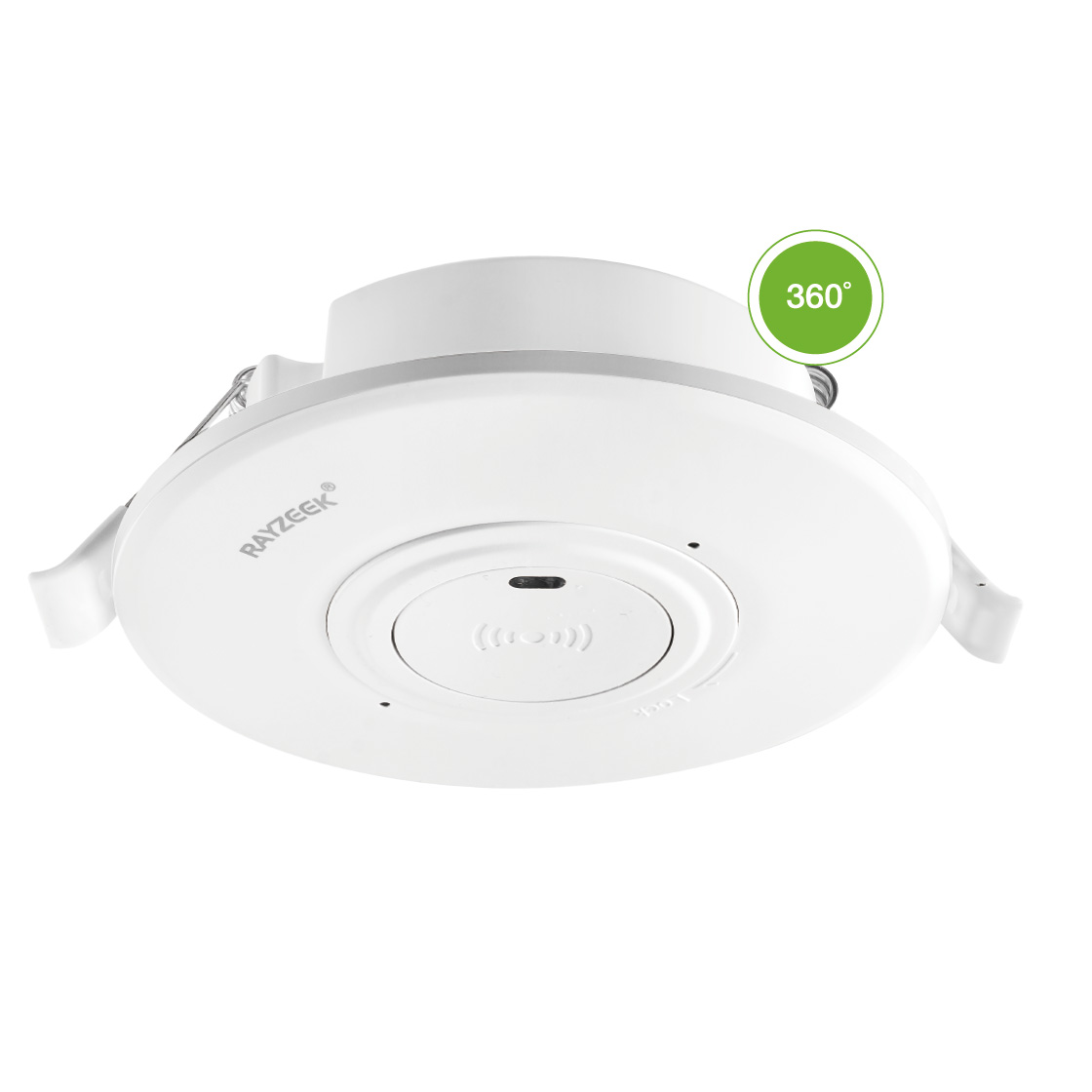
- Low-voltage DC recessed ceiling-mounted microwave motion sensor switch
- 12 VDC / 24 VDC input with 10-30 VDC range
- 10A max work current with adjustable time delay, Lux threshold, and sensitivity
- Higher-load recessed ceiling-mounted microwave motion sensor switch
- 100-265 VAC line-voltage input, 10A model
- 5.8 GHz microwave sensing with adjustable time delay, Lux threshold, and sensitivity
- Recessed ceiling-mounted microwave motion sensor switch
- 100-265 VAC line-voltage input, 5A model
- 5.8 GHz microwave sensing with adjustable time delay, Lux threshold, and sensitivity

- Low-voltage DC ceiling-mounted microwave motion sensor switch
- 12 VDC / 24 VDC input with 10-30 VDC range
- 10A max work current with adjustable time delay, Lux threshold, and sensitivity
- Higher-load ceiling-mounted microwave motion sensor switch
- 100-265 VAC line-voltage input, 10A model
- 5.8 GHz microwave sensing with adjustable time delay, Lux threshold, and sensitivity
- Ceiling-mounted microwave motion sensor switch
- 100-265 VAC line-voltage input, 5A model
- 5.8 GHz microwave sensing with adjustable time delay, Lux threshold, and sensitivity
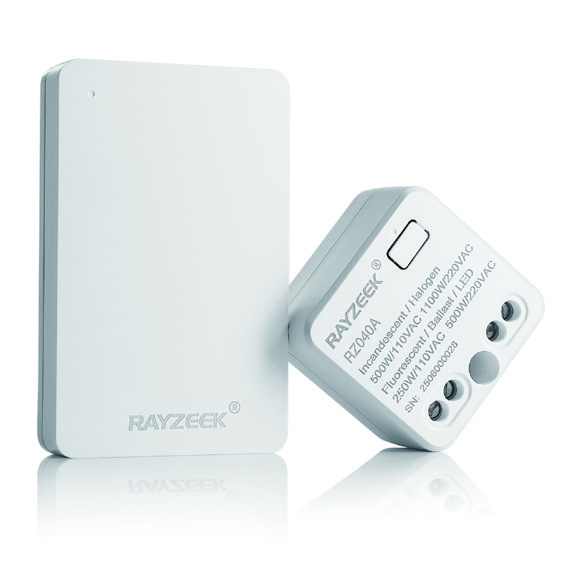
- Wireless switch and receiver kit for indoor ON/OFF lighting control
- 100-230VAC, 50/60Hz receiver with 5A rated current
- CR2032-powered wireless switch with 2.4GHz communication
- Occupancy (Auto-ON/Auto-OFF)
- 12–24V DC (10–30VDC), up to 10A
- 360° coverage, 8–12 m diameter
- Time delay 15 s–30 min
- Light sensor Off/15/25/35 Lux
- High/Low sensitivity
- Auto-ON/Auto-OFF occupancy mode
- 100–265V AC, 10A (neutral required)
- 360° coverage; 8–12 m detection diameter
- Time delay 15 s–30 min; Lux OFF/15/25/35; Sensitivity High/Low
- Auto-ON/Auto-OFF occupancy mode
- 100–265V AC, 5A (neutral required)
- 360° coverage; 8–12 m detection diameter
- Time delay 15 s–30 min; Lux OFF/15/25/35; Sensitivity High/Low

- 100V-230VAC
- Transmission Distance: up to 20m
- Wireless motion sensor
- Hardwired control

- Voltage: 2x AAA Batteries / 5V DC (Micro USB)
- Day/Night Mode
- Time delay: 15min, 30min, 1h(default), 2h

- EU plug power adapter

- UK plug power adapter
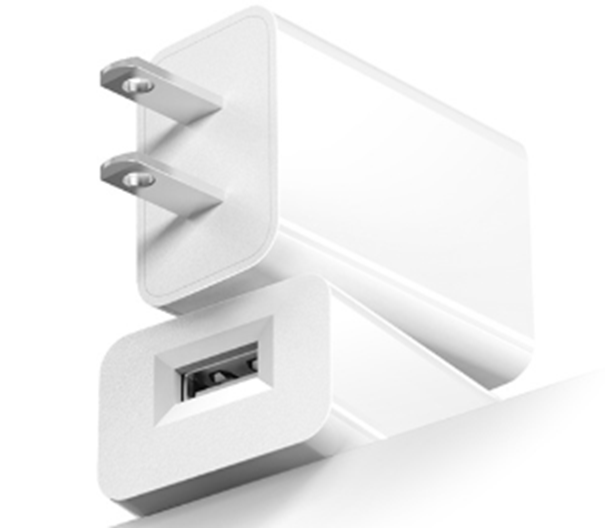
- US plug power adapter
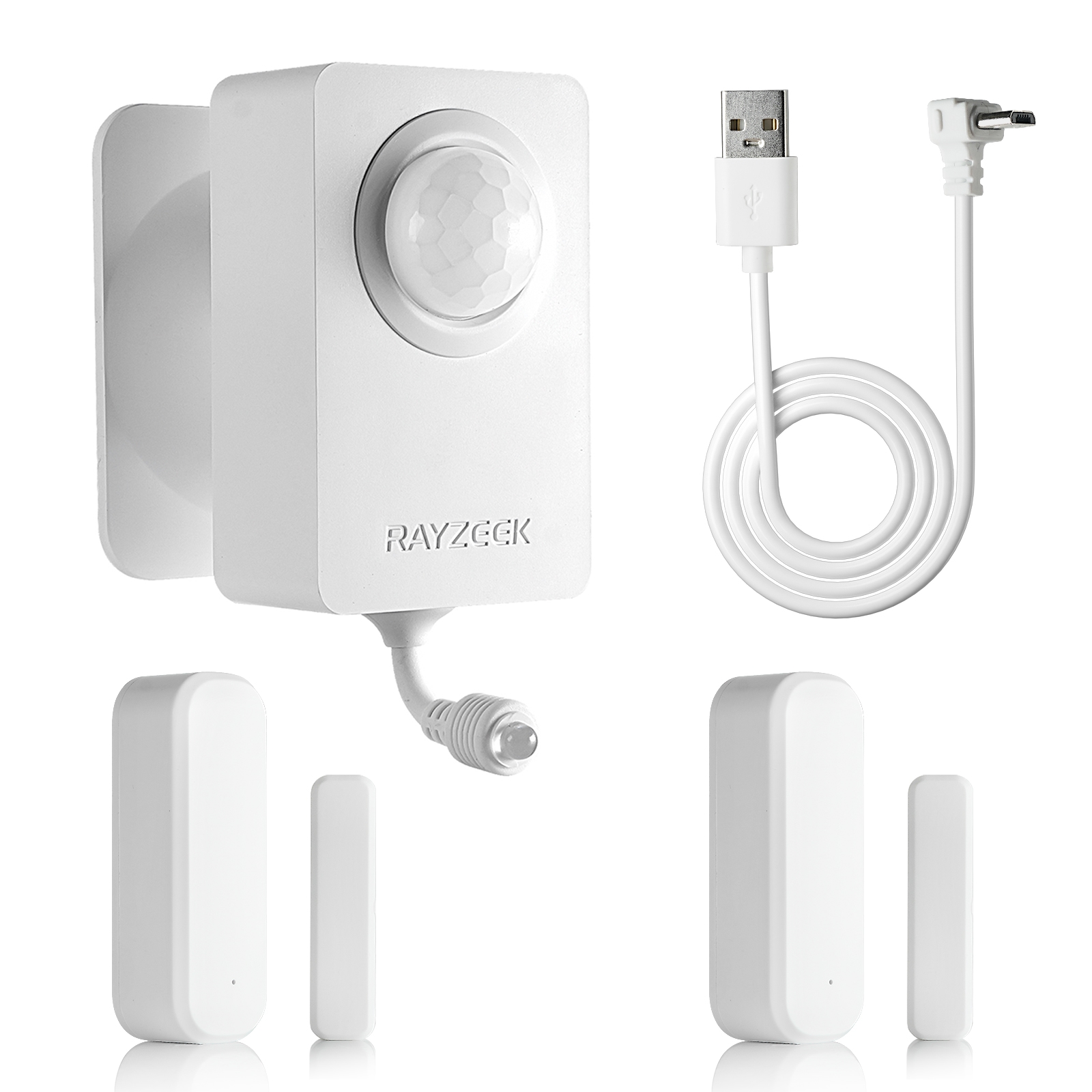
- 5V DC
- Transmission Distance: up to 30m
- Day/Night mode
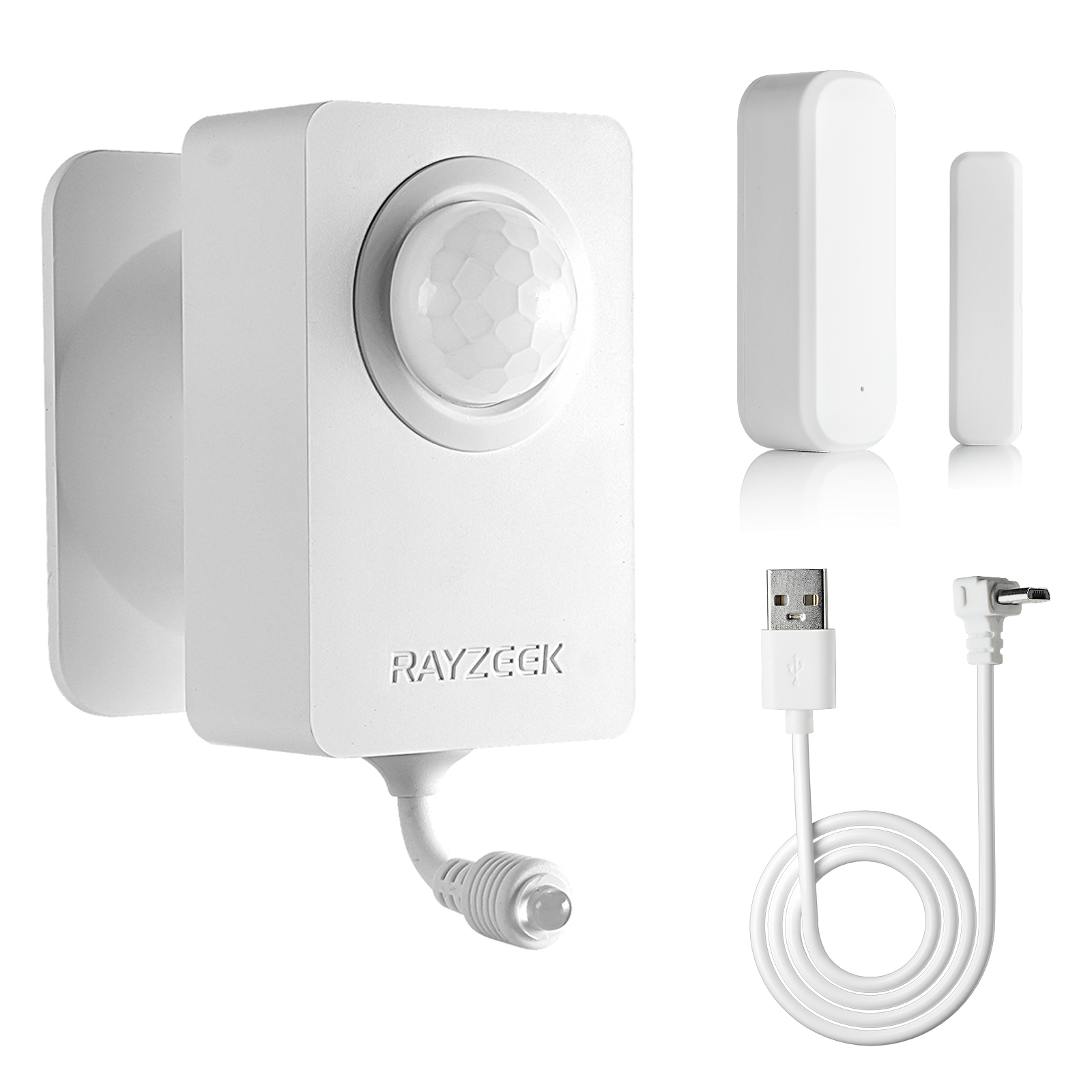
- 5V DC
- Transmission Distance: up to 30m
- Day/Night mode
To identify and address RFI, it is important to analyze the interference and its characteristics. This involves determining what is being heard, how often the interference occurs, and other obvious clues. Potential sources of interference, such as nearby electronic equipment or transmitters, should be identified and steps taken to minimize or eliminate their impact on the radio signal.
Get Inspired by Rayzeek Motion Sensor Portfolios.
Doesn't find what you want? Don't worry. There are always alternate ways to solve your problems. Maybe one of our portfolios can help.
Frequently Asked Questions
Why Does My Radio Buzz When I Turn on the Lights
Fluorescent lights can cause interference with radios due to the emission of electromagnetic radiation. While this interference is usually not noticeable during normal operation, it may become more pronounced as the lights near the end of their lifespan. However, high-quality lights with effective suppression mechanisms should not cause any interference.
What Is a Good Solution for Dealing With RF Interference
If the RF interference is greater than approximately 20 MHz, one effective solution is to use ferrite clamshells. These clamshells can be easily installed over the cable and are most effective when placed near the receive end.
What Materials Block RF Interference
The materials commonly used for RF shielding include copper, aluminum, nickel silver, pre-tin plated steel, and Mu-metal. Additionally, elastomers and textile fibers can be utilized as RF shielding materials by first making them conductive through the addition of metal fillers and coating.






