
What is High Pressure Sodium (HPS)
HPS, which stands for High Pressure Sodium, is a type of grow light widely used in indoor gardening and horticulture. These lights are specifically designed to stimulate plant growth by emitting a specific portion of the electromagnetic spectrum that is ideal for photosynthesis. HPS lights mimic natural sunlight, providing plants with the necessary light spectrum for healthy development.
Looking For Motion-Activated Energy-Saving Solutions?
Contact us for complete PIR motion sensors, motion-activated energy-saving products, motion sensor switches, and Occupancy/Vacancy commercial solutions.
HPS lights are part of the high intensity discharge (HID) category of grow lights, known for their high light output and efficiency. They are particularly popular among growers due to their affordability and effectiveness in promoting plant growth. HPS systems require additional equipment, including a ballast, reflector, and a specific light bulb.
The ballast is responsible for converting the electrical current from the home outlet to a voltage suitable for the HPS light bulb. There are two types of ballasts: magnetic and digital, with digital ballasts being more common and efficient. The reflector, typically made of polished aluminum, maximizes light reflection and focuses the maximum amount of light energy on the plants. The reflector may include a socket that plugs into the ballast or be combined with the ballast to minimize wire connections and reduce magnetic interference.
Maybe You Are Interested In

- Ceiling-mounted RZ037 PIR occupancy sensor dimmer for 220V power
- 3A maximum working current with 660W rated load
- LUX button controls light-sensor ON/OFF and user-set dimming brightness
- Ceiling-mounted RZ037 PIR occupancy sensor dimmer for 110V power
- 3A maximum working current with 330W rated load
- LUX button controls light-sensor ON/OFF and user-set dimming brightness
- Ceiling-mounted PIR occupancy sensor with dry-contact relay output
- 12/24VDC or 12/24VAC low-voltage supply
- COM, NO, and NC isolated relay contacts for EMS, HVAC, and building control inputs
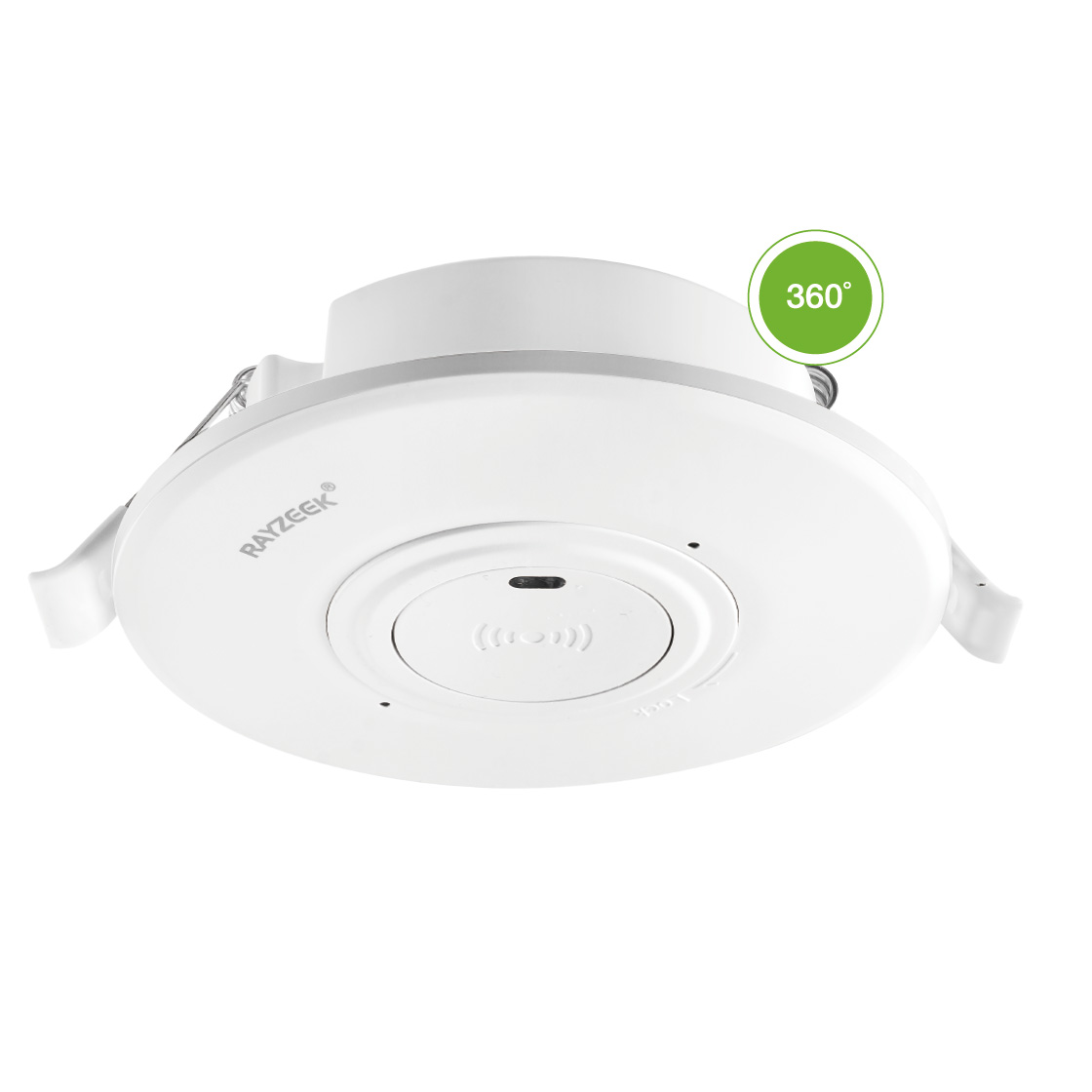
- Low-voltage DC recessed ceiling-mounted microwave motion sensor switch
- 12 VDC / 24 VDC input with 10-30 VDC range
- 10A max work current with adjustable time delay, Lux threshold, and sensitivity
- Higher-load recessed ceiling-mounted microwave motion sensor switch
- 100-265 VAC line-voltage input, 10A model
- 5.8 GHz microwave sensing with adjustable time delay, Lux threshold, and sensitivity
- Recessed ceiling-mounted microwave motion sensor switch
- 100-265 VAC line-voltage input, 5A model
- 5.8 GHz microwave sensing with adjustable time delay, Lux threshold, and sensitivity

- Low-voltage DC ceiling-mounted microwave motion sensor switch
- 12 VDC / 24 VDC input with 10-30 VDC range
- 10A max work current with adjustable time delay, Lux threshold, and sensitivity
- Higher-load ceiling-mounted microwave motion sensor switch
- 100-265 VAC line-voltage input, 10A model
- 5.8 GHz microwave sensing with adjustable time delay, Lux threshold, and sensitivity
- Ceiling-mounted microwave motion sensor switch
- 100-265 VAC line-voltage input, 5A model
- 5.8 GHz microwave sensing with adjustable time delay, Lux threshold, and sensitivity
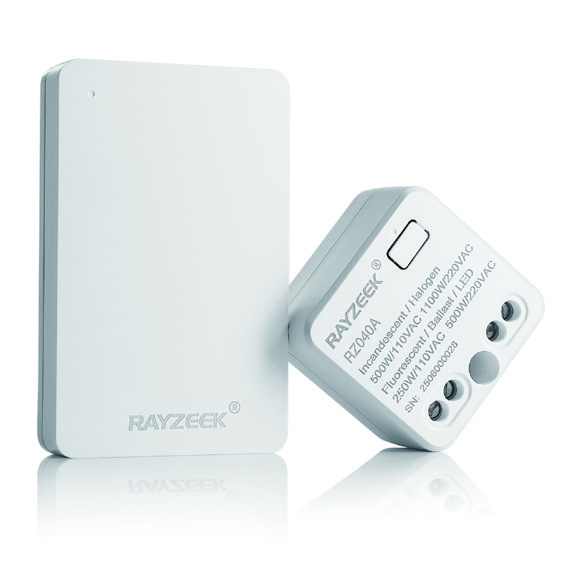
- Wireless switch and receiver kit for indoor ON/OFF lighting control
- 100-230VAC, 50/60Hz receiver with 5A rated current
- CR2032-powered wireless switch with 2.4GHz communication
- Occupancy (Auto-ON/Auto-OFF)
- 12–24V DC (10–30VDC), up to 10A
- 360° coverage, 8–12 m diameter
- Time delay 15 s–30 min
- Light sensor Off/15/25/35 Lux
- High/Low sensitivity
- Auto-ON/Auto-OFF occupancy mode
- 100–265V AC, 10A (neutral required)
- 360° coverage; 8–12 m detection diameter
- Time delay 15 s–30 min; Lux OFF/15/25/35; Sensitivity High/Low
- Auto-ON/Auto-OFF occupancy mode
- 100–265V AC, 5A (neutral required)
- 360° coverage; 8–12 m detection diameter
- Time delay 15 s–30 min; Lux OFF/15/25/35; Sensitivity High/Low
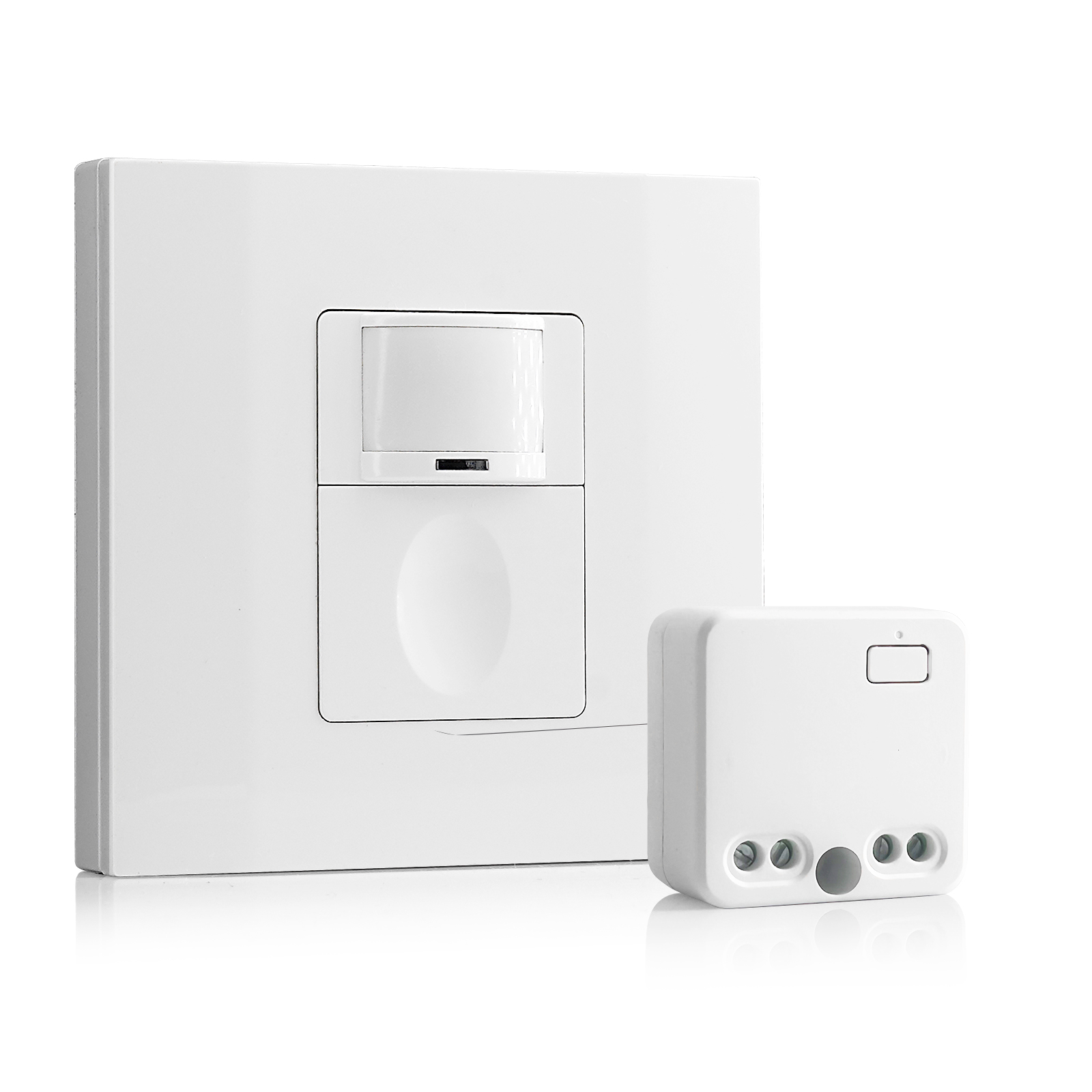
- 100V-230VAC
- Transmission Distance: up to 20m
- Wireless motion sensor
- Hardwired control
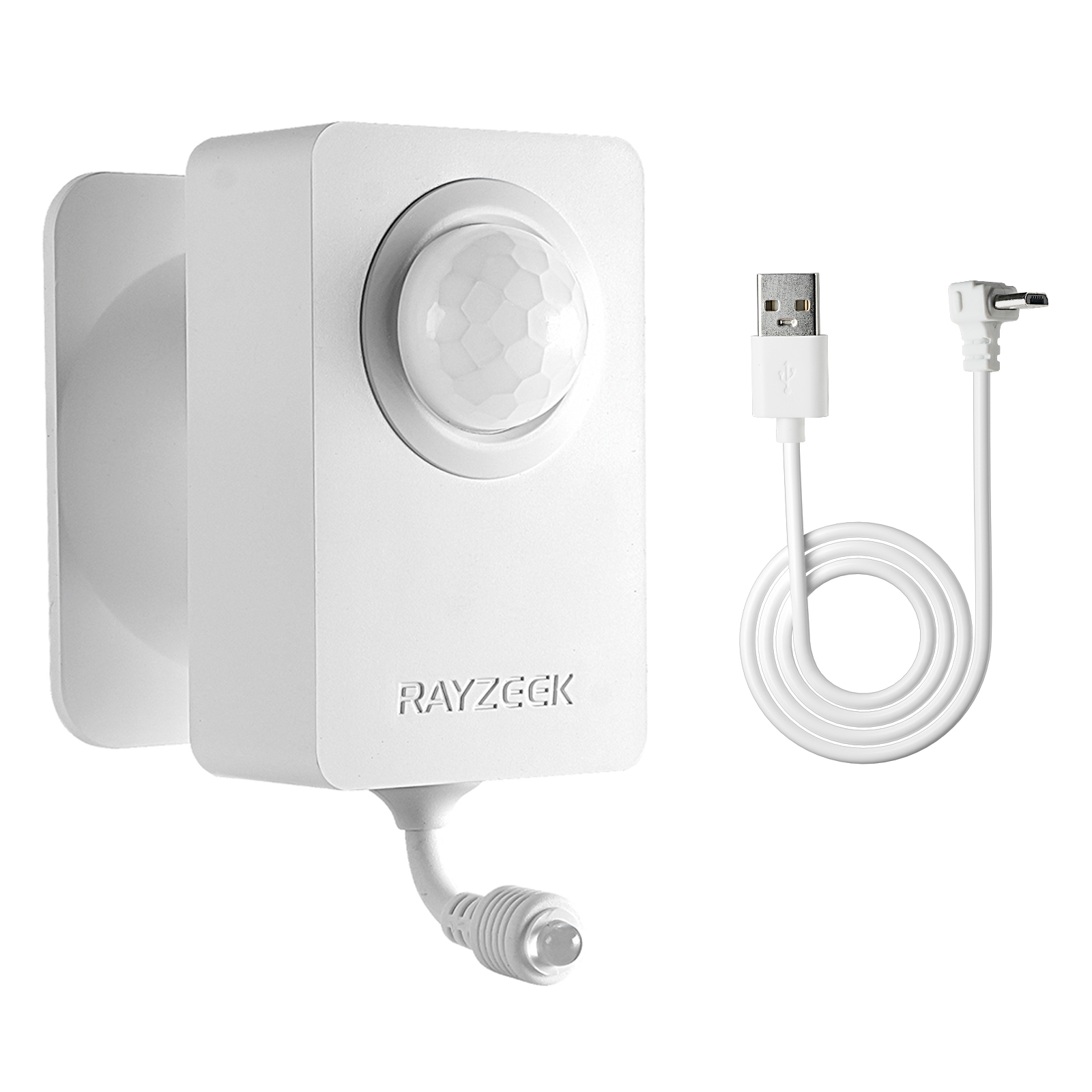
- Voltage: 2x AAA Batteries / 5V DC (Micro USB)
- Day/Night Mode
- Time delay: 15min, 30min, 1h(default), 2h
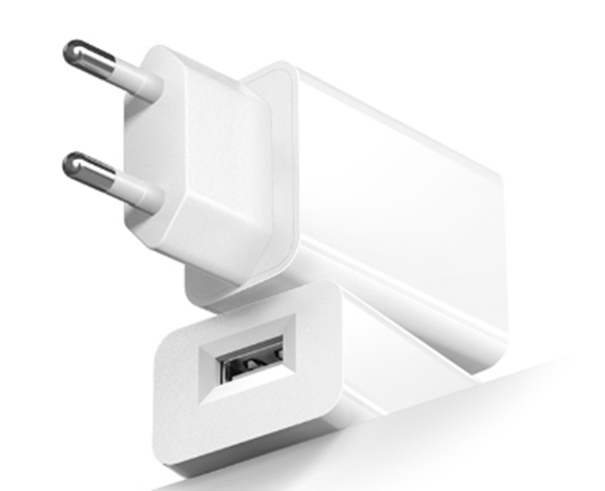
- EU plug power adapter
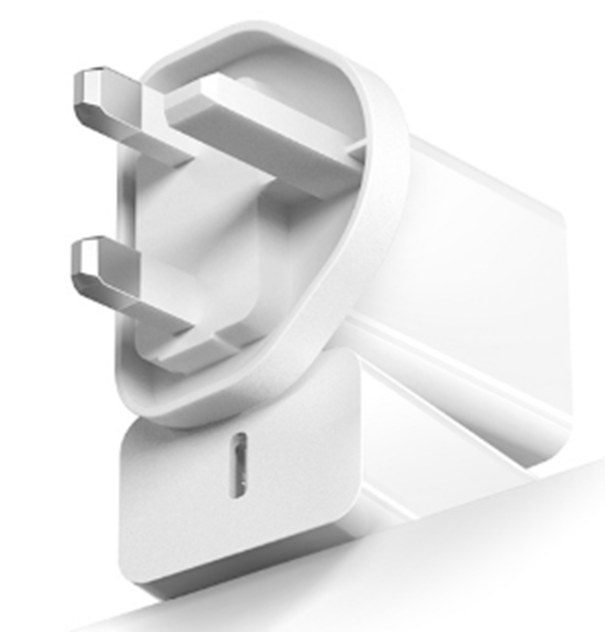
- UK plug power adapter
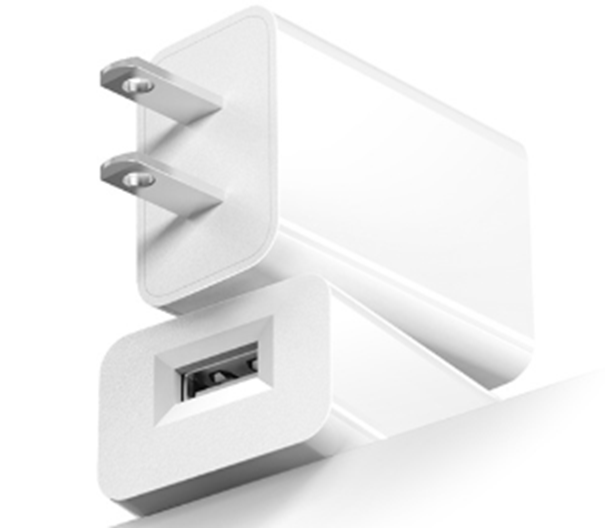
- US plug power adapter
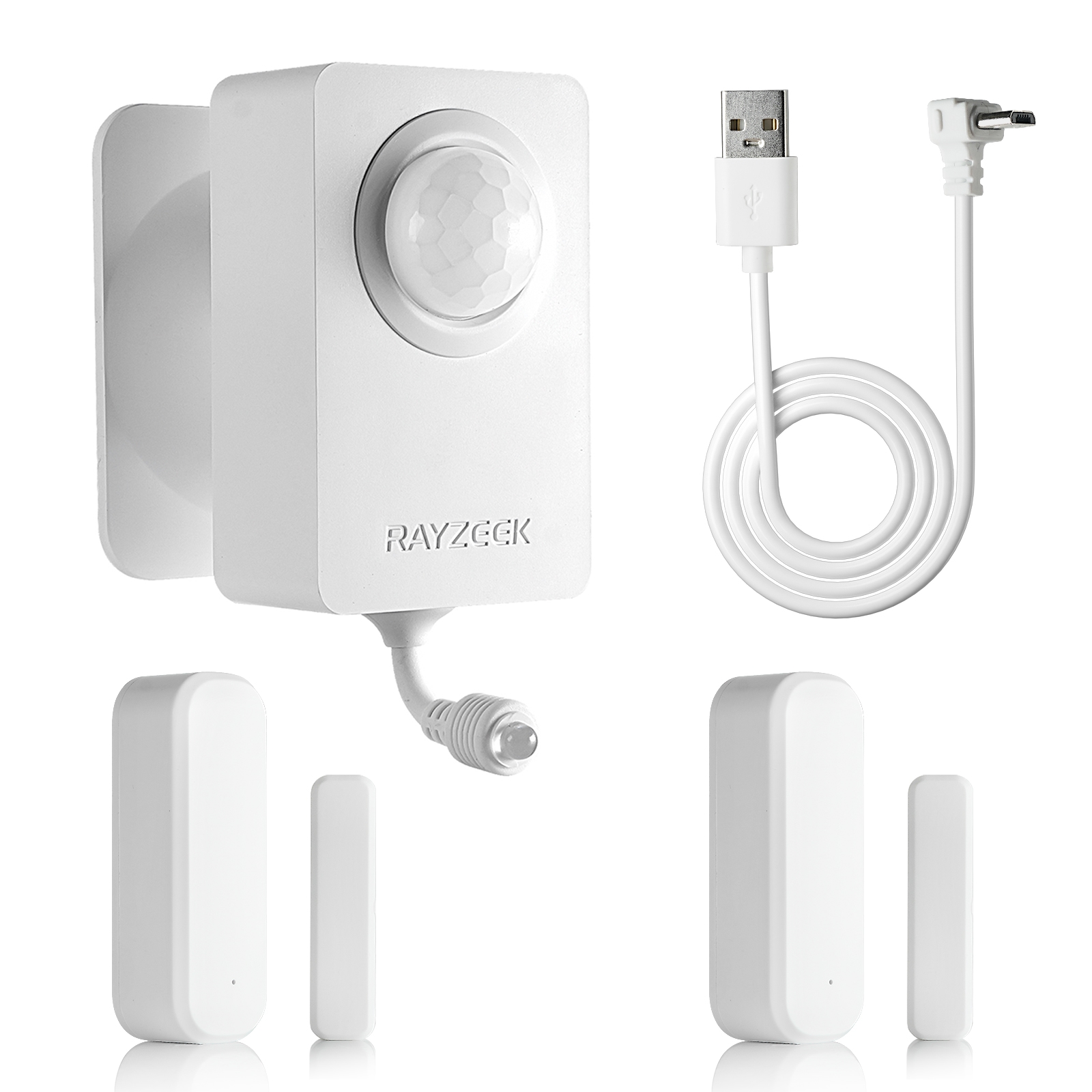
- 5V DC
- Transmission Distance: up to 30m
- Day/Night mode
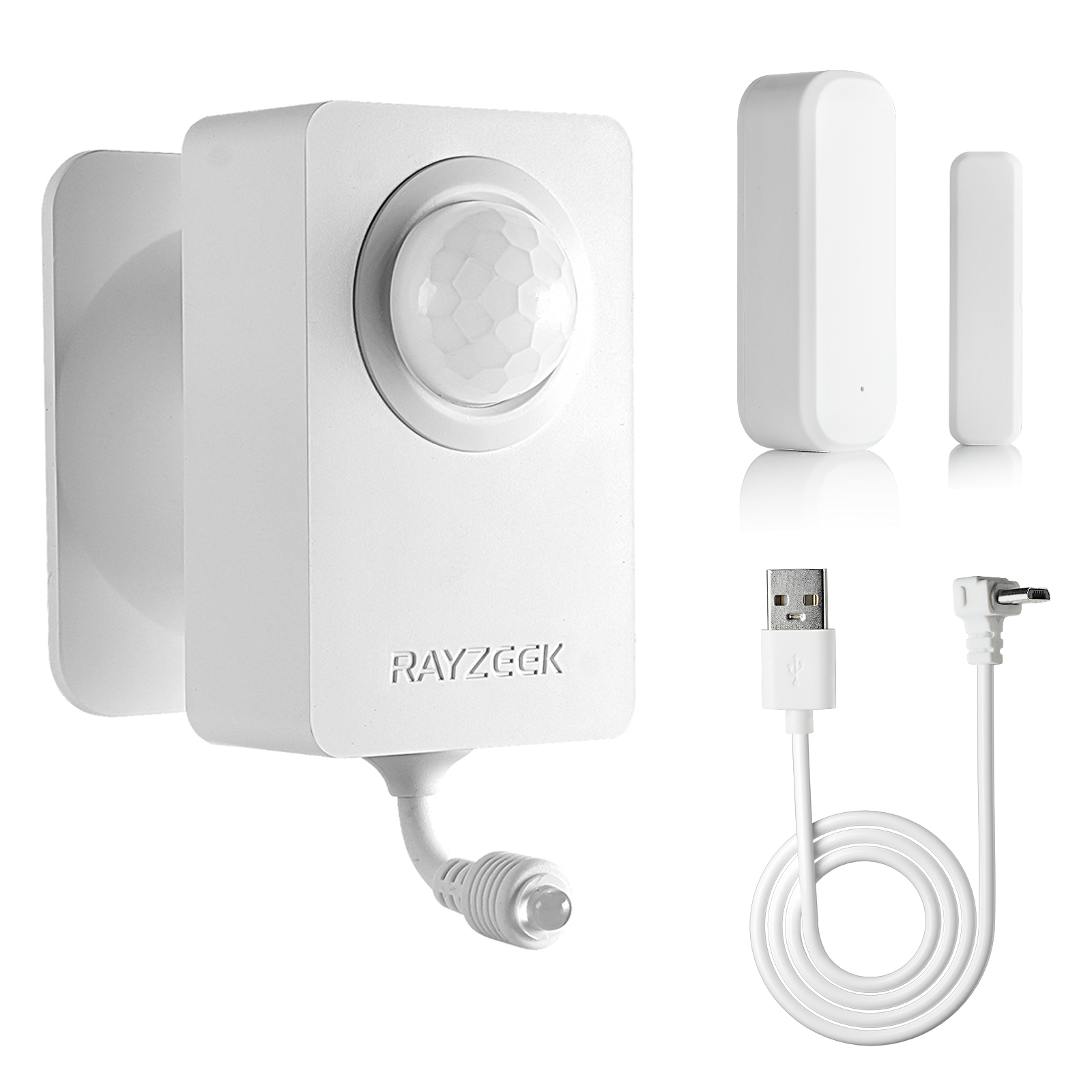
- 5V DC
- Transmission Distance: up to 30m
- Day/Night mode
The HPS light bulb consists of an external glass shell and an internal glass tube containing sodium gas. When an electric current passes through the pressurized tube, the sodium gas vaporizes and emits a reddish light, which is beneficial for plant growth. It is important to handle the light bulb with gloves and avoid touching it with bare hands, as the oils on the skin can degrade and crack the bulb over time.
Frequently Asked Questions
Are High Pressure Sodium Lights Being Phased Out
A variety of popular lighting types, including certain ‘standard’ high-pressure sodium lights (including retrofit), high-pressure mercury lights, and standard performance metal halide lights, will need to be phased out by 2017.
Which Bulb Is Better High Pressure Sodium or Metal Halide
MH lamps are preferred for plants that have limited access to natural light because they offer a more natural color appearance. On the other hand, HPS lamps are ideal for plants that are in the fruiting and flowering stage as they provide a yellow/red spectrum.
How Much LED Will a 400 Watt HPS Convert To
As a point of interest, a 400-watt HPS luminaire typically produces approximately 50,000 lumens. To estimate the LED lumen output, it is generally recommended to halve the HPS lumen output. Therefore, in this scenario, the LED lumen output would be approximately 25,000 lumens.
What Is the Disadvantage of Metal Halide Lighting
One major drawback of metal halide lighting is its tendency to generate excessive heat. This can pose a challenge in environments that are already hot, like greenhouses or during the summer season. Furthermore, the intense brightness of metal halide lights can lead to issues such as glare and the formation of shadows.
What LED Is Equivalent to 600 Watt HPS
For instance, the Platinum P450 274W LED grow light from the United States is a suitable alternative to a 600 watt HPS. This LED grow light provides 11 different bands of light, spanning from ultraviolet to infrared.
How Much Does 1000w HPS Cost Run Per Month
You can calculate the monthly cost of running a 1000w HPS by dividing the wattage by 1,000 (1,000 kilowatts in 1 watt). Assuming we run the 1000 watt grow light for 18 hours a day and use the kWh rate mentioned earlier, the formula would be: 1 x $0.1559 x 18 x 30 = $84.186/month.






