
What is High Bay
High bay is a specific type of lighting fixture designed for illuminating large areas with high ceilings, typically ranging from 20 to 40 feet in height from the floor. These fixtures are commonly found in industrial and commercial spaces, where they provide strong and evenly distributed light while minimizing glare.
High bay lighting fixtures are specifically engineered to meet the challenges posed by tall ceilings. They are mounted onto high ceilings, ensuring that the light is effectively directed downwards to illuminate the intended area. This design helps to maximize the efficiency of the lighting and minimize wasted light.
Inspírese con los catálogos de sensores de movimiento de Rayzeek.
¿No encuentra lo que busca? No se preocupe. Siempre hay formas alternativas de resolver sus problemas. Quizás uno de nuestros catálogos pueda ayudarle.
One key distinction between high bay lighting and other types of lighting fixtures, such as low bay lighting, is the ceiling height. High bay fixtures are specifically designed for spaces with taller ceilings, typically between 20 to 45 feet high. This ensures that the light is appropriately distributed across the larger vertical space.
In terms of installation, high bay lighting fixtures offer flexibility. They can be hung from the ceiling using various methods, such as hooks, chains, or pendants. Alternatively, they can be fixed directly to the ceiling, similar to troffer lights. This versatility allows for different installation options based on the specific requirements of the space.
Quizás le interese

- Sensor de presencia PIR para montaje en techo con salida de relé de contacto seco
- Alimentación de bajo voltaje de 12/24VDC o 12/24VAC
- Contactos de relé aislados COM, NO y NC para entradas de EMS, HVAC y control de edificios

- Interruptor sensor de movimiento por microondas empotrable en techo de bajo voltaje DC
- Entrada de 12 VDC / 24 VDC con rango de 10-30 VDC
- Corriente de funcionamiento máxima de 10A con retardo de tiempo, umbral de Lux y sensibilidad ajustables
- Interruptor sensor de movimiento por microondas empotrable en techo para cargas más altas
- Entrada de voltaje de línea de 100-265 VAC, modelo de 10A
- Detección por microondas de 5.8 GHz con retardo de tiempo, umbral de Lux y sensibilidad ajustables
- Interruptor sensor de movimiento por microondas empotrable en techo
- Entrada de voltaje de línea de 100-265 VAC, modelo de 5A
- Detección por microondas de 5.8 GHz con retardo de tiempo, umbral de Lux y sensibilidad ajustables
- Dimmer sensor de presencia PIR RZ037 para montaje en techo para alimentación de 220V
- Corriente de funcionamiento máxima de 3A con carga nominal de 660W
- El botón LUX controla el encendido/apagado del sensor de luz y el brillo de regulación establecido por el usuario
- Dimmer sensor de presencia PIR RZ037 para montaje en techo para alimentación de 110V
- Corriente de funcionamiento máxima de 3A con carga nominal de 330W
- El botón LUX controla el encendido/apagado del sensor de luz y el brillo de regulación establecido por el usuario

- Interruptor de sensor de movimiento por microondas de techo de CC de bajo voltaje
- Entrada de 12 VDC / 24 VDC con rango de 10-30 VDC
- Corriente de funcionamiento máxima de 10A con retardo de tiempo, umbral de Lux y sensibilidad ajustables
- Interruptor de sensor de movimiento por microondas de techo para cargas más altas
- Entrada de voltaje de línea de 100-265 VAC, modelo de 10A
- Detección por microondas de 5.8 GHz con retardo de tiempo, umbral de Lux y sensibilidad ajustables
- Interruptor de sensor de movimiento por microondas de techo
- Entrada de voltaje de línea de 100-265 VAC, modelo de 5A
- Detección por microondas de 5.8 GHz con retardo de tiempo, umbral de Lux y sensibilidad ajustables

- Interruptor de sensor de movimiento PIR de techo empotrado de CC de bajo voltaje
- Entrada de 12 VDC / 24 VDC con rango de 10-30 VDC
- Corriente de trabajo máxima de 10A con retardo de tiempo, umbral de Lux y sensibilidad ajustables

- Interruptor de sensor de movimiento PIR de techo empotrado para cargas más altas
- Entrada de voltaje de línea de 100-265 VAC, modelo de 10A
- Detección de 360 grados con retardo de tiempo, umbral de Lux y sensibilidad ajustables
- Interruptor de sensor de movimiento PIR de techo empotrado
- Entrada de voltaje de línea de 100-265 VAC, modelo de 5A
- Detección de 360 grados con retardo de tiempo, umbral de Lux y sensibilidad ajustables

- Kit de receptor e interruptor inalámbrico para control de iluminación de encendido/apagado en interiores
- Receptor de 100-230VAC, 50/60Hz con corriente nominal de 5A
- Interruptor inalámbrico alimentado por CR2032 con comunicación de 2.4GHz
- Presencia (Encendido automático/Apagado automático)
- 12–24V DC (10–30VDC), hasta 10A
- Cobertura de 360°, 8–12 m de diámetro
- Retardo de tiempo de 15 s–30 min
- Sensor de luz Apagado/15/25/35 Lux
- Sensibilidad Alta/Baja
- Modo de presencia de encendido automático/apagado automático
- 100–265V AC, 10A (requiere neutro)
- Cobertura de 360°; diámetro de detección de 8–12 m
- Retardo de tiempo de 15 s–30 min; Lux APAGADO/15/25/35; Sensibilidad Alta/Baja
- Modo de presencia de encendido automático/apagado automático
- 100–265V CA, 5A (se requiere neutro)
- Cobertura de 360°; diámetro de detección de 8–12 m
- Retardo de tiempo de 15 s–30 min; Lux APAGADO/15/25/35; Sensibilidad Alta/Baja
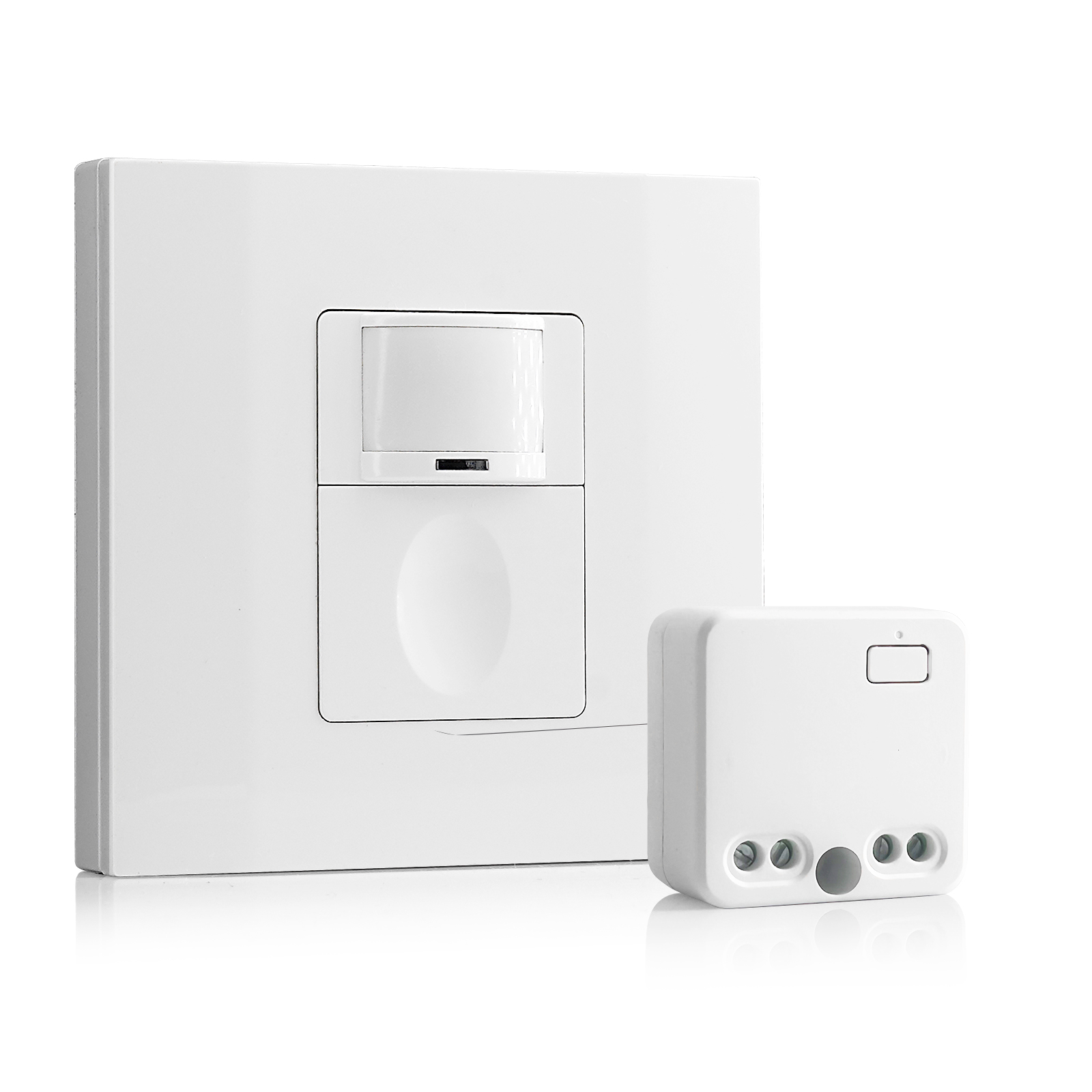
- 100V-230V CA
- Distancia de transmisión: hasta 20 m
- Sensor de movimiento inalámbrico
- Control cableado
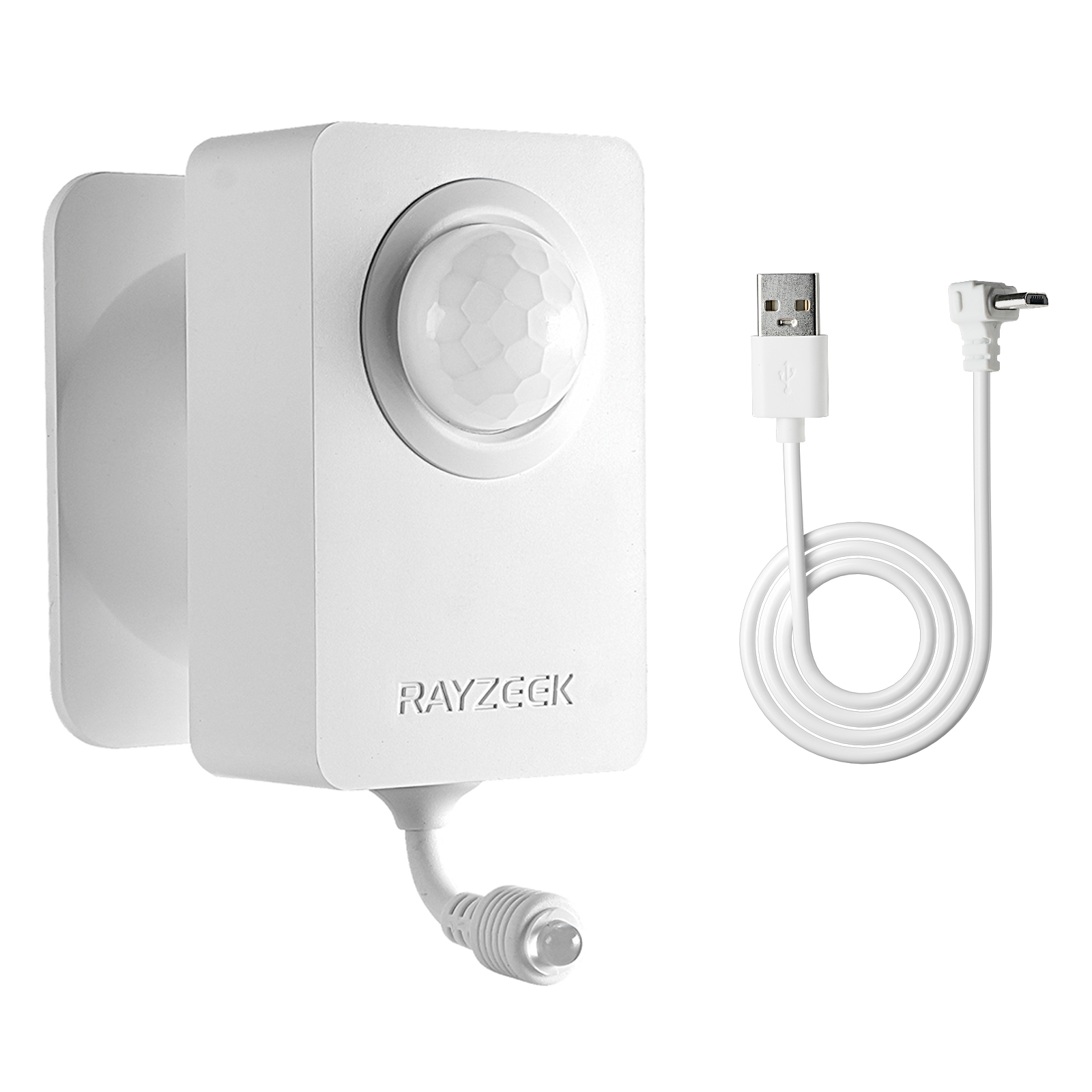
- Voltaje: 2 baterías AAA / 5V CC (Micro USB)
- Modo día/noche
- Tiempo de retardo: 15 min, 30 min, 1 h (por defecto), 2 h
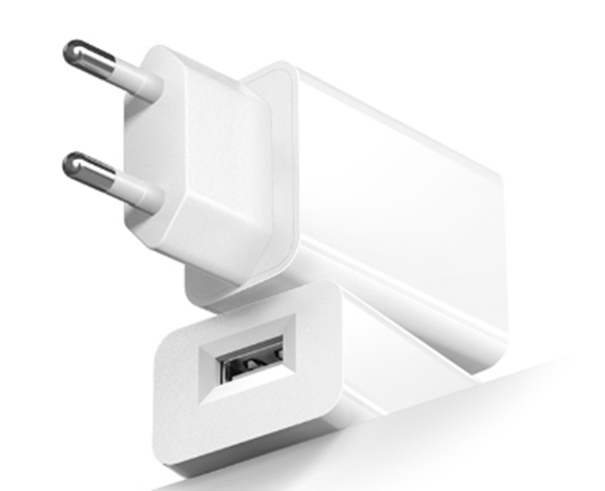
- Adaptador de corriente con enchufe de la UE
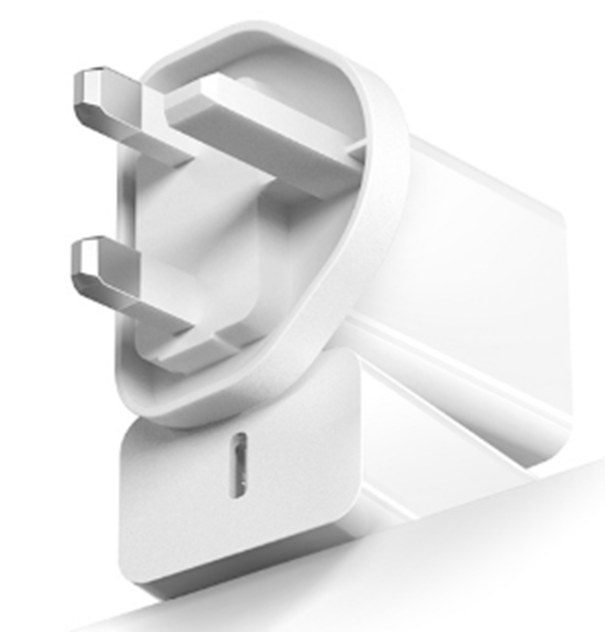
- Adaptador de corriente con enchufe del Reino Unido
Frequently Asked Questions
How Many Lumens Do I Need for a 16 Foot Ceiling
To determine the number of lumens needed for a 16-foot ceiling, you can calculate the square footage of the room by multiplying its length and width. For instance, if the room measures 16 feet in length and 14 feet in width, the square footage would be 224. Consequently, by multiplying 224 by 15, we arrive at a total of 3,360 lumens required.
What Does High Bay Mean
A high bay light is typically described as a lighting fixture designed for installation in a ceiling that is typically 20-40 feet above the floor. These types of ceilings are commonly found in industrial and certain commercial settings.
What Is the Difference Between Floodlight and High Bay Light
Although both floodlights and high bay lights have a wide range of applications and can be used in the same place, there is a key difference between them. High bay lights are primarily used in indoor areas with high ceilings, while floodlights are preferred for outdoor applications.
What Are LED High Bay Lights Used For
High-bay lights are primarily utilized for illuminating areas with high ceilings, typically ranging from 20 feet to around 45 feet. Conversely, low-bay lights are designed for ceilings that are 20 feet and below.
What Are the Benefits of High Bay Lights
High bay LED lights have a longer lifespan compared to other lighting options such as CFL and fluorescent lights. They also produce minimal heat. Apart from the safety benefits, this reduced heat generation can result in lower cooling expenses for a facility.
Do I Need High Bay or Low Bay Lighting
The height of the ceiling in the area you wish to light up is the deciding factor in whether you should use high-bay or low-bay lighting. If the ceiling is higher than 15–20 feet, you should opt for high-bay lighting. On the other hand, if the ceiling is lower than 20 feet, low-bay lighting is the appropriate choice.
What Is a High Bay in Construction
A high-bay warehouse in construction refers to a storage solution that has a minimum height of 12 meters and can reach up to approximately 50 meters. This vertical storage system efficiently utilizes the available space in a building, ensuring optimal utilization of both floor space and volume.
How Long Do LED High Bay Lights Last
So, what is the typical lifespan of LED high bay lights? There have been numerous reports regarding the longevity of commercial LED lights, with most estimating it to be around 50,000 to 100,000 hours.
How Do I Choose High Bay Lights
You can select the appropriate high bay lights based on the installation height. Different wattage options are available for different height levels. For heights ranging from 10-15 feet, lights with 10,000 to 15,000 lumens are ideal. For heights ranging from 15-20 feet, lights with 16,000 to 20,000 lumens are recommended.
What Wattage High Bay Lights Do I Need
For spaces measuring 10 – 15 feet, it is recommended to use 100-watt high bay lights. For spaces measuring 14 – 18 feet, it is recommended to use 150-watt high bay lights. For spaces measuring 18 – 20 feet, it is recommended to use 200-watt high bay lights. For spaces measuring 21+ feet, it is recommended to use 240-watt high bay lights.







