
What is Spectral Power Distribution (SPD)
Spectral power distribution (SPD), in the context of the lighting industry, is the measurement and representation of the power or intensity of light at each wavelength in the visible spectrum. It provides crucial information about the color properties and overall spectral composition of a light source.
The SPD curve, which is a graph illustrating the distribution of power across different wavelengths of light, is used to analyze and understand the characteristics of a light source. By examining the SPD curve, one can assess the color rendering capabilities, color temperature, and overall quality of the light emitted by a lamp or lighting system.
Maybe You Are Interested In

- Ceiling-mounted PIR occupancy sensor with dry-contact relay output
- 12/24VDC or 12/24VAC low-voltage supply
- COM, NO, and NC isolated relay contacts for EMS, HVAC, and building control inputs

- Low-voltage DC recessed ceiling-mounted microwave motion sensor switch
- 12 VDC / 24 VDC input with 10-30 VDC range
- 10A max work current with adjustable time delay, Lux threshold, and sensitivity
- Higher-load recessed ceiling-mounted microwave motion sensor switch
- 100-265 VAC line-voltage input, 10A model
- 5.8 GHz microwave sensing with adjustable time delay, Lux threshold, and sensitivity
- Recessed ceiling-mounted microwave motion sensor switch
- 100-265 VAC line-voltage input, 5A model
- 5.8 GHz microwave sensing with adjustable time delay, Lux threshold, and sensitivity
- Ceiling-mounted RZ037 PIR occupancy sensor dimmer for 220V power
- 3A maximum working current with 660W rated load
- LUX button controls light-sensor ON/OFF and user-set dimming brightness
- Ceiling-mounted RZ037 PIR occupancy sensor dimmer for 110V power
- 3A maximum working current with 330W rated load
- LUX button controls light-sensor ON/OFF and user-set dimming brightness

- Low-voltage DC ceiling-mounted microwave motion sensor switch
- 12 VDC / 24 VDC input with 10-30 VDC range
- 10A max work current with adjustable time delay, Lux threshold, and sensitivity
- Higher-load ceiling-mounted microwave motion sensor switch
- 100-265 VAC line-voltage input, 10A model
- 5.8 GHz microwave sensing with adjustable time delay, Lux threshold, and sensitivity
- Ceiling-mounted microwave motion sensor switch
- 100-265 VAC line-voltage input, 5A model
- 5.8 GHz microwave sensing with adjustable time delay, Lux threshold, and sensitivity

- Low-voltage DC recessed ceiling mount PIR motion sensor switch
- 12 VDC / 24 VDC input with 10-30 VDC range
- Max work current 10A with adjustable time delay, Lux threshold, and sensitivity

- Higher-load recessed ceiling mount PIR motion sensor switch
- 100-265 VAC line-voltage input, 10A model
- 360-degree detection with adjustable time delay, Lux threshold, and sensitivity
- Recessed ceiling mount PIR motion sensor switch
- 100-265 VAC line-voltage input, 5A model
- 360-degree detection with adjustable time delay, Lux threshold, and sensitivity

- Wireless switch and receiver kit for indoor ON/OFF lighting control
- 100-230VAC, 50/60Hz receiver with 5A rated current
- CR2032-powered wireless switch with 2.4GHz communication
- Occupancy (Auto-ON/Auto-OFF)
- 12–24V DC (10–30VDC), up to 10A
- 360° coverage, 8–12 m diameter
- Time delay 15 s–30 min
- Light sensor Off/15/25/35 Lux
- High/Low sensitivity
- Auto-ON/Auto-OFF occupancy mode
- 100–265V AC, 10A (neutral required)
- 360° coverage; 8–12 m detection diameter
- Time delay 15 s–30 min; Lux OFF/15/25/35; Sensitivity High/Low
- Auto-ON/Auto-OFF occupancy mode
- 100–265V AC, 5A (neutral required)
- 360° coverage; 8–12 m detection diameter
- Time delay 15 s–30 min; Lux OFF/15/25/35; Sensitivity High/Low
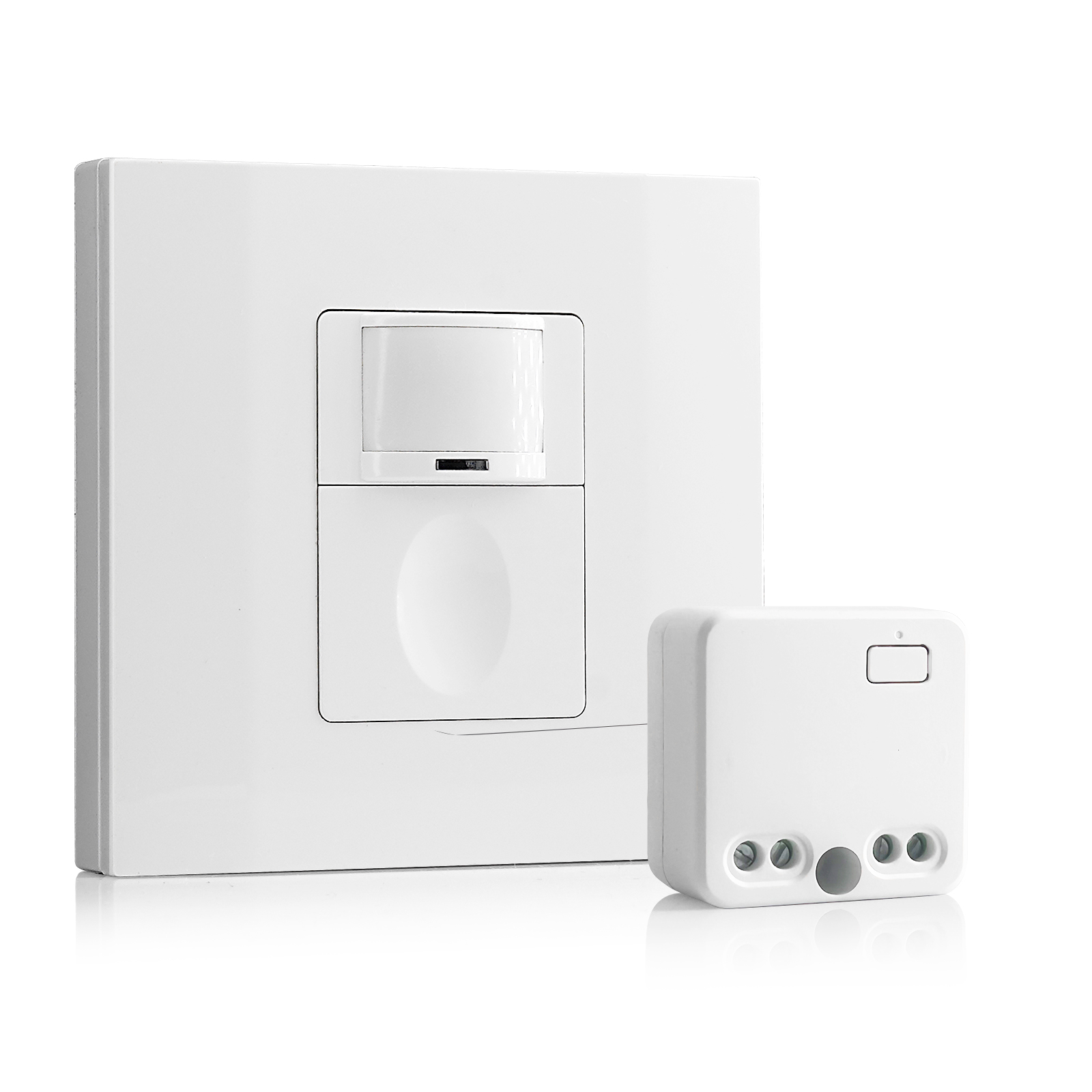
- 100V-230VAC
- Transmission Distance: up to 20m
- Wireless motion sensor
- Hardwired control
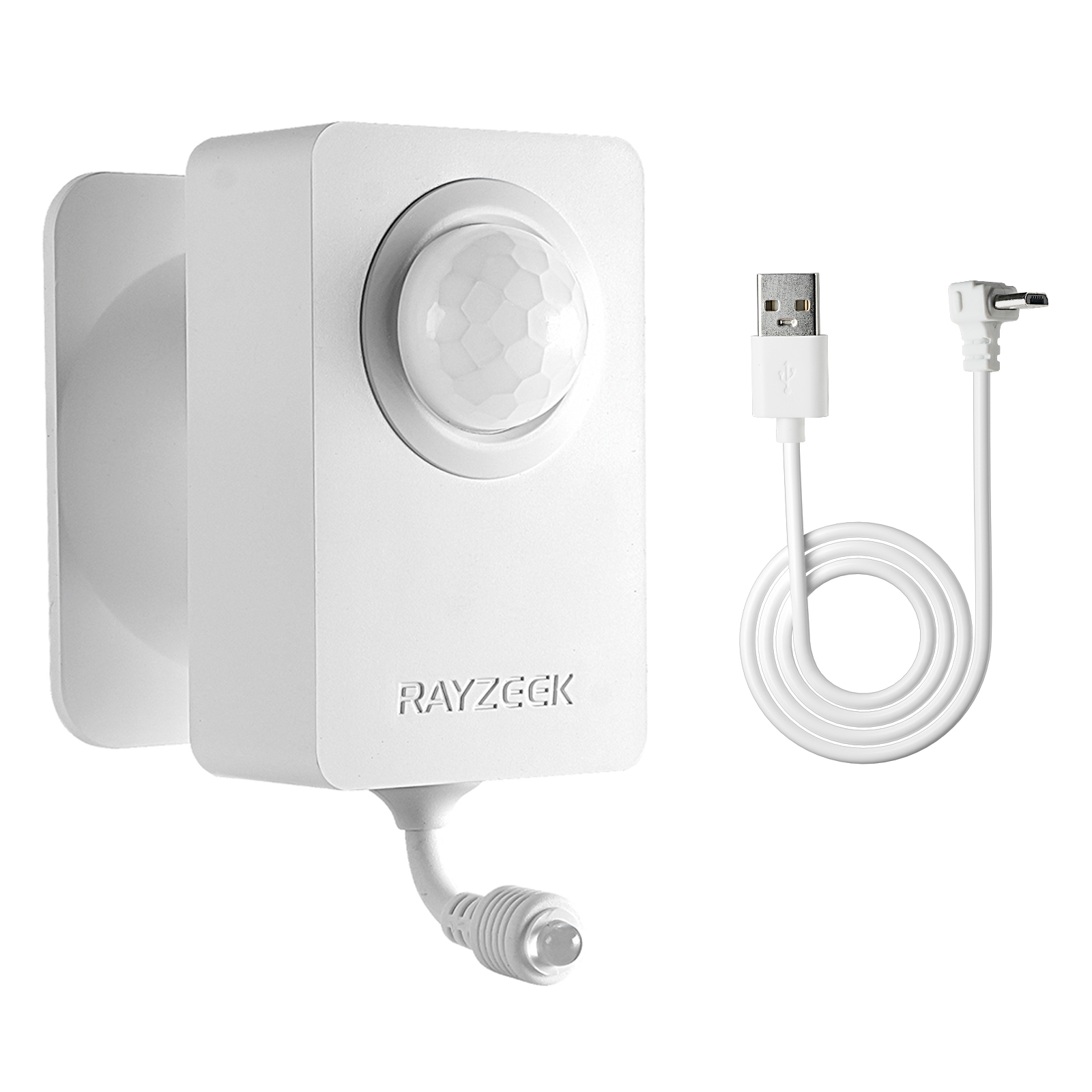
- Voltage: 2x AAA Batteries / 5V DC (Micro USB)
- Day/Night Mode
- Time delay: 15min, 30min, 1h(default), 2h
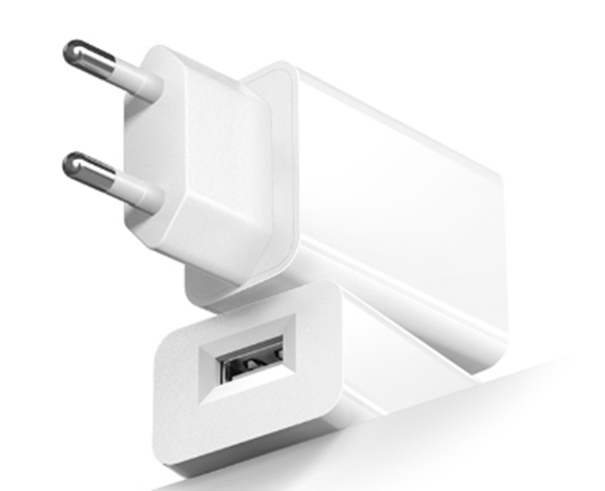
- EU plug power adapter
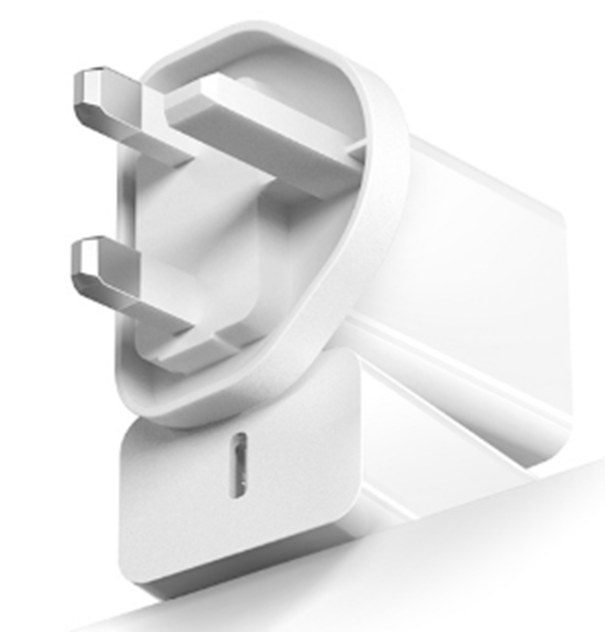
- UK plug power adapter
The SPD curve allows for a precise description of color and serves as a starting point for quantitative analyses of color. It provides data that helps in understanding how different lighting conditions can affect the perception of color. By comparing the SPD curves of different light sources, one can evaluate the accuracy and consistency of the color rendering.
Get Inspired by Rayzeek Motion Sensor Portfolios.
Doesn't find what you want? Don't worry. There are always alternate ways to solve your problems. Maybe one of our portfolios can help.
Frequently Asked Questions
What Is SPD in Lighting
SPD, which stands for Spectral Power Distribution, refers to the distribution of power across different wavelengths of light emitted by a light source. The visible white light that we perceive is composed of a range of colors, spanning from violet (380nm) to red (760nm).
How Is Spectral Power Distribution Measured
The measurement of spectral power distribution (SPD) involves the use of a spectrophotometer. By analyzing the SPD, it is possible to derive both the luminance and chromaticity of a color, which allows for an accurate description of the color within the CIE system. Additionally, the SPD can be linked to other color measurement systems.
What Is the Spectral Distribution of LED Lights
The spectral distribution of LED lights is determined by the spectrum of spontaneous emission, which usually follows a Gaussian shape. LED lights in the 1300-1500nm range can have spectral widths ranging from 50 to 180nm. Specifically, the spectral width of an LED with a wavelength of 1300nm is being analyzed.
What Is SPD Curve
SPD curves are obtained by using a Spectroradiometer, which is specifically designed to measure the spectral density of an illuminant. These curves provide information about the relative intensity of a light source at various defined steps across the visible region of the electromagnetic spectrum, typically ranging from 380nm to 780nm.







