

What is Circuit Breaker
A circuit breaker is an electrical device that protects electrical circuits from overloads and short circuits. It functions as a switch that can open and close an electrical circuit, ensuring the safe and efficient operation of lighting systems. When electricity enters a home or building, it is distributed through a circuit breaker box or fuse box, where it is divided into multiple circuits. Each circuit is protected by a circuit breaker, which acts as a safeguard against excessive current flow. If the current exceeds the rated capacity of the circuit, the circuit breaker automatically trips or shuts off the circuit, preventing damage to the wiring and connected devices.
Maybe You Are Interested In

- Ceiling-mounted PIR occupancy sensor with dry-contact relay output
- 12/24VDC or 12/24VAC low-voltage supply
- COM, NO, and NC isolated relay contacts for EMS, HVAC, and building control inputs

- Low-voltage DC recessed ceiling-mounted microwave motion sensor switch
- 12 VDC / 24 VDC input with 10-30 VDC range
- 10A max work current with adjustable time delay, Lux threshold, and sensitivity
- Higher-load recessed ceiling-mounted microwave motion sensor switch
- 100-265 VAC line-voltage input, 10A model
- 5.8 GHz microwave sensing with adjustable time delay, Lux threshold, and sensitivity
- Recessed ceiling-mounted microwave motion sensor switch
- 100-265 VAC line-voltage input, 5A model
- 5.8 GHz microwave sensing with adjustable time delay, Lux threshold, and sensitivity
- Ceiling-mounted RZ037 PIR occupancy sensor dimmer for 220V power
- 3A maximum working current with 660W rated load
- LUX button controls light-sensor ON/OFF and user-set dimming brightness
- Ceiling-mounted RZ037 PIR occupancy sensor dimmer for 110V power
- 3A maximum working current with 330W rated load
- LUX button controls light-sensor ON/OFF and user-set dimming brightness

- Low-voltage DC ceiling-mounted microwave motion sensor switch
- 12 VDC / 24 VDC input with 10-30 VDC range
- 10A max work current with adjustable time delay, Lux threshold, and sensitivity
- Higher-load ceiling-mounted microwave motion sensor switch
- 100-265 VAC line-voltage input, 10A model
- 5.8 GHz microwave sensing with adjustable time delay, Lux threshold, and sensitivity
- Ceiling-mounted microwave motion sensor switch
- 100-265 VAC line-voltage input, 5A model
- 5.8 GHz microwave sensing with adjustable time delay, Lux threshold, and sensitivity

- Low-voltage DC recessed ceiling mount PIR motion sensor switch
- 12 VDC / 24 VDC input with 10-30 VDC range
- Max work current 10A with adjustable time delay, Lux threshold, and sensitivity

- Higher-load recessed ceiling mount PIR motion sensor switch
- 100-265 VAC line-voltage input, 10A model
- 360-degree detection with adjustable time delay, Lux threshold, and sensitivity
- Recessed ceiling mount PIR motion sensor switch
- 100-265 VAC line-voltage input, 5A model
- 360-degree detection with adjustable time delay, Lux threshold, and sensitivity

- Wireless switch and receiver kit for indoor ON/OFF lighting control
- 100-230VAC, 50/60Hz receiver with 5A rated current
- CR2032-powered wireless switch with 2.4GHz communication
- Occupancy (Auto-ON/Auto-OFF)
- 12–24V DC (10–30VDC), up to 10A
- 360° coverage, 8–12 m diameter
- Time delay 15 s–30 min
- Light sensor Off/15/25/35 Lux
- High/Low sensitivity
- Auto-ON/Auto-OFF occupancy mode
- 100–265V AC, 10A (neutral required)
- 360° coverage; 8–12 m detection diameter
- Time delay 15 s–30 min; Lux OFF/15/25/35; Sensitivity High/Low
- Auto-ON/Auto-OFF occupancy mode
- 100–265V AC, 5A (neutral required)
- 360° coverage; 8–12 m detection diameter
- Time delay 15 s–30 min; Lux OFF/15/25/35; Sensitivity High/Low
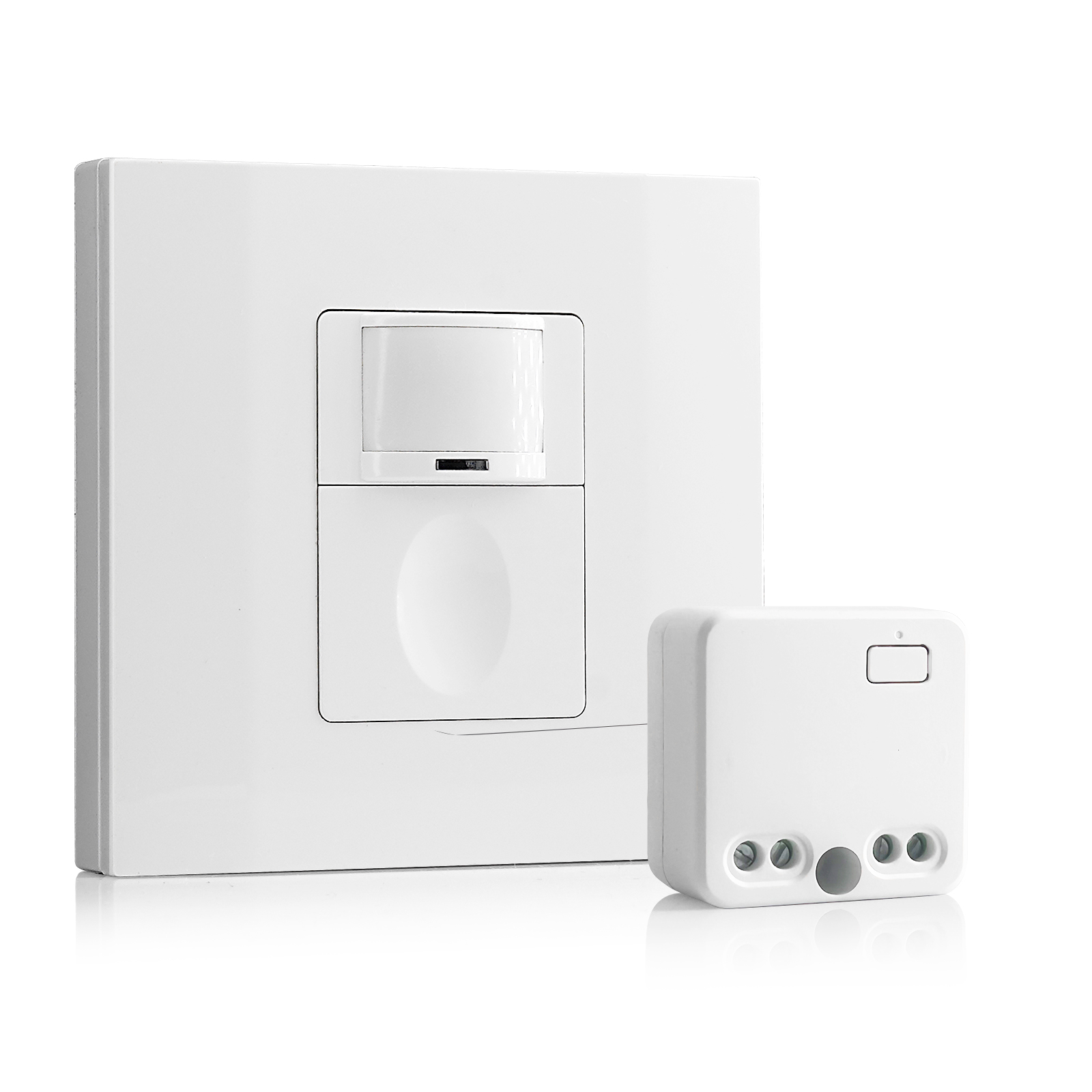
- 100V-230VAC
- Transmission Distance: up to 20m
- Wireless motion sensor
- Hardwired control
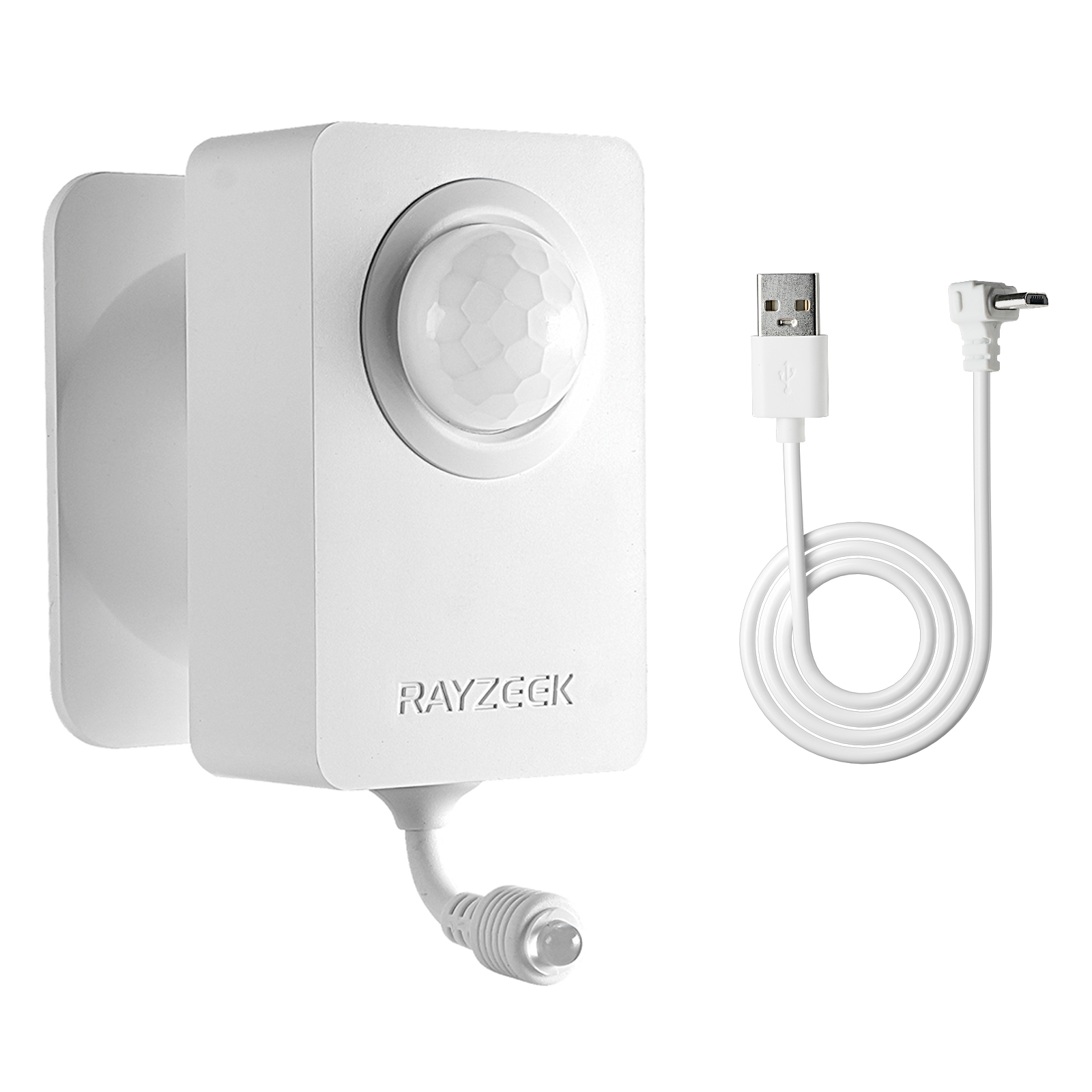
- Voltage: 2x AAA Batteries / 5V DC (Micro USB)
- Day/Night Mode
- Time delay: 15min, 30min, 1h(default), 2h
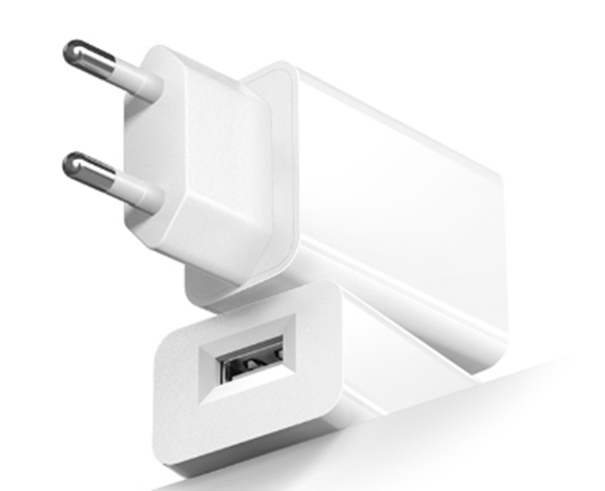
- EU plug power adapter
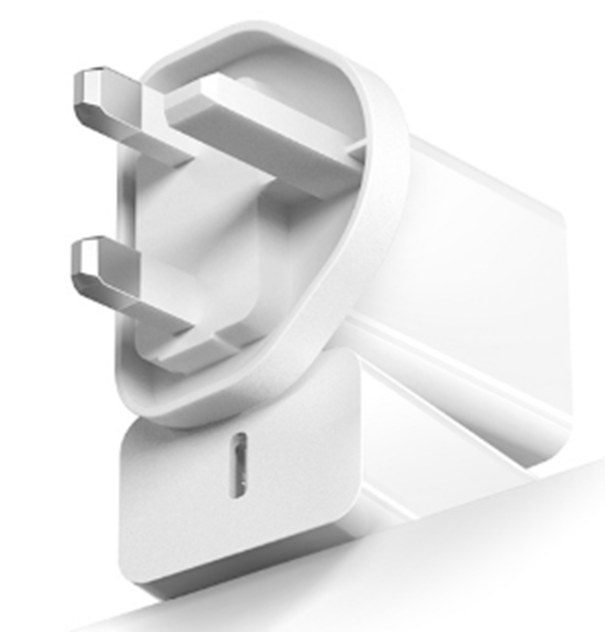
- UK plug power adapter
There are different types of circuit breakers, including miniature circuit breakers (MCBs) and molded case circuit breakers (MCCBs). MCBs are commonly used in residential and commercial applications, while MCCBs are utilized in larger industrial installations. These circuit breakers come in various sizes and have different current ratings to suit the specific requirements of the electrical system.
Frequently Asked Questions
What Is the Purpose of a Circuit Breaker
A circuit breaker serves the purpose of safeguarding an electrical circuit from potential harm caused by overcurrent, overload, or short circuit. Its primary function is to interrupt the flow of current once protective relays detect a fault.
What Do the Lights on a Circuit Breaker Mean
The color indicator on the handle of a circuit breaker serves as a signal to determine whether the power on that specific circuit is turned on or off. When the indicator is green, it means that the power is on. Conversely, if the indicator is white, it indicates that the power is off. Lastly, if the indicator is red, it signifies that the breaker has tripped.
Are Circuit Breakers Necessary
The primary purpose of circuit breakers in your home is to safeguard the electrical wiring and ensure your safety. They serve to protect the wires from overheating due to an overload of electrical current.
Do I Need to Use Circuit Breaker
A circuit breaker is an essential component in every electrical system. It plays a crucial role in safeguarding homes against potential electrical dangers, such as faults or overloads. Additionally, it automatically cuts off the power supply whenever the electrical current reaches an unsafe level.
Can I Fix Tripped Circuit Breaker
The tripped circuit breaker will be in either the “off” position or a middle position between “on” and “off.” To fix it, you need to reset the breaker by moving it to the full “off” position and then back to “on.” This will restore power to the affected rooms.
Why Is My Circuit Breaker Not Tripped but No Power
A circuit breaker that does not trip but does not provide power can be a sign that it needs to be replaced. It may also indicate problems with the circuit’s wiring, such as exposed or loose wiring, overheating, or irregular voltage.
How Long Do Circuit Breakers Last
The typical lifespan of a circuit breaker is approximately 30 to 40 years. Nonetheless, it is still important to periodically inspect your breakers. It is crucial to be aware of certain indicators that can alert you to a malfunctioning or outdated circuit breaker.
Do I Need an Electrician to Replace a Circuit Breaker
Replacing a circuit breaker is a task that is recommended to be carried out by a certified electrician. It is important to ensure that the electricity is disconnected before attempting this task. Additionally, obtaining a permit and adhering to electrical codes is necessary to ensure the safety of your household and loved ones.
Why Won’t My Circuit Breaker Reset My Lights
If the circuit breaker continues to trip, it is possible that there is a short circuit or an overloaded circuit. In such cases, it is advisable to contact a licensed residential electrician to inspect and resolve the issue. Additionally, if the circuit breaker fails to reset even after being switched off and on, it is likely that the breaker is faulty and should be replaced.
How Can a Circuit Breaker Be Reset Manually or Automatically
To manually reset a circuit breaker, you need to apply some force to move the switch from the ON position to the OFF position, wait for a few seconds, and then switch it back to the ON position.
What Not to Do With a Circuit Breaker
Make sure to avoid touching any exposed wires or attempting to dismantle the breaker panel. Additionally, it is crucial to refrain from approaching the circuit breaker if the surrounding area is damp or wet, as water and electricity do not mix. It is advisable to wait until the area is dry or seek the assistance of a professional to ensure safety.







