

What is Phase-Controlled Dimming
Phase-controlled dimming is a method used to regulate the brightness of a lamp or lighting system by adjusting the conduction time of electricity within an AC power wave cycle. This technique is commonly employed in residential settings due to its cost-effectiveness and ease of installation. By reducing or increasing the power entering the lamp, phase-controlled dimming allows for lower or higher brightness levels, respectively.
¿Busca soluciones de ahorro de energía activadas por movimiento?
Contáctenos para obtener sensores de movimiento PIR completos, productos de ahorro de energía activados por movimiento, interruptores con sensor de movimiento y soluciones comerciales de presencia/ausencia.
This dimming method falls under the category of primary side regulation (PSR), where brightness control is achieved from the primary side of the circuit. It typically utilizes phase-cutting dimmers, which control the conduction time of electricity within the AC power wave cycle to modulate the lamp’s brightness. There are two types of phase-cut dimming modes: leading edge (forward phase) mode and trailing edge (reverse phase) mode. Leading edge mode initiates the input power from a non-zero point within the wave cycle, while trailing edge mode starts from the zero point.
To ensure optimal dimming performance, it is crucial to use a phase-cutting controller in conjunction with a compatible phase-cutting driver. This compatibility ensures smooth and reliable dimming without issues such as light flashing or poor performance. Phase-controlled dimming offers a cost-effective and convenient solution for adjusting the brightness of lamps and lighting systems in residential applications.
Quizás le interese

- Sensor de presencia PIR para montaje en techo con salida de relé de contacto seco
- Alimentación de bajo voltaje de 12/24VDC o 12/24VAC
- Contactos de relé aislados COM, NO y NC para entradas de EMS, HVAC y control de edificios

- Interruptor sensor de movimiento por microondas empotrable en techo de bajo voltaje DC
- Entrada de 12 VDC / 24 VDC con rango de 10-30 VDC
- Corriente de funcionamiento máxima de 10A con retardo de tiempo, umbral de Lux y sensibilidad ajustables
- Interruptor sensor de movimiento por microondas empotrable en techo para cargas más altas
- Entrada de voltaje de línea de 100-265 VAC, modelo de 10A
- Detección por microondas de 5.8 GHz con retardo de tiempo, umbral de Lux y sensibilidad ajustables
- Interruptor sensor de movimiento por microondas empotrable en techo
- Entrada de voltaje de línea de 100-265 VAC, modelo de 5A
- Detección por microondas de 5.8 GHz con retardo de tiempo, umbral de Lux y sensibilidad ajustables
- Dimmer sensor de presencia PIR RZ037 para montaje en techo para alimentación de 220V
- Corriente de funcionamiento máxima de 3A con carga nominal de 660W
- El botón LUX controla el encendido/apagado del sensor de luz y el brillo de regulación establecido por el usuario
- Dimmer sensor de presencia PIR RZ037 para montaje en techo para alimentación de 110V
- Corriente de funcionamiento máxima de 3A con carga nominal de 330W
- El botón LUX controla el encendido/apagado del sensor de luz y el brillo de regulación establecido por el usuario

- Interruptor de sensor de movimiento por microondas de techo de CC de bajo voltaje
- Entrada de 12 VDC / 24 VDC con rango de 10-30 VDC
- Corriente de funcionamiento máxima de 10A con retardo de tiempo, umbral de Lux y sensibilidad ajustables
- Interruptor de sensor de movimiento por microondas de techo para cargas más altas
- Entrada de voltaje de línea de 100-265 VAC, modelo de 10A
- Detección por microondas de 5.8 GHz con retardo de tiempo, umbral de Lux y sensibilidad ajustables
- Interruptor de sensor de movimiento por microondas de techo
- Entrada de voltaje de línea de 100-265 VAC, modelo de 5A
- Detección por microondas de 5.8 GHz con retardo de tiempo, umbral de Lux y sensibilidad ajustables

- Interruptor de sensor de movimiento PIR de techo empotrado de CC de bajo voltaje
- Entrada de 12 VDC / 24 VDC con rango de 10-30 VDC
- Corriente de trabajo máxima de 10A con retardo de tiempo, umbral de Lux y sensibilidad ajustables

- Interruptor de sensor de movimiento PIR de techo empotrado para cargas más altas
- Entrada de voltaje de línea de 100-265 VAC, modelo de 10A
- Detección de 360 grados con retardo de tiempo, umbral de Lux y sensibilidad ajustables
- Interruptor de sensor de movimiento PIR de techo empotrado
- Entrada de voltaje de línea de 100-265 VAC, modelo de 5A
- Detección de 360 grados con retardo de tiempo, umbral de Lux y sensibilidad ajustables

- Kit de receptor e interruptor inalámbrico para control de iluminación de encendido/apagado en interiores
- Receptor de 100-230VAC, 50/60Hz con corriente nominal de 5A
- Interruptor inalámbrico alimentado por CR2032 con comunicación de 2.4GHz
- Presencia (Encendido automático/Apagado automático)
- 12–24V DC (10–30VDC), hasta 10A
- Cobertura de 360°, 8–12 m de diámetro
- Retardo de tiempo de 15 s–30 min
- Sensor de luz Apagado/15/25/35 Lux
- Sensibilidad Alta/Baja
- Modo de presencia de encendido automático/apagado automático
- 100–265V AC, 10A (requiere neutro)
- Cobertura de 360°; diámetro de detección de 8–12 m
- Retardo de tiempo de 15 s–30 min; Lux APAGADO/15/25/35; Sensibilidad Alta/Baja
- Modo de presencia de encendido automático/apagado automático
- 100–265V CA, 5A (se requiere neutro)
- Cobertura de 360°; diámetro de detección de 8–12 m
- Retardo de tiempo de 15 s–30 min; Lux APAGADO/15/25/35; Sensibilidad Alta/Baja
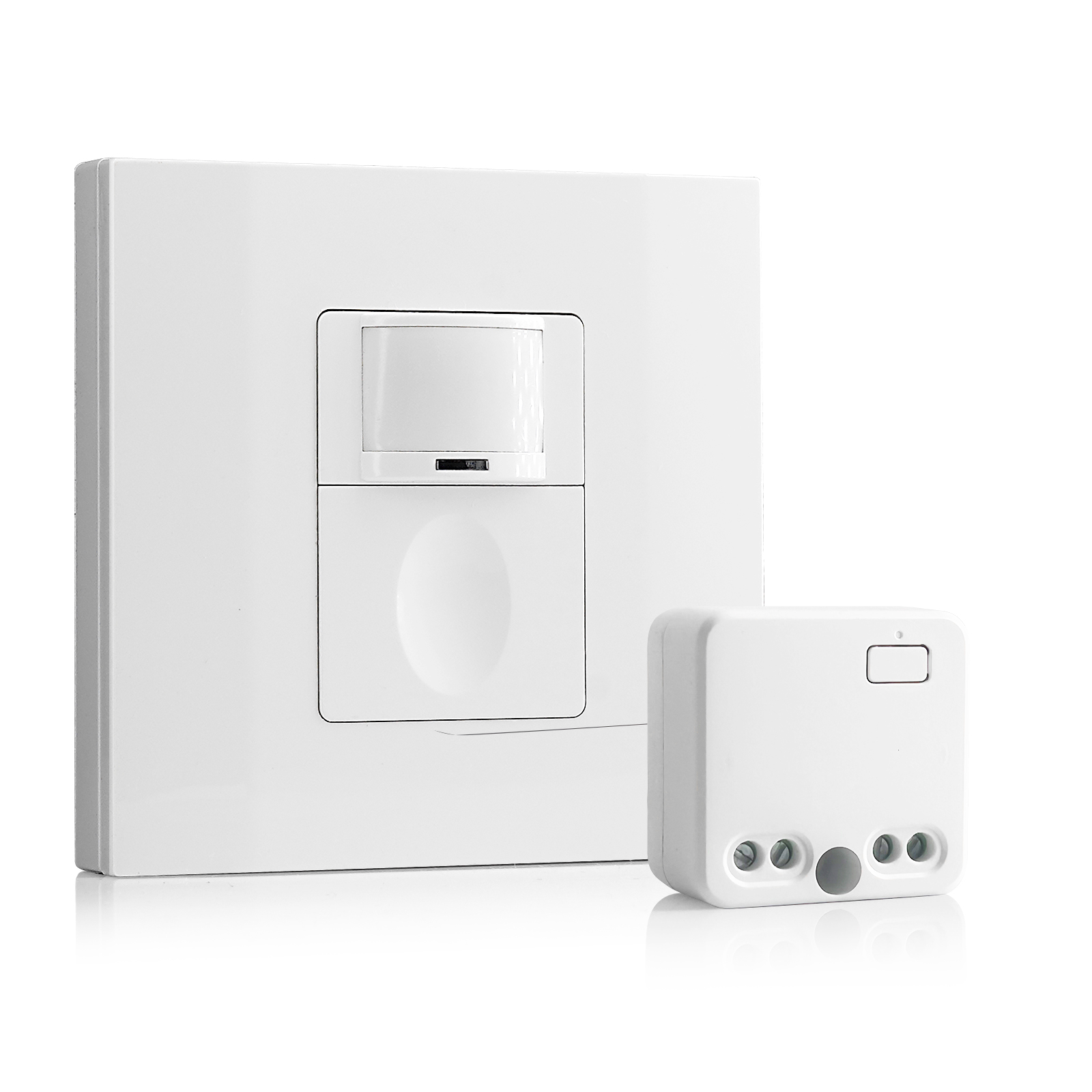
- 100V-230V CA
- Distancia de transmisión: hasta 20 m
- Sensor de movimiento inalámbrico
- Control cableado
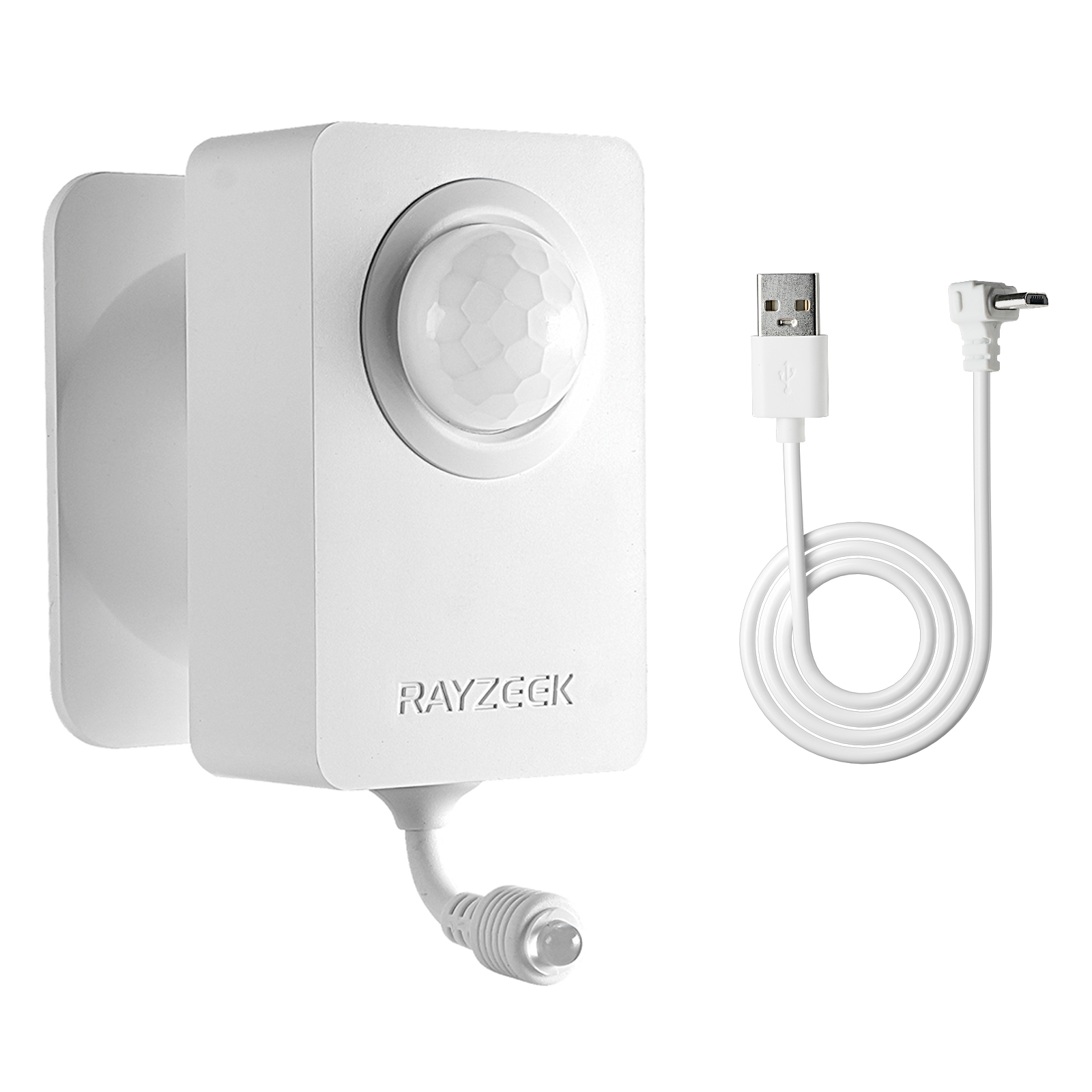
- Voltaje: 2 baterías AAA / 5V CC (Micro USB)
- Modo día/noche
- Tiempo de retardo: 15 min, 30 min, 1 h (por defecto), 2 h
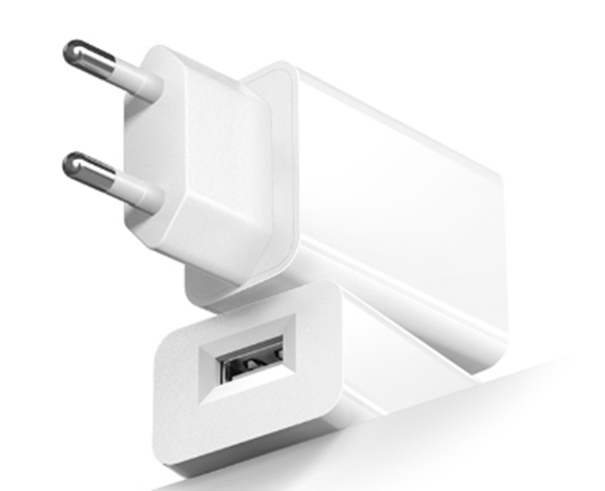
- Adaptador de corriente con enchufe de la UE
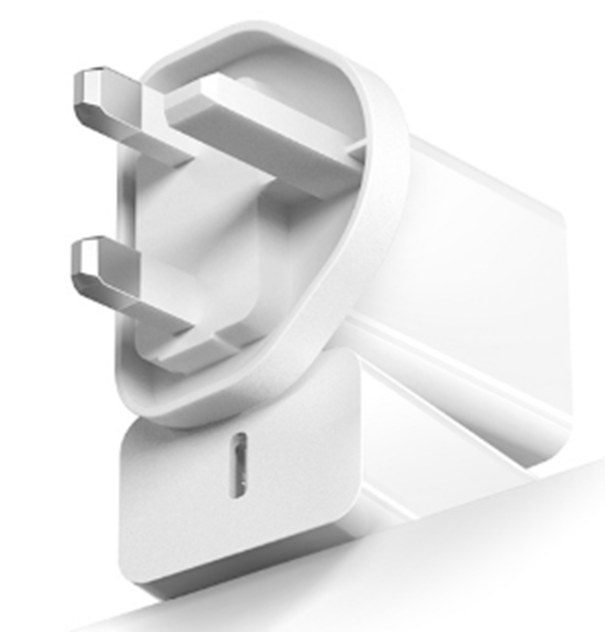
- Adaptador de corriente con enchufe del Reino Unido
Frequently Asked Questions
Is ELV and 0-10v Dimming the Same
The DIM0-10VELV is a module designed to convert a 0-10V dimming signal to an ELV reverse phase dimming signal, which is compatible with ELV dimmable lighting products. This module enables the use of standard 0-10V dimming control dimmers with ELV dimmable lighting products, and it can smoothly dim down to 1%. Therefore, ELV and 0-10V dimming are not the same, but the DIM0-10VELV module can bridge the gap between them.
What Type of Dimming Is Best for LED
The most suitable dimming option for LED light bulbs is trailing edge dimmers, while leading-edge dimmers are more compatible with conventional incandescent and halogen light bulbs.
What Happens if You Use the Wrong Dimmer With LED Lights
Existing dimmer switches typically have a minimum power requirement of 50W. However, when using LED lights with a dimmer switch that has a higher minimum power requirement, the lights may not reach the minimum power threshold. As a result, the dimmer switch may become confused, causing the lights to flicker and emit a buzzing noise.
Why Do My Lights Keep Dimming and Getting Brighter
When your lights become brighter, it indicates that they are receiving an excessive amount of voltage. Conversely, when they dim, it suggests that they are receiving insufficient voltage. If this issue persists, it could potentially lead to your electrical devices being exposed to either excessive or inadequate power, resulting in potential damage.
What Is the Difference Between a Dimmer and a ELV Dimmer
An ELV dimmer is specifically designed to dim the electronic power supply of a low voltage halogen light. Unlike a regular dimmer, an ELV dimmer cuts the trailing edge of the power wave in order to reduce hum. Therefore, ELV, Trailing Edge, and Reverse Phase all refer to the same functionality.
Can I Use a Regular Dimmer on 0-10v
A regular dimmer should not be used on a LED light fixture that has a 0-10v or 1-10v dimming driver, as it can damage the driver. It is important to note that a LED fixture that supports line voltage dimming cannot be wired to a 0-10v or 1-10v dimmer.







