
What is Light Emitting Diode (LED)
A Light Emitting Diode (LED) is a semiconductor device that converts electrical energy into light energy. It operates based on the principle of electroluminescence, where the recombination of electrons and holes within the semiconductor material releases energy in the form of photons. This emission of light occurs when an electric current passes through the LED.
LEDs are designed as heavily doped p-n junctions, allowing current to flow in the forward direction while blocking it in the reverse direction. The color of the light emitted by an LED is determined by the specific semiconductor material used and the level of doping. By controlling these factors, LEDs can emit light across a wide range of colors, including red, green, blue, and even white.
Quizás le interese

- Sensor de presencia PIR para montaje en techo con salida de relé de contacto seco
- Alimentación de bajo voltaje de 12/24VDC o 12/24VAC
- Contactos de relé aislados COM, NO y NC para entradas de EMS, HVAC y control de edificios

- Interruptor sensor de movimiento por microondas empotrable en techo de bajo voltaje DC
- Entrada de 12 VDC / 24 VDC con rango de 10-30 VDC
- Corriente de funcionamiento máxima de 10A con retardo de tiempo, umbral de Lux y sensibilidad ajustables
- Interruptor sensor de movimiento por microondas empotrable en techo para cargas más altas
- Entrada de voltaje de línea de 100-265 VAC, modelo de 10A
- Detección por microondas de 5.8 GHz con retardo de tiempo, umbral de Lux y sensibilidad ajustables
- Interruptor sensor de movimiento por microondas empotrable en techo
- Entrada de voltaje de línea de 100-265 VAC, modelo de 5A
- Detección por microondas de 5.8 GHz con retardo de tiempo, umbral de Lux y sensibilidad ajustables
- Dimmer sensor de presencia PIR RZ037 para montaje en techo para alimentación de 220V
- Corriente de funcionamiento máxima de 3A con carga nominal de 660W
- El botón LUX controla el encendido/apagado del sensor de luz y el brillo de regulación establecido por el usuario
- Dimmer sensor de presencia PIR RZ037 para montaje en techo para alimentación de 110V
- Corriente de funcionamiento máxima de 3A con carga nominal de 330W
- El botón LUX controla el encendido/apagado del sensor de luz y el brillo de regulación establecido por el usuario

- Interruptor de sensor de movimiento por microondas de techo de CC de bajo voltaje
- Entrada de 12 VDC / 24 VDC con rango de 10-30 VDC
- Corriente de funcionamiento máxima de 10A con retardo de tiempo, umbral de Lux y sensibilidad ajustables
- Interruptor de sensor de movimiento por microondas de techo para cargas más altas
- Entrada de voltaje de línea de 100-265 VAC, modelo de 10A
- Detección por microondas de 5.8 GHz con retardo de tiempo, umbral de Lux y sensibilidad ajustables
- Interruptor de sensor de movimiento por microondas de techo
- Entrada de voltaje de línea de 100-265 VAC, modelo de 5A
- Detección por microondas de 5.8 GHz con retardo de tiempo, umbral de Lux y sensibilidad ajustables

- Interruptor de sensor de movimiento PIR de techo empotrado de CC de bajo voltaje
- Entrada de 12 VDC / 24 VDC con rango de 10-30 VDC
- Corriente de trabajo máxima de 10A con retardo de tiempo, umbral de Lux y sensibilidad ajustables

- Interruptor de sensor de movimiento PIR de techo empotrado para cargas más altas
- Entrada de voltaje de línea de 100-265 VAC, modelo de 10A
- Detección de 360 grados con retardo de tiempo, umbral de Lux y sensibilidad ajustables
- Interruptor de sensor de movimiento PIR de techo empotrado
- Entrada de voltaje de línea de 100-265 VAC, modelo de 5A
- Detección de 360 grados con retardo de tiempo, umbral de Lux y sensibilidad ajustables

- Kit de receptor e interruptor inalámbrico para control de iluminación de encendido/apagado en interiores
- Receptor de 100-230VAC, 50/60Hz con corriente nominal de 5A
- Interruptor inalámbrico alimentado por CR2032 con comunicación de 2.4GHz
- Presencia (Encendido automático/Apagado automático)
- 12–24V DC (10–30VDC), hasta 10A
- Cobertura de 360°, 8–12 m de diámetro
- Retardo de tiempo de 15 s–30 min
- Sensor de luz Apagado/15/25/35 Lux
- Sensibilidad Alta/Baja
- Modo de presencia de encendido automático/apagado automático
- 100–265V AC, 10A (requiere neutro)
- Cobertura de 360°; diámetro de detección de 8–12 m
- Retardo de tiempo de 15 s–30 min; Lux APAGADO/15/25/35; Sensibilidad Alta/Baja
- Modo de presencia de encendido automático/apagado automático
- 100–265V CA, 5A (se requiere neutro)
- Cobertura de 360°; diámetro de detección de 8–12 m
- Retardo de tiempo de 15 s–30 min; Lux APAGADO/15/25/35; Sensibilidad Alta/Baja
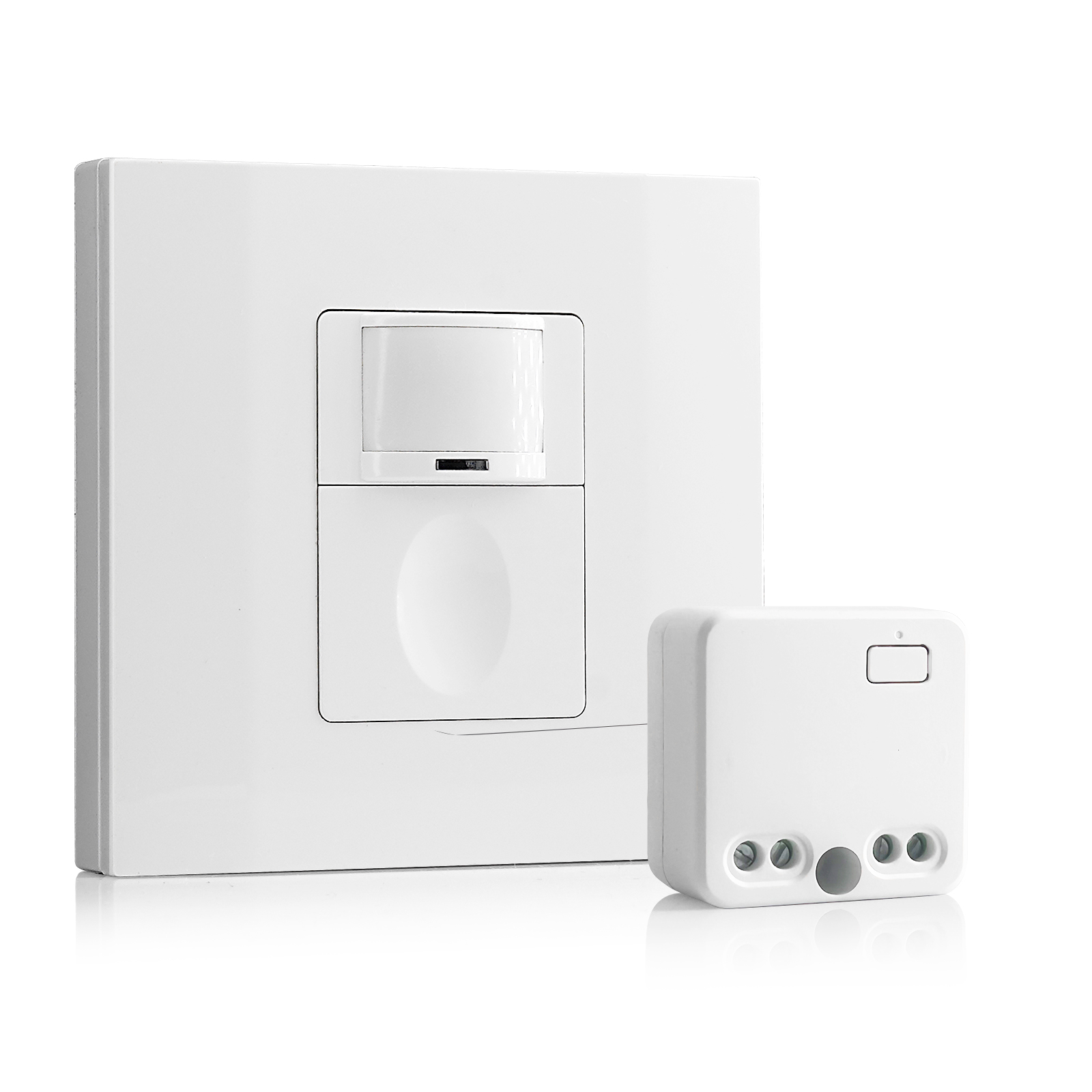
- 100V-230V CA
- Distancia de transmisión: hasta 20 m
- Sensor de movimiento inalámbrico
- Control cableado
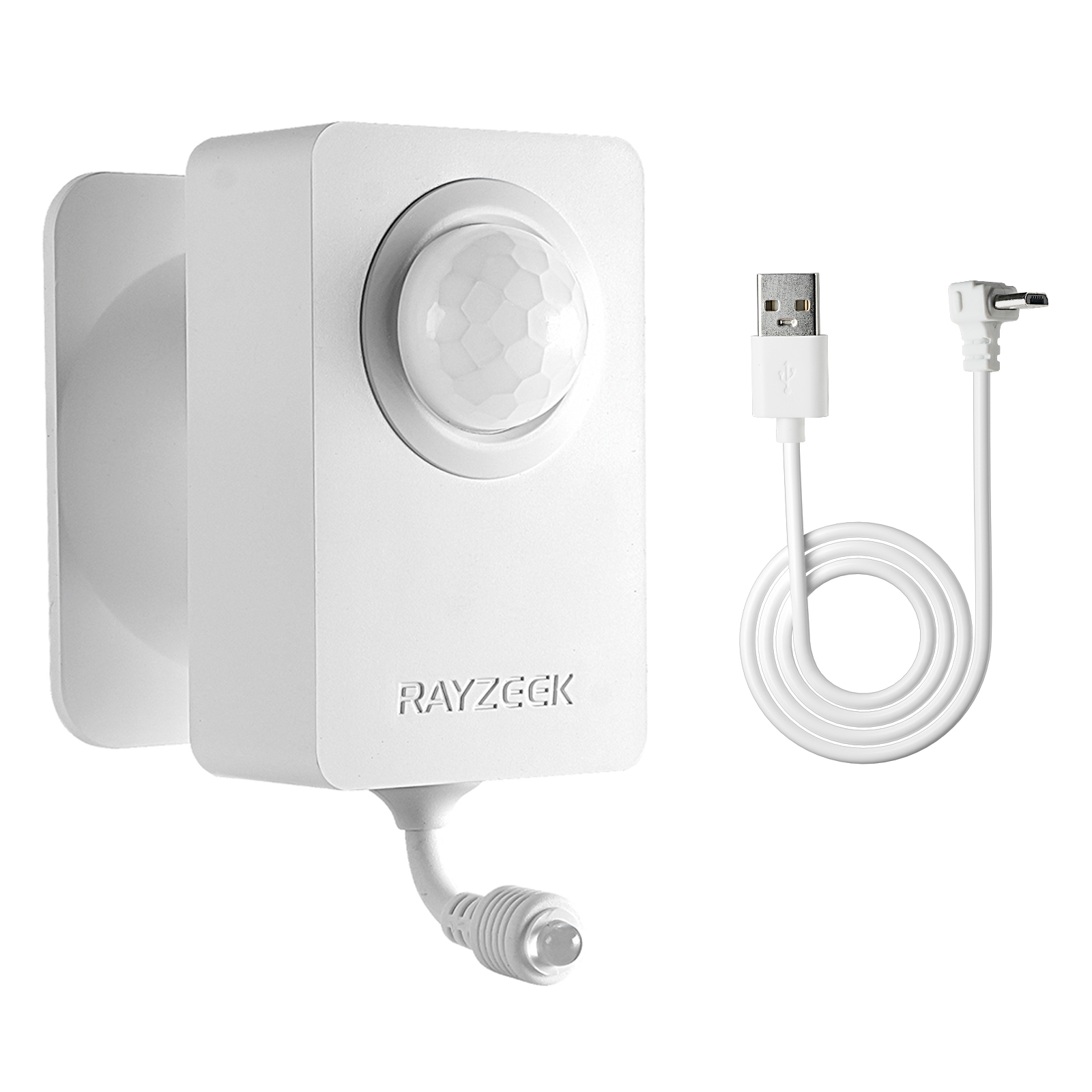
- Voltaje: 2 baterías AAA / 5V CC (Micro USB)
- Modo día/noche
- Tiempo de retardo: 15 min, 30 min, 1 h (por defecto), 2 h
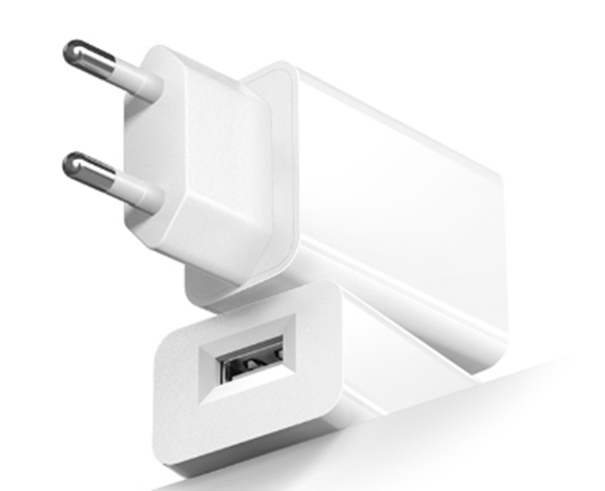
- Adaptador de corriente con enchufe de la UE
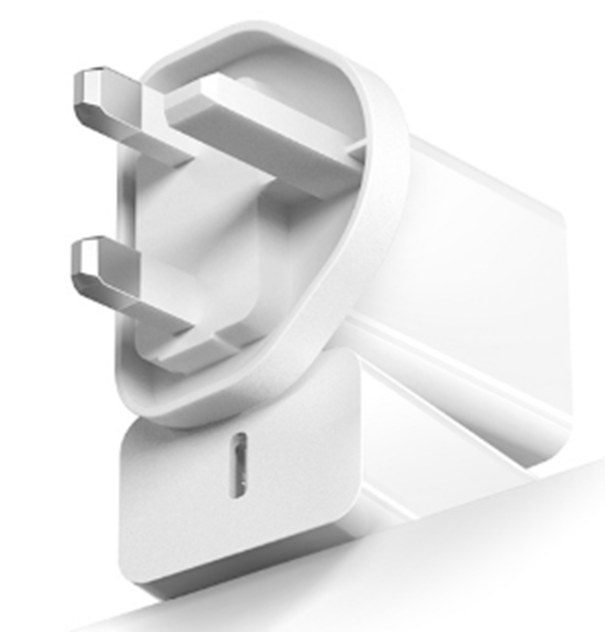
- Adaptador de corriente con enchufe del Reino Unido
LEDs have gained popularity in the lighting industry due to their numerous advantages. They are highly energy-efficient, consuming significantly less power compared to traditional incandescent or fluorescent lights. LEDs also have a longer lifespan, making them more durable and cost-effective. Additionally, they are resistant to shock, vibration, and extreme temperatures, making them suitable for various applications.
LEDs are typically encapsulated with a transparent cover, which not only protects the LED from external factors such as dust and moisture but also helps shape and direct the emitted light. This encapsulation process allows for greater control over the light output and enables the design of various lighting fixtures.
Inspírese con los catálogos de sensores de movimiento de Rayzeek.
¿No encuentra lo que busca? No se preocupe. Siempre hay formas alternativas de resolver sus problemas. Quizás uno de nuestros catálogos pueda ayudarle.
Frequently Asked Questions
Why Do My LED Bulbs Burn Out So Fast
LED bulbs have a lower heat output compared to other bulbs, but this also means that they can be more susceptible to overheating. This sensitivity to overheating can result in a shorter lifespan for the bulbs. To prolong the life of your LED bulbs, it is important to keep them cool. Additionally, make sure that the bulbs you are using are the appropriate size for the fitting.
What Shortens the Life of an LED Bulb
An LED bulb’s lifespan can be shortened by the temperature of its bulb case. If the temperature exceeds 85 degrees, the lifespan of the bulb is likely to decrease. Additionally, if the bulb case temperature reaches above 105 degrees, the LED light will cease to function.
Where Should You Not Use LED Bulbs
Enclosed fixtures that do not provide adequate ventilation can significantly impact the temperature of LED bulbs, leading to overheating and a reduced lifespan. This is why certain bulbs come with a warning against using them in enclosed ceiling fan or fully enclosed porch light fixtures.
How Do You Tell if a Light Bulb Is LED or Incandescent
To determine if a light bulb is LED or incandescent, you can easily identify it by checking the labeling on the packaging or the base of the bulb. This information will clearly indicate whether it is an LED bulb or not. Recognizing LED bulbs is a simple and effective method to conserve energy and minimize your environmental impact.
Which Type of LED Light Is Best for Home
2700 to 3000 Kelvins: Commonly referred to as soft white, LED lights within this range emit a warm, yellowish hue. Soft white lights are ideal for creating a comfortable and cozy atmosphere in living spaces like bedrooms, dining rooms, or living rooms.
How Long Do LED Lights Last
One of the major benefits of LED light fixtures is their long lifespan. Unlike incandescent light bulbs that typically last around 1,000 hours, the most durable LED light fixtures have been proven to last up to 100,000 hours. On average, LED light bulbs can go without replacement for at least 20 years.
Do LED Lights Get Hot
Yes, LED lights can generate heat, especially with new technology LED lighting. However, the temperatures are much safer compared to traditional lighting options. Additionally, while LED lights do emit some ambient heat, it is significantly less than what is produced by old incandescent lighting.
What Happens if LED Light Goes Out
LED bulbs do not burn out suddenly like regular bulbs when they lose power. Instead, LED bulbs gradually deteriorate over time. After a few years, their brightness diminishes, a phenomenon referred to as “luminous decay.” When they start emitting faint light, it indicates that it is time to replace them.
Why Do My LED Lights Only Work When I Touch Them
LED lights may only work when you touch them due to the fact that many LED lights and strips do not require a significant amount of voltage. This implies that the energy emitted from your body could potentially be sufficient to activate the LED light.
Why Are My LED Light Bulbs Flickering and Burning Out
Another common cause of flickering in LED bulbs is loose connections or circuits. To resolve this issue, simply tighten the LED bulb securely. Additionally, if there is a significant amount of dust in the fixture, it is advisable to blow out the connection points to remove the dust before reinserting the bulb.
Are LED Lights AC or DC
LED lights, which stands for Light Emitting Diode, are semiconductor devices that have the capability to convert electricity into light energy. As a result, LED lights operate on low DC voltages and cannot be directly connected to an AC mains supply like traditional incandescent light bulbs.
Does LED Save More Electricity
Although previously used primarily for indicator and traffic lights, LEDs are now the most energy-efficient and rapidly advancing lighting technology for general illumination purposes. They consume up to 90% less energy and have a lifespan up to 25 times longer than traditional incandescent bulbs.
Why Don’t LED Bulbs Work in My Fixture
The reasons for LED bulbs not working in your fixture can vary greatly, ranging from issues with the power source to problems with the bulb itself. Common reasons include a defective power supply, loose connections, a flawed circuit design, or even damage caused by water entering the fixture due to rain.
What Voltage Is Required for LED
LEDs are specifically designed to operate on low voltage, typically ranging from 12 to 24 volts, and require direct-current electricity. However, it is important to note that most electrical outlets supply higher voltage, typically ranging from 120 to 277 volts, and provide alternating current electricity. To ensure compatibility, an LED driver is used to convert the higher voltage, alternating current to the required low-voltage, direct current for the LEDs to function properly.







