
What is IEEE
IEEE refers to the Institute of Electrical and Electronics Engineers. It is an international professional organization that focuses on advancing technology in various fields, including the lighting industry. The IEEE Bombay Section is responsible for organizing the IEEE Sustainable Smart Lighting World Conference & Expo (LS:18), which is a charter IEEE Conference sponsored by IEEE Power & Energy Society and IEEE Industrial Application Society.
Inspírese con los catálogos de sensores de movimiento de Rayzeek.
¿No encuentra lo que busca? No se preocupe. Siempre hay formas alternativas de resolver sus problemas. Quizás uno de nuestros catálogos pueda ayudarle.
The main objective of this conference is to facilitate collaboration between the Lighting Symposium Series (LS) community, which specializes in lighting systems and is expanding into smart and human-centric lighting, and the IEEE community, which emphasizes innovation, advancement, and energy efficiency in lighting solutions. By bringing together these two communities, the conference aims to promote knowledge exchange and advancements in the field of lighting.
The IEEE Sustainable Smart Lighting World Conference & Expo (LS:18) invites contributions in the form of full papers or abstracts in various tracks such as Solid-State Lighting, Lighting 4.0, Connected Lighting Systems (CLS), Human Centric Lighting (HCL), and Micro-grids/Sustainable Lighting. The topics covered in these papers or abstracts encompass a wide range of areas, including Residential Lighting, LEDification of Illumination, Visual Light Communications (VLC), Outdoor Lighting, Light-as-a-service (LaaS), Efficiency/Clean Power, Smart Devices and Appliances, Smart Grid/Smart Energy, Smart Village/Communities, Lighting Standards, Smart Lighting in Developing Economies, Smart Lighting in Emerging Economies, and Commercial Models of Lighting Projects.
Quizás le interese

- Sensor de presencia PIR para montaje en techo con salida de relé de contacto seco
- Alimentación de bajo voltaje de 12/24VDC o 12/24VAC
- Contactos de relé aislados COM, NO y NC para entradas de EMS, HVAC y control de edificios

- Interruptor sensor de movimiento por microondas empotrable en techo de bajo voltaje DC
- Entrada de 12 VDC / 24 VDC con rango de 10-30 VDC
- Corriente de funcionamiento máxima de 10A con retardo de tiempo, umbral de Lux y sensibilidad ajustables
- Interruptor sensor de movimiento por microondas empotrable en techo para cargas más altas
- Entrada de voltaje de línea de 100-265 VAC, modelo de 10A
- Detección por microondas de 5.8 GHz con retardo de tiempo, umbral de Lux y sensibilidad ajustables
- Interruptor sensor de movimiento por microondas empotrable en techo
- Entrada de voltaje de línea de 100-265 VAC, modelo de 5A
- Detección por microondas de 5.8 GHz con retardo de tiempo, umbral de Lux y sensibilidad ajustables
- Dimmer sensor de presencia PIR RZ037 para montaje en techo para alimentación de 220V
- Corriente de funcionamiento máxima de 3A con carga nominal de 660W
- El botón LUX controla el encendido/apagado del sensor de luz y el brillo de regulación establecido por el usuario
- Dimmer sensor de presencia PIR RZ037 para montaje en techo para alimentación de 110V
- Corriente de funcionamiento máxima de 3A con carga nominal de 330W
- El botón LUX controla el encendido/apagado del sensor de luz y el brillo de regulación establecido por el usuario

- Interruptor de sensor de movimiento por microondas de techo de CC de bajo voltaje
- Entrada de 12 VDC / 24 VDC con rango de 10-30 VDC
- Corriente de funcionamiento máxima de 10A con retardo de tiempo, umbral de Lux y sensibilidad ajustables
- Interruptor de sensor de movimiento por microondas de techo para cargas más altas
- Entrada de voltaje de línea de 100-265 VAC, modelo de 10A
- Detección por microondas de 5.8 GHz con retardo de tiempo, umbral de Lux y sensibilidad ajustables
- Interruptor de sensor de movimiento por microondas de techo
- Entrada de voltaje de línea de 100-265 VAC, modelo de 5A
- Detección por microondas de 5.8 GHz con retardo de tiempo, umbral de Lux y sensibilidad ajustables

- Interruptor de sensor de movimiento PIR de techo empotrado de CC de bajo voltaje
- Entrada de 12 VDC / 24 VDC con rango de 10-30 VDC
- Corriente de trabajo máxima de 10A con retardo de tiempo, umbral de Lux y sensibilidad ajustables

- Interruptor de sensor de movimiento PIR de techo empotrado para cargas más altas
- Entrada de voltaje de línea de 100-265 VAC, modelo de 10A
- Detección de 360 grados con retardo de tiempo, umbral de Lux y sensibilidad ajustables
- Interruptor de sensor de movimiento PIR de techo empotrado
- Entrada de voltaje de línea de 100-265 VAC, modelo de 5A
- Detección de 360 grados con retardo de tiempo, umbral de Lux y sensibilidad ajustables

- Kit de receptor e interruptor inalámbrico para control de iluminación de encendido/apagado en interiores
- Receptor de 100-230VAC, 50/60Hz con corriente nominal de 5A
- Interruptor inalámbrico alimentado por CR2032 con comunicación de 2.4GHz
- Presencia (Encendido automático/Apagado automático)
- 12–24V DC (10–30VDC), hasta 10A
- Cobertura de 360°, 8–12 m de diámetro
- Retardo de tiempo de 15 s–30 min
- Sensor de luz Apagado/15/25/35 Lux
- Sensibilidad Alta/Baja
- Modo de presencia de encendido automático/apagado automático
- 100–265V AC, 10A (requiere neutro)
- Cobertura de 360°; diámetro de detección de 8–12 m
- Retardo de tiempo de 15 s–30 min; Lux APAGADO/15/25/35; Sensibilidad Alta/Baja
- Modo de presencia de encendido automático/apagado automático
- 100–265V CA, 5A (se requiere neutro)
- Cobertura de 360°; diámetro de detección de 8–12 m
- Retardo de tiempo de 15 s–30 min; Lux APAGADO/15/25/35; Sensibilidad Alta/Baja
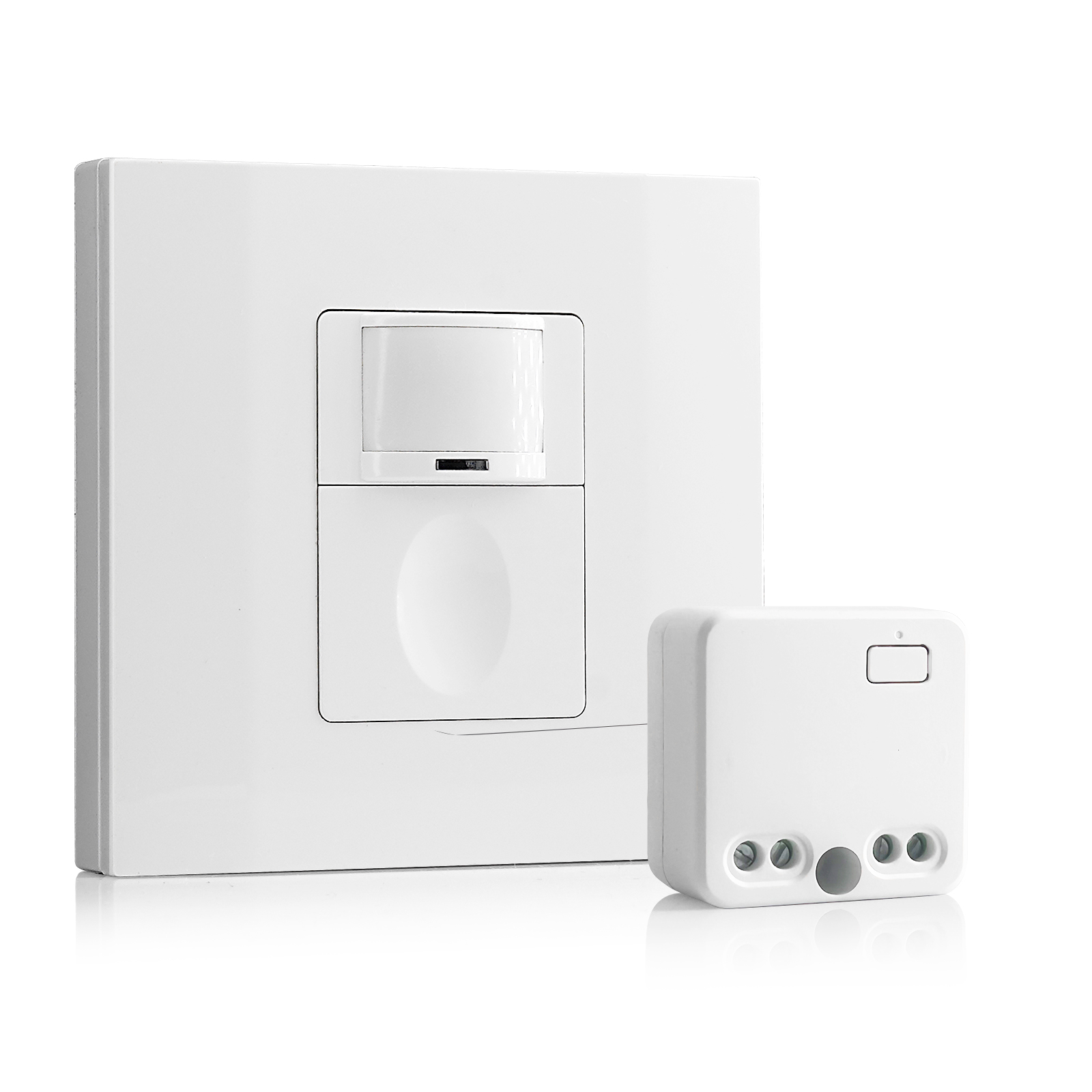
- 100V-230V CA
- Distancia de transmisión: hasta 20 m
- Sensor de movimiento inalámbrico
- Control cableado
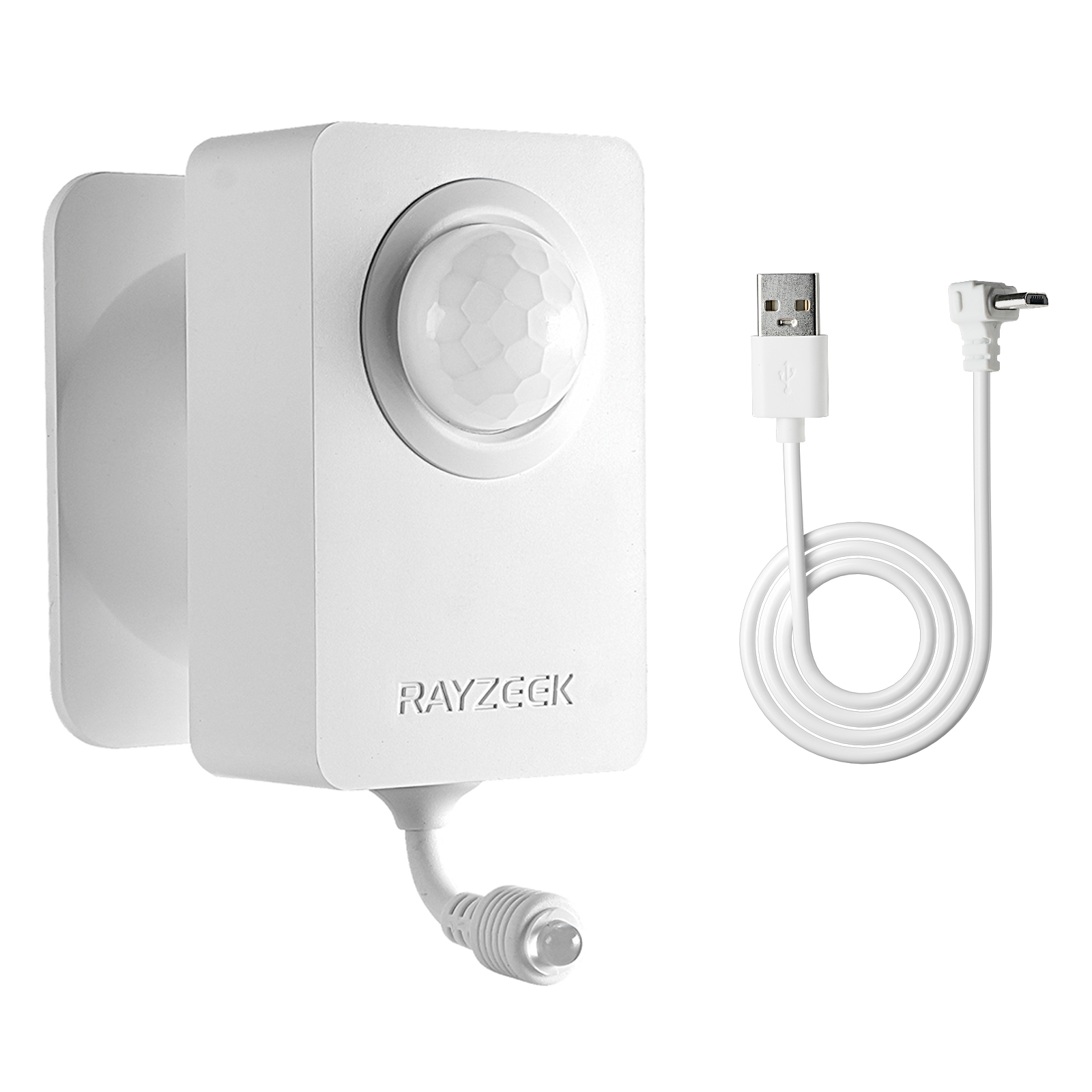
- Voltaje: 2 baterías AAA / 5V CC (Micro USB)
- Modo día/noche
- Tiempo de retardo: 15 min, 30 min, 1 h (por defecto), 2 h
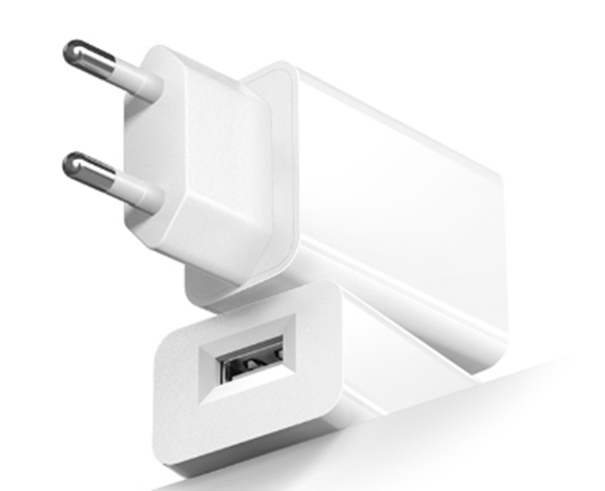
- Adaptador de corriente con enchufe de la UE
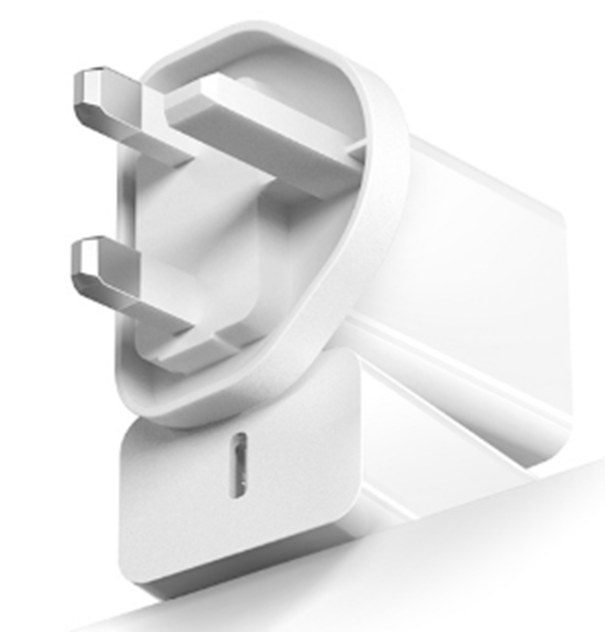
- Adaptador de corriente con enchufe del Reino Unido
Frequently Asked Questions
What Is the IEEE Standard PAR1789
The formation of the IEEE Standards Working Group, known as IEEE PAR1789, aims to address the issue of flicker in LED lighting and provide recommendations for modulating current in High Brightness LEDs to mitigate health risks to viewers. This group advises various organizations, including the lighting industry, ANSI/NEMA, IEC, and EnergyStar, on this emerging concern.
What Are the Requirements for IEEE
An individual who has obtained a degree from an accredited institution or program, lasting three to five years or more, and has a minimum of three years of professional work experience in teaching, creating, developing, practicing, or managing within the field designated by IEEE.
What Are the Most Important IEEE Standards
The IEEE 802 standards encompass a range of important technologies, including Ethernet, Bridging and Virtual Bridged LANs, Wireless LAN, Wireless PAN, Wireless MAN, Wireless Coexistence, Media Independent Handover Services, and Wireless RAN. Each of these areas has a dedicated Working Group within IEEE to ensure their development and implementation.
What Is IEEE Standard Voltage
IEEE C37 standards cover typical circuit breakers with maximum voltage ratings ranging from 4.76 kV to 800 kV. These standards also specify continuous current ratings of 600 A, 1200 A, 2000 A, 3000 A, and 4000 A, which are associated with the different maximum voltage ratings.
What Are the Voltage Levels for IEEE Standard
IEEE Standard for Metal-Clad Switchgear specifies a range of rated maximum voltage levels, which vary from 4.76 kV to 38 kV. Additionally, the main bus continuous current ratings for this type of switchgear are available in options of 1200 A, 2000 A, 3000 A, and 4000 A.







